
I spent last summer fighting bugs that slipped past my open front door while my AC ran nonstop.
That experience pushed me to compare a screen door against a storm door for my house.
You probably face the same decision if you want fresh air without pests or solid protection from wind, rain, and cold.
This breakdown covers the practical differences in materials, performance, and daily use so you can match the right door to your climate, home, and habits.
| Aspect | Screen Door | Storm Door |
| Primary purpose | Lets air move while blocking insects | Shields the main door from weather and adds insulation |
| Typical materials | Aluminum or vinyl frame with fiberglass or pet mesh | Aluminum or vinyl frame with tempered glass and optional screen |
| Airflow | High when closed | Low unless the glass panel is opened or removed |
| Weather resistance | Minimal; mainly keeps bugs out | Strong against rain, wind, snow, and temperature swings |
| Security | Low; mesh can be cut | Higher; glass and solid panels resist forced entry better |
| Energy impact | Can raise cooling costs if left open in heat | Usually lowers heating and cooling costs |
| Common extras | Retractable options, pet-resistant mesh | Self-storing screens, interchangeable panels, locks |
| Best climate fit | Mild or warm seasons | Cold, wet, or windy regions year-round |
Also Read: Comparison of Therma-Tru And Jeld-Wen Doors.
Key Differences Between Screen Doors and Storm Doors
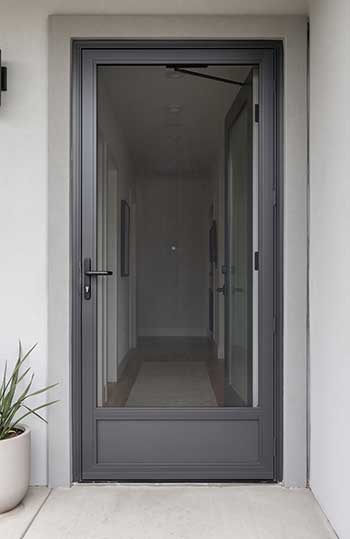
- Function and daily use: A screen door stays closed most of the time in warm weather so you get breeze without mosquitoes or flies. A storm door stays closed through storms and winter; you open the glass only when you want air. I keep my storm door shut during heavy rain and notice far less water reaching the threshold than when I used only a screen.
- Construction and materials: Screen doors use lightweight frames and fine mesh that can be aluminum, fiberglass, or coated for pets. Storm doors use thicker frames and glass panels, often tempered and sometimes low-e coated. The glass on a storm door feels solid when you close it; the mesh on a screen door flexes under pressure from a dog or a strong gust.
- Sealing and drafts: Storm doors include weatherstripping and closer mechanisms that create a tighter seal. Screen doors leave more gaps because the mesh needs airflow. In my tests during a windy week, the storm door cut the draft under the main door by roughly half compared with the screen alone.
- Panel options: Many storm doors let you swap a glass panel for a screen panel or store both. Most screen doors are fixed mesh. You can change the look and function of a storm door seasonally without buying a second unit; a screen door stays one thing.
- Durability under stress: Hail or a kicked soccer ball can tear mesh quickly. Tempered glass on a storm door usually survives the same impact or shatters safely. I replaced two screen panels after a summer storm; the storm door glass on the side entrance is still original after four years.
- Visibility and light: Screen mesh reduces clarity and lets in filtered light. Clear glass on a storm door preserves the view and allows more natural light when closed. On bright days the glass version makes the entry feel larger.
- Noise reduction: Storm doors dampen outdoor noise better because of the solid panels and tighter fit. Screen doors do almost nothing for sound. Traffic noise drops noticeably once I close the storm door at night.
- Installation height and clearance: Storm doors often need more precise measurement because of their weight and closer hardware. Screen doors are lighter and more forgiving. My contractor spent extra time leveling the storm door so the closer worked smoothly; the screen door went up in under an hour.
Key Features of Screen Doors
- Mesh types and density: Standard fiberglass mesh is inexpensive and easy to replace. Aluminum mesh lasts longer outdoors. Pet-resistant mesh uses a heavier vinyl-coated weave that resists claws and teeth. I switched to pet mesh after my dog pushed through the old panel in two weeks.
- Frame materials: Aluminum frames resist rust and stay straight. Vinyl frames cost less and come in more colors but can warp in extreme heat. Wood frames look traditional yet need painting every few years. Most new installs I see use aluminum for low maintenance.
- Retractable designs: These roll up into a side cassette when not needed, so you regain the full opening. They work well on porches or when you want an unobstructed view part of the day. The mechanism needs occasional cleaning so the track does not stick.
- Kick plates and bottom rails: Many models include a solid lower section that protects the mesh from feet, carts, and lawn equipment. Without it the bottom of the screen wears out first. I added a kick plate to mine and the mesh has stayed intact through two summers.
- Latch and handle options: Simple spring latches are common and cheap. Magnetic or gravity latches close more reliably in wind. Handles can be lever style for easier use with full hands. I prefer a magnetic latch because it pulls the door shut even when the closer is slow.
- Color and finish choices: Powder-coated frames come in black, white, bronze, and custom colors that match trim. The finish resists fading better than painted wood. Matching the frame color to the house siding made the door almost disappear from the street.
- Screen tension systems: Some doors use a spring-loaded frame that keeps the mesh tight. Loose mesh sags and looks worn. Tight mesh also blocks smaller insects more effectively.
Also Read: Comparison of EMCO And LARSON Storm Doors.
Pros of Screen Doors
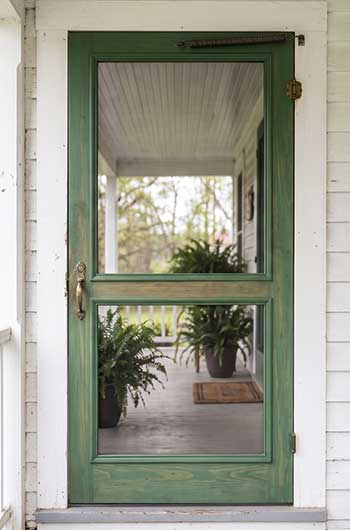
- Excellent airflow and comfort: You can leave the main door open and still keep insects out. On evenings when the temperature drops, the screen lets the house cool naturally and reduces AC runtime. I measured a 4–6 degree drop in the entryway within an hour of opening the main door behind the screen.
- Lower upfront cost: Basic aluminum screen doors often cost less than half the price of a mid-range storm door. Replacement mesh is cheap and widely available. For a rental or seasonal cabin the savings add up quickly.
- Easy seasonal removal: Many homeowners take the screen door down in winter or store it when not needed. The lighter weight makes this practical. I store mine in the garage over winter and reinstall it in under thirty minutes each spring.
- Simple repairs: A torn panel can be rescreened with basic tools in an afternoon. Frames rarely need full replacement. After a branch hit mine, I ordered mesh online and had it fixed the same weekend.
- Pet and child friendly options: Heavier mesh and solid kick plates reduce damage from paws and toys. Magnetic latches are easier for kids to operate. My neighbor’s kids open and close their screen door without help.
- Minimal visual obstruction when retracted: Retractable models disappear into the frame, restoring the original doorway look. This matters on front entries where curb appeal counts.
- Good for mild climates: In areas with short winters and long warm seasons the screen door handles most of the year. You avoid the extra cost and bulk of a storm door you would rarely close.
Cons of Screen Doors
- Poor weather protection: Rain blows through the mesh and can wet the main door and threshold. Wind drives debris against the screen and can bow the frame. During one thunderstorm I watched water pool on the porch because the screen offered almost no barrier.
- Limited security: Mesh cuts easily with a knife or scissors. The door itself is light and can be forced. I do not rely on the screen door alone when I leave the house for more than a few hours.
- Higher energy use in extremes: Leaving the main door open behind a screen in hot weather lets conditioned air escape. In cold weather the screen does nothing to stop heat loss. My electric bill rose the first month I relied only on the screen during a heat wave.
- Shorter lifespan in harsh conditions: UV, moisture, and physical contact wear mesh and frames faster than glass. Coastal salt air corrodes cheaper aluminum. Expect to replace or repair more often than a storm door.
- Noise and privacy issues: Conversations outside carry straight through. Neighbors can see into the entry more easily. At night the screen offers almost no sound barrier from street traffic.
- Maintenance of moving parts on retractables: Tracks collect dirt and the spring can weaken. If the door does not retract smoothly it becomes annoying. Cleaning the track every few months prevents most problems.
- Not ideal for high-traffic or commercial entries: Constant opening and closing stresses the mesh and latches. A storm door or solid door holds up better under heavy use.
Key Features of Storm Doors
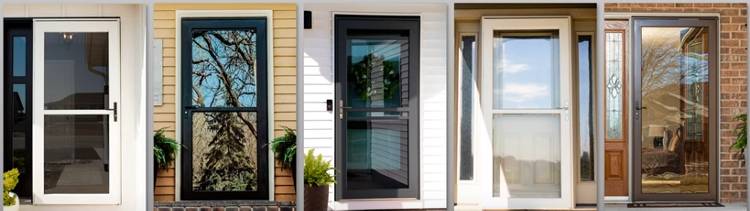
- Glass panels: Tempered glass is standard and safer if broken. Low-e coatings reflect heat and cut UV. Some models use insulated glass for colder climates. The glass on my front storm door stays cooler to the touch in summer than the bare main door did.
- Self-storing screens: The screen panel slides up into the top of the door frame so you never remove and store a separate piece. This feature alone convinced me to replace an older storm door that required seasonal panel swaps.
- Interchangeable bottom panels: You can insert a solid panel for winter privacy and insulation or a screen panel for summer airflow. Some kits include both. Changing panels takes about ten minutes once you know the clips.
- Closers and wind chains: Hydraulic closers prevent slamming. Wind chains or cables limit how far the door opens in gusts. These parts protect both the storm door and the main door from damage. My closer needed adjustment after the first winter; after that it stayed consistent.
- Locking hardware: Multi-point locks or deadbolt-style latches add security beyond a simple handle. Some models accept a keyed lock that matches the main door. The extra lock makes me more comfortable leaving the storm door closed when I am away for the day.
- Weatherstripping and thresholds: Adjustable sweeps and bulb seals reduce air leaks. A proper threshold keeps water from pooling under the door. I had to replace the original sweep after three years; the new one sealed tighter against the existing sill.
- Ventilation options: Some storm doors include a small operable window or a vent at the bottom. These let limited air move without fully opening the glass. Useful on mild days when you still want some protection.
Also Read: Comparison of LARSON And Pella Storm Doors.
Pros of Storm Doors
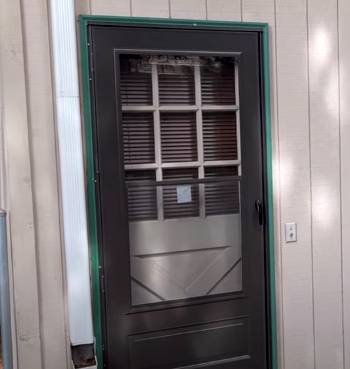
- Year-round weather barrier: Rain, snow, and wind stay outside. The main door and threshold last longer because they stay dry. After installing mine I stopped finding wet spots inside the entry during storms.
- Energy savings: The extra layer of glass and the tight seal reduce heat loss in winter and heat gain in summer. Many homeowners report lower utility bills, especially in regions with big temperature swings. My heating bill dropped the first full winter with the storm door closed.
- Added security layer: Glass and solid panels are harder to breach than mesh. Quality locks and closers make forced entry more difficult and noisy. The door also protects the main door’s lock from weather that can freeze or corrode it.
- Versatility with panels: Swap or store screens so the same door works in every season. Self-storing models eliminate the storage hassle. I change the bottom panel twice a year and the process takes less time than mowing the lawn.
- Noise reduction and privacy: Closed glass blocks more outdoor sound and limits the view from outside. Useful on busy streets or when you want the entry to feel more enclosed.
- Durability and resale appeal: A well-installed storm door can last 15–20 years with basic care. Buyers often view it as a finished, protected entry. My real-estate agent mentioned the storm door as a small plus during a recent listing.
- Protection for the main door finish: Paint, stain, and hardware on the primary door stay cleaner and last longer. Less UV and moisture reach them. The wood door behind my storm door still looks nearly new after five years.
Cons of Storm Doors
- Higher purchase and install cost: Quality models with glass, closers, and good hardware cost more upfront. Professional installation is often recommended because of weight and alignment needs. Expect to pay noticeably more than for a basic screen door.
- Reduced airflow when closed: You must open or remove the glass panel to get a breeze. On hot days this extra step can be inconvenient. I sometimes leave the glass cracked, but then I lose some of the weather protection.
- Potential for condensation or fogging: In cold climates moisture can form between the storm door and the main door if seals are imperfect. Proper ventilation and a good sweep usually prevent this, but it still happens in older homes.
- Heavier and harder to operate for some users: The added weight and closer tension can make the door harder for children or elderly residents to open. Adjustable closers help, yet the door never feels as light as a screen.
- Glass breakage risk: Although tempered glass is safer, it can still break from impact or thermal stress. Replacement glass costs more than mesh. A large tree branch once cracked a neighbor’s panel; the repair was not cheap.
- Visual bulk: The extra frame and hardware can make a narrow entry feel tighter. Some architectural styles clash with the added layer. On my craftsman-style house I chose a slim-line model to keep the look clean.
- Maintenance of seals and hardware: Weatherstripping, sweeps, and closers need periodic replacement or adjustment. Neglect leads to drafts and slamming. I check the sweep each fall and replace it every three to four years.
Also Read: Comparison of Pella And Andersen Patio Doors.
Frequently Asked Questions (FAQ)
Yes. In warm and mild climates homeowners still install them for airflow and bug control, especially on porches and in neighborhoods with evening breezes.
They cost more upfront, reduce airflow unless you open the glass, can feel heavier to operate, and need occasional seal or closer maintenance. Condensation can appear in very cold weather if the fit is imperfect.
It depends on your climate and goals. A screen door is better if you want maximum ventilation and insect protection during warm months. It is less useful if weather protection or energy savings matter more.
Yes. Many people add a storm door at the porch entrance for extra weather protection while still using screens on the porch walls. Self-storing or interchangeable panels let you adjust for the season.
Wrapping Up
I weighed both options against my own weather patterns, energy bills, and how often I wanted the main door open. The storm door won for most of the year because it cut drafts and protected the entry, while I still get airflow on mild days by opening the glass.
You can run the same comparison for your house: list the months you need ventilation versus the months you need a barrier, then match the door that covers the larger share of your calendar. The right choice keeps bugs out, weather outside, and your utility costs in check without constant repairs.