
I replaced the old windows in my home with Andersen 100 Series units last year and the difference still surprises me every morning.
You should buy these if you want solid performance without the premium price of higher Andersen lines or the short life of basic vinyl.
The Fibrex frames stay tight, the glass cuts drafts, and daily life feels quieter and more comfortable. Most people in similar homes see the value right away once the first winter or summer arrives.
My Experience With Andersen 100 Series Windows
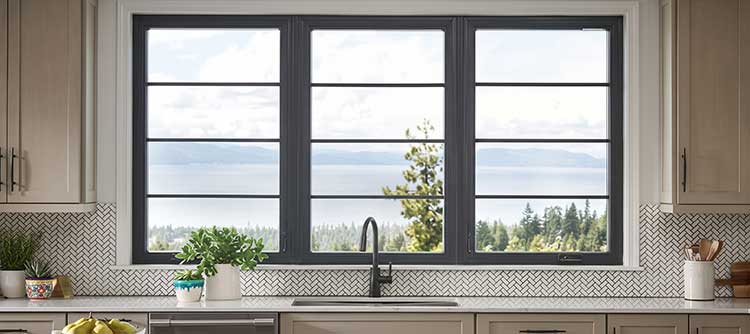
I spent months looking at options before choosing the Andersen 100 Series for my whole-house replacement.
The old aluminum windows leaked air and let in road noise, so I needed something better that would not force me into constant painting or repairs.
After talking with two local contractors and checking samples at a showroom, the Fibrex frames stood out for their thickness and solid feel compared with the vinyl units next to them.
Installation took three days for twelve openings. The crew worked cleanly and the new windows sat square in the existing frames with only minor shimming.
Within the first week I noticed the house held temperature longer. The thermostat ran less often even on days when the outside temperature swung twenty degrees.
Opening and closing the single-hung units felt smooth once the balance systems settled in, and the lock hardware clicked with a firm sound rather than a cheap rattle.
Months later the real test came during a stretch of high winds and heavy rain. No water entered the tracks and the sashes stayed put without the flex I used to see in the old windows.
Cleaning took less time because the smooth surfaces wiped clean without special cleaners. Neighbors asked about the darker exterior color option I chose; it has held up without fading under afternoon sun.
Energy bills dropped enough that I recovered a noticeable portion of the cost within the first year.
Minor items like the occasional need to wipe dust from the weatherstripping remain, yet overall the windows have performed better than the vinyl quotes I received at similar prices.
If you live in a climate with real temperature swings, you will likely notice the same stability I did once the units are in place and sealed properly.
Also Read: Is Alside Mezzo Windows Worth Your Money?
Pros of Andersen 100 Series Windows

- Fibrex Composite Strength And Stability The material mixes reclaimed wood fiber with thermoplastic polymer and delivers roughly twice the strength of ordinary vinyl. You get frames that resist warping and cracking through freeze-thaw cycles or intense heat. In my case the sashes stayed aligned after a hot summer and a cold snap without the gaps that appear in thinner vinyl. The low thermal expansion means seals stay compressed and drafts stay out longer than they do with pure plastic frames. Homeowners who replace failing vinyl often report the same solid feel when they operate the window for the first time.
- Low Maintenance Finish That Lasts Color runs through the material so you never need to paint or refinish the frames. A quick wash with mild soap keeps the surfaces looking fresh year after year. I have only wiped mine down twice since installation and the factory color still matches the original samples. Compared with wood windows that require staining every few years, the time savings add up quickly when you have more than a handful of openings. People who dislike climbing ladders for exterior upkeep find this one of the strongest reasons to choose the series.
- Solid Energy Performance For The Price Dual-pane Low-E glass options routinely reach U-factors in the mid-to-high 0.20s. You feel the difference as rooms stay more even and the furnace or air conditioner cycles less. In my home the reduction in drafts around the sashes cut monthly energy use enough to notice on the bill. Glass packages can be tailored for hot or cold climates, giving you options without jumping to the highest Andersen lines. Most owners in moderate to mixed climates report improved comfort within the first season.
- Brand Support And Transferable Coverage Andersen backs the glass for twenty years and the frame and hardware for ten years under the Owner-to-Owner limited warranty. The coverage moves with the house if you sell, which adds a practical selling point. Service through certified contractors has resolved the few issues I have heard about from neighbors without long delays. You gain the backing of a company that has manufactured windows for more than a century rather than a short-lived regional brand.
- Clean Modern Look Without Premium Cost The frames present a smooth, painted appearance that works with both contemporary and traditional exteriors. Dark color options hold up better than painted vinyl in sunny regions. I selected a dark exterior with a light interior and the contrast still looks intentional rather than faded. Neighbors often assume the windows cost more than they did because the profiles appear substantial. For replacement projects where you want an upgrade without full custom pricing, the aesthetic delivers everyday satisfaction.
Cons of Andersen 100 Series Windows
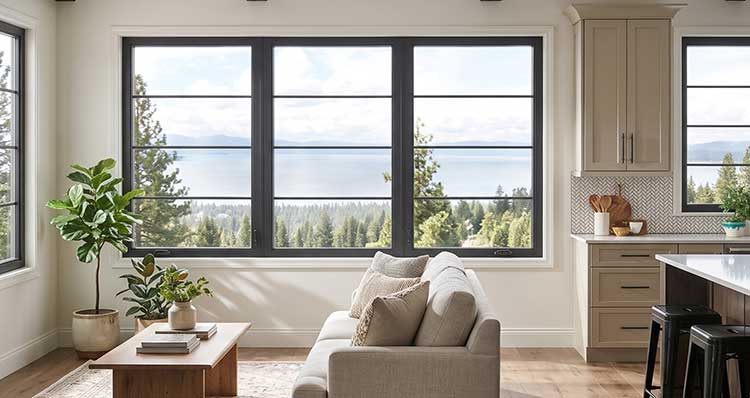
- Higher Price Than Basic Vinyl Installed costs typically run several hundred dollars more per opening than entry-level vinyl from other makers. You pay for the Fibrex strength and the Andersen name. In tight budgets the difference can push the project past what some homeowners planned to spend. Quotes vary by region and window size, yet the premium remains consistent across most markets.
- Limited Style And Size Options Bay and bow assemblies are not available, and very large openings or unusual shapes fall outside the standard range. Interior wood finishes are absent, so you cannot stain the sash to match existing trim. If your home needs specialty configurations or a true wood interior look, you will need to step up to another series. Standard replacements in typical ranch or split-level homes fit the available styles without trouble.
- Occasional Hardware And Fit Reports Some double-hung units have shown more sash play than expected, creating a slight rattle in strong wind. Plastic lock levers can feel lighter than metal hardware on higher lines. A few owners note that tilt latches require a deliberate pull before the sash closes fully. Proper installation reduces most of these concerns, yet the reports appear often enough that you should inspect sample units and confirm the installer checks operation before leaving the site.
- Efficiency Short Of Top-Tier Packages While the glass performs well for the price, air infiltration and U-factor numbers sit a step behind the best triple-pane or high-end Low-E options in other brands. Homes in extreme climates may still see benefit from upgrading glass packages or choosing a different series. You gain good rather than excellent thermal performance unless you select the available enhanced glass.
- Customer Service Variability A minority of buyers report slower responses on warranty claims or visible screws in certain flange configurations. Most issues resolve once a certified contractor is involved, yet the process can feel slower than expected if you purchased through a big-box retailer rather than a local Andersen dealer. Checking recent local reviews of both the product and the installer helps set realistic expectations.
Also Read: Is Marvin Replacement Windows Worth Your Money?
Maintenance And Tips For Andersen 100 Series Windows
- Routine Cleaning That Preserves The Finish Wipe the frames and glass with a soft cloth and mild soap solution twice a year. Avoid abrasive pads or solvent cleaners that can dull the surface. I keep a simple spray bottle of diluted dish soap ready and spend about ten minutes per window during spring and fall. The smooth Fibrex sheds dirt more easily than textured vinyl, so the job stays quick. Regular cleaning also lets you spot any early weatherstripping wear before it affects performance.
- Hardware Checks And Lubrication Operate each window fully open and closed every few months and listen for grinding or resistance. Apply a dry silicone spray to the balance systems and lock mechanisms once a year. Metal components benefit from a light coat of lubricant while plastic parts stay free of heavy oils. In my house the locks still click firmly after a year of regular use because I addressed minor stiffness early. Catching issues while they are small prevents larger repairs later.
- Weatherstripping And Seal Inspection Run your hand around the closed sash on a windy day to feel for air movement. Clean the weatherstripping with a damp cloth and replace any cracked sections promptly. Most 100 Series units use accessible strips that a homeowner can swap with basic tools. Proper sealing keeps energy performance high and reduces moisture risk around the frame. I check mine after heavy storms and have only needed to clean debris so far.
- Screen And Track Care Remove screens annually and rinse them with a hose. Vacuum the tracks to clear grit that can scratch the sash or bind the balance system. A small brush works well in the corners. Keeping tracks clear makes the windows operate as smoothly as the day they were installed. This step takes little time yet prevents the most common operational complaints.
- Seasonal Preparation For Extreme Weather Before winter, confirm locks engage fully and weatherstripping compresses evenly. In summer, check that drainage holes at the bottom of the frame remain open. The Fibrex material itself needs no special treatment, yet these small actions protect the glass seals and hardware. Homes in coastal or high-wind areas benefit from an extra inspection after major storms. Following these steps has kept my windows performing without unexpected service calls.
Comparison Andersen Window 100 Series With Other Window Brands
- Andersen 100 Series Vs. EcoView Windows

When I compared Andersen 100 Series units against EcoView options during my own search, the difference in backing became clear right away.
EcoView operates as a regional installer that often supplies vinyl windows from makers such as Simonton, focusing on competitive pricing and local crews.
You typically receive solid everyday vinyl performance at a lower installed cost than Andersen, and many homeowners report clean installations with noticeable noise reduction and energy improvement.
The 100 Series Fibrex frames, however, give you greater resistance to thermal expansion and a more rigid feel than standard vinyl.
In climates with wide temperature swings, that stability helps seals stay tighter over time.
EcoView can deliver good short-term value and flexible financing through its network, yet product consistency depends heavily on which series and installer you encounter.
I found that the Andersen name and documented Fibrex durability provided more predictable long-term behavior once the windows were in place, even if the upfront quote ran higher.
- Andersen 100 Series Vs. Costco Replacement Windows
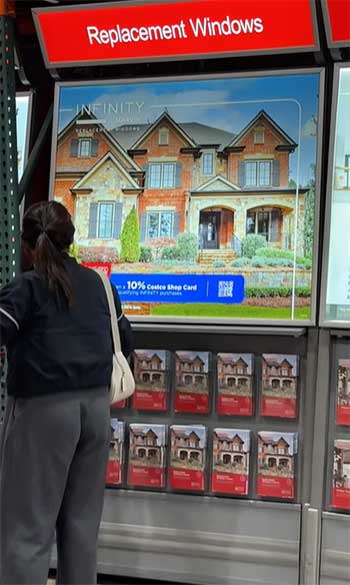
Costco partners with Infinity by Marvin for its window replacement service, bringing Ultrex fiberglass frames into the mix along with member pricing and occasional rebate options.
You gain the strength of pultruded fiberglass, which holds shape well and carries a thick acrylic finish, plus the convenience of buying through a familiar retailer.
Installation quality varies with the local contractor Costco assigns, and some buyers note that the process can feel less hands-on than working directly with an Andersen dealer.
The 100 Series sits at a more accessible price point for many standard openings while still offering composite strength well above basic vinyl.
Fibrex does not match Ultrex’s absolute rigidity or thermal stability numbers, yet it delivers reliable performance without requiring membership or navigating Costco’s vendor scheduling.
If you already shop at Costco and prefer fiberglass over composite, the Infinity route makes sense.
For most homeowners who want broad dealer availability and a known brand without the retail intermediary, the 100 Series kept the process simpler in my experience.
- Andersen 100 Series Vs. Marvin Essential Windows
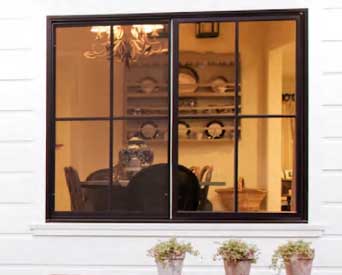
Marvin Essential windows use Ultrex fiberglass on both interior and exterior, giving them a clear edge in raw strength and low thermal expansion compared with Fibrex.
Marvin states Ultrex is significantly stronger than vinyl and expands less than wood-fiber composites, which helps maintain seal integrity in extreme heat or cold.
Both lines offer ENERGY STAR options, low-maintenance finishes, and similar glass packages, so energy performance lands close for standard dual-pane units.
Pricing for Essential typically runs higher than the 100 Series because Marvin sells primarily through specialized dealers rather than broad retail channels.
You also gain a fully transferable warranty that covers glass and components for similar periods.
The 100 Series wins on accessibility and cost for typical replacement projects, while Essential appeals if you prioritize maximum material rigidity and a more premium fiberglass profile.
Side-by-side samples showed me that Essential feels denser, yet the Fibrex units still operated smoothly and held their color well after a full year of exposure.
- Andersen 100 Series Vs. Kolbe Windows

Kolbe focuses on custom and luxury applications with extensive wood, aluminum-clad, and specialty options that allow unusual sizes, shapes, and architectural details.
You can order precise historical matches or large multi-panel assemblies that sit outside the 100 Series size range.
Kolbe’s build quality and insulation performance rank high for high-end projects, but the price climbs quickly once you move beyond stock configurations, and lead times are longer.
The 100 Series targets everyday replacements with standard styles and Fibrex construction that needs almost no upkeep.
It cannot match Kolbe’s customization depth or wood-interior warmth on higher lines, yet it covers the needs of most ranch, colonial, and contemporary homes at a fraction of the cost.
If your project involves standard openings and you value low maintenance over fully custom millwork, the 100 Series delivered the practical result I needed without the luxury markup. For architectural homes requiring unique profiles, Kolbe remains the stronger specialist choice.
Frequently Asked Questions (FAQ)
With proper installation and basic care they commonly last 20 to 30 years or more.
Most homeowners pay between 400 and 1500 dollars per window installed depending on size and location.
The 100 Series suits low-maintenance needs while the 400 Series offers wood interiors and more options at higher cost.
The 400 Series remains the most popular all-around choice for many homes, though the best series depends on your priorities.
Wrapping Up
You should buy Andersen 100 Series windows when you want durable, low-maintenance performance that improves comfort and holds value without the higher price of wood-interior lines.
The Fibrex construction has proven itself in my home through seasonal extremes, and the everyday ease of operation makes the choice worthwhile for most standard replacements.