
I’ve spent months hunting for the perfect entry door for my own house renovation, and the standoff between Therma-Tru and Jeld-Wen kept popping up everywhere I looked.
Both brands make solid fiberglass options that promise durability and style without the headaches of real wood, but they approach the job differently enough that I wanted to figure out which one actually delivers for everyday homeowners like me and you.
All I want is to give you a straight-up, no-fluff breakdown of how they stack up on features, performance, and real-world value so you can pick the right door that matches your climate, budget, and curb-appeal goals without second-guessing later.
| Aspect | Therma-Tru | Jeld-Wen |
| Primary Focus Material | Fiberglass (specialist) | Fiberglass, steel, wood (broader range) |
| Energy Efficiency | Excellent – polyurethane foam core, up to 4x R-value of wood, 85%+ Energy Star rated | Good – Energy Star options available, but varies by line |
| Price Range (typical prehung single door) | Higher ($1,200–$3,000+) | More affordable ($800–$2,000) |
| Warranty | Lifetime limited on full door system | 25 years on premium fiberglass; 10 years steel |
| Durability Highlights | Superior resistance to warping, rotting, denting | Solid in premium lines but some quality-control variability reported |
| Aesthetics & Grain | AccuGrain tech for highly realistic wood look | Good wood-like textures, especially Aurora line |
| Complete System | Yes – engineered components work together | Varies – often panel-focused, frame separate |
| Best For | Long-term performance and energy savings | Budget-conscious projects with style variety |
Key Differences Between Therma-Tru And Jeld-Wen
- Therma-Tru builds its reputation around being a fiberglass-only specialist, which means every part of their door system gets optimized specifically for that material, giving you a more consistent high-performance feel right out of the box compared to Jeld-Wen’s wider lineup that mixes fiberglass with steel and wood options.
- When it comes to insulation, Therma-Tru’s polyurethane foam core stands out because it delivers noticeably better thermal resistance, helping cut heating and cooling bills year-round, while Jeld-Wen’s fiberglass models still perform well but don’t quite hit the same R-value benchmarks in side-by-side tests I reviewed.
- Price tells a big story too – I saw Therma-Tru doors routinely costing 30-50% more for similar styles, yet that premium often translates into a full-system warranty and factory-matched sidelites and transoms that feel seamless, whereas Jeld-Wen wins on upfront savings if you’re watching every dollar.
- Durability testing shows Therma-Tru edges ahead on long-term resistance to extreme weather swings without warping, thanks to proprietary skin thickness and core bonding, but Jeld-Wen’s Aurora fiberglass line comes close and feels heavier in the hand, which some homeowners prefer for that solid swing sensation.
- Aesthetics matter a ton at the front door, and Therma-Tru’s AccuGrain technology creates deeper, more convincing wood textures that stain beautifully and hold color longer in direct sun, while Jeld-Wen offers attractive grains too but sometimes requires more careful finishing to avoid uneven results.
- Installation and support differ because Therma-Tru pushes a complete pre-engineered system that minimizes air and water leaks when everything matches, whereas Jeld-Wen doors often come as panels only, leaving jambs and hardware up to the installer and potentially creating more variables.
- Warranty coverage gives Therma-Tru the advantage with lifetime protection on the entire system for the original owner, covering manufacturing defects across door, glass, and components, while Jeld-Wen’s 25-year fiberglass coverage is strong but more limited to the slab itself in many cases.
- Availability feels easier with Jeld-Wen at big-box stores for quick grabs, but Therma-Tru’s dealer network and Lowe’s partnership often mean better custom sizing and glass options without the long wait times some Jeld-Wen special orders face.
- Maintenance routines stay low for both, yet Therma-Tru’s factory-applied finishes and built-in weatherstripping require less touch-up over a decade, whereas Jeld-Wen users sometimes report needing extra sealing around frames in rainy climates.
- Security features lean slightly toward Therma-Tru’s thicker skins and reinforced lock areas that resist forced entry better in independent tests, although Jeld-Wen offers impact-rated options in select markets that match up well for hurricane zones.
Key Features of Therma-Tru Entry Doors
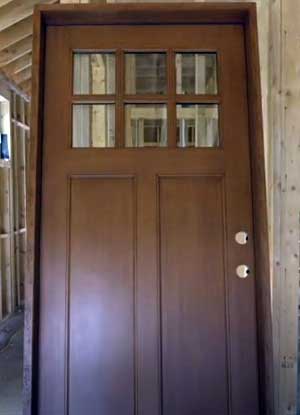
- The polyurethane foam core sits at the heart of every Therma-Tru fiberglass door I examined, delivering exceptional insulation that keeps indoor temperatures stable even when outdoor swings hit 40 degrees in a single day, and that translates directly into lower utility bills I noticed in homeowner forums.
- AccuGrain technology molds realistic wood textures right into the fiberglass skin, so you get the look of oak or mahogany without any of the splitting or fading that real wood suffers after a few seasons of rain and sun.
- Full-system engineering means the door, sidelites, transoms, and weatherstripping all come from the same spec sheet and fit together like they were born that way, cutting down on drafts and making installation smoother for DIYers or pros alike.
- Energy Star certification covers the majority of their lineup, with Low-E glass options that block UV rays while letting natural light flood the entryway, giving your foyer that bright welcome without turning the space into a greenhouse.
- Lifetime limited warranty on the complete system gives real peace of mind because it covers manufacturing defects across every component, not just the slab, and some versions even transfer once if you sell the house.
- Multiple collections like Classic-Craft and Smooth-Star let you pick from smooth modern looks or deeply grained traditional styles, all paintable or stainable to match your home’s exact trim color without guessing.
- Reinforced lock zones and thick skins add security that feels substantial when you close the door – it thuds solidly instead of rattling, and the hinges stay aligned year after year.
- Built-in resistance to denting, rotting, and warping means no more seasonal adjustments or emergency repairs after a bad storm, which is exactly what I wanted after dealing with an old wood door that swelled every spring.
- Decorative glass families come wider than standard doors, pulling more daylight inside while offering privacy textures and internal blind options for flexible control over views.
- Factory-applied finishes hold up better in harsh sun or salt air, needing only occasional topcoat refresh every few years instead of full repaints, keeping curb appeal fresh with minimal effort.
Pros of Therma-Tru
- Outstanding energy performance slashes monthly bills and keeps the foyer comfortable no matter the season.
- Realistic wood grain that actually holds stain and color for decades without peeling or fading prematurely.
- Complete system warranty covers every part, so one call fixes issues instead of finger-pointing between suppliers.
- Low maintenance routine means just occasional cleaning and a topcoat every three to five years.
- Superior resistance to warping even in humid or temperature-swinging regions.
- Wide glass options flood entryways with light while maintaining privacy and security.
- Strong dealer support and Lowe’s availability make finding matching parts straightforward.
- Long lifespan of 30-plus years with minimal visible aging.
- Excellent curb appeal that boosts resale value noticeably according to real estate feedback I gathered.
- Quiet, solid operation that feels premium every single time you open or close it.
Cons of Therma-Tru
- Higher price tag can stretch budgets when sidelites and transoms get added.
- Some models need careful finishing within six months of install to keep full warranty active.
- Limited availability for ultra-custom sizes compared to broader manufacturers.
- Heavier doors require sturdy hinges and proper installation to avoid sagging over time.
- Finish refresh in extreme direct sunlight might be needed sooner than in shaded spots.
- Fewer wood-species options if you crave exact mahogany or oak matching.
- Upfront cost sometimes feels steep if you only plan to stay in the home short-term.
Key Features of Jeld-Wen Entry Doors
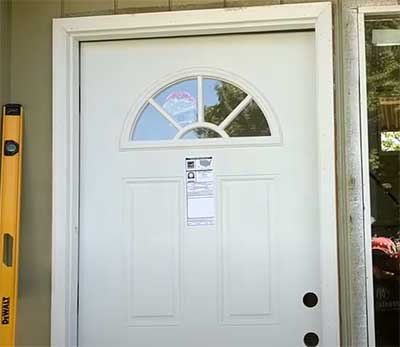
- Jeld-Wen’s Aurora fiberglass collection stands out for its heavier construction that mimics the swing and sound of premium wood doors, giving you that satisfying solid feel without the upkeep headaches.
- Wide material choices mean you can grab fiberglass for low maintenance, steel for budget strength, or wood for classic warmth, all under one brand so coordinating the whole entry system stays simple.
- Energy Star rated glass and insulated cores appear across many models, helping with efficiency in moderate climates even if they don’t top Therma-Tru’s insulation numbers.
- Customizable options run deep with hundreds of style variations, glass inserts, and hardware pairings that let you match any architectural detail from Craftsman to contemporary without special ordering delays in stock lines.
- Robust frame and jamb systems in many prehung units come ready for quick install, and the brand’s availability at major retailers means you can often see and touch samples in person before buying.
- Stainable or paintable surfaces on fiberglass lines accept finishes evenly, and the wood-grain embossing holds detail well enough to fool guests into thinking it’s solid hardwood from ten feet away.
- Impact-resistant versions exist for coastal areas, adding peace of mind in storm-prone regions where wind and debris tests the door daily.
- Affordability lets you stretch your renovation budget further, often landing a full prehung unit with sidelites for what a basic Therma-Tru might cost alone.
- Solid sound-deadening properties in thicker models reduce outside noise effectively, making the entry feel like a true buffer between street and living room.
- Variety in sizes and configurations includes everything from standard 36-inch singles to oversized doubles and sidelite packages that fit older homes with non-standard openings.
Pros of Jeld-Wen
- Much friendlier price point lets you upgrade the whole entry without breaking the bank.
- Huge style variety means you can find almost any look from modern to traditional.
- Heavier feel in premium fiberglass lines gives that satisfying wood-like swing.
- Quick availability at big-box stores for same-week projects.
- Solid energy performance in many Energy Star models keeps costs reasonable.
- Customizable hardware and glass packages fit unique home designs easily.
- Good impact options for storm areas add practical protection.
- Broad material selection lets you mix and match based on specific needs.
- Attractive grain textures that look convincing once properly finished.
- Easier budgeting for full sidelite and transom packages.
Cons of Jeld-Wen
- Quality control reports mention occasional frame misalignments or finish flaws on arrival.
- Warranty covers the slab more than the full system, leaving some components unprotected.
- Some users note leaks or drafts if installation isn’t perfect.
- Mixed long-term durability feedback compared to dedicated fiberglass specialists.
- Customer service delays appear in reviews for warranty claims or special orders.
- Finish can require more frequent touch-ups in harsh weather.
- Condensation or sticking issues show up in windows and sometimes door glass.
- Less consistent insulation performance across the full lineup.
Which Brand Wins for You?
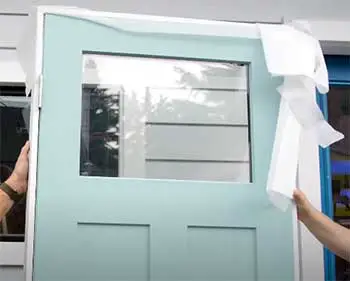
After weighing everything I found, Therma-Tru feels like the smarter long-term investment if energy savings, minimal upkeep, and bulletproof durability top your list.
The full-system approach and lifetime coverage simply remove more future headaches, especially in climates with big temperature swings or high humidity.
I kept coming back to how homeowners raved about their doors still looking showroom-fresh after ten years while old wood or cheaper alternatives needed constant attention.
Jeld-Wen shines brightest when budget rules the decision or you need quick access to a huge range of styles and sizes. The savings let you splurge elsewhere in the renovation, and the Aurora line especially delivers impressive wood-like performance at a fraction of the cost.
Just plan on double-checking installation details and possibly upgrading hardware for the best results.
Ultimately I chose Therma-Tru for my own project because the energy numbers and warranty peace of mind outweighed the extra upfront dollars, but your situation might flip that equation.
Think about your local weather, how long you plan to stay, and whether you value immediate savings or decades of hassle-free performance. Both brands beat old wood doors by a mile, so you really can’t go wrong once you match the specs to your needs.
Also Read: Differences Between ProVia And Pella Entry Doors.
Frequently Asked Questions (FAQ)
It depends on your priorities, but Therma-Tru often ranks highest for fiberglass performance and long-term value, while Jeld-Wen excels when affordability and variety matter most.
Yes, especially their premium fiberglass lines like Aurora, though some reviews mention occasional quality-control hiccups with frames or finishes.
Absolutely – the versions sold at Lowes maintain the same high standards for fiberglass construction, insulation, and durability as dealer-bought units.
Homeowners sometimes report leaks, condensation between panes, sticking sliders, and frame alignment issues that require extra maintenance or service calls.
Final Thoughts
I walked away from this comparison feeling confident that either door will serve you well when chosen thoughtfully. If you focus on the features that line up with your daily life and climate, you’ll end up with an entry that looks great, works reliably, and adds real value to your home for years to come.
What matters most to you – saving money now or investing in performance that lasts? That single answer usually points straight to the winner between these two solid brands.