
When I started researching patio doors for my own home renovation last year, I quickly realized how many options sit on the market.
After living with older aluminum sliders that stuck every winter and leaked cold air, I knew I needed something better.
This article walks through my full analysis of Pella versus Andersen patio doors so you can weigh materials, performance, pricing, and real-world feel before you spend thousands.
| Feature | Pella Patio Doors | Andersen Patio Doors |
| Primary Materials | Fiberglass (Impervia), wood (Lifestyle/Reserve), vinyl | Fibrex composite (100 Series), wood with vinyl/fiberglass cladding (200/400/A-Series) |
| Starting Installed Price Range (single 6-ft slider) | $1,600–$3,200 | $1,800–$3,500 |
| Energy Performance | Strong Low-E + argon options; Lifestyle series often tops energy scores | Excellent Fibrex insulation; A-Series frequently ranks highest for overall efficiency |
| Strength Highlights | Multi-layer fiberglass claimed far stronger in bend and impact tests | Fibrex twice as strong as vinyl; resists salt air and temperature swings well |
| Warranty Snapshot | Limited lifetime on many fiberglass and wood lines for frames; 20-year glass | 20-year glass; 10–20 years on frames/finishes depending on series; transferable Owner-to-Owner options |
| Best Known For | Fiberglass durability and value | Material variety and coastal performance |
| Customization | Wide color and multi-panel choices, especially Architect/Reserve | Extensive wood species, finishes, and between-glass blinds |
Key Differences Between Pella And Andersen Patio Doors
- Materials and Construction Philosophy
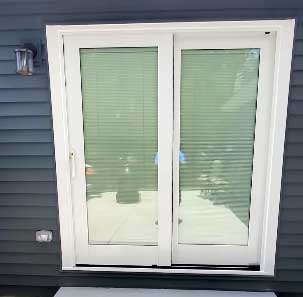
Pella leans hard into its proprietary multi-layer fiberglass for the Impervia line.
That material stays rigid in heat and cold, resists dents, and does not conduct temperature the way aluminum does.
When I ran my hand along sample frames at a showroom, the fiberglass felt solid and dense.
Andersen answers with Fibrex, a blend of reclaimed wood fiber and polymer that the company says is twice as strong as standard vinyl.
Fibrex does not warp or expand the way pure vinyl can, and it handles coastal salt air without the corrosion worries that plague metal.
Wood interiors appear on both brands’ mid- and upper-tier lines, yet Andersen offers more species and stain choices while Pella pairs wood with aluminum or fiberglass cladding more often.
The practical difference shows up in climate: if you live near the ocean, Fibrex’s track record against salt and humidity edges ahead; inland or in extreme temperature swings, Pella’s fiberglass strength claims become more relevant.
- Price Positioning and Value Curve
Across the quotes I collected, Pella consistently came in 15 to 30 percent lower than comparable Andersen units once installation entered the picture.
A basic vinyl or entry fiberglass Pella slider installed sat near the lower end of the range, while Andersen’s equivalent Fibrex 100 Series started higher. Premium lines close the gap.
Andersen’s A-Series and Pella’s Reserve or Architect Series both climb into the multi-thousand-dollar territory once you add impact glass, custom sizes, or multi-panel configurations.
The difference is less about absolute sticker shock and more about where each brand places its sweet spot. Pella gives you stronger mid-range performance for the dollar; Andersen asks you to pay more for its composite technology and broader finish palette.
- Energy Efficiency and Thermal Performance
Both brands deliver ENERGY STAR-rated products with Low-E coatings and argon or krypton fills. In the tests and reviews I studied, Pella’s Lifestyle sliding door frequently posted the highest energy scores among comparable models.
Andersen’s A-Series, with its wood core protected by fiberglass exterior, often led in overall structural and thermal balance. Fibrex itself provides continuous insulation because the material does not create thermal bridges the way aluminum can.
In my climate, that translates to less condensation on the interior glass during cold snaps and cooler surfaces in summer. Triple-pane options exist on both sides, yet availability and cost vary by series and region.
- Style Range and Configuration Flexibility
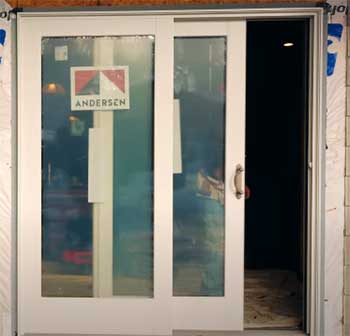
Andersen offers a deeper catalog of panel counts and hardware looks across its series.
The 400 Series Frenchwood remains one of the most popular choices for traditional homes, while the A-Series supports both contemporary and classic panel styles.
Between-glass blinds appear more readily on Andersen units, a feature that eliminates dusting and keeps cords away from children and pets.
Pella counters with multi-slide systems that can run up to ten panels in some Architect and Hurricane Shield configurations.
That openness creates a nearly wall-less feel when fully open.
Grille patterns, exterior colors, and interior stains are plentiful on both, yet Andersen’s wood species list runs longer and Pella’s fiberglass color selection stays tighter on the Impervia line.
- Warranty Structure and Service Reality
Pella advertises limited lifetime coverage on many fiberglass and wood frames, with twenty-year glass protection. Andersen typically provides twenty years on glass and ten to twenty years on frames and exterior finishes, depending on the series, plus transferable Owner-to-Owner terms on selected lines.
In practice, response times and approval rates matter as much as the printed years. Independent installers I spoke with reported slightly faster claim handling from Andersen in coastal markets.
Pella’s showroom network can feel more accessible for initial questions, while Andersen’s Renewal by Andersen channel bundles design, manufacture, and installation under one roof for replacement projects.
- Installation and Long-Term Ownership Feel
Neither brand is a pure DIY product for most homeowners. Proper flashing, leveling, and weather sealing determine how long any patio door performs. Andersen’s Fibrex frames stay dimensionally stable, which helps rollers stay aligned season after season.
Pella’s fiberglass resists deflection under heavy use and high winds. After installation, maintenance stays low on both: occasional cleaning of tracks, lubrication of rollers, and inspection of weatherstripping. The ownership difference appears in how each door feels under the hand.
Andersen rollers often glide with a quieter, more consistent motion in the mid-tier lines I tested. Pella’s Impervia panels feel denser and more solid when closed.
Key Features of Pella Patio Doors
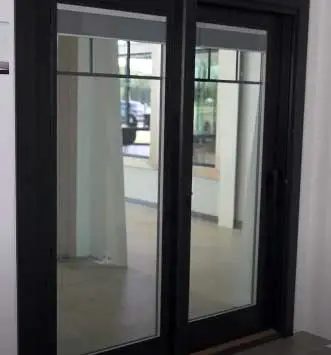
- Impervia Fiberglass Construction The five-layer fiberglass used in Impervia doors forms the backbone of Pella’s durability story. Foam-filled sash and frame sections add insulation while keeping weight manageable. Low-profile sills reduce trip hazards and still manage water effectively. Enhanced security hardware comes standard on many models, including multipoint locks that engage at several points along the frame. I appreciated the clean modern lines and the fact that the material does not require painting or staining.
- Lifestyle Series Wood Performance Lifestyle doors combine wood interiors with strong energy and acoustic packages. Dual- and triple-pane glass options, together with advanced weatherstripping, cut outdoor noise noticeably. Integrated technology features such as between-glass shades appear on select configurations. The wood can be stained or painted to match existing trim, giving a warmer interior presence than pure composite or vinyl.
- Reserve and Architect Series Customization These upper lines open the door to nearly unlimited exterior colors, wood species, and multi-panel arrangements. Hurricane-rated impact glass options protect against wind-borne debris in coastal zones. Multi-slide systems create dramatic openings that turn a living room into an outdoor room. Hardware finishes range from classic to modern, and security sensors can integrate with home automation systems.
- Vinyl and Entry-Level Options The 250 Series and Encompass lines deliver solid performance at lower price points. They suit budget-conscious replacements where extreme durability is secondary to cost and basic energy efficiency. Color choices remain practical rather than expansive, yet the doors still carry Low-E glass and reliable hardware.
- Screens and Accessory Ecosystem InView screens maximize light and airflow while keeping insects out. Retractable and swinging screen options exist depending on the series. Handles come in multiple styles so the door can match the rest of the home’s hardware.
Pros of Pella Patio Doors
- Superior Perceived Strength in Fiberglass Independent tests cited by the company show the multi-layer fiberglass outperforming composite materials in bend and impact resistance by wide margins. In real use, that translates to doors that stay square and resist dents from everyday bumps or storm debris. Homeowners in high-wind regions often report confidence in the frame’s rigidity.
- Strong Value Proposition Lower average installed costs compared with Andersen let more of the budget go toward better glass packages or multi-panel configurations. You can step into a high-performing fiberglass door without stretching into the absolute premium tier.
- Excellent Energy Scores on Lifestyle Models Lab and field data frequently place certain Pella Lifestyle sliding doors at the top of energy performance charts. Lower heating and cooling bills become noticeable within the first season, especially in mixed climates.
- Broad Multi-Panel Capability Architect Series multi-slide systems can create openings far wider than standard two-panel doors. The visual and lifestyle impact of a fully open wall of glass ranks high for people who entertain outdoors or simply want unobstructed views.
- Accessible Showroom Experience Pella maintains a large network of showrooms where you can touch samples, operate working doors, and speak with specialists without a high-pressure sales process. That hands-on step helped me compare frame thickness and hardware feel directly.
- Limited Lifetime Coverage on Key Components Many fiberglass and wood lines carry lifetime frame protection against manufacturing defects. Combined with twenty-year glass coverage, the paperwork provides solid long-term reassurance.
Cons of Pella Patio Doors
- Narrower Color Palette on Impervia Fiberglass Impervia doors typically offer fewer exterior color choices than Andersen’s higher series. If your exterior design demands a very specific shade, you may need to move up to a wood-clad line and pay more.
- Installation Dependent on Local Contractors Unlike Andersen’s Renewal channel, Pella relies more heavily on authorized independent installers. Quality can vary by crew, so references and site visits become essential.
- Mixed Feedback on Mid-Tier Vinyl Lines Entry vinyl options sometimes receive comments about lighter construction compared with the fiberglass or wood lines. They perform adequately but do not match the solid feel of the premium series.
- Claim Processing Can Take Longer Some owners report slower response times on warranty claims compared with Andersen, particularly outside major metro areas. Documentation and persistence help, yet the wait can frustrate.
- Higher-End Wood Models Approach Andersen Pricing Once you select Reserve or Architect Series with impact glass and custom finishes, the cost advantage shrinks. At that point the decision turns more on aesthetics and local installer expertise than pure price.
Also Read: Comparison of Marvin And Andersen Patio Doors.
Key Features of Andersen Patio Doors
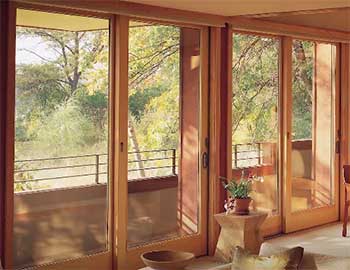
- Fibrex Composite Technology Fibrex forms the core of the 100 Series and appears as cladding or reinforcement in higher lines. The material combines roughly forty percent reclaimed wood fiber with polymer, producing a product twice as strong as vinyl and far more stable under temperature extremes. It will not flake, blister, peel, or rot under normal conditions. The finish stays consistent for decades with minimal care.
- Series Ladder of Performance The 100 Series targets value buyers who still want better-than-vinyl strength. The 200 Series adds wood interiors with vinyl or Perma-Shield exteriors. The 400 Series Frenchwood remains the volume leader, offering natural wood interiors, optional between-glass blinds, and proven weather performance. A-Series sits at the top with engineered lumber cores, fiberglass exteriors, and superior energy numbers. E-Series brings aluminum exteriors for contemporary looks.
- Between-Glass Blinds and Shades This feature stands out for households with kids or pets. The blinds never collect dust, never get tangled, and never pose a cord hazard. Raising, lowering, and tilting happens with a simple control. Once ordered, the blinds stay inside the sealed glass unit for the life of the door.
- Security and Smart Options VeriLock sensors and multipoint locking systems appear across the lineup. Integration with home security platforms is straightforward on higher series. Hardware choices include contemporary levers and traditional handles in multiple finishes.
- Sill and Weather Management Design One-piece fiberglass sills on premium models channel water away effectively and add structural rigidity. Continuous weatherstripping and interlocking meeting stiles keep air and water infiltration low. The result is a door that stays quiet and draft-free even in high winds.
Pros of Andersen Patio Doors
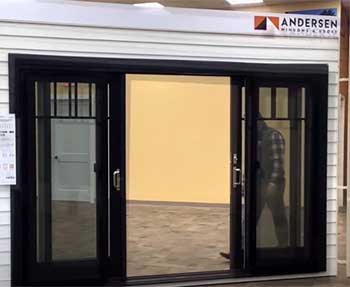
- Proven Fibrex Stability Across Climates Fibrex holds its shape through freeze-thaw cycles and resists salt corrosion better than many alternatives. Coastal installers I consulted preferred it for homes within a few miles of the ocean.
- Exceptional Finish and Wood Options Higher series offer multiple wood species, stains, and paints that let the door match existing millwork precisely. Exterior colors number in the dozens on E-Series and A-Series, giving design flexibility.
- Between-Glass Blinds Convenience The sealed blinds eliminate a major maintenance chore and improve child and pet safety. Once you live with them, returning to external blinds feels like a step backward.
- Strong Structural Ratings on A-Series Independent evaluations have ranked Andersen A-Series hinged patio doors highly for structural integrity. The combination of engineered lumber and fiberglass exterior delivers both strength and thermal performance.
- Transferable Warranty Options Owner-to-Owner terms on selected products add resale value. Future buyers receive the remaining protection, which can ease negotiations when you sell.
- Consistent Gliding Operation Many users, including myself after testing samples, note smoother, quieter roller performance that stays consistent year after year when properly maintained.
Cons of Andersen Patio Doors
- Higher Average Installed Cost Comparable configurations routinely run 15 to 30 percent more than Pella. Budget-conscious projects may need to step down in series or forgo certain upgrades.
- Premium Pricing for Popular Features Between-glass blinds, impact glass, and custom wood species push the total quickly into upper ranges. The features deliver real benefits, yet they are not inexpensive.
- Sales Process Through Renewal Can Feel Intense Some homeowners describe high-pressure presentations when dealing with the full-service Renewal by Andersen channel. Independent dealers offer a milder experience, but availability varies.
- Limited Pure Fiberglass Options While fiberglass appears as cladding, Andersen does not emphasize an all-fiberglass line the way Pella does with Impervia. Buyers seeking maximum strength-to-weight in a non-composite material may lean elsewhere.
- Availability of Certain Configurations Not every series supports every panel count or size in every market. Lead times for custom A-Series or multi-panel units can stretch longer than standard two-panel orders.
Also Read: Differences Between Sliding And French Patio Doors.
Frequently Asked Questions (FAQ)
Both Pella and Andersen produce high-quality products; the highest quality depends on the specific series and your climate needs rather than the brand name alone.
No. Pella models typically cost less than comparable Andersen units while still delivering strong performance and durability.
Independent testing has highlighted Andersen A-Series hinged doors for structural integrity and Pella Lifestyle sliding doors for energy performance among popular models.
No. Pella generally runs 15 to 30 percent less expensive than similar Andersen patio doors once installation is included.
Final Thoughts
I began this comparison simply wanting a patio door that would open smoothly, keep the weather out, and look good for the next twenty years.
After weighing materials, pricing, energy numbers, warranties, and actual feel under my hand, I see clear strengths on both sides. Pella gives you impressive fiberglass strength and better everyday value.
Andersen offers Fibrex stability, richer finish choices, and convenient features like between-glass blinds. Your climate, budget, and design goals decide the winner more than any absolute ranking.
Measure your opening carefully, get at least three detailed quotes that include installation, and operate sample doors yourself before you commit.
The right choice will make every walk into the backyard feel easier and every winter night quieter. You now have the detailed picture I wished I had at the start. Use it to pick the door that fits your home and your life.