
I needed to replace the drafty windows in my house and kept running into the same two names.
After gathering quotes, checking specs, and talking with people who already own each brand, I put together this side-by-side look so you can see where each one actually delivers and where the trade-offs sit.
The goal is simple: give you a clear, real-world sense of which option fits different homes, budgets, and priorities.
| Feature | Milgard | Pella |
| Main Materials | Vinyl, fiberglass, aluminum | Vinyl, fiberglass, wood/clad wood |
| Typical Price Level | Mid-range, often 10-20% lower | Mid to high-end |
| Warranty Style | Full lifetime (original owner) | Limited lifetime, shorter labor |
| Best Strength | Value + warranty in vinyl/fiberglass | Style range and wood options |
| Availability | Mostly Western US | Nationwide |
| Energy Focus | Strong SunCoat Low-E options | Wide Low-E and triple-pane choices |
| Ideal For | Value-focused full-house replace | Custom looks and broader selection |
Key Differences Between Milgard And Pella Windows
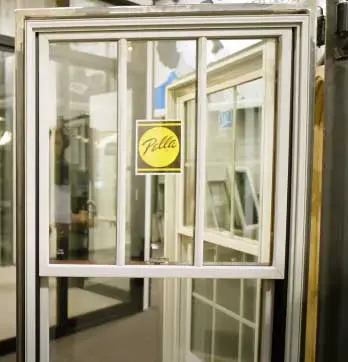
- Material focus sets them apart right away. Milgard builds around vinyl, fiberglass, and thermally improved aluminum frames that stay stable without the maintenance of wood, which means less upkeep for most owners. Pella covers those same synthetic options but also offers true wood and aluminum-clad wood lines that give a warmer interior look many people prefer in traditional or higher-end homes, especially when matching existing trim or aiming for a classic feel.
- Price and value lean toward Milgard for comparable vinyl and fiberglass units. Quotes I saw put Milgard 10 to 20 percent below similar Pella vinyl windows, while Pella’s wood series sit at the top of the market. That gap matters when you are doing every window in the house, because the savings can cover other upgrades or simply keep the project within budget.
- Warranty coverage favors Milgard on paper. Many of its lines carry a full lifetime warranty for the original homeowner that includes parts and labor, and glass breakage on premium series, giving longer peace of mind. Pella’s limited lifetime warranties cover non-glass parts for the original owner but usually limit labor coverage to the first couple of years, so later issues can cost more out of pocket.
- Geographic reach is the opposite. Pella has showrooms and dealers across the country, making it easier to see products and get service no matter where you live. Milgard concentrates on the western states, so service and availability drop off once you leave that region, and finding a reliable dealer becomes harder.
- Style range is wider with Pella. You can stay with one brand from budget vinyl up through architect-grade wood, which helps if your project mixes different rooms or phases. Milgard keeps a tighter, more focused lineup that is easier to navigate but offers fewer interior finish choices and less flexibility for custom architectural details.
- Energy performance is close on well-specified units. Both offer Low-E glass, argon fills, and triple-pane options on select lines. Milgard’s SunCoat and SunCoatMAX coatings often prioritize lower solar heat gain, which helps in warmer climates by cutting afternoon heat, while Pella’s higher-end packages can push U-factors lower for cold regions and better overall insulation.
Also Read: Comparison of Retrofit Windows And Replacement Windows.
Key Features of Milgard Windows
- SunCoat and SunCoatMAX Low-E glass coatings reduce heat gain while still letting in plenty of light. In warm or mixed climates this keeps interiors cooler without darkening the rooms, and it pairs well with the vinyl and fiberglass frames that hold their shape.
- Full lifetime warranty on many series covers the frame, sash, hardware, and labor for as long as the original buyer owns and occupies the home. Premium lines often add accidental glass breakage coverage, which removes a common long-term expense for owners who stay in the house.
- Fiberglass Ultra series resists expansion and contraction better than vinyl, which helps seals stay tight through big temperature swings and reduces the chance of air or water leaks over the years.
- Slim-frame Trinsic vinyl options maximize glass area for a cleaner, more modern look without sacrificing structure. These work especially well in contemporary homes where you want more view and less frame visual weight.
- Vertical integration means Milgard controls much of its manufacturing, which can lead to consistent quality and faster local supply in its core markets, cutting down on wait times for custom sizes in the western states.
- Multiple operating styles including double-hung, casement, sliding, and specialty shapes with custom sizing available through dealers. This covers most residential needs without forcing you into a limited set of standard sizes.
- Aluminum options with thermal breaks for contemporary homes that want narrow profiles and high durability. These stay strong in high-use areas and resist corrosion better than older aluminum designs when the thermal break is properly specified.
Pros of Milgard Windows
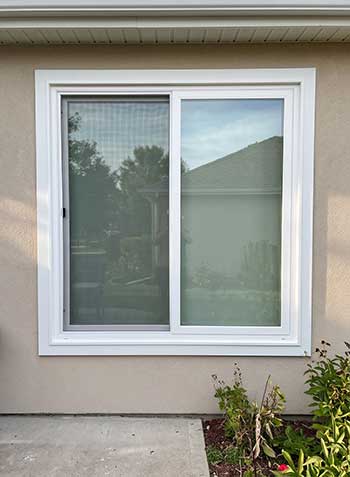
- Strong value for the performance you get. In quotes I reviewed, comparable vinyl and fiberglass units from Milgard came in noticeably lower than Pella while still meeting Energy Star levels and local codes, which adds up across a full-house job.
- Warranty that actually covers labor for the original owner on key lines. That removes the surprise repair bill years later if a seal fails or hardware needs replacement, and it stands out against many competitors that stop covering labor early.
- Excellent durability in vinyl and fiberglass. The Ultra fiberglass holds up well against warping, and the vinyl lines resist moisture without painting, so you spend less time on upkeep compared with wood options.
- SunCoat glass works particularly well in sunny, cooling-dominated regions by cutting solar heat gain without killing natural light. Rooms stay more comfortable in the afternoon without relying as heavily on air conditioning.
- Cleaner modern profiles on Trinsic and certain aluminum lines that suit contemporary architecture. The narrower frames let in more light and give a less bulky look that matches newer home styles.
- Positive long-term ownership feedback in western markets where local service is strong and dealers know the products. Many owners report quiet operation and steady performance after several years.
- Custom sizing and a practical range of styles that cover most residential needs without overwhelming choices. You get what you need for standard replacements without wading through dozens of unrelated high-end options.
Cons of Milgard Windows
- Limited geographic availability. Outside the western states it can be hard to find dealers, and warranty service is restricted or unavailable, which leaves owners in other regions with fewer options if something goes wrong later.
- Mixed real-world warranty experiences. Some owners report smooth replacements for fogged glass; others describe claim denials, delays, or being sent back to the installer, so results depend on the specific issue and local support.
- Occasional hardware and seal issues. Reviews mention rollers that wear early, screens that bow, and insulated glass that clouds after several years, which can lead to repair calls even on newer units.
- No wood or clad-wood options if you want a natural interior finish. You are limited to vinyl, fiberglass, or aluminum, which may not match the look you want in certain rooms or older homes.
- Pricing is not published, so you have to request quotes through dealers to compare accurately. This makes side-by-side shopping slower when you are trying to weigh multiple brands at once.
- Installation quality depends heavily on the independent dealer, and poor installs can create problems that the manufacturer warranty does not cover. A bad fit or sealing job can cause drafts or leaks regardless of the window itself.
- Finish fading on certain colors, especially south-facing exposures, has been reported by some homeowners. Darker finishes can show the change more clearly over time under strong sun.
Also Read: Comparison of Pella And Renewal by Andersen.
Key Features of Pella Windows
- Wood and clad-wood lines (Lifestyle, Architect, Reserve) deliver natural interior finishes with aluminum exteriors that protect against weather. These are the go-to when you want classic detailing or to match historic homes, and the cladding helps them last longer outdoors than bare wood.
- Impervia fiberglass series is strong, stable, and available in a wide color range with good thermal performance. It holds up well against warping and offers a solid middle ground between vinyl ease and wood aesthetics.
- Integrated between-the-glass blinds and shades on select models eliminate dusting and give clean lines. You control light and privacy without extra hardware inside the room, which many owners appreciate for low-maintenance living.
- Broad energy packages that include advanced Low-E coatings, triple-pane glass, and options tuned for both heating and cooling climates. This lets you match the glass more closely to local conditions instead of settling for a one-size approach.
- Nationwide dealer and showroom network makes it easy to see products in person and get consistent support almost anywhere. You can compare samples side by side before ordering and usually find service without long travel.
- Custom grille patterns, hardware finishes, and size flexibility that let you match architectural details closely. This is useful for remodels where the windows need to blend with existing trim or historic character.
- Some lines support smart-home integrations and impact-resistant options for coastal or high-wind areas. These add convenience or extra protection when your location calls for them, though they raise the cost.
Pros of Pella Windows
- Widest material and style selection of the two. You can choose budget vinyl, solid fiberglass, or premium wood under one brand and keep a consistent look, which simplifies larger projects that span different rooms or phases.
- Wood interiors create a warmer, higher-end appearance that many people prefer and that can support home value in traditional neighborhoods. The natural grain and paintability appeal when you want something beyond synthetic frames.
- Nationwide availability means you can visit showrooms, compare options in person, and get service almost anywhere. This reduces the risk of being stuck with a brand that has thin local support.
- Strong innovation in features such as between-the-glass blinds and advanced energy packages that meet tight local codes. These extras solve practical problems like dust and privacy without adding separate treatments.
- Solid reputation for craftsmanship on the higher lines, with long company history backing the products. Many owners feel confident choosing the premium series because the brand has been around for decades.
- Flexible customization for grilles, colors, hardware, and sizes that help match existing architecture or design goals. You can get closer to the exact look you want instead of settling for standard options.
- Good performance across climates when you select the right glass package for your region. The range of Low-E and multi-pane choices lets you tune the windows more precisely than a narrower lineup.
Also Read: Comparison of Retrofit And New Construction Windows.
Cons of Pella Windows
- Higher cost on comparable vinyl and fiberglass units, and significantly higher on wood series. Full-house projects add up quickly, and the premium for style or features can push the total well beyond mid-range alternatives.
- Labor coverage on warranties is typically limited to the first two years, so later repairs fall to the homeowner or installer. This means you may pay for service calls after the initial period even if the part itself is covered.
- Customer service experiences vary by dealer. Some owners report delays, communication gaps, or difficulty getting timely warranty help, which can frustrate people when a problem appears after installation.
- Entry-level vinyl lines do not always match the thermal or build quality of better mid-range options from other makers. The lowest series can feel lighter or perform less efficiently than expected in extreme weather.
- Wood windows require more care even with cladding, and moisture issues can appear if installation or maintenance is neglected. You still need to watch for swelling or finish wear over time compared with fully synthetic frames.
- Not every series carries the same warranty terms, so you have to read the specific coverage carefully. The details change by material and line, which makes it easy to assume broader protection than you actually receive.
- Some older casement hardware has had higher failure rates according to long-term owners. Cranks and operators on certain past models wore out sooner than expected, leading to repair or replacement costs.
Energy Efficiency and Everyday Performance
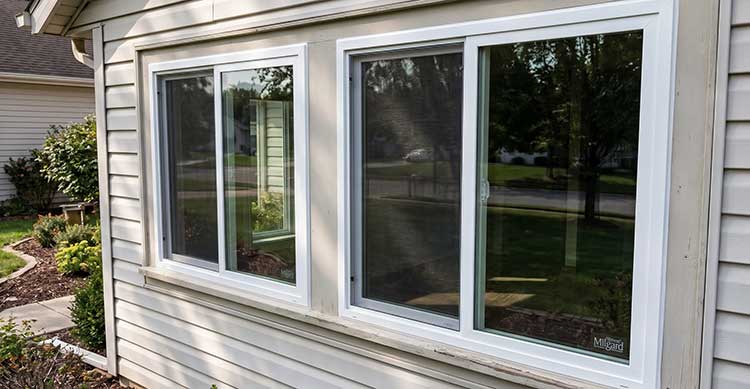
Both brands deliver solid energy numbers when you choose the right glass and frame. I compared similar double-hung and casement units and saw U-factors in the mid-to-low 0.20s and SHGC values that can be tuned for the climate.
Milgard’s standard SunCoatMAX often favors lower solar gain, which reduced afternoon heat in warmer rooms I checked. Pella’s higher packages, especially with triple-pane, can edge out on pure insulation for colder winters.
Air leakage ratings on both stay very low when the windows are installed correctly. Real-user feedback consistently mentions quieter rooms and more stable indoor temperatures after replacement, with the biggest differences coming from proper installation rather than the brand name alone.
Which One Fits Different Situations?
If your priority is covering every window in the house at a strong value with a lifetime warranty that includes labor, and you live in the western states, Milgard usually comes out ahead.
If you want wood interiors, maximum style choices, or nationwide support, Pella gives you more room to match the look of your home.
In mixed or colder climates where you plan to upgrade glass packages, the performance difference shrinks and the decision often lands on materials and service network. Both can last 20 to 30 years with decent installation and normal care.
Also Read: Comparison of Marvin And Milgard Windows.
Frequently Asked Questions (FAQ)
Common issues include fogged glass from seal failure after several years, hardware wear such as rollers or locks, occasional finish fading on certain colors, and warranty claim delays or denials that send owners back to the installer. Installation quality also varies by dealer.
Andersen, Pella, and Marvin consistently rank among the most recognized and trusted national brands based on market presence, reviews, and homeowner surveys. Milgard often appears high for value in its western markets.
No. Milgard focuses on solid mid-range to upper-mid vinyl and fiberglass rather than true high-end wood or custom architectural lines. Its premium series offer strong performance and warranties but do not compete in the luxury wood segment.
Yes. They are generally viewed as good quality for the price, with durable frames, effective energy coatings, and a strong warranty. Real-world results depend on the specific series and the installer, but they hold up well for most homeowners who choose them.
Wrapping Up
After looking at the specs, the warranties, the price differences, and the experiences of people who already own each brand, I see clear places where each one makes sense.
You should match the choice to what matters most in your own house: the materials you want to live with, the climate you face, the warranty protection you prefer, and how easily you can get service later.
Either brand can give you better comfort and lower energy use than old single-pane windows, but the better fit depends on those practical details rather than a simple ranking.