
I have weighed the options carefully after looking at countless home upgrade decisions, and this piece lays out exactly how retrofit windows stack up against full replacement windows so you can choose the path that fits your house, budget, and long-term comfort goals.
| Aspect | Retrofit Windows | Replacement Windows |
| Installation Method | New unit fits inside existing frame | Old frame removed; full new unit installed |
| Project Time | Usually 1 day or less | 1–3 days depending on openings |
| Cost Range | Lower upfront | Higher due to labor and materials |
| Energy Performance | Good if frame is sound | Excellent with modern sealed systems |
| Structural Impact | Minimal disturbance to walls and trim | More invasive; may require drywall/trim work |
| Aesthetic Flexibility | Limited by original frame shape | Full design freedom |
| Longevity Expectation | 15–25 years typical | 20–40 years with quality materials |
| Best For | Sound frames, quick upgrades | Damaged frames, maximum efficiency gains |
Also Read: Window Replacement Cost Estimator: Compare Full-Frame vs. Pocket Replacement.
Key Differences Between Retrofit Windows and Replacement Windows
- Frame Retention Versus Complete Frame Removal

Retrofit windows keep the original outer frame in place and simply slide a new sash and glass unit into that existing opening.
This approach leaves the surrounding wall structure untouched, which means less dust, less noise, and almost no risk of damaging exterior siding or interior drywall.
Replacement windows demand that the entire old frame comes out.
Crews cut away the old jambs, sills, and sometimes the exterior casing so the new unit can sit flush against the rough opening.
That extra step opens the wall cavity and often reveals hidden issues such as water damage or outdated insulation, but it also lets the new window sit in a perfectly square, properly flashed opening.
- Labor Intensity And Job-Site Disruption
Because retrofit work stays inside the existing frame, installers usually finish an average-size house in a single day.
Furniture stays put, rooms remain usable, and the mess stays confined to drop cloths under each window.
Full replacement requires more time: measuring the rough opening, removing the old unit, repairing any rot or gaps, installing the new frame, and then finishing the interior and exterior trim.
Expect two or three days of activity, temporary plastic barriers, and possible overnight stays if the weather turns bad.
- Long-Term Performance Ceiling
A retrofit window inherits whatever condition the original frame is in.
If the old wood or vinyl has warped, the new unit may never seal as tightly as a factory-built replacement.
Replacement windows start with a clean slate; modern frames arrive with multi-chamber profiles, continuous weatherstripping, and integrated nailing fins that create a continuous air and water barrier.
That difference shows up in lower drafts, quieter rooms, and better resistance to condensation over the decades.
- Design And Sizing Constraints
Retrofit options must match the exact dimensions of the existing opening, so odd-shaped or non-standard windows can limit your choices.
Replacement windows let you change sizes slightly, switch from double-hung to casement, or even combine two openings into one larger unit.
The extra freedom comes at a higher price and more structural work, yet many homeowners value the ability to update the entire look of the façade.
- Warranty And Future Service Access
Most retrofit products carry solid glass and hardware warranties, yet the bond between the new unit and the old frame sits outside the manufacturer’s control.
If the original frame later fails, the warranty may not cover the resulting air leaks. Replacement windows usually include a full-system warranty that covers frame, glass, and installation when done by a certified crew.
That broader coverage gives peace of mind for twenty years or longer.
Also Read: A Homeowner’s Experience With Gilkey Windows.
Key Features of Retrofit Windows
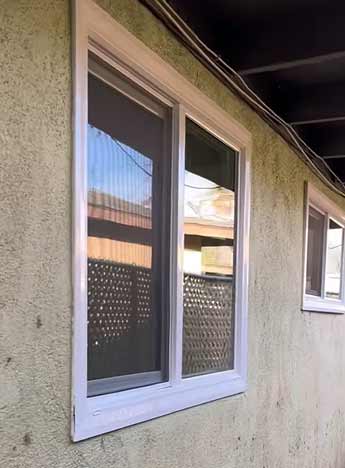
- Slim profile that preserves original architecture The new sash sits inside the existing frame, so the exterior appearance of the house changes very little. Historic homes and neighborhoods with strict design rules often prefer this approach because the original brickmold and exterior trim remain intact. The glass area may shrink by half an inch or so on each side, yet the overall look stays true to the building’s character.
- Quick-install hardware packages Most retrofit systems arrive with pre-applied weatherstripping, integrated locks, and adjustable balance systems that let the sash operate smoothly right after the installers walk out the door. Many models also include tilt-in sashes for easy cleaning from inside the room—an upgrade many older windows never offered.
- Multi-pane glass options with modern coatings Even though the frame stays old, the glass package is brand new. Low-emissivity coatings, argon or krypton gas fills, and warm-edge spacers deliver energy numbers that older single-pane or early double-pane windows simply cannot match. Some lines add exterior grilles or interior blinds between the panes for extra style without extra maintenance.
- Minimal interior finish work Because the existing trim stays in place, painters and carpenters rarely need to return. A thin interior stop or a narrow extension jamb usually covers the small gap between the new unit and the old frame. The result is a finished look that requires almost no additional drywall or paint touch-ups.
- Compatibility with existing security hardware Many retrofit windows accept the same sash locks and window stops that already sit on the original frame. Homeowners who rely on particular security devices can often reuse them, avoiding the cost of new hardware and the learning curve of unfamiliar mechanisms.
Also Read: A Homeowner’s Experience With Vytex Windows.
Pros of Retrofit Windows
- Lower total project cost Material prices sit below full replacement units, and labor hours drop dramatically because crews skip frame removal and extensive trim work. For a typical three-bedroom house the savings can reach several thousand dollars—money that can go toward better glass packages or other energy upgrades.
- Faster completion and less disruption Most retrofit jobs finish in one day. Families keep living in the house without temporary boarding or extended construction zones. Pets and small children experience far less stress, and the mess stays confined to a few drop cloths that roll up at the end of the afternoon.
- Preservation of original exterior character Historic districts and strict HOA rules often forbid changes to exterior trim or brickmold. Retrofit windows satisfy those guidelines while still delivering modern glass performance. The house keeps its original look from the street, which protects property value in neighborhoods where curb appeal depends on period details.
- Reduced risk of hidden structural surprises Because the wall cavity stays closed, installers rarely discover unexpected rot or insulation problems that would otherwise inflate the budget. The project scope stays predictable from the first estimate to the final invoice.
- Easier permitting in many jurisdictions Some building departments treat retrofit work as a simple sash replacement and require no full permit or inspection. That streamlining saves both time and permit fees, especially for smaller projects.
Cons of Retrofit Windows
- Dependence on the condition of the existing frame If the original frame has warped, settled, or suffered water damage, the new unit cannot create a perfect seal. Air leaks and moisture intrusion can persist even after the glass is upgraded, limiting the energy savings you expected.
- Slight reduction in glass area The new sash must fit inside the old frame, so each side loses a small amount of daylight. In rooms already short on natural light the difference can feel noticeable, especially on cloudy days.
- Limited ability to correct structural problems Retrofit work cannot fix out-of-square openings or address underlying water intrusion paths. Those issues remain hidden until they cause bigger problems later.
- Potentially shorter service life when the old frame fails Even the best glass package will underperform if the surrounding frame cracks or rots. Homeowners sometimes face a second round of window work within fifteen years if the original structure was already compromised.
- Fewer options for dramatic style changes You cannot switch from double-hung to casement or enlarge the opening without moving to a full replacement. Design flexibility stays locked to the original configuration.
Key Features of Replacement Windows
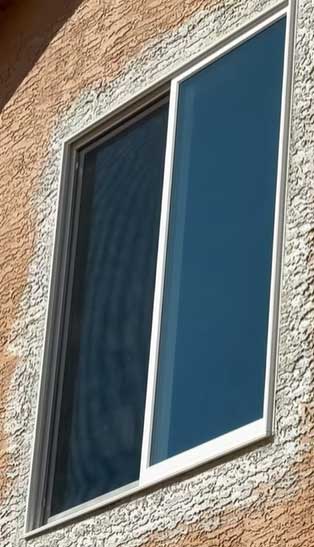
- Full-frame construction with advanced material choices New frames come in vinyl, fiberglass, aluminum-clad wood, or composite blends engineered for thermal performance and structural strength. Multi-chamber profiles trap air, reduce heat transfer, and resist warping better than older solid frames. Some lines include foam-filled chambers that push insulation values even higher.
- Integrated weather barriers and flashing systems Replacement units arrive with nailing fins, integral drip edges, and pre-applied sealant tapes that create a continuous barrier against water and air. Installers can flash the opening to modern building-code standards, something impossible when the old frame remains in place. That sealed perimeter is the main reason replacement windows often outperform retrofits in extreme weather.
- Unlimited style and operation choices Double-hung, casement, awning, sliding, and fixed picture windows are all available in matching frame profiles. You can specify custom exterior colors, interior wood finishes, simulated divided lites, or even curved tops that match older architecture. The freedom to redesign the entire window composition is a major selling point for whole-house renovations.
- Superior sound attenuation packages Thicker glass, wider air spaces, and laminated interlayers cut outside noise far more effectively than a unit squeezed into an old frame. Homeowners near busy streets or under flight paths notice the difference the first night after installation.
- Smart-home ready hardware Many replacement lines offer motorized operators, remote locks, and sensors that integrate with home-automation systems. Because the entire unit is new, the wiring and mounting points can be planned from the start rather than forced into an existing opening.
Also Read: A Homeowner’s Experience With Sunrise Windows.
Pros of Replacement Windows
- Maximum energy performance and comfort gains A properly installed replacement unit creates a continuous thermal break from the exterior wall to the interior finish. Drafts disappear, rooms stay warmer in winter and cooler in summer, and utility bills drop more noticeably than with retrofit options.
- Complete design freedom You choose the operation style, exterior color, interior finish, and grille pattern that best match the house. Changing window sizes or combining openings becomes possible, letting the façade evolve with the rest of a renovation.
- Stronger warranties and longer expected life Full-system warranties cover the frame as well as the glass. Quality materials and correct installation routinely deliver twenty-five to forty years of reliable service with only basic maintenance.
- Opportunity to solve hidden moisture and insulation problems Opening the wall lets crews replace damaged sheathing, add modern insulation, and install proper flashing. The finished installation often improves the durability of the entire wall assembly, not just the window.
- Higher resale appeal in competitive markets Appraisers and buyers recognize the value of modern, fully replaced windows. Energy ratings, updated aesthetics, and documented warranties can support stronger offers when the house eventually sells.
Cons of Replacement Windows
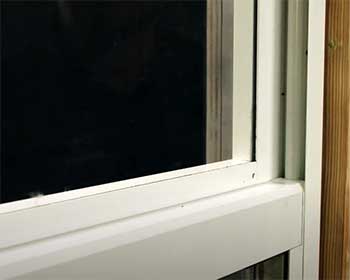
- Higher upfront cost Labor for frame removal, rough-opening preparation, and finish work adds significantly to the price. Material costs also rise because the entire unit—not just the sash—must be new.
- Longer project timeline and greater disruption Multi-day installations mean temporary plastic walls, limited room access, and possible overnight security concerns if the exterior remains open. Families with young children or remote workers often find the process more stressful.
- Risk of unexpected repair costs Once the old frame comes out, crews may discover rot, insects, or missing insulation that must be fixed before the new window goes in. Those discoveries can push the final invoice well above the original estimate.
- Greater chance of interior finish damage Drywall, plaster, and trim around the opening frequently need repair or replacement. Matching existing paint and texture can require extra time and skilled labor.
- More complex permitting and inspection requirements Full frame replacement often triggers building-permit rules that retrofit work avoids. Scheduling inspections and waiting for approvals can stretch the overall timeline.
Cost Considerations Over Time
When I compare the two approaches dollar for dollar, the first invoice always favors retrofit windows. Labor savings alone can amount to thirty to forty percent of a full replacement quote.
Yet the lifetime cost picture shifts once energy bills and future repairs enter the calculation. A house with sound frames and modest efficiency goals often recovers the retrofit investment within five to seven years through lower heating and cooling costs.
Homes with compromised frames or extreme climate exposure tend to favor replacement because the superior seal and longer service life reduce the chance of a second major project within the same ownership period.
Financing options also differ; many manufacturers offer promotional rates for full replacement packages that offset the higher sticker price for a few years.
Energy Efficiency and Comfort Reality Check
Glass technology has advanced so far that even a basic retrofit unit with low-e coatings and argon fill can cut heat loss by half compared with old single-pane windows.
The limiting factor remains the frame.
If the original wood has dried and cracked, or if the vinyl has bowed, the new glass package still fights an imperfect seal.
Replacement windows eliminate that variable.
Independent tests routinely show lower air-infiltration rates and higher whole-window U-factors when the frame is new and properly flashed.
In cold climates the difference appears as warmer glass surfaces and less condensation; in hot climates it shows up as cooler rooms and reduced air-conditioning runtime. Sound transmission follows the same pattern—thicker frames and better seals keep traffic noise outside more effectively.
Installation Experience from a Homeowner Perspective
I watched both methods on neighboring houses last year. The retrofit crew arrived at eight, covered the floors, and finished the last window before dinner.
The family cooked supper in the kitchen while installers worked in the living room. The replacement project next door required two full days, temporary plywood on one exterior wall overnight, and a return visit for interior trim a week later.
Both houses look sharper now, yet the retrofit owners still talk about how little the process interrupted their routines. The replacement owners talk about how quiet the bedrooms became and how the new casement windows open for better ventilation.
Those lived-in observations matter as much as any specification sheet.
Also Read: A Homeowner’s Experience With Thompson Creek Windows.
Frequently Asked Questions (FAQ)
They depend on the condition of the existing frame, can slightly reduce glass area, and offer limited style changes.
Yes, when the original frames are solid they deliver strong energy gains and modern operation at a lower cost.
No, they usually cost less than full replacement because labor and material volumes are smaller.
Typical service life ranges from fifteen to twenty-five years if the surrounding frame stays sound.
Making the Choice That Fits Your House
I have walked through enough window projects to know the decision rarely rests on a single factor. Sound original frames, a tight budget, and a desire to finish quickly point toward retrofit windows.
Damaged frames, a long ownership horizon, and a wish for maximum comfort and design freedom point toward full replacement.
Measure the actual condition of your existing frames, obtain side-by-side quotes that include energy ratings, and talk with installers who have completed both types of work in your climate. Once you see the numbers and the physical realities side by side, the better path for your home becomes clear.
The right windows will pay you back every winter morning you step into a warmer room and every summer evening you close the shades against the heat.