
When I set out to replace the aging windows in my home, the decision between Pella and Renewal by Andersen quickly became the central question.
You face the same choice if you want better energy performance, lower maintenance, and long-term value without overpaying or settling for mediocre results.
This article walks you through both brands side by side so you can weigh the real differences in materials, service, pricing, and everyday performance and decide which fits your house and budget.
| Feature | Pella | Renewal by Andersen |
| Primary Materials | Wood, vinyl, fiberglass, clad options | Fibrex composite (wood fiber + polymer) |
| Installation Approach | Dealer/contractor or select self-install | Full-service only (measure to cleanup) |
| Typical Installed Cost | $700–$1,800 per window | $1,200–$3,000+ per window |
| Warranty Highlights | Limited lifetime on many series | 20-yr glass/Fibrex, 10-yr hardware, 2-yr labor |
| Customization Range | Very wide (styles, finishes, glass packs) | Solid but narrower (Fibrex-focused) |
| Energy Focus | Strong Low-E and regional options | High due to Fibrex thermal properties |
| Sales Experience | Varies by local dealer | Often structured, in-home presentations |
| Best For | Variety seekers, new builds, mixed budgets | Hassle-free full replacement projects |
Also Read: Free Window Replacement Cost Calculator: Estimate Costs by Window Type & Brand.
Key Differences Between Pella and Renewal by Andersen
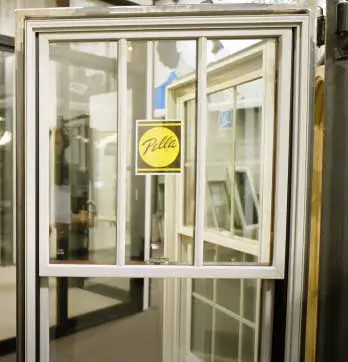
- Material Philosophy And Construction Pella gives you real choice. You can pick solid wood for classic looks, vinyl for budget and low upkeep, or their Impervia fiberglass when you want strength without the weight of wood. Renewal by Andersen sticks almost entirely to its proprietary Fibrex material. Fibrex blends reclaimed wood fiber with a polymer so the frames feel solid, resist expansion and contraction better than basic vinyl, and never need painting. In my experience that single-material focus creates consistency, yet it also limits the tactile and visual range you get with Pella’s multi-material lineup.
- How The Windows Actually Get Into Your House Pella works through a network of dealers and certified contractors. You can sometimes handle parts of the project yourself or bring in your own crew. Renewal by Andersen runs a tightly controlled full-service model. Their team measures, removes the old units, installs the new ones, and leaves the site clean. That convenience removes a lot of coordination headaches, but it also means you cannot shop the windows separately from the labor.
- Pricing Structure And Transparency Pella’s range is broader. Entry-level vinyl units keep the total closer to mid-market numbers while the Reserve wood lines climb into premium territory. Renewal by Andersen quotes are almost always higher for comparable sizes and glass packages. The all-in price includes labor and disposal, which can make direct apples-to-apples comparisons tricky until you sit down with both proposals.
- Warranty Details And Transferability Pella’s limited lifetime coverage on many product lines is generous on paper, though the exact terms shift by series and whether the warranty transfers fully. Renewal by Andersen markets its coverage as among the clearest: twenty years on the Fibrex and glass, ten on hardware, two on the installation work, and the whole package is fully transferable. That clarity matters if you plan to sell the house later.
- Design Flexibility Versus Specialized Performance Pella lets you mix between-the-glass blinds, smart sensors, specialty shapes, and multiple exterior cladding colors. Renewal by Andersen offers attractive standard and upgraded options, yet everything stays within the Fibrex system. If your home needs unusual sizes or matching historic details, Pella usually has more paths. If you simply want durable, low-maintenance replacements that look consistent, Fibrex delivers.
- Sales And Support Process Pella experiences differ by local dealer quality. Some are excellent; others feel transactional. Renewal by Andersen uses a more standardized in-home consultation that many people describe as polished yet occasionally high-pressure. Once the job is done, both companies rely on their service networks, and response times can vary by region.
Also Read: How Simonton And Andersen Windows Are Different?
Key Features of Pella Windows
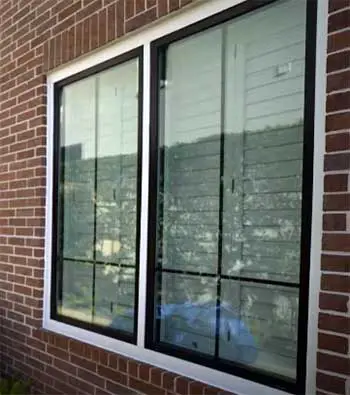
- Multiple Frame Materials Under One Brand You can choose wood that stains beautifully, vinyl that shrugs off weather, or fiberglass that stays dimensionally stable in extreme temperatures. That flexibility lets you match different rooms or budgets within the same project.
- Between-the-glass options Pella’s ability to place blinds or shades inside the sealed glass unit keeps dust out and simplifies cleaning. For households with kids or pets, this feature alone can justify the upgrade.
- Smart home compatibility Certain lines integrate sensors that monitor open or closed status and can tie into broader home systems. It is a practical step beyond basic windows.
- Regional glass packages Pella tunes Low-E coatings and gas fills for climate zones. In hot southern areas the glass rejects more solar heat; in northern climates it retains indoor warmth more effectively.
- Wide style selection Casement, double-hung, sliding, awning, bay, bow, and specialty shapes are all available. Custom sizes are routine rather than exceptions.
- Made-in-USA manufacturing emphasis Many product lines are produced domestically, which some homeowners value for supply-chain reliability and quality control.
- Hardware and finish variety From classic to contemporary, the locks, handles, and exterior colors give you control over the final look without forcing you into a single aesthetic.
Pros of Pella Windows
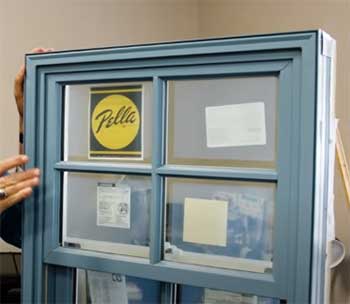
- Greater material and aesthetic choice You can mix wood interiors with fiberglass exteriors or stay all-vinyl depending on the room’s needs and your budget. That range is hard to match.
- Potentially lower total project cost For many standard replacements Pella comes in noticeably under Renewal by Andersen while still delivering solid performance.
- Innovative convenience features Between-the-glass blinds and smart options reduce daily friction. Once installed, these details improve everyday living more than most people expect.
- Strong presence in both new construction and remodeling If your project involves adding square footage or matching existing architectural details, Pella’s catalog usually has an answer.
- Dealer network flexibility You can sometimes negotiate packages or combine products from different series to hit a target price.
- Established track record across climates Pella has refined its offerings for decades, and many long-term owners report decades of reliable service when the correct series is chosen and properly installed.
Cons of Pella Windows
- Quality can vary by series and installer Entry-level vinyl performs differently from premium Reserve wood. A poor local installer can undermine even a high-end product.
- Hardware and mechanism complaints Some owners report sticking locks, failing cranks on casements, or weatherstripping that hardens over time. Regular maintenance helps but does not eliminate every issue.
- Warranty terms that differ by product line Not every series carries the same coverage length or transfer rules, so you must read the fine print carefully.
- Potential for condensation or sealing problems When installation is imperfect or humidity levels inside the house are high, condensation between panes or around frames can appear.
- Less standardized sales experience Dealer quality ranges widely. One region may offer excellent guidance while another feels rushed or incomplete.
- Higher-end options climb quickly in price Once you move into wood or highly customized glass, the cost advantage over Renewal by Andersen can shrink or disappear.
Also Read: How Anlin Windows And Milgard Windows Are Different?
Key Features of Renewal by Andersen Windows
- Exclusive Fibrex composite frames Twice as strong as typical vinyl yet lighter than wood, Fibrex holds its shape through temperature swings and resists the rotting, warping, and peeling that plague other materials. Color runs through the material so scratches are less noticeable.
- Full-service replacement system From the first measurement to the final cleanup, one company handles every step. You do not need to coordinate separate installers or disposal crews.
- Energy-focused design The material itself reduces thermal transfer dramatically compared with aluminum, and the windows pair well with high-performance glass. Many homeowners report noticeable drops in heating and cooling bills after installation.
- Consistent product quality Because nearly every window uses the same core material and manufacturing process, performance tends to be more uniform across an entire house.
- Transferable warranty package The coverage travels with the home, which can become a selling point. Terms are written in relatively plain language compared with some industry warranties.
- Custom sizing within the Fibrex system Each window is made to order for the existing openings, reducing the need for extensive framing changes.
- Low long-term maintenance No painting, minimal hardware upkeep, and frames that stay true over decades form the practical backbone of the product.
Pros of Renewal by Andersen Windows
- Superior day-to-day convenience The full-service model removes nearly all project management from your shoulders. One call covers measurement, manufacturing, installation, and cleanup.
- Material performance that holds up Fibrex resists the common failures of vinyl and wood. In extreme heat, cold, or humidity the frames stay straight and sealed.
- Clear, transferable warranty Knowing the coverage moves with the house and includes labor for the first two years gives many buyers extra confidence.
- Consistent energy results Homeowners frequently notice more even indoor temperatures and lower utility bills after a complete replacement.
- Single point of accountability Because the same organization makes and installs the windows, warranty claims involve fewer finger-pointing episodes between manufacturer and contractor.
- Attractive finished appearance with minimal upkeep The integrated color and clean lines keep the exterior looking fresh without annual painting or staining.
Cons of Renewal by Andersen Windows
- Noticeably higher price tags Many homeowners describe the quotes as premium to the point of sticker shock. Comparable performance is often available for less from other brands.
- Limited material options If you prefer the look or feel of real wood or want pure fiberglass, Fibrex is the only path. That restriction frustrates some design-focused buyers.
- Sales process that can feel intense The structured in-home presentation and financing discussions leave some people feeling pressured to decide quickly.
- Service response times that vary by market While the warranty is strong on paper, actual repair scheduling can stretch longer than expected in busy regions.
- Primarily replacement-focused The system is optimized for swapping existing windows rather than new construction or highly custom architectural work.
- Fewer opportunities to mix products You cannot easily blend different frame materials within one project the way you can with Pella.
Which Brand Makes More Sense for Different Situations?
If your priority is maximum design flexibility, the ability to stage a project, or keeping total cost under tighter control, Pella usually offers the clearer path. You can start with mid-range vinyl in secondary rooms and reserve premium materials for the front elevation. The wider dealer network also lets you obtain multiple quotes and compare installation quality.
If you value a single-source experience, want frames that demand almost no maintenance, and prefer the predictability of one engineered material, Renewal by Andersen delivers. The higher price buys convenience and a product engineered specifically for replacement work.
Many owners who hate project management decide the premium is worth the reduced stress.
Climate matters too. In regions with wild temperature swings or high humidity, Fibrex’s stability and Pella’s fiberglass both perform well; pure wood requires more vigilance. Energy codes and utility rates in your area can tip the scale toward whichever brand’s glass package better matches local needs.
Also Read: How Andersen and Pella Windows Are Different?
Frequently Asked Questions (FAQ)
Many homeowners find the quotes 20 to 40 percent higher than comparable Pella or other mid-to-premium options for similar performance. The full-service model and Fibrex material explain part of the premium, yet aggressive sales presentations can inflate the final number further.
Pella, Andersen (including its Renewal division), and Marvin consistently rank at the top for quality, innovation, and long-term reputation among independent reviews and contractor surveys.
Hardware sticking or failing (especially casement cranks and locks), occasional condensation issues, weatherstripping wear, and service delays when local dealers are overloaded. Proper installation and routine lubrication prevent many of these.
Installed prices commonly fall between $700 and $1,800 per window depending on size, material, glass package, and region. Basic vinyl units sit toward the lower end while wood or highly customized units reach the upper range.
Final Thoughts
After weighing every factor, I keep returning to the same practical advice: obtain detailed, written proposals from both companies for the exact same openings and glass performance levels. Compare the total out-the-door price, the warranty language side by side, and the installation timeline.
Then walk through a finished installation from each brand if possible. Your own house, climate, and tolerance for project management will point you toward the better fit.
Whatever you choose, the right windows will quiet the drafts, steady the indoor temperatures, and give you years of reliable service when the details line up correctly.