
I have compared window brands across multiple home projects and the Marvin versus Milgard choice comes up constantly when people want solid performance without overpaying or underbuilding.
This article walks through the real differences in materials, features, long-term ownership, and costs so you can match the right brand to your home and priorities.
| Aspect | Marvin | Milgard |
| Positioning | Premium craftsmanship and customization | Strong mid-range value |
| Primary Materials | Wood, wood-clad, Ultrex fiberglass, aluminum | Vinyl, fiberglass, aluminum |
| Vinyl Option | No | Yes (popular lines) |
| Customization Depth | Extensive (sizes, woods, finishes, hardware) | Moderate |
| Typical Installed Cost | $1,200–$3,500+ per window | $700–$2,000 per window |
| Warranty Style | Limited (often 20-year glass, 10-year parts) | Full lifetime for original owner on many lines (parts + labor) |
| Best For | High-end, historic, custom, or extreme climates | Value-focused replacements, West Coast homes |
| Lead Time (typical) | Longer for custom orders | Often shorter for standard sizes |
| Geographic Strength | National | Strongest in Western U.S. |
Also Read: Comparison of Milgard And Simonton Windows.
Key Differences Between Marvin and Milgard
- Material Philosophy And Construction Approach
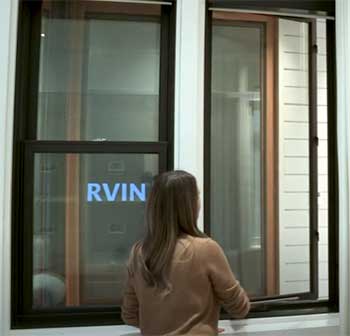
Marvin builds around premium materials with a strong emphasis on wood interiors and proprietary Ultrex fiberglass that expands at nearly the same rate as glass.
That matching expansion reduces stress on seals over decades.
Milgard focuses on practical, low-maintenance options, especially vinyl lines like Tuscany and Trinsic plus fiberglass Ultra.
You get dependable frames without the wood craftsmanship.
If you want real wood grain and traditional profiles that can be stained or painted to match millwork, Marvin is the clearer fit.
If you prefer wipe-clean vinyl that never needs painting, Milgard covers that ground more directly.
- Price And Total Ownership Cost
Marvin sits in the upper price range because each unit is often made to order with higher-grade materials and finishes. A standard fiberglass or wood-clad unit can easily land between $1,200 and $2,000 installed, with Signature-level custom pieces climbing past $3,000.
Milgard’s vinyl options frequently land in the $700–$1,500 range installed, making whole-house replacements more approachable. Over 15–20 years the gap can narrow if Marvin’s lower maintenance and stronger thermal performance reduce energy bills and repair calls, but the upfront difference is real and often 30–50 percent.
- Warranty Structure And Practical Coverage
Milgard’s full lifetime warranty for the original owner on many vinyl and fiberglass lines covers parts and labor for manufacturing defects and is frequently cited as one of the more homeowner-friendly in the industry. Coverage can transfer for a limited period.
Marvin’s warranties are typically limited by component—commonly 20 years on insulating glass seals and 10 years on hardware and non-glass parts—with labor coverage depending on the dealer and proper installation.
Both brands exclude poor installation, so the quality of the contractor still matters more than the paper warranty.
- Customization And Design Flexibility
Marvin offers deeper options in wood species, exterior cladding colors, hardware finishes, grille patterns, and specialty shapes including corner and larger architectural units. This matters for historic renovations or custom builds where windows need to match existing details.
Milgard provides solid color and style choices within its vinyl and fiberglass lines but stays more standardized. You can still get energy packages, grids, and common shapes, yet the ceiling on truly unique configurations is lower.
- Availability And Service Model
Marvin is available nationally through independent dealers. Lead times stretch for custom orders. Milgard concentrates strength in Western states and relies on authorized dealers for measurement and installation.
Outside that footprint, options shrink and warranty service can become more complicated. In both cases dealer and installer quality varies, so local reputation and installation references carry weight.
Also Read: Comparison of Ply Gem And Milgard Windows.
Key Features of Marvin Windows
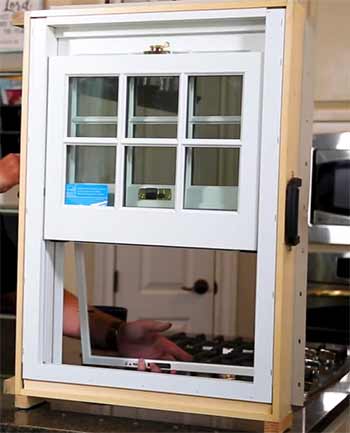
- Ultrex fiberglass frames Marvin’s proprietary pultruded fiberglass is significantly stronger than standard vinyl and resists warping, fading, and thermal movement. The material pairs well with glass because the two expand and contract at similar rates, which helps seals stay intact longer. Exterior finishes are durable and low-maintenance. Homeowners in freeze-thaw climates or coastal areas often notice the frames hold shape better than basic vinyl after years of temperature swings.
- Wood and wood-clad options Signature and Elevate lines let you choose pine, Douglas fir, mahogany, or other species for interiors. Clad exteriors protect the wood from weather while the interior keeps the warm look of traditional windows. This combination works especially well in Craftsman, Colonial, or modern homes that want visible wood grain rather than all-composite or vinyl frames.
- Advanced glass packages and energy performance Multiple Low-E coatings, argon or krypton fills, and warm-edge spacers produce low U-factors and controlled solar heat gain. Configurations regularly meet or exceed ENERGY STAR requirements across climate zones. Triple-pane options and impact-rated glass are available for colder or hurricane-prone regions. The result is reduced drafts and more stable indoor temperatures.
- Hardware and aesthetic details Hardware choices run from contemporary to traditional finishes. You can specify lock styles, handle designs, and colors that coordinate with door hardware or interior trim. Specialty products such as larger fixed units, bay and bow assemblies, and corner windows expand design possibilities beyond basic double-hung or casement shapes.
- Made-to-order manufacturing Most Marvin windows are built to the exact size and specification ordered. That reduces on-site modifications and improves fit in older homes with irregular openings. The process adds lead time but supports the higher level of customization.
Pros of Marvin Windows
- Superior long-term durability and seal integrity The combination of Ultrex fiberglass or well-protected wood-clad construction and low-expansion materials keeps frames square and seals compressed for decades. Owners in harsh climates report fewer fogging or seal-failure issues compared with average vinyl windows. Expected service life commonly reaches 40–60 years with proper installation, which can make the higher purchase price more reasonable on a cost-per-year basis.
- Excellent aesthetic and architectural fit Real wood interiors and extensive finish options let the windows disappear into or enhance a home’s character. Custom sizes and shapes reduce the need for filler panels or awkward trim work. For high-end remodels or new custom homes, the visual result often justifies the premium.
- Strong energy performance across climates High-quality glass packages and thermally efficient frames produce low air leakage and solid U-factor numbers. In heating-dominated climates the reduction in drafts and heat loss is noticeable. In cooling climates proper SHGC selection limits solar gain. Over time the energy savings contribute to lower utility bills.
- High customization for unique projects Whether you need specific wood species, oversized units, impact glazing, or coordinated hardware, Marvin’s made-to-order process accommodates most requests. This flexibility is hard to match at lower price points.
- Resale and perceived quality boost Premium windows from a recognized brand can support higher home valuations in luxury or historic markets. Buyers who understand window quality often view Marvin as a positive feature.
Cons of Marvin Windows
- Significantly higher upfront cost The price gap versus mid-range vinyl is substantial. For a typical 15–20 window house the total project difference can reach several thousand dollars or more. If the home is a short-term investment or a standard tract house, the extra expenditure may not return proportional value.
- No vinyl option Homeowners who specifically want the lowest-maintenance, lowest-cost frame material must look elsewhere. Marvin has never offered vinyl, so the entry point starts higher.
- Longer lead times and dealer variability Custom orders frequently take 8–16 weeks. Service and labor warranty experience depend on the local dealer and installer. Some owners report slower parts availability or uneven communication when issues arise.
- Warranty is more limited than top competitors Coverage is strong on glass seals but shorter on hardware and typically excludes labor unless the dealer provides it. Installation must meet manufacturer standards for the warranty to apply fully.
Also Read: Comparison of Marvin Essential And Elevate Windows.
Key Features of Milgard Windows
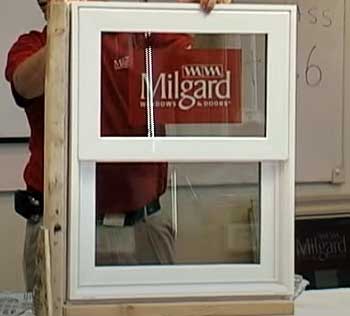
- Vinyl product lines (Tuscany, Trinsic, Style) These frames are extruded for multi-chamber insulation and come with welded corners for strength. Low-E glass and argon fills are standard on many packages. The material needs almost no painting or staining and resists rot and insect damage. Color options include solid whites, tans, and some exterior-only finishes. These lines form the core of Milgard’s value offering for typical replacement projects.
- Fiberglass Ultra series Pultruded fiberglass frames provide greater rigidity and dimensional stability than vinyl. The material handles wider temperature ranges without significant expansion or contraction. Exterior finishes can be painted if desired. Ultra sits at the upper end of Milgard’s range and competes more directly with entry-level fiberglass from premium brands.
- Aluminum options Thermally improved aluminum frames suit modern or coastal architecture where slim profiles maximize glass area. They resist corrosion better than untreated metal and require minimal maintenance. Energy performance is generally lower than vinyl or fiberglass, so these are chosen more for aesthetics and strength than maximum insulation.
- Lifetime warranty coverage on select lines Many vinyl and fiberglass products carry a full lifetime warranty for the original owner that includes parts and labor for covered defects. Some packages add glass breakage protection. The warranty is written in relatively clear terms and is frequently mentioned by owners who have used it successfully. Transfer options exist for a set period after sale of the home.
- Energy packages and regional engineering Standard offerings include dual-pane insulating glass with Low-E coatings suited to West Coast and moderate climates. Higher-performance glass can be specified. The company has historically engineered products with the Pacific Northwest’s rain and temperature cycles in mind, which shows up in seal and frame design choices.
Pros of Milgard Windows
- Strong value and competitive pricing You receive solid energy performance and durable frames at a price that makes whole-house replacement feasible for more budgets. The vinyl lines in particular deliver good everyday performance without the premium markup of wood or high-end fiberglass.
- Outstanding original-owner warranty The full lifetime warranty covering parts and labor on major lines reduces financial risk if a manufacturing defect appears. Many owners who have filed claims describe the process as straightforward when documentation is in order.
- Low maintenance and practical durability Vinyl and fiberglass frames do not rot, require little cleaning, and hold up well in moderate to wet climates. Welded vinyl corners and stable fiberglass reduce common failure points.
- Good energy efficiency for the price tier Standard Low-E and argon packages meet ENERGY STAR criteria in many zones. The improvement over older single-pane or basic dual-pane windows is clear in comfort and utility costs.
- Faster availability in core markets Standard sizes often ship more quickly than fully custom premium windows, which helps projects with tighter timelines.
Cons of Milgard Windows
- Limited geographic availability Service and dealer networks are concentrated in Western states. Outside that area selection shrinks and warranty support can be harder to obtain.
- Installation and service quality varies Because Milgard does not install directly, results depend on the local contractor. Some owners report seal failures, hardware issues, or finish problems that are then debated between dealer and manufacturer. Proper installation remains critical.
- Less design depth than premium brands Customization options are adequate for most homes but fall short of the wood species, extreme sizes, and architectural specialty products available from Marvin. True wood interiors are no longer offered.
- Some reported durability and claim friction While many owners are satisfied, public feedback includes cases of fogged glass within 10 years and occasional difficulty resolving warranty claims. These experiences are not universal but appear more frequently than with the highest-tier premium brands.
Who Should Choose Which Brand?
Choose Marvin if you are working on a custom or historic home, want wood interiors, live in a harsh climate, or simply prefer the highest level of fit, finish, and longevity and are willing to pay for it.
Choose Milgard if your priority is strong everyday performance, a robust lifetime warranty, and a more moderate budget, and you are located in a region where the brand has solid dealer support.
In either case, interview installers, check recent local references, and confirm exactly what the warranty covers before signing.
Also Read: Free Online Window Replacement Cost Estimator.
Frequently Asked Questions (FAQ)
Andersen, Pella, and Marvin consistently rank among the most recognized and trusted premium residential window brands for quality, availability, and performance across the United States.
The main drawbacks are the higher purchase price, the absence of vinyl options, longer lead times on custom orders, and a warranty that is more limited on labor and hardware than some competitors. Service experience can also vary by dealer.
Reported issues include occasional seal failures leading to fogged glass, hardware or finish problems, and friction during warranty claims. Many of these trace back to installation quality or are resolved under the lifetime warranty when documented properly.
Yes, Milgard windows are regarded as solid mid-to-upper-mid-range quality, particularly the fiberglass Ultra and better vinyl lines. They deliver reliable performance and strong warranties for their price point, though they do not match the premium materials and customization of the highest-end brands.
Wrapping Up
I set out to give a clear, usable comparison of Marvin and Milgard so you can weigh materials, cost, warranties, and long-term ownership without hype. Marvin delivers premium craftsmanship, deep customization, and excellent durability that suits high-end or demanding projects.
Milgard offers practical value, low-maintenance frames, and one of the stronger original-owner warranties available in the mid-range. You should match the brand to your budget, climate, design goals, and timeline.
Visit local dealers, request detailed quotes that break out glass packages and installation, and verify recent installations before you decide. The right choice is the one that fits your specific home rather than the one that wins a generic ranking.