
I spent time weighing Marvin Essential against Elevate after looking at real home projects, material performance, and how each line holds up for everyday living.
My purpose here is to walk you through the practical differences so you can match the right collection to your budget, climate, and design preferences without overpaying or under-specifying.
| Feature | Marvin Essential | Marvin Elevate |
| Frame Material | Ultrex fiberglass interior and exterior | Ultrex fiberglass exterior + pine wood interior |
| Interior Finish Options | Stone White, Ebony, Gunmetal, Bronze | Bare pine, clear coat, painted white, designer black |
| Exterior Colors | 6 standard options | 6 standard options |
| Customization Level | Streamlined / limited | Broader styles and grille options |
| Glass Options | Dual-pane Low-E with argon; Energy Star available | Dual- and triple-pane Low-E with argon; Energy Star available |
| Divided Lites | Between-the-glass only | Simulated divided lites or between-the-glass |
| Typical Installed Price Range (per window) | Lower mid-range | Higher mid-range |
| Maintenance | Virtually none | Exterior low; interior wood needs occasional care |
| Best For | Clean modern look, minimal upkeep, tighter budgets | Warm wood interiors, balanced performance and style |
Key Differences Between Marvin Essential and Elevate
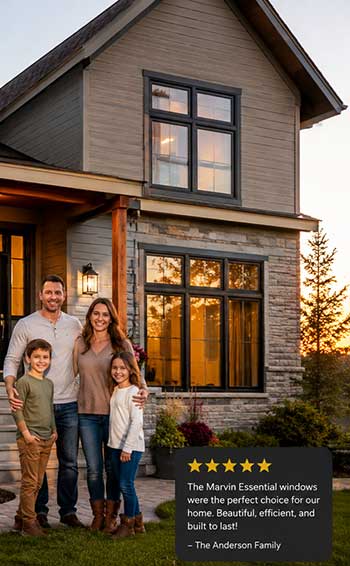
- Material Construction And What You Actually Touch Every Day Essential uses Ultrex fiberglass on every surface. That means the sash, frame, and interior all feel the same cool, smooth, modern material. Elevate keeps the identical tough fiberglass on the outside but switches the inside to real pine. When I run my hand along an Elevate window in a finished room, the wood grain and temperature feel completely different from the all-fiberglass Essential. The difference shows up most in living spaces where you sit near the window or open it often. Essential stays consistent and industrial-clean. Elevate brings the traditional wood warmth people still expect inside many homes.
- Design Flexibility And How Much You Can Personalize Essential keeps the product catalog tighter on purpose. You get the most popular styles and a short list of finishes so the ordering process stays simple and the price stays controlled. Elevate opens the door wider. You can choose simulated divided lites that look like true divided panes without losing the single-glass energy performance. Specialty shapes and a few more size options appear more readily in Elevate. If your house has odd openings or you want a specific grille pattern that matches older trim, Elevate usually gives you more room to work.
- Energy Performance And Glass Packages Both collections carry Energy Star certified options and use Low-E coatings plus argon fill. The practical gap appears when you look at triple-pane availability. Elevate offers triple-pane glass as a standard upgrade path. Essential sticks mainly to dual-pane packages. In colder climates or on large south-facing walls, that extra pane in Elevate can shave a measurable amount off heating bills over the life of the window. Both still expand and contract at nearly the same rate as the glass itself because of the Ultrex exterior, so seal failures stay rare either way.
- Price Positioning And Long-Term Value Essential sits lower in the Marvin lineup for a reason. Fewer material variables and a simpler finish palette keep manufacturing and inventory costs down. Elevate costs more because of the wood interior and the extra finishing steps. Over twenty or thirty years the gap often narrows. Essential needs almost zero interior maintenance. Elevate’s wood may need light refinishing if it sits in direct sun or high humidity for decades. The real calculation depends on whether you value the wood look enough to accept the higher first cost.
- Installation And Replacement Fit Both work for new construction and replacement. Essential’s all-fiberglass build can sometimes slip into existing openings with fewer trim complications because the profiles stay consistent. Elevate’s wood interior may require more careful matching to existing interior casings if you want a seamless look. Certified installers handle both, but the ordering process for Essential feels faster when the project is large and the design is straightforward.
Key Features of Marvin Essential Windows
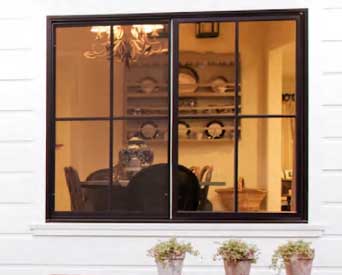
- Proprietary Ultrex fiberglass throughout Ultrex is pultruded fiberglass that tests roughly eight times stronger than ordinary vinyl and three times stronger than many wood-vinyl composites. The material expands and contracts at nearly the same rate as glass, which protects the seals over temperature swings. I have seen Essential frames hold their shape after years of freeze-thaw cycles that would have stressed thinner vinyl frames.
- Narrow sightlines and modern profiles Because the material is so rigid, Marvin can keep the frame sections thinner. That gives you more glass area for the same rough opening. Rooms feel brighter and the exterior elevation looks cleaner. The finish is an acrylic coating that is thicker than most painted competitors and resists chalking and fading even in dark colors.
- Streamlined color and hardware choices Four interior colors and six exterior colors cover most common architectural needs without forcing you through dozens of options. Hardware stays functional and understated. The result is a product that installs quickly and looks intentional rather than over-specified.
- Energy packages that meet most climate zones Low-E1, Low-E2, Low-E3, and Low-E3/ERS coatings let you tune the solar heat gain for your region. Argon fill is standard in the insulated glass units. You can hit Energy Star requirements across the United States with the right glass package.
- Virtually maintenance-free surface No painting, no staining, no scraping. A soft cloth and mild cleaner keep the interior looking new. Exterior dirt rinses off with rain or a garden hose. For busy households or rental properties this feature alone can justify the choice.
Also Read: Is Costco Replacement Windows Worth It?
Pros of Marvin Essential Windows
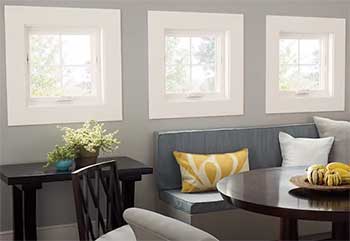
- Lower upfront cost for comparable performance You pay less than Elevate for essentially the same exterior durability and energy efficiency. On a whole-house replacement the savings can fund better glass packages or professional installation.
- Zero interior maintenance schedule Busy families, second homes, and rental units benefit from surfaces that never need refinishing. The fiberglass does not absorb moisture, so swelling and rot are not concerns.
- Consistent modern aesthetic The uniform material creates clean lines that suit contemporary architecture. Dark exterior colors stay rich longer because the acrylic finish is thick and UV-stable.
- Simplified specification process Fewer choices mean fewer opportunities for ordering mistakes and shorter lead times on large projects. Builders and remodelers appreciate the predictability.
- Excellent strength-to-weight ratio The frames resist deflection under wind load better than many vinyl alternatives of similar thickness. Narrower profiles still deliver structural integrity.
- Fully transferable warranty coverage Twenty years on the glass seal and ten years on materials and workmanship travel with the home if you sell. That protects future buyers and supports resale value.
Cons of Marvin Essential Windows
- Cooler, less traditional interior feel Some homeowners miss the warmth and texture of wood. The fiberglass interior can read as more commercial or minimalist than residential.
- Limited finish and grille variety If you need a specific stain color or true divided-lite look, Essential will not deliver it. You may have to step up to Elevate or Signature for those details.
- Dual-pane glass as the practical limit In extreme northern climates the absence of easy triple-pane upgrades can leave a small performance gap compared with Elevate.
- Fewer specialty sizes and shapes in the core catalog Odd architectural openings sometimes force framing changes or a move to a higher collection.
- Hardware aesthetics stay basic The available hardware is solid and functional but does not offer the decorative range found on wood-interior lines.
Key Features of Marvin Elevate Windows
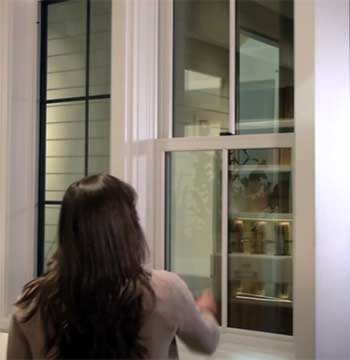
- Ultrex exterior paired with real pine interior The outside faces weather with the same high-strength fiberglass used on Essential. The inside presents natural wood that accepts stain or paint. You get the durability where it matters most and the traditional feel where you live.
- Factory or field-finish flexibility You can order bare pine ready for your own stain, a clear factory coat, painted white, or designer black. The wood is selected for consistency so the grain stays even across a full house order.
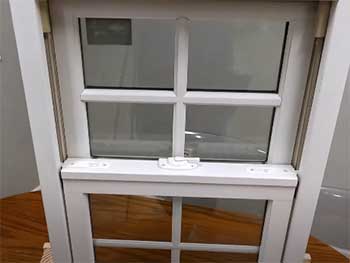
- Expanded glass and grille options Triple-pane glass becomes available, along with simulated divided lites that sit on the surface of the glass. These give the classic multi-pane look without the energy penalty of true divided lights. Between-the-glass grilles remain an option as well.
- Stronger structural ratings in many configurations Casement and awning units often reach higher performance grades for air and water infiltration than the more basic Essential versions. Coastal impact ratings are also available on selected Elevate products.
- Coordinated door options Sliding French doors and other door styles share the same material language, so a whole-home package looks cohesive. The wood interior continues into the door frames when you choose matching finishes.
Also Read: Is EcoView Windows Worth It?
Pros of Marvin Elevate Windows
- Best of both material worlds You keep the low-maintenance, high-strength exterior and gain the visual and tactile appeal of wood inside. Rooms feel more finished and higher-end.
- Greater design latitude Simulated divided lites, more size options, and the ability to stain the pine to match existing millwork make Elevate adaptable to both traditional and transitional homes.
- Triple-pane capability Extra glass layers improve thermal performance and reduce sound transmission. In noisy urban settings or very cold regions this upgrade pays ongoing dividends.
- Higher perceived value at resale Appraisers and buyers often respond more favorably to wood interiors. The combination of fiberglass durability and wood beauty photographs well and shows quality.
- Coordinated interior color control Factory-painted black or white interiors arrive ready to install. Clear-coated or bare options let you match custom cabinetry or trim exactly.
- Strong structural and weather performance Many Elevate units carry higher design pressure ratings, which matters in high-wind or coastal zones.
Cons of Marvin Elevate Windows
- Higher purchase price The wood interior and extra manufacturing steps push the cost above Essential. On a twenty-window house the difference becomes noticeable.
- Interior wood requires some attention Although the exterior is maintenance-free, the pine can need light cleaning or eventual refinishing if it sits in harsh sun or high humidity for decades.
- Still not the full custom range of Signature Exotic wood species, unlimited exterior colors, and the most complex architectural shapes live in the higher Signature collection. Elevate stops short of that level.
- Potential for minor wood movement Even kiln-dried pine can expand and contract slightly with seasonal humidity changes. Proper installation and good interior climate control keep this minimal, but it is a factor Essential does not have.
- Lead times can stretch on custom finishes Bare wood or special grille patterns sometimes take longer to produce than the more standardized Essential units.
How The Two Collections Perform in Real Homes?
I have watched both collections in climates that swing from hard freezes to humid summers. Essential frames stay dimensionally stable and the acrylic finish holds color.
Elevate exteriors behave identically; the only difference is the interior wood responding to indoor humidity the way any quality pine would. Energy bills drop with either line when you choose the correct Low-E package for the orientation of the house.
The bigger variable is usually the quality of the installation and the air sealing around the frame, not the collection itself.
Noise reduction is another practical point. Triple-pane Elevate units quiet street traffic more effectively than standard dual-pane Essential units. If your home faces a busy road, that difference can matter more than the interior material.
Cost Considerations Beyond the Sticker Price
Essential saves money at the outset. Elevate costs more but can return some of that premium through higher curb appeal and potentially stronger resale numbers. Neither collection is the cheapest window on the market; both sit above mass-market vinyl.
The value shows up in the longevity of the Ultrex material and the transferable warranty. Over a thirty-year ownership period the total cost of ownership often favors either Marvin line over lower-priced alternatives that need earlier replacement.
Financing and package deals with doors can change the math. Many dealers offer whole-home pricing that softens the per-window difference between Essential and Elevate.
Also Read: Common Champion Windows Problems.
Frequently Asked Questions (FAQ)
Yes. The Ultrex fiberglass is significantly stronger than vinyl and the overall construction meets high performance standards for air, water, and structural integrity.
The most widely known case involved wood windows treated with a preservative in the 1980s that later caused rot. Marvin sued the chemical supplier and ultimately recovered substantial damages. Current Essential and Elevate products use different materials and are not part of that historical issue.
They are worth the extra cost if you value a real wood interior and the design options that come with it. For pure performance and low maintenance the premium is less necessary.
Essential uses full fiberglass rather than Fibrex composite, giving it higher strength and better dimensional stability in most comparisons. Andersen 100 is typically less expensive and more widely available through big-box channels, so the better choice depends on budget and material preference.
Final Thoughts
After comparing the materials, features, costs, and real-world behavior of both collections, I can say the decision rests on what you want to see and touch inside your home more than on any major performance gap. Essential delivers clean, tough, low-maintenance windows at a more accessible price.
Elevate adds the warmth of wood and extra design latitude for those who want that feeling every time they walk into a room. You now have the detailed side-by-side view needed to choose the line that matches your priorities, climate, and budget without second-guessing the investment.