
I spent weeks comparing window options for a home remodel, and the choice between Milgard and Simonton kept coming up in every quote and conversation.
This article shares what I learned about their materials, performance, warranties, and real-world value so you can decide which brand fits your home, climate, and budget without the usual sales pressure.
| Feature | Milgard | Simonton |
| Primary Materials | Vinyl, Fiberglass, Aluminum | Vinyl only |
| Price Range (installed) | Mid to upper-mid ($650–$1,800 per window) | Affordable to mid ($200–$1,500 per window) |
| Warranty | Full or Limited Lifetime (glass breakage on select lines) | Double Lifetime (select models cover glass) |
| Energy Efficiency | Strong (Low-E, argon, ENERGY STAR options) | Strong (Low-E, argon, ENERGY STAR Most Efficient options) |
| Availability | Stronger on West Coast, expanding | Nationwide, including big-box retailers |
| Customization | High (materials, colors, shapes) | High within vinyl (colors, grids, shapes) |
| Best For | Durability + material variety | Budget-friendly vinyl performance |
Also Read: Avoid Sales Markup: The Honest Window Replacement Cost Calculator.
Key Differences Between Milgard and Simonton Windows
- Materials and Construction Approach
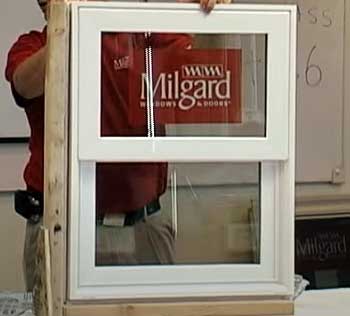
Milgard gives you real choices.
You can pick vinyl for everyday durability and low upkeep, fiberglass when you want something that stays rigid in extreme temperatures and resists expansion, or aluminum when you need slim frames and modern looks.
They manufacture most components in-house, which tends to keep quality consistent.
Simonton sticks to vinyl across the board.
Their vinyl is solid and resists moisture well, but if you want fiberglass strength or aluminum aesthetics you will have to look elsewhere.
That single-material focus keeps Simonton prices lower and production simpler, yet it also limits how the windows can perform in very hot or very cold climates where frame expansion matters.
- Warranty Structure and Coverage Details
Milgard’s Full Lifetime Warranty on higher lines such as Tuscany and Trinsic covers the frames, glass seal failures, and even glass breakage for as long as the original owner lives in the house.
Lower lines get a more limited version. The coverage is strong, though service quality can depend on the local dealer. Simonton’s Double Lifetime Warranty is also impressive for the original homeowner and sometimes transfers once.
It protects frames and hardware well, and select collections include glass breakage. Both brands stand behind their products longer than many competitors, but the fine print on labor coverage and transfer rules differs enough that you should read the actual certificate before signing.
- Geographic Reach and Buying Experience
Milgard has deep roots in the western United States and still feels strongest there, though distribution continues to grow. You usually work through independent dealers rather than walking into a big-box store.
That can mean better product knowledge but also more variation in installation quality. Simonton shows up almost everywhere, including Home Depot and many national contractors. You can get samples and quotes faster in most regions.
The trade-off is that the installation team may treat the windows as just another product rather than a specialized system.
- Design Flexibility and Aesthetic Options
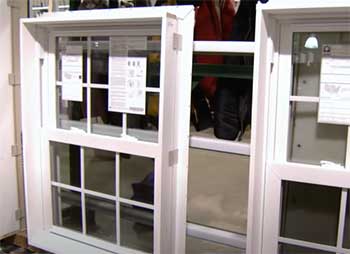
Milgard’s fiberglass and aluminum lines open up cleaner sight lines and modern color options that vinyl sometimes struggles to match.
Their Trinsic series, for example, uses slim frames that let in more light.
Simonton counters with a wide range of vinyl colors, interior wood-look finishes, and grille patterns.
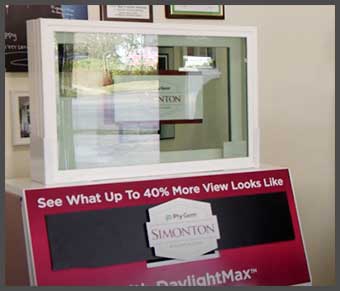
Their DaylightMax and Premium collections push the glass area larger and offer attractive interior laminates.
If your home needs a specific architectural look, Milgard’s material variety usually wins.
If you want good-looking vinyl at a friendlier price, Simonton delivers.
- Price Positioning and Long-Term Value
Milgard sits in the mid-to-upper-mid range. You pay more up front, especially for fiberglass, but the extra material options and robust warranty can reduce future headaches.
Simonton aims lower. Many homeowners replace an entire house of windows for less money with Simonton and still walk away with ENERGY STAR performance.
Over twenty years the gap often narrows once energy savings and repair costs enter the picture, yet the initial outlay remains noticeably different.
Also Read: Is RELIABILT Replacement Windows Worth It?
Key Features of Milgard Windows
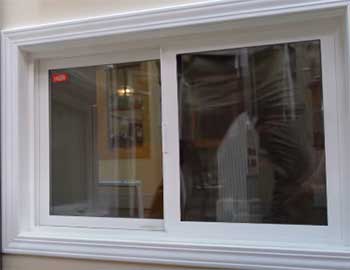
- Multiple Frame Materials Built for Different Climates Vinyl handles moisture and requires almost no maintenance. Fiberglass stays dimensionally stable when temperatures swing forty degrees in a day. Aluminum offers the thinnest profiles and works well on modern or coastal homes when thermally broken. Having all three under one brand means you can mix materials on the same project if needed.
- Series That Target Specific Priorities The Tuscany series gives a traditional look with solid vinyl performance. Trinsic focuses on slim frames and maximum glass. Style Line keeps costs down without looking cheap. The Ultra fiberglass line pushes durability higher. QuietLine options add laminated glass for serious noise reduction near freeways or busy streets.
- Energy Performance Packages Most lines accept Low-E coatings, argon or krypton gas fills, and warm-edge spacers. Many configurations land on the ENERGY STAR Most Efficient list. Triple-pane options appear on higher series for colder regions. The result is lower heating and cooling bills without exotic technology.
- Hardware and Operation Details SmartTouch locks and smooth-operating hardware show up across several series. Screens are designed for easy removal. The overall feel is solid rather than lightweight.
- In-House Manufacturing Control Milgard produces the majority of its components itself. That level of control usually translates into fewer mismatched parts and more consistent quality from one order to the next.
Pros of Milgard Windows
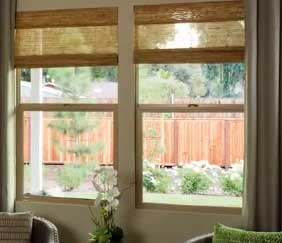
- Material Choice Reduces Compromise You never have to settle for vinyl if fiberglass would perform better in your climate or if aluminum better matches the home’s architecture. That flexibility alone solves problems other brands force you to live with.
- Warranty Confidence on Higher Lines Glass breakage coverage and full lifetime terms on Tuscany, Trinsic, and certain fiberglass products remove a major source of future expense. Many homeowners report smooth warranty claims when they stay with authorized dealers.
- Consistent Quality from Controlled Production Because most parts come from the same factories, you see fewer issues with warping frames or imperfect seals compared with brands that outsource heavily.
- Strong Performance in Sound Control QuietLine options and laminated glass packages make a measurable difference near traffic or airports. Few mid-range brands match that focus.
- Dealer Network That Can Offer Real Expertise Good dealers walk you through climate-specific glass packages and proper installation techniques rather than simply selling the cheapest unit on the truck.
- Long Track Record Decades in the business mean the company has refined its products through multiple generations of homeowners. Feedback loops appear tighter than with newer entrants.
Also Read: Is Marvin Essential Windows Worth It?
Cons of Milgard Windows
- Regional Strength Still Matters Outside the West and a few expanding markets you may struggle to find experienced installers or timely service. Shipping and support can feel slower.
- Pricing Opacity You rarely see clear online numbers. Every project requires dealer quotes, which makes early budgeting harder and opens the door to high-pressure sales tactics.
- Installation Quality Varies Widely Milgard does not employ its own installers. Your results depend entirely on the local contractor’s skill. A poorly installed high-quality window still leaks air and voids parts of the warranty.
- Higher Entry Cost for Premium Materials Fiberglass and top vinyl series push the budget upward quickly. Homeowners on tight timelines sometimes feel sticker shock after seeing the initial Simonton quotes.
- Warranty Fine Print Can Surprise Transfer rules, labor coverage limits, and geographic service territories create occasional frustration when homes change hands or when owners live just outside primary service zones.
Key Features of Simonton Windows
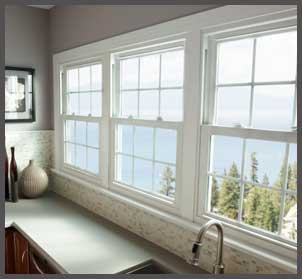
- Focused Vinyl Engineering Every window starts with premium extruded vinyl that resists warping, rotting, and insect damage. The material itself acts as a decent insulator, so even basic models perform better than old aluminum single-pane units.
- Collection Variety Within Vinyl The 5500 and 5050 collections cover traditional double-hung, casement, and slider needs. DaylightMax narrows the frame to increase visible glass. StormBreaker Plus adds impact resistance for hurricane zones. Premium collections bring wood-look interiors without the maintenance of real wood.
- Strong Energy Packages as Standard Options ProSolar Low-E glass, argon fills, and multi-chamber frames appear across most lines. Select triple-pane configurations earn ENERGY STAR Most Efficient recognition. The windows keep indoor temperatures steadier and cut utility costs noticeably in both hot and cold climates.
- Customization That Feels Accessible You can choose exterior colors, interior laminates that mimic maple or cherry, grille patterns, and hardware finishes without jumping to a luxury price tier. Specialty shapes and garden windows expand the design possibilities further.
- Warranty That Covers the Long Haul The Double Lifetime Warranty protects frames and sashes against manufacturing defects for as long as the original owner lives in the home. Glass units usually carry fifteen years of coverage against seal failure, and some packages include breakage protection.
Pros of Simonton Windows
- Attractive Price-to-Performance Ratio You get ENERGY STAR efficiency, solid vinyl construction, and a strong warranty without stepping into premium pricing. Whole-house projects stay more affordable.
- Nationwide Availability and Easy Sampling Big-box presence and national contractor networks mean you can touch samples, compare colors, and schedule installs faster in most cities.
- Reliable Energy Savings Low-E glass and argon fills deliver real reductions in heating and cooling costs. Many owners notice the difference in the first utility bills after installation.
- Low Maintenance Reality Vinyl never needs painting or sealing. A soft cloth and mild soap keep the frames looking new for years. Busy households appreciate that simplicity.
- Design Options That Punch Above the Price Wood-look interiors, multiple exterior colors, and narrow-frame DaylightMax models let the windows look more expensive than they are.
- Warranty That Feels Generous for the Cost Double lifetime coverage on frames plus reasonable glass protection gives peace of mind without the higher purchase price of some competitors.
Also Read: Is Costco Replacement Windows Worth It?
Cons of Simonton Windows
- Vinyl-Only Limitation Extreme temperature swings can cause more expansion and contraction than fiberglass. In very hot or very cold regions the frames may not hold their shape as tightly over decades.
- Occasional Air Infiltration Reports Some homeowners and installers note drafts around certain double-hung and slider models when installation is not perfect. Weather stripping quality appears more variable than with higher-priced brands.
- Premium Features Raise the Price Quickly Triple-pane glass, impact resistance, or custom sizes can erase much of the original cost advantage and push a Simonton project closer to mid-range competitors.
- Less Differentiation in Hardware Feel Locks and balances work adequately but rarely feel as refined as those on fiberglass or higher-end vinyl lines from other manufacturers.
- Brand Perception Sits in the Middle While quality is solid, Simonton rarely appears on “best of” lists dominated by Andersen, Pella, and Marvin. Resale value may reflect that middle-tier reputation in some markets.
Energy Efficiency and Real-World Comfort
Both brands deliver meaningful improvements over single-pane or old double-pane aluminum windows. Milgard’s ability to pair fiberglass frames with advanced glass packages can produce slightly tighter seals in extreme climates.
Simonton’s multi-chamber vinyl and ProSolar coatings achieve similar U-factors and Solar Heat Gain Coefficients on many popular models.
In practice the difference often comes down to proper installation and choosing the right glass package for your climate zone rather than the brand name alone. Homeowners in mixed climates report comfortable rooms and lower bills with either product when the windows are sized and flashed correctly.
Installation and Long-Term Ownership Experience
Installation quality determines whether either brand performs as advertised.
A careful crew that uses proper flashing, insulation, and sealing techniques will make a mid-range Simonton window feel premium.
A rushed crew can make an expensive Milgard unit underperform.
Because Milgard relies more heavily on independent dealers, you must interview installers carefully.
Simonton’s wider contractor base gives more options but also more average ones.
After installation both brands respond to warranty claims, yet response speed depends on local representation.
Keeping records of the original invoice and product registration numbers speeds every future conversation.
- Who Should Choose Milgard?
Choose Milgard if you live in a region with strong dealer support, want the option of fiberglass or aluminum, value glass-breakage coverage, or plan to stay in the home long enough for the higher initial cost to pay back through durability.
Noise-sensitive locations and modern architectural styles also favor Milgard’s material range.
- Who Should Choose Simonton?
Choose Simonton if budget is a primary driver, you want solid vinyl performance with good energy numbers, or you live in an area where Milgard dealers are scarce.
Homes that simply need reliable, low-maintenance replacements without exotic materials will find Simonton more than capable.
Also Read: Is Never Rot Windows Worth It?
Frequently Asked Questions (FAQ)
It depends on your priorities. Milgard offers more material choices and often stronger long-term durability. Simonton delivers better value for straightforward vinyl needs.
They sit in the mid-to-upper-mid range. They are not ultra-premium like the top lines from Marvin or Andersen, yet they outperform many basic vinyl brands.
Andersen, Pella, and Marvin consistently rank at the top for overall reputation, material variety, and resale impact.
Yes. They provide reliable mid-range vinyl performance with solid energy efficiency and a competitive warranty when installed correctly.
Wrapping Up
After weighing materials, warranties, real costs, and ownership experiences, I see clear strengths on both sides.
Milgard gives you more ways to match the window to the climate and the architecture. Simonton keeps the project affordable while still delivering energy savings and a warranty you can trust. You now have the details that matter most.
Measure your windows, talk to two or three local installers who work with each brand, and choose the combination of performance and price that fits your home best. The right windows will quiet the street noise, steady the indoor temperature, and stay out of your way for decades.
That is the outcome worth the research.