
I spent weeks comparing window options for a home renovation project, weighing performance against real-world costs and long-term reliability.
This article breaks down Ply Gem windows versus Milgard windows so you can see which brand better matches your climate, budget, and priorities for energy savings, durability, and daily living comfort.
| Feature | Ply Gem Windows | Milgard Windows |
| Primary Materials | Vinyl (core focus), some aluminum-clad | Vinyl, fiberglass, aluminum |
| Price Range (per window) | Lower to mid ($200–$750) | Mid to higher ($400–$1,300+) |
| Warranty | Limited lifetime (parts, varies by series; glass often 15 years) | Full lifetime (parts and labor on many series; glass breakage often included or optional) |
| Availability | Nationwide | Primarily Western U.S. |
| Energy Efficiency | Strong ENERGY STAR options, R-Core foam available | Excellent ENERGY STAR performance, strong thermal packages |
| Sound Control | Good STC options on select series | Outstanding Quiet Line series (very high STC) |
| Best For | Value-driven replacements, new construction | Premium feel, long-term ownership, noise reduction |
| Typical Lead Time | 4–8 weeks | 4–10 weeks |
Understanding The Two Brands From A Homeowner Perspective
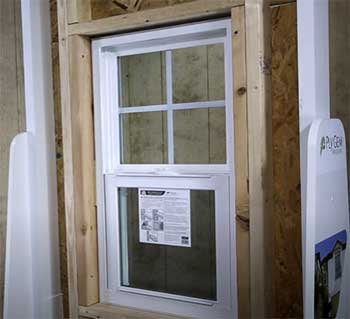
When I started researching replacement windows, Ply Gem and Milgard kept appearing in contractor quotes and homeowner forums.
Ply Gem sits under Cornerstone Building Brands and has built a reputation as one of the largest vinyl window producers in North America.
The brand emphasizes volume, accessibility, and solid everyday performance.
Milgard, on the other hand, carries a stronger West Coast identity and positions itself as a quality-focused manufacturer with tighter control over its production process and a more comprehensive ownership experience.
Both companies produce vinyl windows that meet modern energy codes, yet the feel of ownership differs.
Ply Gem often shows up in builder packages and mid-range remodel projects where cost control matters.
Milgard appears more frequently when homeowners want cleaner sightlines, stronger warranty support, and features like advanced sound dampening. My analysis focuses on how these differences play out in real homes rather than marketing claims alone.
Also Read: Differences Between SI Windows And Milgard Windows.
Key Differences Between Ply Gem and Milgard Windows
- Price positioning and overall value equation Ply Gem targets the accessible mid-range while Milgard occupies a step higher. When I calculated total project costs for a typical 12-window house, the Ply Gem route often landed several thousand dollars lower before installation. That gap shrinks if you factor in Milgard’s labor-inclusive warranty over twenty years, yet the initial cash outlay remains higher with Milgard.
- Warranty depth and real-world claim experience Milgard’s full lifetime parts-and-labor approach reduces ownership friction. Ply Gem’s limited lifetime model protects the product itself but frequently leaves labor costs with the homeowner after the first few years. Owners who stay in the same house for decades tend to favor Milgard’s structure.
- Material and series breadth Ply Gem leans hard into vinyl excellence and national scale. Milgard spreads across vinyl, fiberglass, and aluminum, giving more choices when structural strength or thinner profiles matter. Fiberglass from Milgard handles larger spans with less deflection.
- Regional strength and supply chain Ply Gem ships everywhere through established distribution. Milgard shines in Western markets where local plants and dealer networks deliver faster service and better-trained installers. Outside that region the advantage reverses.
- Acoustic and comfort engineering Both offer sound packages, yet Milgard’s Quiet Line reaches higher STC numbers that produce a quieter interior in noisy locations. Ply Gem’s laminated options work well for average suburban noise but rarely match the top-tier reduction.
- Aesthetic and hardware refinement Milgard windows often present cleaner lines and more refined hardware out of the box. Ply Gem has closed the gap with black coextruded finishes and improved balances, yet side-by-side comparisons still favor Milgard for a premium visual impression.
- Energy code compliance and upgrade paths Both meet current ENERGY STAR and code requirements. Ply Gem’s R-Core foam option provides a cost-effective insulation boost. Milgard’s standard multi-chamber designs and glass packages already start at a higher performance baseline in many configurations.
- Long-term ownership feel Homeowners who prioritize minimal future service calls and a stronger guarantee lean toward Milgard. Those who need maximum window count for a fixed budget and solid day-to-day function lean toward Ply Gem.
Key Features of Ply Gem Windows
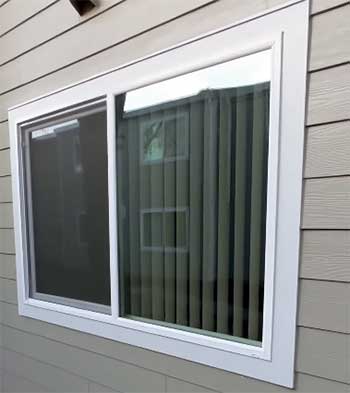
- Vinyl construction focused on low maintenance Ply Gem builds most of its residential line around vinyl frames that resist rot, never need painting, and handle temperature swings without the expansion issues common in older aluminum. The 1500 Vinyl Collection stands out as a high-volume series that includes coextruded black finishes on both interior and exterior surfaces. This gives a modern look without the peeling risk of painted surfaces.
- Energy performance packages with practical upgrades Many configurations carry ENERGY STAR certification and can meet 2021 or 2024 IECC code requirements. Low-E coatings paired with argon gas fills form the baseline. Optional R-Core polyurethane foam fills the frame and sash on higher series, improving U-factors and reducing condensation. Triple-pane glass appears on select models for colder climates.
- Wide style and configuration range Single-hung, double-hung, casement, sliding, picture, bay, and geometric shapes cover most architectural needs. Nail-fin frames suit new construction while retrofit frames work for replacement jobs. Coastal impact ratings reach DP 50 on certain 1500 series units, useful in high-wind zones.
- Sound and comfort options STC-rated laminated glass packages reduce exterior noise by noticeable margins. Warm-edge spacers help keep interior glass temperatures higher, cutting down on drafts near the sill.
- Installation and color flexibility Products ship through lumberyards, distributors, and contractors nationwide. Color choices expand beyond basic white to include popular dark exteriors that hold up under UV exposure because the color runs through the vinyl rather than sitting on the surface.
Also Read: Differences Between Milgard V250 And V300 Windows.
Pros of Ply Gem Windows
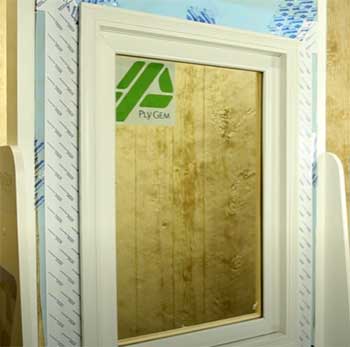
- Strong value for the money You receive functional energy efficiency and durable vinyl at a price point that fits tighter remodel budgets. Multiple homeowners report whole-house projects completed for noticeably less than equivalent Milgard quotes.
- Broad national availability Contractors across the country can source these windows without long regional shipping delays. This matters when project timelines tighten.
- Solid energy savings potential Properly specified Low-E and foam-filled units cut heating and cooling loads enough to offset part of the purchase cost over a decade. Real utility bill reductions appear in moderate climates when old single-pane or clear double-pane windows get replaced.
- Modern color and design options Black coextruded finishes and multiple grille patterns let the windows match contemporary exteriors without custom upcharges that inflate the total.
- Builder-friendly installation features Nail fins and consistent sizing speed up new-construction installs. Many framers prefer the product for volume work because the frames square up cleanly.
- Decent long-term track record in milder conditions Owners in non-extreme climates often report twenty-plus years of service with only minor seal issues that fall under warranty.
Cons of Ply Gem Windows
- Quality consistency varies by plant and series Some series feel more builder-grade than others. Higher-end Pro or Premium lines perform better, yet entry-level units can show softer vinyl or less precise hardware over time.
- Warranty structure is less comprehensive Limited lifetime coverage typically protects parts while the homeowner remains in the house, yet labor coverage is often shorter or absent. Glass warranties commonly stop at fifteen years. Service response can depend heavily on the local dealer.
- Customer service experiences are mixed Some owners praise quick replacements; others describe longer wait times or difficulty locating authorized service technicians outside major metro areas.
- Fewer premium material options Fiberglass and higher-end composites sit outside the core lineup, so buyers seeking those materials look elsewhere.
- Sound performance is good but not class-leading Standard packages reduce noise adequately for most suburban settings, yet they fall short of specialized acoustic lines when traffic or airport noise dominates.
Key Features of Milgard Windows
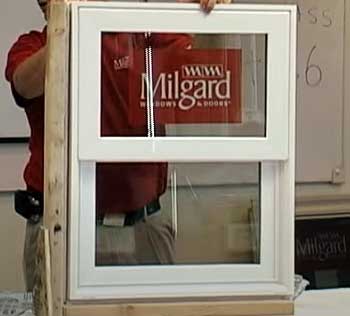
- Multi-material approach with strong vinyl core Milgard offers vinyl series such as Tuscany, Trinsic, and Style Line alongside fiberglass and aluminum lines. The vinyl frames use proprietary formulations designed to resist warping in Western climates. Fiberglass options deliver a thinner profile and higher strength-to-weight ratio for larger openings.
- Advanced thermal and acoustic engineering Most lines exceed ENERGY STAR thresholds. The Quiet Line series delivers some of the highest sound transmission class ratings available in residential windows, making it a practical choice near busy streets or flight paths. Multi-chamber frames and high-performance glass packages keep indoor temperatures steady.
- Clean modern aesthetics and hardware Sightlines stay narrow on many models, maximizing glass area. Hardware feels solid, and operable sashes open smoothly without the stickiness that develops on cheaper balances over time.
- In-house manufacturing control Components are produced and assembled in U.S. facilities, which supports consistent quality and faster response on warranty claims. This vertical integration shows up in tighter tolerances and fewer seal failures reported by long-term owners.
- Lifetime ownership support structure The warranty framework covers parts and labor for as long as you own the home on many series. Glass breakage protection appears as a standard or optional feature depending on the exact line and purchase date. Factory-trained technicians handle service calls in covered regions.
Also Read: Differences Between Cascade And Milgard Windows.
Pros of Milgard Windows
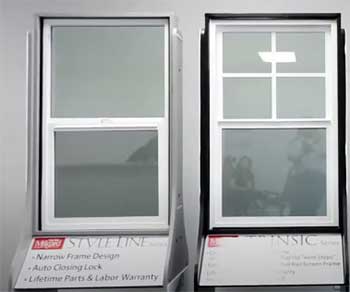
- Robust lifetime warranty that includes labor Coverage for parts and labor as long as you own the home removes a major ownership risk. Many series also protect against glass breakage without extra riders, which lowers long-term surprise costs.
- Higher perceived and reported build quality Thicker vinyl walls, better weatherstripping, and tighter manufacturing tolerances show up in smoother operation years after installation. Owners frequently note that the windows still feel solid after two decades.
- Excellent sound control on select series The Quiet Line options deliver measurable noise reduction that changes daily comfort in urban or high-traffic locations.
- Strong energy performance across climates High-performance glass and multi-chamber frames keep interiors comfortable with less HVAC runtime. Independent testing and ENERGY STAR ratings confirm the claims.
- Clean aesthetics that hold resale value Narrow sightlines and quality hardware contribute to a finished look that many buyers notice during home showings.
- In-house production supports better service consistency Because components originate from company facilities, replacement parts match original specifications more reliably than some outsourced brands.
Cons of Milgard Windows
- Higher upfront cost Material and installed prices sit above Ply Gem equivalents. Budget-conscious projects may need to reduce the number of windows or delay the work to stay within range.
- Limited geographic footprint Primary distribution concentrates in the Western United States. Eastern and Midwest homeowners often face longer lead times or higher shipping charges, and some series simply are not offered outside the core territory.
- Pricing transparency can feel limited Exact numbers usually require dealer quotes rather than published lists, which slows comparison shopping.
- Recent warranty adjustments add complexity Full lifetime coverage on certain popular series now carries an optional upgrade fee in some cases. Buyers must confirm the exact terms at the time of order.
- Installation labor can push totals higher Even when material prices look competitive, certified installers in high-demand markets charge premium rates that inflate the final invoice.
Energy Efficiency and Climate Performance
Both brands deliver meaningful reductions in heat transfer compared with older clear-glass windows.
In heating-dominated climates I watched U-factors drop into the low 0.20s with upgraded packages from either company. In cooling-dominated zones the solar heat gain coefficients matter more, and both offer Low-E coatings tuned for that purpose.
Real savings depend heavily on proper installation and whole-house air sealing. A poorly installed high-performance window underperforms a correctly installed mid-range unit. Climate zone maps and local energy codes should guide the final glass package selection more than brand loyalty.
- Pricing Realities and Project Planning
Material prices alone never tell the full story. Labor, removal of old windows, disposal, interior trim, and exterior finishes add substantial amounts.
Ply Gem projects often finish at a lower total because both the windows and the labor rates tend to stay moderate.
Milgard quotes climb faster once labor and any optional warranty upgrades enter the calculation. Obtaining three detailed bids that specify exact series, glass packages, and warranty terms remains the only reliable way to compare apples to apples.
Also Read: Differences Between Anlin And Milgard Windows.
Frequently Asked Questions (FAQ)
Yes for value-focused projects. It delivers reliable vinyl performance and energy efficiency at accessible prices, though higher series outperform basic lines.
No single brand wins every situation. Milgard ranks high for quality and warranty in Western markets; Ply Gem ranks high for nationwide value and volume performance.
They sit in the upper mid-range rather than ultra-luxury territory. Build quality, warranty, and features place them above many mass-market vinyl options.
Cornerstone Building Brands manufactures Ply Gem windows and doors as part of its residential exterior products portfolio.
Final Thoughts
I walked through quotes, site visits, and long-term owner feedback before forming a clear preference based on project type.
If your budget is tight, your home sits outside the Western United States, or you simply need competent energy-efficient vinyl that performs without drama, Ply Gem delivers solid results.
If you live in a Milgard service area, want the strongest possible warranty that covers labor for the life of ownership, and place higher value on quieter interiors and refined operation, Milgard justifies the extra cost.
Measure your climate demands, noise environment, and how long you plan to stay in the house. Those three factors, more than brand names alone, will point you toward the better match for your specific situation.