
I have renovated several older homes and helped friends with new builds, so I know how confusing choosing between lath and plaster and drywall can feel.
In this article, I compare these two wall systems honestly from my own experiences and what I have learned along the way.
You will see their strengths, weaknesses, real-world performance, and practical considerations to help you decide what fits your project, budget, and lifestyle.
| Aspect | Lath and Plaster | Drywall |
| Installation Time | Weeks to months | Days |
| Cost (installed) | Higher ($8-15+/sq ft) | Lower ($2-4/sq ft) |
| Durability | Excellent impact resistance | Prone to dents and holes |
| Soundproofing | Superior, dense mass | Basic, needs extra insulation |
| Fire Resistance | Generally better | Good but varies by type |
| Repair Difficulty | Requires skilled work | Easy DIY |
| Best For | Historic homes, high-end finishes | Modern builds, speed, budget |
Key Differences Between Lath and Plaster and Drywall
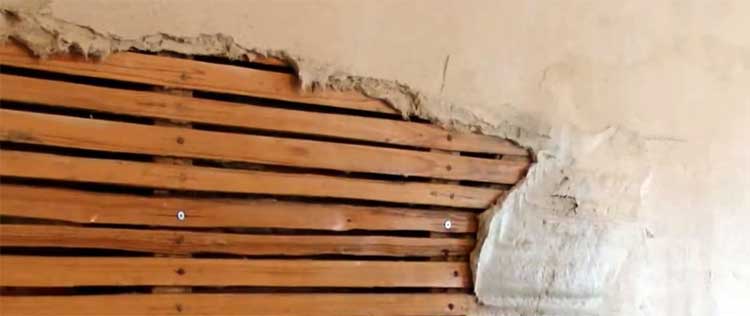
The two systems feel completely different when you live with them day to day. Here is what stands out to me after years of working with both:
- Material Composition: Lath and plaster uses layered wet plaster over a base, creating a thick, monolithic wall. Drywall relies on pre-made rigid sheets that arrive ready to install.
- Thickness and Mass: Plaster walls often measure thicker with more density, which affects everything from sound transmission to how the room holds temperature.
- Installation Method: Plaster demands skilled tradespeople, careful mixing, and extended drying time between multiple coats. Drywall uses screws or nails followed by joint compound that dries faster.
- Flexibility: Plaster handles minor settling and building movement better in many older structures, while drywall can develop cracks at seams during shifts.
- Weight: Plaster adds significant weight to the structure that needs consideration in renovations. Drywall stays much lighter and easier to handle.
- Finish Quality: Plaster offers seamless, slightly undulating surfaces with character. Drywall gives perfectly flat modern lines that suit contemporary interiors.
- Aging Characteristics: Plaster develops patina and charm over decades if maintained. Drywall shows wear through dents, popped nails, or visible tape lines over time.
- Moisture Behavior: Traditional plaster can breathe and manage humidity better in some climates, whereas drywall requires careful vapor barriers.
- Modification Ease: Cutting into plaster for new outlets takes more effort, but drywall opens up cleanly for future changes.
These differences influence every decision from initial construction to daily living and future resale. I always encourage people to think about their daily routines before choosing.
Also Read: Comparison of Sheetrock And Drywall.
Understanding Lath and Plaster Walls
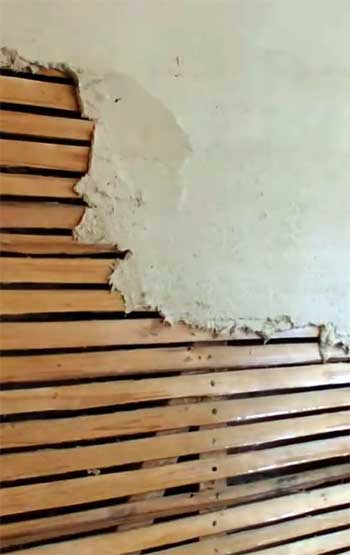
I remember walking into my first 1920s house and tapping the walls. They felt solid, almost alive compared to the hollow feel of newer places. Lath and plaster involves nailing thin strips of wood, called lath, to the wall studs, then building up multiple coats of plaster by hand.
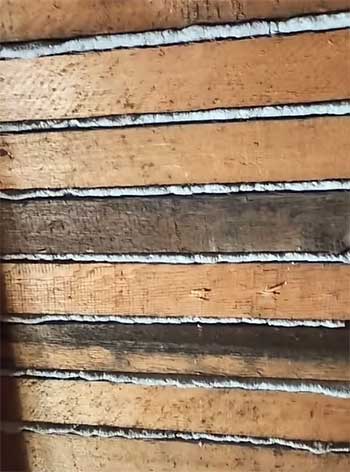
The plaster pushes through the gaps between the lath strips and forms a strong mechanical bond as it hardens.
- Traditional wood lath creates a strong mechanical bond as plaster keys into the gaps between the strips.
- The process uses lime or gypsum-based mixes that build up thickness over time, often reaching three distinct coats: scratch, brown, and finish.
- Finished walls have a slight organic texture that catches light beautifully and gives rooms a sense of depth.
- Older versions often include horsehair or other fibers for added tensile strength, helping the plaster resist cracking.
- Metal lath versions appeared later and offered even greater durability in some applications.
- The entire system creates a thick, monolithic surface that feels substantial under your hand.
This system dominated construction for centuries because it delivered substantial, long-lasting results when done right. I still get a sense of satisfaction restoring these walls because they represent real craftsmanship from another era.
Key Features of Lath and Plaster
I always highlight these standout qualities when people ask me about keeping original walls or considering restoration:
- Exceptional durability against everyday impacts – kids’ toys, moving furniture, or accidental bumps rarely leave permanent marks on well-applied plaster.
- Outstanding sound dampening that makes bedrooms quieter and reduces noise travel between floors, creating peaceful living spaces.
- Natural thermal mass that helps regulate indoor temperatures, potentially lowering energy bills by stabilizing heating and cooling needs.
- Breathable quality that manages moisture better in certain climates when properly maintained and paired with good ventilation.
- Ability to create beautiful curves, arches, and ornate details like crown molding transitions that drywall struggles to match without extra labor.
- Long lifespan – many 100-year-old plaster walls still look solid with basic care and occasional touch-ups.
- Fire-resistant properties that slow flame spread more effectively than standard drywall, buying crucial time in emergencies.
- Unique aesthetic with subtle texture and depth that paint highlights wonderfully, giving rooms warmth and personality.
- Good resistance to minor vibrations from footsteps or closing doors due to its monolithic nature.
- Potential for custom textures and decorative finishes that add architectural interest.
These features make plaster feel premium and substantial in a way that modern alternatives sometimes miss. When I sit in a room with good plaster walls, the quiet and solid feel immediately stand out.
Also Read: Comparison of Drywall And Gypsum Board.
Pros of Lath and Plaster – Why I Still Love It
From my renovations, these advantages keep winning me over in the right situations:
- Superior impact resistance means walls survive years of family life without constant patching and repainting.
- Better sound isolation creates peaceful homes where conversations stay private and external noise stays outside.
- Enhanced fire safety gives extra peace of mind, particularly in multi-story houses or homes with wood framing.
- Thermal performance helps homes feel more comfortable with less constant adjustment of thermostats.
- Historic authenticity that boosts character and property value in older neighborhoods and period restorations.
- Ability to incorporate decorative elements like cornices, ceiling roses, and intricate details seamlessly during application.
- Lower long-term maintenance when walls stay in good condition and receive occasional inspections.
- Environmental appeal through use of natural materials in traditional mixes that can last generations.
- Excellent ability to dampen echoes in large rooms or spaces with high ceilings.
- Sense of solidity that makes a house feel like a true home rather than a temporary structure.
Plaster delivers a quality feel that you notice immediately upon entering the room and continues to impress over time.
Cons of Lath and Plaster – The Honest Challenges
I would never sugarcoat the difficulties because they matter a great deal in decision making:
- Much higher labor costs due to the specialized skills required and the time-intensive process.
- Significantly longer project timelines with multiple drying periods that can stretch for weeks.
- Heavy mess during installation or repairs that affects the whole house with dust and debris.
- Difficulty finding qualified plasterers in many areas today as fewer apprentices learn the trade.
- Potential for cracking if the house settles significantly or if original installation quality varied.
- More expensive overall, sometimes several times the cost of drywall depending on region and complexity.
- Complicated repairs that often need professionals rather than weekend DIY efforts.
- Added structural weight that might concern very old or modified buildings during updates.
- Sensitivity to extreme moisture events if not properly sealed or ventilated.
- Steeper learning curve for anyone trying to understand or maintain the system themselves.
These drawbacks explain why plaster faded from mainstream use, even though I still recommend it selectively for projects where its qualities align perfectly.
What Makes Drywall The Modern Standard?
Drywall, also called gypsum board or sheetrock, changed everything after World War II.
Factories produce large sheets with a gypsum core sandwiched between paper facing.
Crews simply hang the panels, screw or nail them in place, and then tape and mud the joints until the surface looks perfectly smooth.
- Installers hang panels directly on studs or ceilings with relative ease.
- Taping and mudding hide the seams for a flat surface ready for paint.
- Factories control quality so every sheet performs consistently with predictable behavior.
- Builders love the speed because one crew can finish entire rooms in days instead of weeks.
- Modern versions come in different thicknesses, from standard half-inch to thicker boards for better sound control.
- Specialty products handle moisture in bathrooms or high fire ratings in garages.
I appreciate how drywall lets you move into a space quickly and start living, but I also notice it sometimes lacks some character of traditional walls. The uniform smoothness works great for minimalist designs yet can feel a bit sterile compared to the subtle variations in older plaster.
Also Read: Comparison of Backer Board And Drywall.
Key Features of Drywall
Drywall shines through practicality and accessibility that fit today’s fast-paced building world:
- Uniform flat surfaces perfect for contemporary paint finishes, wallpaper, or modern art displays.
- Fast installation that accelerates overall project timelines dramatically, letting you enjoy your space sooner.
- Lightweight material that reduces structural load on older buildings during renovations.
- Easy modification for running new electrical wiring, plumbing lines, or adding recessed lighting without major headaches.
- Wide availability of specialized boards like moisture-resistant green board for bathrooms or fire-rated versions for code requirements.
- Straightforward repair process that almost any homeowner can tackle with basic tools from the hardware store.
- Lower material costs that keep budgets manageable for large areas or whole-house projects.
- Compatibility with modern insulation and vapor barrier systems for better energy efficiency.
- Consistent thickness and quality that makes planning easier for contractors.
- Quick painting and finishing cycle that supports tight move-in schedules.
I reach for drywall when speed and cost matter most, especially in additions, basements, or rental properties where quick turnaround counts.
Pros of Drywall That Make It Hard to Beat
In my projects, drywall keeps proving its value through these reliable strengths:
- Incredible speed that lets you finish and move on with life instead of waiting months.
- Affordable pricing that works for tight budgets or projects covering hundreds of square feet.
- Straightforward installation process that many general contractors and even skilled homeowners handle well.
- Easy access for future upgrades like smart home wiring, additional outlets, or better insulation.
- Consistent quality across sheets with fewer surprises during the job.
- Simple repairs using basic tools and materials available at any local store.
- Lighter weight that simplifies handling, transport, and reduces fatigue for workers.
- Versatility with many thicknesses and specialty types for kitchens, baths, or garages.
- Clean modern appearance that suits almost any interior design style today.
- Predictable performance that helps with scheduling and budgeting accurately.
You get reliable performance without unnecessary complications in most standard situations.
Cons of Drywall I Notice Over Time
Living with drywall reveals these limitations after the honeymoon period ends:
- Prone to dents and holes from normal household activities like moving furniture or kids playing.
- Weaker soundproofing unless you add expensive extra layers, resilient channels, or sound-deadening compounds.
- Less thermal mass leading to quicker temperature swings and potentially higher energy use.
- Visible seam lines if finishing work is rushed or the house experiences normal settling.
- Lower impact resistance requiring frequent touch-ups in busy hallways and family areas.
- Potential for sagging on ceilings over time in humid conditions without proper support.
- Less character and “soul” compared to traditional plaster that many people notice subconsciously.
- Faster wear in high-traffic areas like hallways, kids’ rooms, and entryways.
- Tape joints can sometimes show through paint years later if not applied perfectly.
- Can feel somewhat hollow when you knock on it compared to the reassuring thud of plaster.
These issues become more obvious after several years of daily use and family life.
Also Read: Comparison of Plasterboard And Drywall.
Frequently Asked Questions (FAQ)
Builders shifted because drywall installs much faster and costs less, especially during post-war housing booms when speed and volume mattered greatly.
No. Traditional versions usually do not, though some mid-20th century mixes might. Professional testing remains the only reliable way to know for sure in older homes.
Higher costs, longer installation times, skilled labor requirements, messier process, and more difficult repairs top the list of practical challenges.
Mold does not typically grow directly on sound plaster itself, but it can develop on wood lath behind walls or in areas with persistent moisture problems. Address any leaks or humidity issues promptly.
Final Thoughts
After comparing everything in detail, I believe both systems have their perfect place depending on your circumstances. You should evaluate the age of your home, your available budget, project timeline, and what qualities matter most in your daily living.
I encourage you to visit homes with each type of wall, talk with local contractors about realistic costs and availability in your area, and even tap on sample walls if possible.
Whether you restore beautiful old plaster or install efficient new drywall, you can create walls that serve your family comfortably for many years ahead. Think carefully about how you live, what stresses your space will face daily, and which long-term qualities will bring you the most satisfaction.
Both options deliver good results when chosen thoughtfully for the right reasons. I hope this detailed comparison gives you the clarity and confidence you need as you plan your next steps.