
I spent months researching and talking to technicians because my old HVAC system was failing and I needed the right replacement for my house.
Both Trane and Rheem stand out as strong, reputable choices for central air conditioners, heat pumps, and furnaces, yet they cater to slightly different homeowner priorities.
In this article, I share everything I learned about their real-world performance, costs, key features, and long-term value so you can decide which one better suits your home and lifestyle. I focus on practical insights from efficiency and durability to comfort and ownership costs.
| Feature | Trane | Rheem |
| Price Range | Higher (premium positioning) | More affordable |
| Efficiency (SEER2) | Up to 22+ | Up to 20.5 |
| Reliability | Excellent durability, rigorous testing | Strong, consistent performance |
| Noise Level | Often quieter (as low as 55 dB) | Quiet (55-72 dB depending on model) |
| Warranty | 10-12 years parts (registered) | 10 years parts + conditional unit replacement on select models |
| Key Tech | Climatuff compressor, Spine Fin coils | Scroll compressors, EcoNet smart controls |
| Best For | Long-term durability, max efficiency | Value, easier service, upfront savings |
| Repair Costs | Generally higher | Often lower and easier parts access |
Why I Compared Trane And Rheem In The First Place
My old system kept breaking down during peak summer heat and winter cold snaps, so I started getting quotes from local installers. Some pushed Trane hard while others recommended Rheem. I wanted real answers, not just sales pitches.
I spent time studying efficiency ratings, build quality, owner feedback from everyday users, and total costs over ten to fifteen years.
Both brands deliver reliable home comfort, but their design approaches, pricing strategies, and ongoing support create meaningful differences that can affect your decision based on your climate, budget, and how you use your heating and cooling every day.
Key Differences Between Trane And Rheem
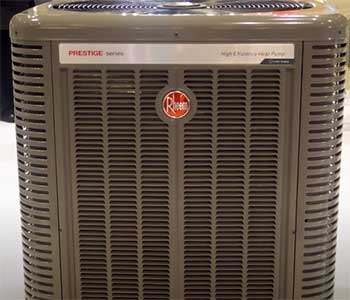
- Build Philosophy and Durability: Trane focuses on heavy-duty engineering with extensive factory torture testing that simulates years of harsh conditions. Their components often feel exceptionally robust for extreme weather. Rheem takes a practical, tough approach that emphasizes reliable everyday performance and cost-effective strength that holds up very well in typical residential settings.
- Efficiency and Energy Savings: Trane frequently reaches higher peak SEER2 ratings and uses advanced variable-speed technology that fine-tunes output to match exact needs, which can lead to bigger reductions in monthly utility bills. Rheem provides very competitive efficiency levels, particularly in their upper-midrange models, offering excellent savings that feel well-matched to the investment.
- Technology and Smart Features: Trane stands out with systems like ComfortLink II that provide detailed diagnostics and tight system integration. Rheem counters effectively with the EcoNet platform, which many homeowners describe as straightforward for remote temperature adjustments, usage tracking, and timely maintenance notifications.
- Noise and Comfort: Both brands operate quietly enough for most neighborhoods, but Trane often achieves lower decibel ratings through extra sound-dampening materials and smoother variable-speed operation. Rheem models also stay impressively calm, especially their two-stage and variable-speed versions that minimize sudden starts and stops.
- Installation and Serviceability: Rheem units frequently feature layouts that technicians appreciate for quicker access during routine service or repairs. Trane systems sometimes involve more specialized components that can influence part availability and labor time depending on your local market.
- Warranty Experience: Rheem occasionally offers attractive conditional unit replacement coverage on higher-end models, providing extra reassurance if something major goes wrong early. Trane backs their products with solid long-term parts warranties, especially when you register the system promptly after installation.
Key Features of Trane Systems
I came to appreciate several thoughtful engineering choices that Trane builds into their equipment:
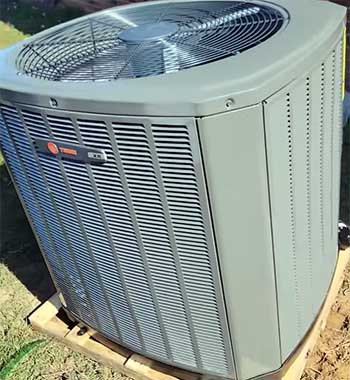
- Climatuff compressors designed and tested for outstanding reliability even when pushed hard in demanding conditions.
- Spine Fin coils constructed from aluminum for better corrosion resistance and more effective heat exchange compared to traditional designs.
- Variable-speed blowers and compressors that deliver smoother airflow, superior humidity removal, and consistently quiet performance.
- Advanced communicating controls that allow the entire system to self-adjust and provide clear diagnostic information.
- Durable outdoor cabinets with protective WeatherGuard features that help withstand rain, hail, and debris.
- High-efficiency configurations capable of cutting cooling and heating expenses substantially in regions with extreme temperatures.
- Comprehensive real-world durability testing that gives confidence the system will perform season after season.
These elements combine to create systems that many owners describe as set-it-and-forget-it solutions built for peace of mind.
Pros of Choosing Trane
I understand why many people select Trane when they want premium long-term performance:
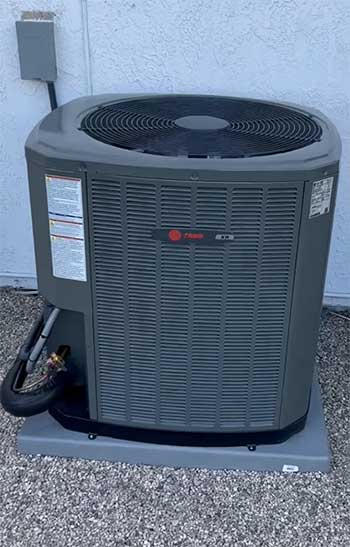
- Outstanding durability that frequently results in 15 to 20 years or more of dependable service with regular maintenance.
- Top-tier efficiency ratings that can produce significant monthly savings on electricity or gas over the life of the system.
- Exceptionally quiet operation that keeps indoor and outdoor noise levels low, which matters a lot near bedrooms or outdoor living spaces.
- Precise temperature and humidity control that creates more consistent indoor comfort even during humid summers or frigid winters.
- Excellent brand reputation supported by thorough testing and high-quality internal components.
- Particularly well-suited for homes in regions with severe weather swings or prolonged extreme seasons.
- Potential to enhance home resale appeal thanks to its recognized premium status.
- Proactive diagnostic capabilities that help catch small issues before they become expensive problems.
Choosing Trane often feels like making a solid investment in comfort and reliability that continues paying dividends for years.
Cons of Choosing Trane
Being realistic, I also noted several considerations that might give some homeowners pause:
- Noticeably higher purchase and installation prices that can add several thousand dollars versus comparable Rheem configurations.
- Elevated costs for replacement parts and repairs whenever service becomes necessary.
- Occasional longer wait times for specialized components in areas where Trane-certified technicians or stock are limited.
- Best results require installers who are highly experienced with their communicating control systems and precise setup requirements.
- The premium pricing means you should carefully calculate your expected energy savings payback timeline based on local rates.
- Some models may include more advanced technology than strictly needed if your main goal is straightforward, reliable heating and cooling.
Key Features of Rheem Systems
Rheem impressed me with several practical innovations that focus on usable value:
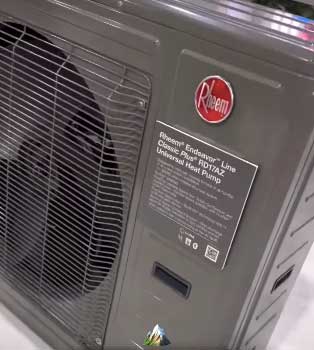
- Dependable scroll compressors that run smoothly, efficiently, and with minimal vibration for consistent comfort.
- EcoNet smart connectivity that lets you monitor and control your system from a phone app with helpful energy reports and alerts.
- Sturdy louvered steel cabinets and corrosion-resistant materials that protect against outdoor elements year after year.
- Available two-stage and variable-speed operation that strikes a nice balance between comfort levels and operating costs.
- Competitive SEER2 ratings across their lineup that translate into noticeable energy savings for the money spent.
- Conditional unit replacement warranties on select premium models that add meaningful protection against early failures.
- Service-friendly designs that make maintenance visits and any necessary repairs quicker and more straightforward for technicians.
Rheem systems often feel like modern, capable equipment that avoids unnecessary complexity while still delivering strong everyday results.
Pros of Choosing Rheem
Rheem earned my respect in many practical categories that matter to everyday users:
- Strong overall value that combines capable performance with more approachable upfront costs.
- Very good efficiency ratings that still deliver meaningful reductions in energy bills without requiring the highest investment.
- Designs that many HVAC professionals prefer because they allow faster and often less expensive service calls.
- Appealing warranty terms, including potential full unit replacement coverage on certain higher models.
- Reliable quiet operation that maintains comfortable indoor conditions without drawing attention.
- User-friendly smart controls through EcoNet that make daily adjustments and monitoring simple and effective.
- Broad availability and widespread familiarity among contractors in many regions of the country.
- Balanced engineering that provides modern capabilities while keeping things practical and dependable.
In many situations, Rheem delivers the majority of premium benefits at a price that feels easier on the budget.
Cons of Rheem
I also recorded a few potential limitations worth keeping in mind:
- Maximum efficiency ratings that, while competitive, sometimes fall just short of Trane’s flagship models.
- Durability reputation that remains excellent but may not carry quite the same reputation for extreme-condition toughness in every comparison.
- Noise performance that stays good across the board but does not always match the absolute lowest levels of Trane’s quietest offerings.
- Customer service quality that can vary more noticeably depending on your specific local dealer network.
- Slightly fewer ultra-advanced technology integrations on their standard product lines compared to Trane’s top offerings.
- In particularly punishing climates with constant high heat, salt air, or extreme cold, some homeowners still lean toward Trane’s heavier construction.
My Perspective on Performance and Ownership
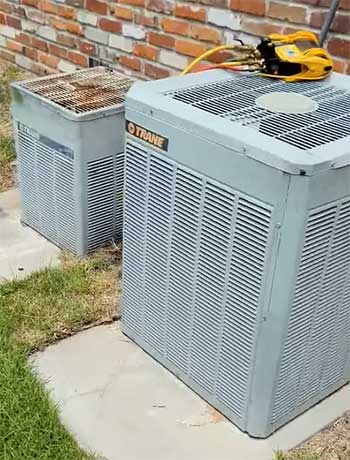
Actually living with these systems shifts how the specifications feel in daily life.
A Trane system gave me steady confidence during brutal heat waves and sudden cold fronts—the temperatures stayed even, humidity stayed controlled, and the noise barely registered.
Rheem provided comfortable, worry-free operation with energy bills that stayed reasonable month after month and service visits that felt quicker and more routine.
I learned that installation quality often influences results more than the brand name itself.
A well-installed Rheem can outperform a rushed Trane setup. Local climate played a big role in my thinking—variable-speed technology from either brand helped tremendously with humidity control in my area.
- Total Cost of Ownership Considerations
The sticker price only tells part of the story. Trane’s higher initial outlay can eventually balance out through superior efficiency and extended service life. Rheem frequently shows lower overall costs when you add installation, routine maintenance, and any future repairs.
I suggest gathering several detailed quotes, reviewing available rebates or incentives for high-efficiency equipment, and running the numbers against your actual energy rates and expected usage patterns.
- Which One Did I Ultimately Choose?
After weighing everything, I selected a Rheem system for my own house. The combination of solid performance, attractive warranty coverage, easier serviceability, and better alignment with my budget made the decision feel right.
Even so, I would comfortably recommend Trane to anyone who values absolute top efficiency and durability and has the budget to match. Both brands sit well above many other options and can provide years of dependable comfort.
Also Read: Is Ducane Air Conditioner Worth It?
Frequently Asked Questions (FAQ)
Neither brand wins in every situation. Rheem usually offers better value and simpler service while Trane leads in peak efficiency and extreme durability. Your specific home needs, climate, and budget should guide the choice.
Both Trane and Rheem earn high marks for reliability. Trane often stands out for toughness in tough conditions, while Rheem provides very consistent performance that satisfies many long-term owners. Quality installation and regular maintenance remain the biggest factors.
Take the age of your current air conditioner in years and multiply it by the quoted repair cost. When that total exceeds $5000, replacing the system generally makes more financial sense than fixing the old one.
It can be worth the premium if you want maximum efficiency, the quietest operation, and the strongest long-term resilience, especially in challenging climates. Many owners feel the extra cost pays back through comfort and lower bills over 15 years or longer, but Rheem remains an excellent lower-cost alternative when budgets are tighter.
Final Thoughts
In the end, I believe you should select the HVAC system that matches your house size, local weather patterns, financial comfort level, and personal priorities for quietness and smart features.
Speak with a few experienced local installers, ask for proper load calculations specific to your home, and compare complete proposals that include installation quality and full warranty details.
Whether you go with Trane’s robust engineering or Rheem’s practical value, you will gain a reliable system that keeps your family comfortable and your home running smoothly for many years ahead.
Take time with the decision and you will feel confident about the comfort you choose.