
When I first faced a major renovation in my own home, the choice between plasterboard and drywall left me scratching my head. I wanted walls that would last, look great, and fit my budget without any surprises down the line.
In this article, I break down everything I have discovered through hands-on experience and careful analysis so you can make the right call for your next project.
Whether you are updating a single room or building from scratch, I share the real differences, features, and practical tips that matter most to everyday users like us. By the end, you will feel confident picking the option that suits your needs perfectly.
| Aspect | Plasterboard | Drywall |
| Common Names | Gypsum board, Gyprock | Sheetrock, gypsum board |
| Main Regions Used | UK, Europe, Australia | United States, Canada |
| Core Material | Gypsum plaster between paper layers | Gypsum plaster between paper layers |
| Standard Thickness | 12.5mm or 15mm | 1/2 inch or 5/8 inch |
| Weight per Sheet | Around 20-30 kg | Around 20-30 kg |
| Fire Resistance | Naturally high due to gypsum | Naturally high due to gypsum |
| Installation Speed | Fast, screw or nail to studs | Fast, screw or nail to studs |
| Cost per Square Meter | Generally affordable | Generally affordable |
| Sound Insulation | Good with special types | Good with special types |
| Moisture Handling | Standard needs protection; MR versions available | Standard needs protection; MR versions available |
| Repair Ease | Simple patch and sand | Simple patch and sand |
Key Differences Between Plasterboard And Drywall
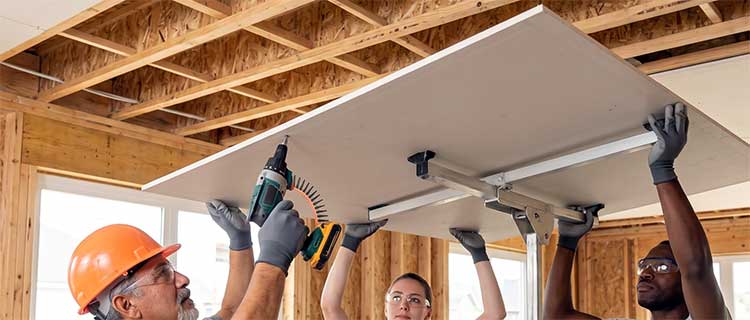
- Terminology and Where You Live: The biggest split I notice is purely regional. When I order plasterboard in Britain or Australia, everyone knows what I mean, but cross the Atlantic and the same product goes by drywall. I have ordered materials online only to realize the supplier listed both terms interchangeably. This naming thing never changes the actual board, yet it can confuse suppliers if you are not clear. In practice, I always double-check the spec sheet regardless of the label to make sure I get the fire-rated or moisture-resistant version I need.
- Slight Variations in Standards: Manufacturing follows local building codes, so a plasterboard sheet from a European plant might carry different certifications than a US drywall panel. I found the UK versions sometimes include additives for better acoustic performance straight out of the box, while American drywall often emphasizes fire ratings for residential codes. These tweaks are minor, but they matter when you are working on a code-compliant extension. I once swapped brands mid-project and noticed the edge taper felt a touch different, but the end result stayed identical after finishing.
- Branding and Availability: Certain brands dominate each market. In the UK you see Gyprock or British Gypsum everywhere, while the US leans on Sheetrock or USG. I prefer stocking up locally because delivery times and pricing stay predictable. During one supply shortage, I learned the hard way that importing the other term just added unnecessary cost and delay.
- Perception Among Tradespeople: Carpenters I worked with in different countries treat the product the same way on site, yet they call it by their local name. This never affects quality, but it does shape how you ask for quotes or advice. I always translate the term when chatting with crews from overseas to avoid mix-ups.
- Environmental and Recycling Labels: Some plasterboard carries stronger green credentials in Europe due to stricter recycling mandates, while US drywall focuses on low-VOC paper. I check these details now because sustainable choices matter more than ever in my recent projects.
Key Features of Plasterboard And Drywall
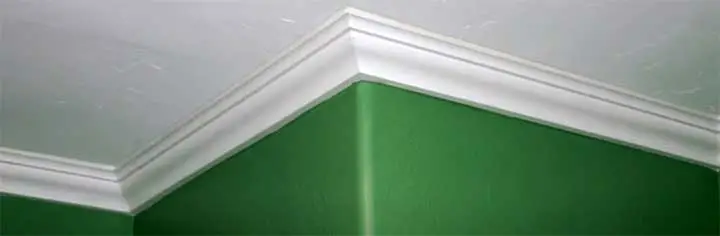
- Gypsum Core for Fire Protection: The heart of every sheet is gypsum, which releases water vapor when heated and slows fire spread. I have seen test videos where these panels hold up for over an hour under intense heat, giving you precious escape time. In my own garage conversion, I chose fire-rated versions and slept easier knowing the code requirements were met without extra layers.
- Paper Facing for Strength and Finish: The outer paper layers lock everything together and provide a perfect surface for joint compound. I tape the seams, apply a few coats of mud, and sand to a glass-like finish that takes paint beautifully. This facing also resists minor scuffs during construction, though I still protect edges with corner beads.
- Tapered or Square Edges: Most sheets come with tapered long edges that let the joint compound sit flush. I love this detail because it hides seams completely after sanding. Square edges work great for butt joints in less visible areas, saving me time on small repairs.
- Moisture-Resistant Options: Green or blue boards handle humid areas like bathrooms without swelling. I installed MR plasterboard around a shower enclosure years ago, and it still looks fresh after daily steam. Just remember to use the right screws and sealants to keep water out.
- Soundproofing Capabilities: Standard sheets already dampen noise better than thin alternatives, but acoustic versions with special cores take it further. In my open-plan living space, adding sound-rated drywall cut neighbor noise dramatically and made family movie nights far more enjoyable.
- Lightweight Yet Rigid: Each panel weighs enough to feel substantial but stays manageable for solo work. I can carry a sheet upstairs without help on most days, which speeds up solo renovations.
- Easy Cutting and Shaping: A simple score and snap gives clean edges every time. For curves or outlets, I use a drywall router or keyhole saw. This flexibility turned tricky ceiling cuts into quick tasks.
- Compatibility with Insulation: These boards pair perfectly with batts or rolls in the cavity. I always fill the space first for better thermal and acoustic performance, then fix the sheets over the top.
- Wide Range of Thicknesses and Sizes: From 9.5mm for ceilings to thicker options for impact zones, the variety lets me match the job exactly. Standard 1200mm by 2400mm sheets fit most stud spacing without waste.
What Plasterboard Really Means To Me?
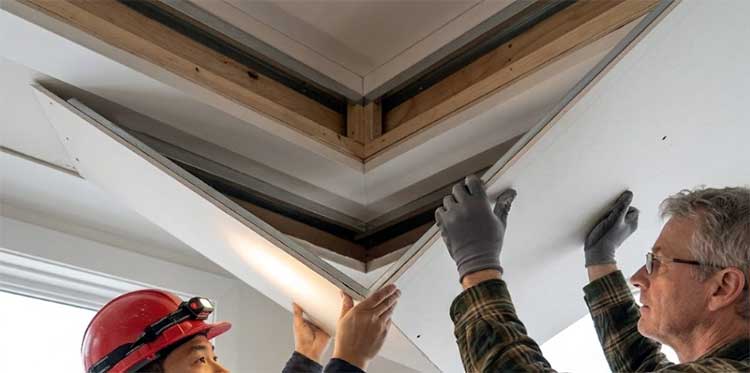
I remember walking into my first UK supplier years ago and asking for plasterboard sheets. The sales guy handed me exactly what I needed for a quick ceiling job, and it clicked right away. Plasterboard is that familiar panel with a gypsum core wrapped in tough paper on both sides.
It feels solid yet light enough for one person to handle on a good day. In my experience, the 12.5mm thickness works wonders for most interior walls because it balances strength and weight without overwhelming the framing.
You get a smooth base ready for finishing, and the tapered edges make jointing straightforward. Over time, I have come to appreciate how it resists everyday knocks better than I expected, especially when I pair it with proper fixing.
Pros of Plasterboard
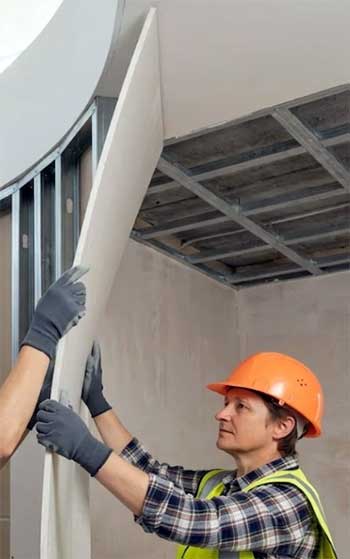
- Speed of Installation Saves Weeks: I can cover an entire room in a day with a helper, compared to the multi-day process of traditional wet methods. This speed kept my renovation on budget and let me move back in faster than planned.
- Consistent Quality Every Time: Factory-made sheets arrive straight and uniform, so I spend less time leveling walls. In one project, every panel fitted perfectly, reducing frustration and material waste.
- Affordable for Large Areas: Material costs stay low, and labor drops because no specialist plasterer is required. I have completed whole-house jobs for a fraction of what wet plaster would have cost.
- Simple Repairs Anyone Can Do: A dent or hole gets patched with filler, tape, and a quick sand. I fixed a basketball-sized impact in my kids’ playroom in under an hour, and the wall looked brand new.
- Excellent Fire Performance Built In: Gypsum naturally resists flames, so I meet safety codes without extra expense. This feature gave me peace of mind in a timber-framed extension.
- Versatile for Any Room: From bedrooms to kitchens, the boards adapt with the right type. I even used them in a basement where moisture levels fluctuate, thanks to proper sealing.
- Smooth Modern Look: After jointing, the surface accepts any paint or wallpaper without texture issues. I achieved a flawless finish that still gets compliments years later.
- Lightweight for Upper Floors: Reduced weight means less strain on joists. In my loft conversion, this choice avoided expensive structural upgrades.
- Environmentally Friendlier Than You Think: Many manufacturers recycle waste gypsum, and the boards themselves can be recycled at end of life. I now specify low-impact options whenever possible.
Cons of Plasterboard
- Can Dent or Crack Under Impact: A solid knock from furniture leaves a visible mark that needs patching. I learned to add extra protection behind doors in high-traffic zones.
- Jointing Takes Skill and Time: Getting the mud and tape perfect requires practice. My first attempts showed faint lines until I mastered feathering the edges.
- Standard Versions Hate Moisture: Without the right type or sealing, water causes swelling and crumbling. I had to replace a small section in a poorly ventilated utility room.
- Sound Transmission Needs Extra Help: Normal sheets let some noise through unless you add resilient channels or thicker insulation. In my home office, I upgraded mid-build to keep conversations private.
- Dust Everywhere During Cutting: The fine powder gets into everything. I always wear a mask and use a vacuum attachment to keep the site clean.
- Limited Load-Bearing Without Extras: Heavy shelves need proper anchors or blocking. I once had to reinforce a wall before hanging a large TV.
- Finishing Can Feel Repetitive: Multiple coats of compound and sanding wear you out on big jobs. I break it into stages with good lighting to stay accurate.
Also Read: Comparison of Drywall Hawk And Mud Pan.
How Drywall Fits Into The Picture?
Switching to projects in the States taught me that drywall is the exact same board under a different label. I once helped a friend with his new build, and we loaded up on what he called drywall panels. Same gypsum core, same paper facing, same performance on site.
The name drywall comes from the dry installation process that skips all the wet mess of older methods. For me, the 5/8 inch thickness became my go-to for load-bearing walls because it adds just enough rigidity without extra cost.
You cut it with a utility knife, snap it clean, and screw it home in minutes. That speed turned what could have been a week-long job into a couple of days.
Pros of Drywall
- Quick Dry Process Means Faster Move-In: No waiting for weeks of curing like older techniques. I finished a full interior in record time and hosted guests the same month.
- Wide Availability Across Suppliers: Every hardware store stocks it, so last-minute changes cost nothing. During one rush job, I grabbed extra sheets at 7pm and kept working.
- Standardized Sizes Fit US Framing: The 4×8 foot panels match stud spacing perfectly, cutting waste to almost zero. This precision saved me money on every project.
- Easy to Modify Later: Running new wiring or plumbing is straightforward because you can cut and patch cleanly. I have opened walls multiple times without major hassle.
- Strong Thermal Pairing with Insulation: Combined with modern batts, it creates energy-efficient homes. My utility bills dropped noticeably after the upgrade.
- Paint-Ready Surface in Days: Once taped and sanded, you prime and paint the same week. I achieved a fresh look without long delays.
Cons of Drywall
- Susceptible to Seasonal Movement: In extreme climates, hairline cracks can appear at joints if framing shifts. I monitor new builds closely for the first year.
- Thinner Feel Compared to Older Walls: Some homeowners miss the solid thunk of thicker traditional finishes. I added mass-loaded vinyl in quiet rooms to compensate.
- Requires Careful Handling on Site: Sheets can snap if flexed too much during carry. I always use two people for long lifts to avoid waste.
- Finishing Dust Is a Big Cleanup Job: The sanding stage creates clouds that settle everywhere. I invest in good ventilation and dust barriers now.
- Not Ideal for Very Curved Walls: Straight panels need extra framing for dramatic curves. In one feature wall, I switched to a different method halfway through.
Also Read: My Experience With Rounded Drywall Corners.
Frequently Asked Questions (FAQ)
No, they are the same product with different regional names, so performance is identical.
The name highlights the dry installation method that skips wet plaster and speeds up construction.
It can dent easily, requires careful joint finishing, and standard types need moisture protection.
Yes, after taping joints, applying compound, sanding smooth, and using a primer.
Final Thoughts
In wrapping this up, I truly believe understanding plasterboard and drywall comes down to seeing them as the same reliable material wearing different regional hats. You now have the details I wish I had years ago, so go ahead and tackle your walls with confidence.
Whether you call it plasterboard or drywall, the right choice will serve you well for decades. I hope my experiences help you avoid pitfalls and enjoy the satisfaction of a job done right.