
I have tackled plenty of home renovation jobs over the years, and the sheetrock versus drywall debate always pops up when it comes time to finish interior walls.
My main intent here is to lay out a clear, side-by-side look at both options so you can pick the right one for your project without second-guessing yourself.
I will cover everything from what sets them apart to real-world performance, helping you feel confident about the materials you choose for your next build or remodel.
| Aspect | Drywall | Sheetrock |
| Definition | General term for gypsum-based wall panels | Brand name owned by USG for their gypsum panels |
| Core Material | Gypsum plaster core between paper layers | Same gypsum core with paper facing |
| Cost per Sheet | Lower on average, especially generic brands | Higher due to brand premium |
| Quality Consistency | Varies by manufacturer | Known for tight manufacturing standards |
| Thickness Options | 1/4 inch to 5/8 inch common | Same range available |
| Fire Resistance | Available in Type X versions | Same options, often marketed as reliable |
| Moisture Resistance | Green-board variants exist | Similar moisture-resistant lines offered |
| Installation Ease | Standard taping and mudding process | Identical process, tools, and techniques |
| Weight per Sheet | Roughly 50-60 pounds for 4×8 standard | Matches drywall weight exactly |
| Common Applications | Residential walls, ceilings, commercial | Same uses, frequently specified by name |
Key Differences Between Sheetrock And Drywall
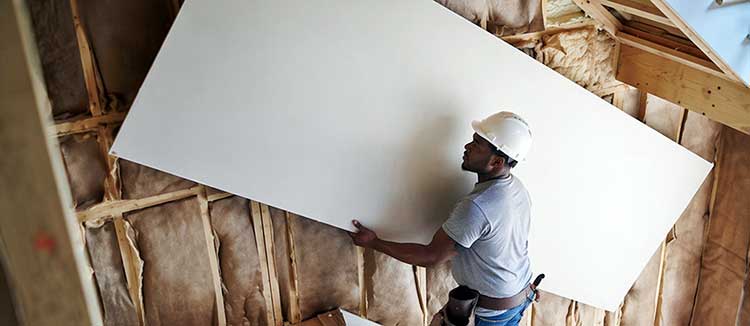
- The biggest distinction I notice every time I walk into a supply store is that drywall serves as the everyday umbrella term for any gypsum panel product while sheetrock points specifically to the line manufactured by one company. I have grabbed both off the shelf and the only real label difference is the branding sticker on the sheetrock bundles, yet that sticker alone can influence how contractors bid a job because some clients insist on the name they recognize from ads.
- When I compare how they perform on the job site, the manufacturing tolerances on sheetrock feel a touch more uniform from one batch to the next, which matters when I am trying to keep seams straight across a long wall. Generic drywall still gets the job done but I have occasionally found slight variations in core density that make the panels a hair more prone to cracking if I do not handle them carefully during transport.
- Cost shows up as another clear split in my experience. I once priced out a full basement finish and the generic drywall came in about fifteen percent lower per square foot, letting me stretch my budget to better insulation instead. Sheetrock carries that extra price because of the name, the warranty backing, and the marketing that positions it as the trusted choice for high-end homes.
- Availability patterns differ too. In smaller towns I visit for side jobs, the local lumberyard stocks plenty of generic drywall but only orders sheetrock when a big project calls for it, which can delay my timeline if I do not plan ahead. Larger metro suppliers keep both in steady supply, yet the branded stock sometimes moves faster because builders specify it by name on blueprints.
- Environmental certifications and recycling programs feel more prominently advertised with sheetrock, which appeals to me when clients ask about green building credits. Generic drywall meets the same standards on paper but the documentation process can require extra phone calls to the supplier to confirm exact paper content percentages and recycled gypsum ratios.
- Warranty language stands out in my analytical breakdowns. Sheetrock often includes a written guarantee against manufacturing defects for a set number of years, giving me peace of mind when I sign off on a large commercial tenant build-out. Generic drywall warranties tend to be shorter or handled directly through the retailer, which can mean more paperwork if something goes wrong months later.
- Sound transmission ratings and fire-rated options exist equally in both, yet I have seen sheetrock bundles labeled with clearer testing data right on the edge tape, making code inspections smoother when inspectors want quick proof of compliance. Generic versions require me to keep the manufacturer spec sheets handy instead.
- Color coding on the paper facing helps me sort panels quickly on site, and sheetrock uses a consistent purple or green scheme across its moisture and fire lines that I have grown used to spotting from twenty feet away. Cheaper drywall brands sometimes use slightly different shades, which has led to mix-ups in the middle of a busy day.
- Long-term reputation in the trades community plays a role in my decision making. I hear sheetrock mentioned more often in positive stories about older homes that still have straight walls decades later, while generic drywall gets praised mainly for value in new construction where budgets rule every choice.
- Packaging and edge protection differ noticeably. Sheetrock arrives with thicker corner guards and tighter plastic wrapping that survives bumpy truck rides better, saving me from trimming damaged edges on arrival. Generic sheets sometimes show up with more scuffs, forcing me to plan extra waste in my material order.
Key Features of Sheetrock And Drywall
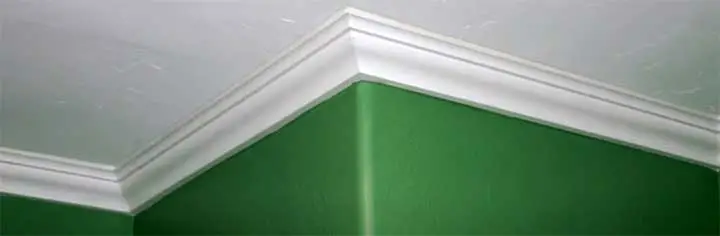
- Both products share a gypsum core that delivers excellent fire resistance because the mineral releases water vapor when heated, slowing flame spread in a way that has saved structures during real fires I have studied in post-incident reports.
- The paper facing on each side creates a smooth surface ready for paint or texture after I finish the joints, and I appreciate how it accepts primer evenly without excessive absorption that could lead to blotchy final coats.
- Standard 4-by-8-foot sheets dominate my orders, but I also keep 4-by-12 options on hand for taller ceilings because they reduce the number of horizontal seams I need to tape and mud, cutting labor time significantly.
- Tapered edges on the long sides allow for seamless joint compound application, and I have perfected the technique of feathering the mud so the finished wall looks perfectly flat under critical lighting.
- Weight stays manageable for one or two people to carry, which matters when I am working solo on weekend projects and cannot afford to strain my back lifting heavier alternatives like cement board.
- Screw and nail holding power feels reliable once the panels are secured to studs spaced 16 or 24 inches on center, and I always pre-drill near the edges to prevent tearing the paper facing.
- Thermal and acoustic properties help moderate indoor temperatures and reduce noise transfer between rooms, making both materials smart choices for bedrooms or home offices where comfort counts.
- Recycled content in modern versions reaches high percentages, and I like knowing that the gypsum itself comes from abundant natural deposits or byproduct sources from power plants, lowering the overall environmental footprint.
- Mold resistance appears in specialized lines through additives in the core or facing, which I choose for bathrooms or basements where humidity spikes during summer months.
- Compatibility with electrical boxes, plumbing lines, and HVAC runs makes both options flexible during rough-in stages, and I can cut precise openings with a utility knife and drywall saw in minutes rather than hours.
Also Read: Rounded Drywall Corners Reviews.
Pros of Drywall

- I save real money every time I choose generic drywall because the price difference adds up fast on large square footage jobs, and that extra cash lets me upgrade fixtures or add better insulation elsewhere in the project. Over multiple rooms this can mean hundreds of dollars staying in my pocket or going toward higher-quality paint and trim work that improves the overall look.
- Multiple manufacturers compete for my business, which drives innovation in lighter-weight panels that still meet code without sacrificing strength, something I noticed on a recent garage conversion where the newer generics felt easier on my shoulders and reduced physical strain during long installation days.
- Local suppliers stock generic drywall in huge quantities year-round, so I never worry about backorders even during busy spring remodeling season when everyone else scrambles for materials, allowing me to keep the project moving without unexpected delays that frustrate clients.
- Flexibility in sourcing means I can mix and match thicknesses from different vendors to create custom solutions, like using thinner panels on curved walls and standard ones on flat sections without breaking the bank, giving me creative freedom on unique room layouts.
- Environmental impact feels lower because many generic brands focus on regional sourcing, cutting transportation emissions compared to products shipped from distant branded factories, which aligns with my preference for supporting local economies while keeping the job greener.
- Easy customization options exist for specialty needs, such as impact-resistant versions for high-traffic hallways, and I have installed them successfully in kids’ playrooms without needing premium pricing, making tough-use areas more durable on a standard budget.
- Quick learning curve for beginners appeals to me when I teach friends how to hang walls, since the material behaves predictably and mistakes with joint compound are simple to sand out and fix, building confidence for do-it-yourself enthusiasts tackling their first big project.
- Wide range of edge treatments and sizes accommodates odd-shaped rooms, and I have used scraps efficiently on smaller accent walls without feeling like I wasted expensive branded stock, maximizing every dollar spent on materials.
Cons of Drywall
- Quality can swing wildly depending on the supplier I pick, and I have opened bundles only to find core inconsistencies that required extra mud to hide imperfections after sanding, sometimes turning a straightforward job into one that demands more finishing time and effort.
- Lower brand recognition sometimes makes clients nervous during bidding, forcing me to spend time explaining specs instead of focusing on the actual installation schedule, which can slow down the quoting process and create unnecessary doubt about the final outcome.
- Warranty support feels less robust, so when a rare manufacturing flaw appears months later I end up negotiating directly with the store rather than relying on a strong corporate guarantee, adding stress and potential out-of-pocket costs if issues arise after handover.
- Packaging tends to be minimal, leaving sheets more vulnerable to damage during delivery on rainy days, which means I lose a few panels to moisture spots that I have to discard or cut around, increasing overall material waste and slightly raising the effective cost.
- Sound and fire ratings require me to double-check third-party test data because not every generic batch advertises the numbers as clearly, adding steps to my pre-job planning and requiring extra organization to keep the right documentation ready for inspectors.
- Availability of very specialized finishes like high-abuse or sag-resistant ceiling panels can be spotty in rural areas, pushing me toward special orders that delay the timeline and complicate scheduling with other trades on multi-contractor sites.
Also Read: Alternatives To Fire Rated Drywall.
Pros of Sheetrock
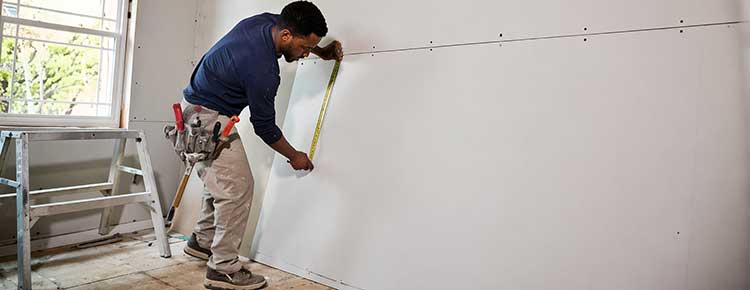
- Consistent performance across every bundle gives me confidence when I bid large commercial jobs where uniformity matters for the final appearance under bright office lighting, reducing callbacks and ensuring the walls look professional from day one.
- Strong name recognition helps me close deals faster because homeowners already trust the product from years of seeing it advertised and used in friends’ houses, making the sales conversation smoother and helping projects get approved more quickly.
- Detailed technical support from the manufacturer means I can call with questions about specific fire-rated assemblies and get clear answers backed by engineering data, which saves me research time and prevents costly mistakes during planning.
- Superior edge protection and packaging reduces on-site waste, which keeps my material costs predictable even when I factor in delivery over rough roads, allowing tighter budget control from start to finish.
- Clear labeling on fire and moisture ratings speeds up inspections, and I have saved hours of back-and-forth with building officials because everything I need is printed right on the panel, streamlining the approval process on time-sensitive jobs.
- Long track record in the industry means I can reference decades-old installations that still look solid, reassuring clients who worry about future resale value and giving them tangible proof that the investment holds up beautifully over time.
- Integrated system of compatible joint compounds and tapes from the same company creates a smoother workflow that I notice in faster finishing times on big projects, letting me complete rooms quicker and move on to the next phase without hiccups.
- Recycling programs tied directly to the brand make it easier to divert scrap from landfills, aligning with my personal goal of greener job sites and making it simple to meet sustainability targets when clients request eco-friendly practices.
Cons of Sheetrock
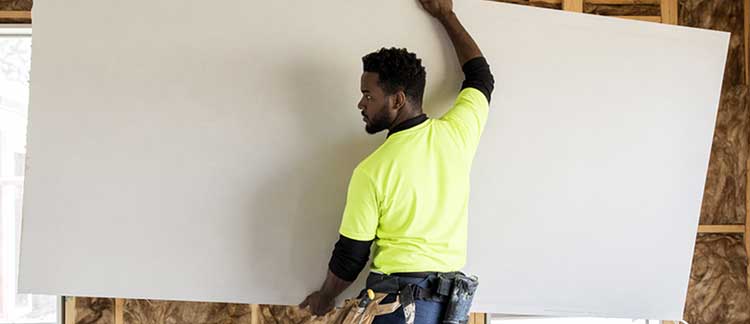
- Higher upfront cost eats into budgets on tight-margin flips or rental property rehabs, where every dollar counts and generic alternatives perform nearly identically, sometimes forcing me to cut back on other upgrades like better lighting or flooring to stay on target.
- Limited distribution in some smaller markets forces me to plan orders weeks ahead or pay rush shipping fees that cancel out any perceived quality advantage, complicating logistics and potentially pushing back the entire construction schedule.
- Brand loyalty requirements from certain general contractors lock me into using only sheetrock even when a different generic would suit the job perfectly, reducing my flexibility and occasionally leading to unnecessary expense on straightforward residential work.
- Heavier marketing focus sometimes overshadows practical differences, leading clients to expect miracles from the name alone instead of understanding that proper installation technique matters more, which can create mismatched expectations about how the finished walls will perform.
- Slightly stricter handling recommendations mean I cannot cut corners on storage, which adds minor hassle when my shop space is already packed with other materials and requires more careful organization to avoid any edge damage.
- Premium pricing does not always translate to measurable performance gains in standard residential settings, making me question the extra expense on straightforward bedroom remodels where the walls face normal wear and tear rather than extreme conditions.
Also Read: Differences Between Drywall Trowel And Concrete Trowel.
Frequently Asked Questions (FAQ)
Drywall is generally cheaper because it includes generic brands without the premium attached to the sheetrock name.
No, standard sheetrock is not waterproof, though moisture-resistant versions handle humidity better than regular panels.
The three common types are standard drywall for general walls, fire-resistant Type X for code-required areas, and moisture-resistant green board for bathrooms and kitchens.
Americans call it drywall because the panels install dry and ready to finish right away, unlike traditional wet plaster methods that required days of drying time.
Final Thoughts
In wrapping this up, I believe you now have the full picture to choose confidently between sheetrock and drywall for your own walls. I have laid out the facts from real job-site experience so you can weigh the trade-offs and match the material to your budget, timeline, and performance needs.
Whether you go with the trusted brand or the value-driven generic, the end result depends on how carefully you install and finish it. Take these insights, grab your measuring tape, and build something solid that lasts.