
I’ve spent years fixing up homes, from my first fixer-upper where the walls were a total mess to helping friends with their new builds.
That’s why I decided to write this piece on drywall versus gypsum board – to clear up the confusion many of us face when staring at material lists or talking to contractors.
My goal here is simple: walk you through exactly what sets them apart, their real-world strengths and weaknesses, and how to pick what works best for your project so you avoid costly mistakes and get walls that last.
| Aspect | Drywall | Gypsum Board |
| Core Material | Gypsum plaster core between paper layers | Pure gypsum core pressed between paper liners |
| Common Use | Installed system for walls and ceilings | Individual panels used in construction |
| Installation Speed | Fast, dry process with screws and tape | Same speed but often specified in plans |
| Fire Resistance | High due to gypsum content | Equally high, often code-required |
| Cost per Sheet | Typically $12–$18 for standard 4×8 | $13–$20 depending on brand and specs |
| Moisture Handling | Standard versions absorb; green boards resist | Similar, with moisture-resistant options |
| Weight per Sheet | Around 50–60 lbs for 1/2-inch | Nearly identical, 50–60 lbs |
| Durability | Strong when taped properly | Strong, with edge reinforcement in some lines |
| Best For | Quick home remodels and new construction | Precise architectural specs and commercial |
Key Differences Between Drywall And Gypsum Board
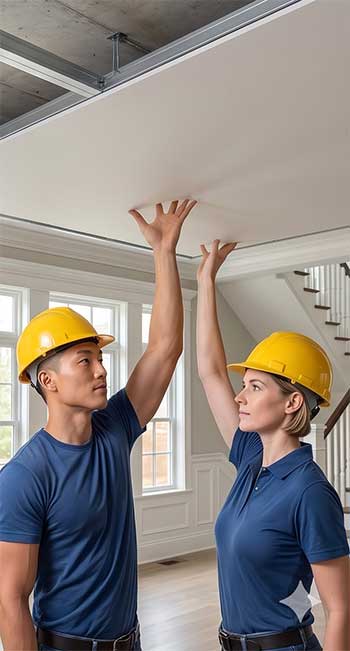
- Terminology and Specification: Drywall is the everyday word you and I use at the lumber yard, while gypsum board appears in formal plans and codes. I once had an inspector ask for “gypsum board” documentation even though we installed what I called drywall – it’s the same stuff, but the label matters on paper.
- Focus on Product Versus System: Gypsum board refers strictly to the panel itself, whereas drywall often describes the entire finished wall system including tape, mud, and texture. That distinction hit me when I finished my own living room; the gypsum board panels went up fast, but turning them into a seamless drywall surface took the real time and skill.
- Availability in Specialty Lines: Both come in fire-rated, water-resistant, and sound-deadening versions, but gypsum board specs often list exact performance numbers for commercial use, helping me choose the right panel when noise from the street was an issue in a bedroom addition.
- Cost and Branding: Drywall tends to be the generic, budget-friendly option you grab off the shelf, while some gypsum board carries brand names that guarantee tighter quality control. I saved money on a project by buying generic drywall but upgraded to labeled gypsum board in the garage for extra durability against tools and bikes.
- Handling and Cutting Ease: They feel identical in my hands, yet gypsum board sometimes has slightly reinforced edges that resist crumbling better during transport. I noticed this difference hauling sheets up stairs – the gypsum board versions held their corners sharper.
- Code Compliance: In many areas, inspectors reference gypsum board ratings directly, so I always double-check labels even if the store calls it drywall. This saved me a rework once when the fire-rated requirement called for 5/8-inch gypsum board specifically.
- Environmental Footprint: Both use mined gypsum, but some gypsum board lines emphasize recycled content more in marketing. I switched to one brand for an eco-conscious client, and the performance matched standard drywall perfectly.
- Sound and Thermal Properties: Gypsum board panels can be engineered with denser cores for better acoustics, which I tested in a home theater room. Drywall achieves similar results once finished, but the base board choice sets the foundation.
- Repair Simplicity: Fixing a hole feels the same whether you call it drywall or gypsum board, but I find the paper on gypsum board versions sometimes peels cleaner for patch work, making my repairs look invisible faster.
- Long-Term Stability: Over years, both resist warping if installed right, yet I’ve seen gypsum board hold up slightly better in high-humidity basements because some lines include extra moisture barriers right in the core.
These differences are subtle but real when you’re knee-deep in a project and every decision affects the timeline and budget.
What Drywall Really Means In Everyday Projects?
Drywall is the name most of us use when we walk into a big-box store and grab sheets to cover studs.
It’s that familiar panel you screw to the framing, tape the seams, and skim with compound until your walls look smooth and ready for paint.
I remember my first solo project in the garage – I bought what the clerk called drywall, hauled it home in my truck, and realized how lightweight and forgiving it felt compared to the old plaster I ripped out.
The beauty of drywall comes from its dry installation. No waiting days for wet plaster to cure. You cut it with a utility knife, snap it, and it breaks clean. That speed saved me weeks on a basement finish.
Key features I always look for include the tapered edges that make seams almost disappear after finishing and the consistent thickness that keeps everything level. In a typical 4×8 sheet, the gypsum core gives it fire resistance that beats older methods hands down.
You can hang it vertically or horizontally depending on your framing, and it handles most residential loads without sagging if you space screws every 12 inches on center.
From my experience, drywall shines in family rooms and bedrooms where you want quick results without hiring a full crew. It’s also forgiving if you’re a weekend warrior like me.
One time I mismeasured a corner, but because the material cuts so easily, I patched it in under an hour instead of days. You get options too – regular white-faced for standard rooms, green for bathrooms to fight moisture, and purple for extra mold resistance if your area stays humid.
Key Features That Make Drywall Stand Out
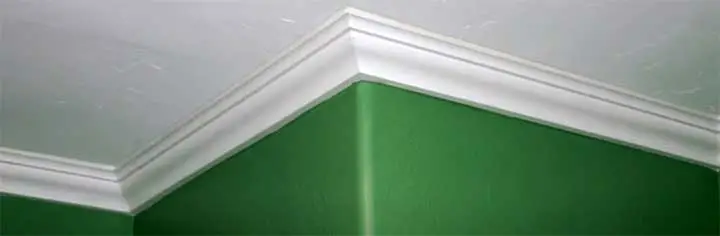
- Lightning-Fast Installation: I can cover a 12-by-20 room in a single weekend because drywall goes up dry. No mixing, no waiting – just screws, tape, and a few coats of mud.
- Fire Protection Built In: The gypsum core releases water vapor when heated, slowing flames. I sleep better knowing my kids’ bedrooms have this layer between them and any electrical issues.
- Affordable and Widely Available: You find it at every hardware store, and the price lets me tackle bigger projects without blowing the budget.
- Smooth Finish Potential: With proper taping, drywall creates walls that look like they were professionally plastered but without the mess or cost.
- Versatile Thickness Options: From thin 1/4-inch for repairs to thicker 5/8-inch for ceilings, I match the feature exactly to the need.
- Easy Painting and Texturing: The surface grips primer and paint evenly, and I can add knockdown texture in an afternoon to hide minor imperfections.
- Lightweight for Handling: Even a full sheet doesn’t kill my back when I lift it with a helper, unlike heavier alternatives.
- Sound Dampening When Layered: Stacking two layers with green glue between them turned my noisy laundry room into a quiet space.
Also Read: Comparison of WeatherLogic And Zip Sheathing.
Pros of Drywall
- Speed of Installation Saves Time and Labor Costs: Drywall’s dry process means I can hang an entire floor in days instead of weeks, cutting down on crew time and letting me move on to painting faster.
- Budget-Friendly for Most Home Projects: Standard sheets keep my material costs low, so I can allocate more budget toward finishes or other upgrades without sacrificing wall quality.
- Excellent Fire Resistance for Everyday Safety: The core’s natural properties slow fire spread, giving me real confidence in bedrooms and living areas where family spends the most time.
- Forgiving for DIY Enthusiasts: Even if I make a small measuring error, the material cuts cleanly and patches easily, turning potential disasters into quick fixes.
- Wide Availability at Local Stores: I never have to special-order basic drywall, which means I can start my weekend project immediately without delays.
- Strong Paint and Texture Adhesion: Once primed, the surface takes paint beautifully and holds texture well, so my walls look professionally finished with minimal extra effort.
- Versatile Application Across Room Types: From ceilings to closets, drywall handles most residential needs reliably without needing multiple material types.
- Light Weight Reduces Physical Strain: Sheets are manageable for one or two people, making solo or small-team installs less exhausting than heavier alternatives.
- Easy Repairs Keep Walls Looking Fresh: Small dents or holes disappear with simple patch kits, helping me maintain a clean look for years without major work.
- Proven Longevity When Installed Correctly: I’ve seen 20-year-old drywall still holding strong in homes I’ve revisited, showing it stands the test of time with proper taping.
Cons of Drywall
- Heavy Dust Creation During Sanding: The fine powder gets into every corner of the house, requiring thorough cleanup that adds hours to my project timeline.
- Vulnerability to Impact Damage: Kids, furniture, or accidental bumps easily create dents that need patching, especially in high-traffic hallways.
- Moisture Sensitivity in Standard Versions: Regular drywall softens with prolonged water exposure, forcing me to upgrade to special boards in bathrooms or kitchens.
- Seam Cracking Over Time if Not Taped Well: House settling can reveal hairline cracks if the joint work isn’t done carefully from the start.
- Significant Weight When Handling Multiple Sheets: Stacking and carrying dozens of sheets strains my back and requires careful planning for transport.
- Limited Soundproofing Without Extra Layers: Basic drywall transmits noise easily between rooms unless I add expensive sound-dampening materials.
- Disposal Challenges for Scraps: The mix of paper and gypsum creates waste that some recycling centers handle differently, complicating cleanup.
- Skill Required for Invisible Seams: Poor taping shows through paint, meaning I sometimes need to hire help for large or visible areas to get flawless results.
- Potential for Mold if Moisture Barriers Fail: In damp environments, even minor leaks can lead to hidden growth behind the walls.
- Not Ideal for Extreme Curved Designs Without Thinner Sheets: Standard thickness resists tight bends, limiting creative wall shapes unless I switch to specialty options.
How Gypsum Board Fits Into The Picture?
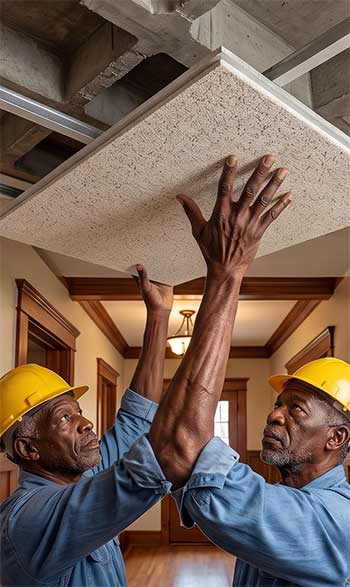
Gypsum board is the more technical label you’ll see on blueprints or in contractor bids.
It’s essentially the same panel – gypsum plaster squeezed between two sheets of heavy paper – but builders and architects use the term when they want to sound precise or meet code requirements.
I’ve seen it specified that way on commercial jobs where every detail gets documented for inspections.
What stands out to me about gypsum board is its role as the base product.
The gypsum itself comes from natural mineral deposits, crushed and heated to create the plaster core that locks in fire protection.
When I helped a neighbor with his office build-out, the plans called for gypsum board by name because it guaranteed certain fire ratings and sound transmission ratings.
The paper facing isn’t just wrapping; it adds strength and makes the board easier to handle without cracking during transport.
You’ll find gypsum board in every thickness from 1/4-inch for curved walls to 5/8-inch for better soundproofing between floors. I like how some versions come with additives that make them more impact-resistant for high-traffic areas like hallways.
During one kitchen remodel, we used moisture-resistant gypsum board behind the backsplash, and it held up perfectly against occasional splashes without swelling.
Key Features That Make Gypsum Board a Go-To Choice
- Precise Performance Ratings: Gypsum board comes with clear lab-tested numbers for fire, sound, and impact, which I rely on when codes demand proof.
- Consistent Quality Across Batches: Branded gypsum board feels uniform sheet to sheet, reducing surprises during a large install.
- Edge Reinforcement Options: Some gypsum board has stronger paper wraps that resist dents when I accidentally bump a corner with a ladder.
- Specialty Additives for Specific Needs: Mold-resistant cores or enhanced fire ratings let me customize without switching materials mid-project.
- Code-Approved Labeling: The markings on gypsum board make inspections breeze through because everything is documented right on the panel.
- Recyclable Core Material: The gypsum inside can often be crushed and reused, which matters to me on eco-friendly builds.
- Curved Wall Capability: Thinner gypsum board bends smoothly for arches without cracking, a trick I used in a fancy powder room redesign.
- Long Shelf Life in Storage: Gypsum board stacks stay flat and usable for months if kept dry, unlike some materials that warp.
Also Read: Comparison of Trusscore And Duramax Wall Panels.
Pros of Gypsum Board
- Reliable Code Compliance and Fire Ratings: Gypsum board meets strict standards out of the box, making inspections smoother and giving me documented protection against fire risks.
- Tighter Quality Control in Branded Lines: Uniform sheets reduce waste from defects, so my projects stay on schedule with fewer bad panels.
- Enhanced Edge Strength for Better Handling: Reinforced edges hold up during transport and cutting, meaning less crumbling and cleaner joints right from the start.
- Specialized Options for Challenging Environments: I can pick versions with built-in mold or impact resistance tailored exactly to bathrooms, basements, or busy hallways.
- Superior Sound Attenuation Potential: Denser cores combined with insulation create quieter spaces, especially useful in multi-story homes or near noisy streets.
- Professional Appearance on Blueprints: Using the technical name satisfies architects and inspectors, helping large or permitted projects move forward without questions.
- Good Recyclability and Sustainability Features: Many lines use recycled content, letting me feel better about the environmental side of my build or remodel.
- Predictable Performance in Curved Applications: It bends reliably for arches and rounded walls, opening up design possibilities that standard flat installs can’t match.
- Longer Storage Stability: Sheets stay flat and usable even after months in the garage, reducing material loss from warping or damage.
- Clear Labeling for Easy Identification: Markings on each panel help me confirm specs quickly, avoiding mix-ups when multiple types are on site.
Cons of Gypsum Board
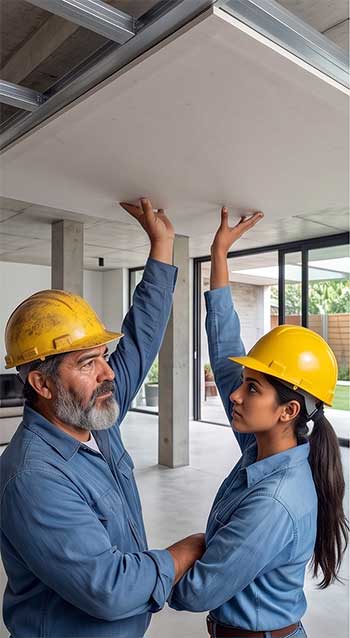
- Slightly Higher Cost for Premium Specifications: Branded or specialty gypsum board adds to the material budget, especially on whole-house projects where the difference multiplies.
- Potential Supply Chain Delays for Specific Types: Not every store stocks every rating or thickness, sometimes forcing me to wait or drive farther for the exact board needed.
- Same Dust Issues During Finishing: Sanding still creates mess, and the consistent core can sometimes produce finer particles that linger longer in the air.
- Susceptibility to Physical Damage Like Drywall: Dents from impacts remain a concern, requiring the same careful protection during construction phases.
- Extra Paperwork or Documentation in Some Areas: Inspectors may ask for specific gypsum board certs, adding small administrative steps I didn’t anticipate.
- Moisture Concerns Even in Resistant Versions: Without proper sealing and ventilation, even treated gypsum board can soften over years in very wet conditions.
- Heavier Perceived Weight on Large Orders: Ordering in bulk for commercial-style specs means more trips or bigger deliveries, increasing handling effort.
- Confusion in Retail Naming: Suppliers sometimes mix terms, leading to order errors that waste time until I clarify exactly what I need.
- Limited Flexibility in Very Tight Budget Scenarios: When every dollar counts, the slight premium over generic drywall can push me to choose the cheaper option instead.
- Requires Careful Storage to Avoid Paper Tears: The facing can rip if sheets shift or get wet, forcing me to be more protective than with basic stock.
Why The Choice Matters For Your Next Project?
When I weigh drywall against gypsum board for a new job, I look at the scope first. For a quick bedroom refresh, standard drywall gets the win for price and availability.
But if the plans call for specific ratings or I’m working on something that might face resale scrutiny, I reach for gypsum board by name.
Both deliver the same core benefits – fire safety, easy finishing, and modern convenience – yet the subtle differences in labeling and performance specs let me fine-tune. You’ll find that understanding these lets you talk confidently with suppliers and avoid overpaying for features you don’t need.
Also Read: Common Alternatives To Crete-Heat.
Frequently Asked Questions (FAQ)
Almost – they are often the same material, but gypsum board is the technical product name while drywall usually describes the installed system.
Interior walls, ceilings, and partitions in homes and commercial buildings.
Rushing the taping process and not recessing screws properly.
We do use it – it forms the core of both drywall and gypsum board because it’s fire-resistant and easy to work with; older wet plaster methods simply fell out of favor for speed.
Wrapping Up
I’ve walked you through the drywall versus gypsum board landscape from my own hands-on experience, and I hope this helps you tackle your project with clarity. You now know the small but important differences, the features that matter most, and how to weigh pros against cons for your specific space.
Whether you’re refreshing a single room or building an addition, choosing wisely means walls that look great, perform reliably, and stand the test of time. If you take one thing away, let it be this: both materials serve you well when you match them to your needs and install them carefully.
Go get those walls done right – you’ve got this.