
If you want a roof that shrugs off hail, cuts energy bills, and still looks like classic shingles after decades, Erie metal roofing is the product you should buy. I made the switch on my own house and the difference shows every season.
Skip the endless asphalt repair cycle and put money into something built to outlast the house itself. You will thank yourself every time a storm hits and your neighbors scramble while you stay dry and calm.
My Experience With Erie Metal Roofing
I spent two full seasons watching soft spots spread across my old asphalt roof and listening to the drip that started in the attic after every heavy rain.
Local crews gave me quotes that jumped all over the place.
Most of them pushed “premium” shingles that still only carried twenty-year warranties and looked tired after five seasons in our weather.
One afternoon an Erie representative showed up with a sample panel of stone-coated steel.
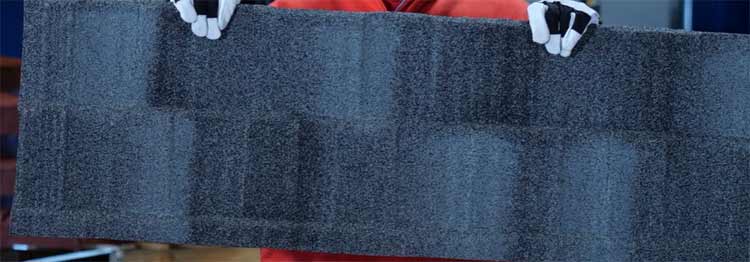
It looked exactly like dimensional shingles yet felt solid under my fingers, almost like a truck-bed liner.
I asked hard questions about hail ratings, warranty transfer, and what happened if a panel ever needed replacement.
The answers came clear and without the usual rush. I signed the contract that same week after sleeping on the numbers.
Installation day started early. The crew arrived in two trucks and immediately covered every bush, flower bed, and section of lawn with heavy tarps and plywood walkways. They stripped the old roof in sections so the house never sat open longer than necessary.
Once the decking was checked and a few soft boards replaced, they rolled out a thick underlayment that felt heavier and more substantial than anything I had seen on previous jobs. The metal panels went down in overlapping courses that locked with a solid click.
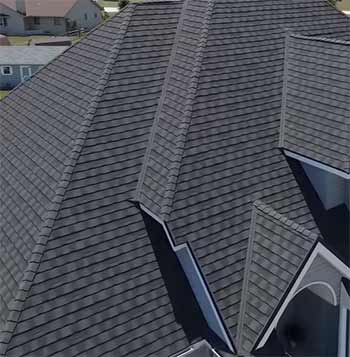
By late afternoon the entire house wore a new charcoal-gray surface that caught the light the same way traditional shingles do, only without the grit that used to wash into the gutters every spring.
The first summer after the install I noticed the upstairs stayed cooler even when the air conditioner ran less often. The attic that once felt like an oven now stayed within a few degrees of the living space below.
Winter brought the opposite surprise: heat stayed inside longer and the furnace kicked on fewer times. A late-spring hailstorm dropped ice the size of golf balls across the neighborhood. Three houses on my street needed emergency tarps.
Mine showed only a few faint surface marks that disappeared once the sun hit them the next morning. Wind that peeled two neighbor roofs clean left mine untouched.
Three years later I still walk the perimeter after every major storm just to admire the clean lines. No curled edges, no missing granules, no soft spots underfoot. Friends who stayed with asphalt already talk about their next full replacement while I talk about the next color for the siding.
The higher monthly payment on the financing plan was the only real adjustment, yet the quiet confidence more than balances the number. That single decision turned a constant worry into background noise I barely notice anymore. If you are tired of the same cycle of leaks and patches, this is the kind of change that actually sticks.
Also Read: Problems With Duro-Last Roofing.
Pros of Erie Metal Roofing
- Exceptional Weather Resistance You get a surface that laughs at the same storms that shred ordinary roofs. The stone coating and steel core handle hail up to Class 4 ratings and winds past one hundred twenty miles per hour without denting or lifting. I watched a late-spring storm dump ice the size of walnuts across the neighborhood; the only damage on my property was a cracked garden ornament. Every time the weather radio sounds an alert I simply close the windows and wait it out. You stop budgeting for emergency tarps and start budgeting for weekend projects instead. The panels stay locked even when gusts rattle the siding, and the underlayment keeps any driven rain from ever reaching the deck. That level of protection turns storm season from a source of stress into just another stretch of weather.
- Energy Savings That Show Up On The Bill The reflective surface and air gap under the panels keep heat out in summer and lock it in during winter. My utility statements dropped nearly twenty percent the first full year. The attic that used to feel like an oven now stays within a few degrees of the living space below. You feel the difference the moment you walk upstairs on a July afternoon. Over a decade those monthly savings add up to real money that stays in your pocket rather than disappearing into the power company. The cooler surface also reduces the load on the air conditioner, which means the unit runs fewer hours and should last longer. In winter the same insulation effect keeps warm air from escaping through the roof plane, so the furnace cycles less often and the house feels more even from room to room.
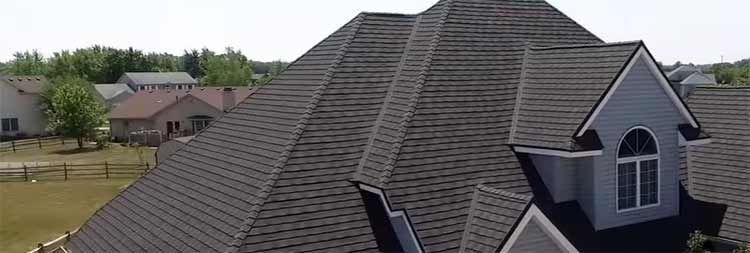
- Classic Look Without The Maintenance Trap Stone-coated panels mimic the texture and shadow lines of architectural shingles so closely that most people never guess the material until you tell them. Colors stay rich because the granules are bonded and sealed rather than simply glued on. You never deal with the gradual bald spots that turn asphalt roofs into patchwork. Neighbors still compliment the curb appeal while you enjoy the quiet knowledge that the surface will look the same twenty years from now. The finish does not chalk or fade the way painted metal can, and the overall appearance stays sharp without the need for periodic recoating or granule replacement. You keep the traditional neighborhood look while gaining the performance of a modern system.
- Long Warranty That Transfers A fifty-year limited lifetime warranty that moves with the house adds resale value you can actually document. Buyers notice the paperwork and often pay more because they know the roof is one less thing to replace. You sleep easier knowing the manufacturer and installer both stand behind the product for decades rather than the usual short window that expires just as problems appear. The transferable nature means the next owner inherits the same coverage, which can make your home stand out in a competitive market. That kind of long-term backing is rare in residential roofing and gives you leverage when it comes time to sell.
- Quiet Performance Compared To Bare Metal The stone layer and underlayment dampen rain noise that used to drum on older standing-seam roofs. Inside the house the sound registers as a soft background hush instead of a constant rattle. You can hold a conversation during a downpour without raising your voice. That single comfort factor turns a metal roof from something industrial into something that simply belongs on a family home. The quieter surface also means less vibration transferred into the framing, so the whole structure feels more solid during heavy weather.
Also Read: Problems With ONDURA Roofing.
Cons of Erie Metal Roofing
- Higher Upfront Price Tag The sticker shock hits hard. Quotes often land two to three times higher than a standard asphalt job of the same size. Financing spreads the cost but still leaves a larger monthly obligation than many households expect. You need to weigh the long-term savings against the immediate budget impact and make sure the numbers fit before you sign. The premium materials and extended warranty drive much of the difference, yet the gap can still feel steep if you are used to more common roofing prices.
- Sales Process Can Feel Intense Representatives sometimes stay for hours and push for a same-day decision. The pressure can leave you feeling rushed even when the product itself is solid. You do better if you treat the first visit as information only and request written numbers to compare later. Taking that extra time protects you from buyer’s remorse and lets you run the figures against other local options without feeling locked in.
- Installation Quality Varies By Crew While many crews deliver clean, careful work, scattered reports mention incomplete cleanup or minor leaks that require follow-up visits. You should walk the property with the supervisor before the final check and photograph any areas that look unfinished. Staying involved during the process reduces the chance of small issues becoming larger ones later. Clear communication with the project manager helps keep everyone on the same page from start to finish.
Maintenance Tips For Erie Metal Roofing
- Inspect After Major Storms Walk the perimeter and look for any lifted edges or debris caught in the valleys. A quick visual check once or twice a year catches problems while they are still easy to fix. You do not need special tools; binoculars from the ground work fine for most of the surface. Catching a loose fastener early keeps water from ever reaching the underlayment. After a heavy hail event or high wind, take a few extra minutes to scan the ridges and hips for any shift. Early attention keeps the system performing exactly as designed.
- Keep Gutters Clear Of Stone Residue A small amount of coating can wash off in the first seasons and settle in the gutters. Flush them each spring and fall so water flows freely. You will notice less buildup after the first year once the surface stabilizes. Clean gutters also protect the fascia and foundation from overflow damage. A simple garden hose and a sturdy ladder are usually enough; just work carefully and never stand on the roof edge while clearing debris.
- Trim Overhanging Branches Branches that scrape the surface can eventually wear the coating. Keep limbs at least six feet clear of the roof line. A single afternoon with a pole saw every couple of years prevents scratches that might otherwise invite moisture. You also reduce the risk of wind-blown limbs puncturing the panels during storms. Regular trimming keeps the roof free of leaves and needles that can trap moisture against the surface over time.
- Schedule Professional Check-Ups Even though the roof needs little day-to-day care, a trained eye every five years confirms that flashings and penetrations remain tight. Most installers include a free or low-cost inspection under the warranty. You gain peace of mind and keep the paperwork valid if any claim ever arises. Ask the inspector to check the sealant around vents, chimneys, and skylights, since those areas see the most movement over the years.
- Avoid Walking On The Surface Unless Necessary The panels support normal foot traffic but repeated trips can loosen fasteners over decades. Use soft-soled shoes and step on the supported ribs when you must access the roof. Limiting traffic keeps the system performing exactly as designed for its full lifespan. If you need to clean debris or inspect a specific spot, plan the route carefully and keep the time spent on the surface as short as possible.
Comparison of Erie Metal Roofing With Other Brands
- Comparison With Big Fish Roofing
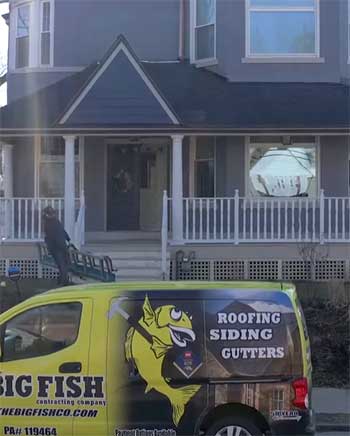
Big Fish focuses on traditional asphalt and limited metal options in select regions.
Their crews often finish faster on simple gable roofs, yet the materials they install rarely match the stone-coated steel thickness Erie uses.
You gain lower initial cost with Big Fish but lose the multi-decade warranty and energy performance that define an Erie system.
For homeowners who plan to stay in the house long term, the Erie panels deliver clearer long-range value.
Big Fish tends to emphasize speed and local relationships, while Erie leans on the engineered performance of the panels themselves.
If your priority is a roof that will still look and perform well when the next generation owns the house, the difference becomes obvious.
- Comparison With Blue Sky Roofing
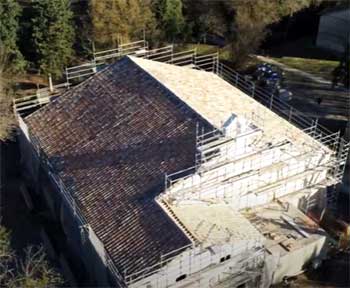
Blue Sky builds a solid reputation for careful residential work and strong local references.
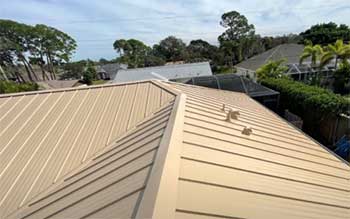
Their metal offerings lean toward standing-seam profiles that look more commercial than residential.
Erie panels blend into neighborhood streetscapes far more naturally while still delivering the same weather resistance.
If curb appeal matters as much as durability, the stone-coated look from Erie usually wins the side-by-side test.
Blue Sky crews often receive praise for neat job sites and clear communication, yet the finished appearance of their metal work tends to stand out in a way that not every homeowner wants.
Erie keeps the traditional shadow lines and texture that most neighborhoods expect.
- Comparison With Total Home Roofing
Total Home has faced repeated complaints about incomplete jobs and difficult communication after the sale.
Pricing can appear competitive at first glance, yet follow-up service often falls short.
Erie maintains a broader national support network and a transferable warranty that remains valid even if the original crew moves on.
You trade a slightly higher price for clearer accountability when issues appear years later.
The difference shows up most clearly when a problem surfaces five or ten years after installation. Erie’s structure gives you a clearer path for resolution, while reports around Total Home suggest more frustration once the original sales team is gone.
- Comparison With IB PVC Roofing
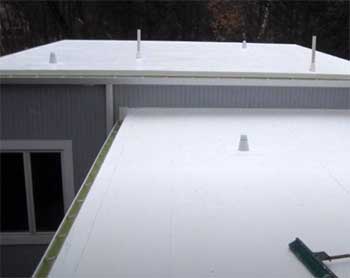
IB PVC systems serve flat or low-slope commercial buildings far better than steep residential roofs.
The membrane works well for warehouses and big-box stores but looks out of place on most single-family homes.
Erie metal panels give you the same water-tight performance in a form that matches traditional architecture.
Homeowners who want both longevity and neighborhood fit almost always choose the metal shingle route over a PVC membrane.
PVC excels on large, low-pitch surfaces where seams can be heat-welded into a continuous sheet.
On a typical house with valleys, hips, and multiple penetrations, the interlocking metal panels from Erie handle the geometry with far less visual disruption and equal weather protection.
Frequently Asked Questions (FAQ)
Yes, the stone-coated steel panels hold up well against weather and deliver strong energy savings when installed correctly.
Most systems carry a fifty-year limited warranty and can perform beyond that with basic care.
Typical projects range from eighteen thousand to forty-five thousand dollars depending on size and complexity.
Premium materials, extensive warranties, and national advertising drive the higher price compared with standard asphalt jobs.
Wrapping Up
You should buy an Erie metal roof if you want decades of protection without the endless cycle of repairs. The higher price buys quiet confidence every time the sky darkens. I made the choice once and have never looked back.
Make the same decision for your home and enjoy the same lasting peace of mind.