
I have compared tailored pleats and pinch pleats across dozens of rooms, and the decision hinges on whether you prefer a refined modern elegance or a classic structured drama.
You will find my breakdown of features, differences, pros, and cons here so you can select the style that matches your space and lifestyle perfectly.
| Feature | Tailored Pleat | Pinch Pleat |
| Appearance | Sleek, precise, contemporary lines | Gathered folds, traditional depth |
| Fullness Ratio | Moderate to high, controlled | High, often 2x to 2.5x fabric |
| Formality Level | Semi-formal to modern | Formal to classic |
| Stackback | Compact when open | Bulkier, more volume |
| Light Control | Even filtering with proper lining | Excellent with heavy fabric |
| Cost Range | Mid to premium | Accessible to high-end |
| Best Room Fit | Minimalist, contemporary interiors | Traditional, formal living areas |
| Maintenance | Easy to keep shape | Holds form but needs careful cleaning |
Key Differences Between Tailored Pleat and Pinch Pleat
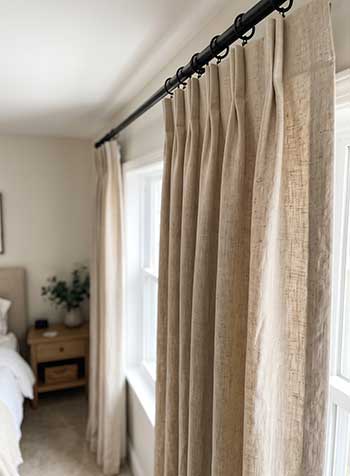
- Heading construction and visual weight: Tailored pleats distribute fabric in even, relatively flat ridges, so the top edge looks lighter and more linear. Pinch pleats concentrate fabric into discrete points, creating pockets that add visual weight and shadow. When I placed both styles side by side on identical windows, the tailored version made the room feel more open while the pinch version made the same windows feel more substantial and enclosed.
- Fullness and how the fabric falls below the heading: Tailored panels usually sit in the moderate-fullness range, so the folds below the heading stay controlled and parallel. Pinch panels often carry more fabric, producing deeper, more irregular folds that move independently. In a bedroom I noticed the tailored set looked tidy even when the panels were only half drawn; the pinch set looked better fully closed or fully open.
- Formality and the rooms where each feels natural: Tailored pleats read as semi-formal to contemporary. They work in spaces that already have clean lines—think modern living rooms or updated kitchens. Pinch pleats lean formal and classic. They suit rooms with traditional furniture, crown molding, or heavier color palettes. I tried a tailored set in a colonial-style dining room and it felt slightly understated; the pinch set immediately matched the existing woodwork.
- Stackback volume and window reveal: Because tailored headings stay flatter, the panels stack into a narrower column when open. Pinch headings create a thicker stack. On a window that is already close to a side wall, the tailored style left more of the glass visible; the pinch style covered a few extra inches of the reveal.
- Fabric and lining flexibility: Tailored construction works well with medium-weight fabrics and standard linings. Heavier or more textured fabrics can sometimes make the even pleats look stiff. Pinch construction handles heavier weights and interlinings more gracefully because the pinched points distribute the load. I discovered this when I tried a thick linen blend: the tailored version looked rigid, while the same fabric in a pinch heading moved naturally.
- Cost and customization range: Ready-made tailored panels are widely available at mid-range prices, and custom versions add only moderate premiums for precise spacing. Pinch panels span a wider price range; basic versions are inexpensive, but true custom three-fold pinches with hand finishing cost more. In my experience the tailored option gave a custom look at a lower price point than a fully tailored pinch set.
Also Read: Reasons For Window Shades Being So Expensive.
Key Features of Tailored Pleat Curtains
- Clean, even spacing across the entire heading: Each pleat is measured to the same width and depth, so the top of the curtain reads as a continuous, orderly line. I measured one of my sets and found the spacing stayed consistent even after months of use. That precision makes the panels look custom even if you bought them ready-made. When the curtains are closed, the folds fall in parallel lines that photograph well and feel intentional rather than accidental.
- Moderate to high fullness with controlled volume: You typically get 1.8 to 2.2 times the window width in fabric. The extra material creates soft vertical folds below the heading without the heavy pooling or exaggerated puffiness some people associate with older styles. In a narrow guest bedroom I used a tailored set and the panels still looked generous without eating up floor space when stacked open.
- Compatibility with modern hardware and tracks: Because the heading stays relatively flat, these curtains slide smoothly on contemporary rods or concealed tracks. I installed a pair on a slim metal rod and never had to fight with bulk at the rings. The lighter visual weight at the top also pairs easily with minimalist finials or no finials at all.
- Strong light-filtering performance when lined: The even distribution of fabric means fewer gaps between folds. Once I added a simple lining, the tailored panels blocked side light more consistently than some pinch sets I had tried earlier. They still allow a soft glow during the day if you choose a lighter fabric, which worked well in my home office where I wanted privacy without total darkness.
- Easy shape retention after washing or steaming: The sewn structure holds its geometry. After I washed a pair of linen tailored panels, a quick steam brought the pleats right back into line. No reshaping or re-pinching was required, which saved time compared with styles that lose their definition more quickly.
Pros of Tailored Pleat Curtains
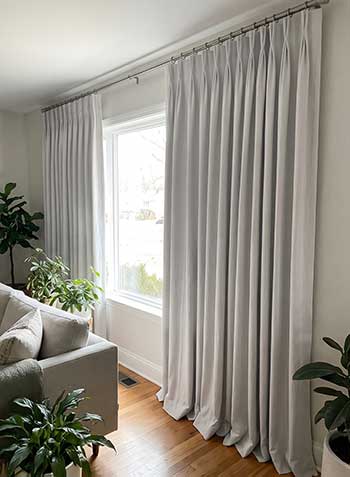
- They deliver a polished, current appearance without requiring heavy custom work: The even spacing reads as intentional design rather than basic gathering. In several contemporary apartments I have seen, tailored panels elevated the windows without competing with modern furniture. Guests often commented that the curtains looked expensive even when the fabric itself was straightforward cotton.
- Controlled fullness keeps rooms feeling larger: The moderate fabric ratio prevents the panels from overwhelming smaller spaces. In a compact living area I measured the open stack and found it occupied less wall space than a comparable pinch set, which left more of the floor visible and made the seating arrangement feel less crowded.
- Smooth operation on modern hardware: The flatter heading reduces friction on tracks and rings. I installed one set on a motorized track and the panels moved quietly and evenly every time; there was no bunching or catching that I sometimes saw with bulkier headings.
- Consistent light control and privacy: Even fold distribution minimizes light gaps along the edges and between panels. After adding a blackout lining, my tailored panels blocked street lights more uniformly than some pinch versions I tested in the same room. The difference was noticeable on summer evenings when I wanted the room dark for movie nights.
- Low-maintenance shape retention: Because the pleats are sewn into place rather than relying on temporary gathering, they bounce back after cleaning. A quick steam or even hanging them damp was usually enough to restore the lines. That reliability mattered when I had limited time for curtain care.
- Versatility across a range of interior styles: They pair with both minimalist and transitional rooms. I used the same tailored style in a modern kitchen nook and in a slightly more traditional bedroom; both spaces looked cohesive without the curtains dominating either one.
Cons of Tailored Pleat Curtains
- They can appear too restrained in very formal or traditional rooms: The clean lines sometimes feel understated next to ornate furniture or heavy architectural details. In one historic house I visited, the tailored panels looked slightly out of place against the elaborate moldings; a pinch set would have matched the existing drama more closely.
- Limited drama when you want maximum volume: If you prefer the lush, billowing look of classic drapery, the controlled fullness of tailored pleats may feel insufficient. I tried them in a large living room with high ceilings and the panels looked a bit sparse until I increased the fullness ratio, which raised the cost.
- Some heavier fabrics make the pleats look stiff: Very thick or heavily textured materials can resist the even pressing required for tailored construction. A velvet sample I tested held the pleats but lost the soft movement I wanted; the fabric sat more rigidly than it did in a pinch heading.
- Fewer ready-made options in extreme custom sizes: While mid-range sizes are easy to find, very tall or unusually wide windows often require custom ordering. The lead time and price jump can surprise people who expected the same accessibility as basic pinch panels.
- Subtle differences in quality are harder to spot at a glance: Because the style relies on precise spacing, lower-quality versions can show uneven pleats that only become obvious after hanging. I learned to check the sewing closely before purchase; a few bargain sets looked fine on the hanger but revealed irregular spacing once installed.
Also Read: Differences Between Dust Ruffle And Bedskirt.
Key Features of Pinch Pleat Curtains
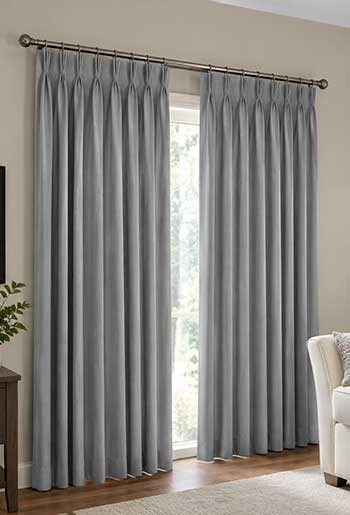
- Distinct pinched folds that create depth and texture: Two-fold or three-fold pinches produce a series of soft, rounded pockets along the heading. When light hits them from the side, those pockets cast gentle shadows that add dimension to the wall. In my formal living room the triple-pinch version made the windows look taller and more finished without any extra trim.
- High fullness that delivers classic drapery drama: Most pinch-pleat panels use 2 to 2.5 times the window width. That extra fabric produces generous vertical folds that billow slightly when the panels move. I liked how the fabric caught the breeze from an open window and created movement without looking messy.
- Excellent compatibility with heavier fabrics and interlinings: The pinched construction can support denser materials such as velvet, heavy cotton, or lined silk. I hung a pair of pinch-pleat velvet panels in a media room and the weight hung evenly; the pinches kept the top from sagging even though the fabric itself was substantial.
- Traditional stackback that frames the window: When open, the panels gather into soft, rounded stacks on either side. The volume looks intentional rather than collapsed. In a traditional dining room the stacked panels still left enough glass visible while framing the view the way older formal rooms often do.
- Long-lasting form when sewn properly: Once the pinches are sewn and the pleats are pressed, the heading keeps its shape for years if you handle the curtains gently. I have a set that is more than five years old; the pinches still look crisp after regular vacuuming and occasional steaming.
Pros of Pinch Pleat Curtains
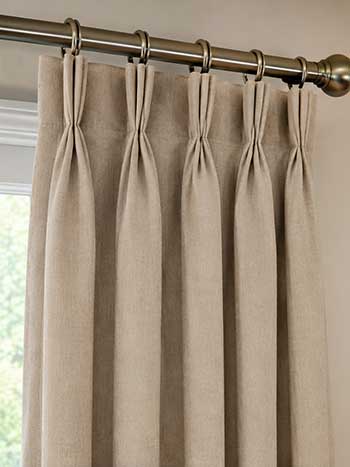
- They create immediate classic elegance and visual depth: The pinched pockets add texture and shadow that make windows feel finished and intentional. In traditional living rooms and dining areas, the style frames the glass the way many people expect formal curtains to look. I noticed that even simple fabrics gained presence once they were sewn into pinch pleats.
- High fullness produces generous movement and softness: The extra fabric ratio lets the panels drape and shift naturally. When a breeze moved through an open window, the pinch panels responded with soft motion that the more controlled tailored version did not match. That liveliness suited rooms where I wanted the curtains to feel like part of the atmosphere rather than a static backdrop.
- Excellent support for heavier and more luxurious fabrics: Velvet, silk, and dense cottons hang evenly because the pinches distribute weight. I installed a set of lined velvet pinch panels in a media room and the heading never sagged; the fabric stayed full and the folds remained distinct after months of use.
- Strong traditional presence that complements period architecture: Crown molding, chair rails, and classic furniture all pair easily with pinch pleats. In a colonial-style home the panels echoed the existing woodwork and made the windows look original rather than updated.
- Wide availability across price points: Basic pinch-pleat panels are easy to find at accessible prices, while custom three-fold versions with hand finishing reach premium levels. That range let me match the style to different budgets in the same house without changing the overall look.
- Long-term form retention when sewn well: Properly constructed pinches keep their shape for years. My oldest set still shows crisp pockets after regular care; the heading has not flattened or lost definition the way some gathered styles eventually do.
Cons of Pinch Pleat Curtains
- Bulkier stackback can reduce the visible window area: The concentrated fabric creates a thicker column when the panels are open. On windows close to walls or in smaller rooms, that bulk covered more of the glass than I preferred. I measured one set and found the open stack was nearly twice as wide as a tailored equivalent.
- Can feel dated in very modern or minimalist interiors: The gathered pockets and traditional silhouette sometimes clash with clean lines and sparse furniture. In a contemporary loft the pinch panels looked heavier than the rest of the room; switching to tailored immediately lightened the visual weight.
- Higher fabric requirements raise material costs: The typical 2 to 2.5 times fullness means you buy more fabric, lining, and interlining. For large windows the difference in yardage became noticeable on the invoice. Custom pinch sets also often require more labor, which adds to the final price.
- More careful handling needed during cleaning: While the sewn pinches hold their shape, aggressive washing or improper steaming can loosen the stitching or flatten the pockets. I learned to use gentle cycles and low heat; one early attempt left a set looking slightly uneven until I had it professionally pressed.
- Less flexibility with certain modern hardware: The bulk at the heading can catch on slim rods or tightly spaced rings. Motorized tracks sometimes required extra clearance. I had to adjust the hardware on one installation so the panels would travel without resistance.
Also Read: Differences Between Pinch Pleat And Ripplefold.
Frequently Asked Questions (FAQ)
No. Pinch pleats remain a strong choice in traditional and transitional rooms where classic depth and formal framing still look appropriate. Many updated interiors continue to use them successfully when the rest of the space supports that character.
The best type depends on the room. Tailored pleats suit modern and minimalist spaces that benefit from clean lines and compact stacking. Pinch pleats suit traditional rooms that need volume and texture. Match the heading to the existing architecture and the amount of drama you want.
They are not out of style. They simply read as more classic than strictly contemporary. In the right setting they still look intentional and polished rather than dated.
Common heading styles include pinch pleats (usually two-fold or three-fold), tailored or French-style even pleats, and inverted or box pleats. Each organizes the extra fabric differently and produces a distinct silhouette.
Final Thoughts
After testing both styles in multiple rooms, I keep returning to the same practical question: does the space need controlled modern lines or classic gathered depth.
You now have the features, differences, and trade-offs in front of you. Choose the tailored pleat when you want a clean, current look that stacks compactly and stays easy to maintain.
Choose the pinch pleat when you want traditional volume, texture, and the ability to support heavier fabrics. Either way, the right heading will make the windows feel finished instead of unfinished, and the room will feel more like the one you actually live in.