
You should buy a Wayne sump pump if basement flooding keeps you awake at night. I chose this brand for its dependable cast iron construction, quiet motor, and affordable price that delivers real protection without the premium cost.
You get steady water removal that handles heavy rains and rising groundwater so your floors stay dry. Install it yourself in minutes and stop worrying about costly water damage.
Wayne gives you reliable performance that protects your home season after season.
My Personal Experience With The Wayne Sump Pump

I remember the morning I found water creeping across my basement floor after two days of steady rain.
My old pump had failed overnight and left a mess that soaked cardboard boxes and left a musty smell.
I needed a replacement fast and settled on the Wayne CDU790 after reading about its solid build and simple vertical float switch.
The unit arrived the next day and felt heavier than I expected thanks to the epoxy-coated cast iron housing.
That weight alone told me it was built to last longer than the lightweight plastic pumps I had tried before.
I cleared the pit of gravel and old debris, set the pump on a flat brick base, attached the discharge pipe with a new check valve, and plugged it into a grounded outlet.
The whole job took about fifteen minutes.
When I poured a bucket of water into the basin the float rose smoothly and the pump kicked on without hesitation. Water shot out the discharge line in a strong steady stream and the motor made only a soft hum. You barely notice it running even when you stand right next to the pit.
That first spring tested the pump hard. We had three separate storms that dumped more than two inches of rain in a single night. Each time the water level climbed quickly yet the Wayne unit kept the pit from overflowing.
I watched the cycles from upstairs and never heard the loud grinding that my previous pump produced. The motor stayed cool to the touch even after hours of intermittent work.
Summer brought a long dry stretch followed by sudden thunderstorms, and the pump still responded the moment the float lifted.
I live on a slight slope with clay soil that drains slowly, so groundwater seeps in more often than in sandy areas. The Wayne handled those slower but constant inflows without short-cycling or overheating. After the first year I pulled the pump out once to clean the impeller and check the switch.
Everything looked clean and the seals showed no wear. Power outages worried me during one ice storm, so I later added a basic battery backup that works alongside the primary Wayne unit. You feel genuine relief when the power flickers and the backup takes over without missing a beat.
Three full seasons later the same pump still runs like new. Friends who bought bargain brands from big-box shelves have already replaced theirs twice.
My experience shows that a well-chosen Wayne model gives you consistent protection and saves the headache of emergency calls at three in the morning. You gain confidence once you see it perform through real weather extremes rather than just reading the box claims.
Also Read: How Effluent Pump And Sump Pump Are Different?
Pros of Choosing A Wayne Sump Pump

- Quiet Operation That Protects Your Daily Peace You notice the difference the first night the pump runs during a storm. The cast iron body damps vibration so the motor produces only a low steady hum instead of the loud rattling common in thinner plastic housings. I sleep through most cycles now and only wake if the rain itself is pounding the roof. Your family benefits from the same calm because the sound never travels up through the floor joists the way older pumps did. The balanced impeller design keeps the unit stable even when the water volume changes suddenly. Over months of use the quiet performance becomes one of the features you value most.
- Strong Water Removal Power For Real Storms Wayne models move impressive gallons per hour for their horsepower rating. The CDU790 clears more than three thousand gallons an hour at typical head heights, which covers most residential basements without struggle. You watch the water level drop fast even when the pit fills during peak runoff. I tested mine during a flash flood warning and the pump never fell behind. The vertical float switch reacts quickly so the motor starts before the water reaches a dangerous height. That responsive action gives you time to check other parts of the house instead of racing to the basement every time thunder rolls.
- Durable Cast Iron And Stainless Construction The heavy housing resists corrosion better than all-plastic competitors and dissipates heat during long run times. You can leave the pump submerged year after year and still find the exterior looking solid when you pull it for cleaning. I inspected mine after two winters of freeze-thaw cycles and saw no cracks or heavy rust. The stainless steel components around the motor shaft add another layer of protection against wear. Your investment lasts longer because the materials handle constant moisture without the early failures that cheaper builds suffer.
- Easy Installation For Most Homeowners You do not need special tools or professional help for a standard replacement. The compact size fits common sump pits and the integrated switch eliminates extra wiring. I finished the job alone on a Saturday morning and still had time left for other chores. Clear instructions and pre-drilled mounting points make the process straightforward even if you have never installed a pump before. Once the discharge line and check valve are in place you simply plug the unit in and test it with a bucket of water. That simplicity saves both money and the wait for a contractor.
- Solid Value Across Different Price Points Wayne offers models that deliver professional-level results without the top-tier price tag. You pay less than many premium brands yet still receive a multi-year warranty and proven performance. I compared several options at the store and found the Wayne unit gave the best balance of capacity, build quality, and cost. Over the life of the pump the lower upfront price plus reduced repair needs adds up to real savings. Your budget stays intact while your basement stays dry.
Also Read: How Sump Pump And Sewage Ejector Pump Are Different?
Cons To Consider With The Wayne Sump Pump

- Switch Design Can Require Occasional Attention The vertical float switch works well most of the time yet can stick if debris builds up around the rod. You need to check it during regular maintenance to keep the pump from running dry or failing to start. I had one minor sticking episode after a muddy spring thaw and fixed it by wiping the switch clean. The issue is not unique to Wayne but still deserves your notice.
- Limited Capacity In Extreme High-Volume Situations While the pump handles typical residential flow, properties with large drainage systems or frequent flash flooding may need a higher horsepower model or a dual-pump setup. You should measure your actual water inflow before deciding. In my case the 1/3 HP unit proved sufficient, yet friends with bigger lots sometimes step up to larger Wayne or competing brands.
- Parts Availability Varies By Location Replacement seals or switches are easy to find online but local hardware stores may not stock every component. You might wait a few days for shipping if something fails outside warranty. Planning ahead with a spare switch on the shelf removes most of that concern.
Tips For Long Lasting Performance of Wayne Sump Pump
- Regular Visual Checks Keep Problems Small You should look into the pit every three months and after any major storm. Clear away leaves, gravel, or mud that could jam the float or impeller. I keep a flashlight and a small net by the basement stairs so the inspection takes only a couple of minutes. Remove the pump once a year, rinse the exterior, and spin the impeller by hand to confirm it turns freely. That simple habit catches wear before it becomes a failure.
- Test The Float Switch And Motor Often Pour a bucket of water into the pit and watch the switch lift and the pump start. Listen for unusual grinding or hesitation. If the motor runs but little water moves, the discharge line or check valve may be partially blocked. I test mine at the start of spring and again in fall so I know the system is ready for seasonal changes. A working switch is the single most important part of reliable operation.
- Keep The Discharge Line Clear And Protected Inspect the outdoor end of the pipe for ice in winter or leaves in autumn. A frozen or clogged outlet forces the pump to work against pressure and can burn out the motor. You can add a simple cover or screen to keep debris out. During cold snaps I walk outside and make sure water is still exiting freely after the pump cycles. That outdoor check takes seconds yet prevents indoor disasters.
- Address Power And Backup Needs Proactively Plug the pump into a dedicated outlet or use a quality surge protector. Consider a battery backup system if your area loses power during storms. I installed a modest backup after one ice storm and now sleep better knowing the pit still empties when the grid fails. Check battery charge levels twice a year and replace the battery every four to five years. Your primary Wayne pump lasts longer when it is not forced to run nonstop after a power failure.
- Clean And Store Properly If You Ever Remove The Unit If you take the pump out for an extended period, dry it thoroughly and store it upright in a clean dry place. Never let the seals sit in a dried-out state for months. When you reinstall, double-check all connections and run a full test cycle. These habits have kept my Wayne unit running smoothly for years and will do the same for yours.
Comparison of Wayne Sump Pump With Other Brands
- Performance Against The Barracuda Sump Pump
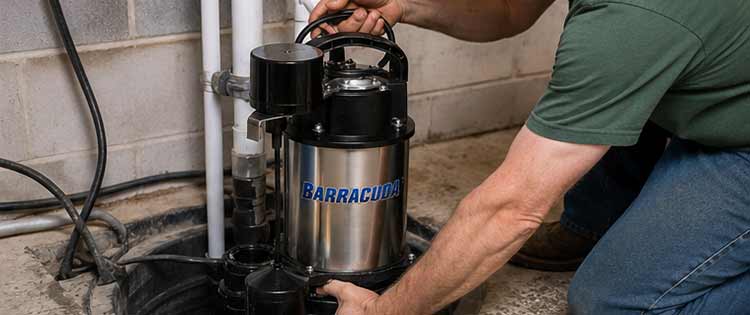
Wayne consistently moves water more quietly and with fewer switch problems than the Barracuda models I have seen in friends’ homes.
Barracuda units often appear at big-box stores as budget options and can handle moderate flow, yet they tend to run louder and show earlier wear on the float mechanism.
You notice the difference during long rain events when the Wayne motor stays cool while some Barracuda pumps begin to labor. Build quality also favors Wayne’s cast iron construction over the lighter materials common in many Barracuda versions.
For everyday residential use the Wayne delivers steadier results without the frequent adjustments Barracuda owners sometimes report.
- Durability When Matched With Zoeller Models

Zoeller pumps earn praise for heavy-duty cast iron bodies and clog-resistant impellers that appeal to professional installers.
Wayne matches much of that durability in its higher-end cast iron lines while remaining easier for homeowners to install and more affordable.
You gain similar lifespan expectations of eight to twelve years with either brand when maintenance stays consistent.
Zoeller may edge ahead in the most extreme high-debris or continuous-run situations, yet for typical basement protection Wayne provides comparable reliability at a lower cost.
Many users who start with Wayne stay with the brand because the real-world performance meets their needs without the extra expense.
- Value And Features Versus Other Popular Options
Compared with brands such as Liberty or Superior, Wayne stands out for its balance of quiet operation, straightforward switches, and wide availability.
You find Wayne models on store shelves more often than some specialty brands, which makes replacement parts and units easier to obtain quickly. Battery backup combination systems from Wayne also integrate smoothly and cost less than equivalent packages from higher-priced lines.
The overall package favors homeowners who want dependable protection without overspending on features they may never use.
Also Read: How Sump Pump And Utility Pump Are Different?
Frequently Asked Questions (FAQ)
Zoeller and Wayne both rank high for long-term residential reliability when maintained properly.
Most last eight to twelve years with regular care and normal use.
Wayne offers better value and easier DIY installation while Zoeller suits heavier professional demands.
Wrapping Up
You protect your home and your peace of mind when you choose a Wayne sump pump. I trust this brand after years of dry floors through every storm season.
Buy one that matches your pit size and water volume, install it carefully, and follow simple maintenance habits.
Your basement stays dry and your wallet stays closed against repair bills. Make the smart move today and enjoy the confidence that comes with a proven pump working quietly below your feet.