
If your basement has ever flooded or you live where heavy rains turn the ground into a sponge, you should buy a Barracuda sump pump without delay.
I put one in my own home after a close call with rising water and watched it clear gallons in minutes while my old unit sat dead.
The solid cast-iron body, strong motor, and price that leaves room in the budget make this the practical choice that actually protects your floors, walls, and peace of mind. You will thank yourself the first time a storm rolls through and the water stays outside where it belongs.
My Experience With The Barracuda Sump Pump
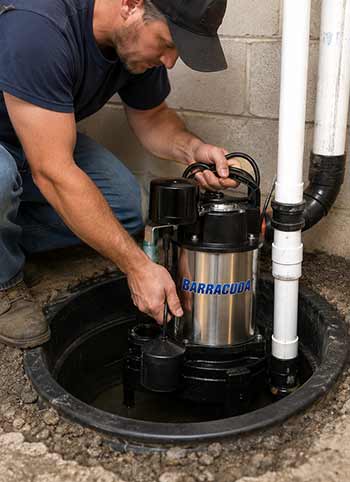
I still remember the morning the old pump gave up.
Rain had fallen hard for two days, and I walked downstairs to find an inch of water already creeping across the concrete.
Panic set in fast because my workshop tools and stored boxes sat only a few inches higher.
I grabbed a bucket and started bailing while my spouse called around for options.
Menards had a Barracuda 1/2 horsepower cast-iron model on the shelf that same afternoon, so I bought it, hauled it home, and got to work.
Pulling the failed unit out of the basin took longer than expected because the discharge pipe had sealed itself with years of mineral buildup.
Once free, I cleaned the pit thoroughly, checked the check valve, and set the new Barracuda in place.
The vertical float switch hung cleanly without touching the walls, and the power cord reached the outlet without strain.
I connected the discharge line, filled the basin with a garden hose, and watched the pump kick on at the right water level.
It surged to life with a solid hum and pushed water out the pipe faster than I expected. Within seconds the level dropped, the float dropped, and the motor shut off cleanly.
That first real test came three nights later when another front moved through. I stayed up listening. Every time the water rose, the Barracuda answered without hesitation. No sputtering, no long delays, just steady work until the basin emptied.
Over the following months I paid attention during every heavy rain. The pump handled the load from our high water table and the extra runoff from the neighbor’s yard that always seems to drain our way. I noticed the cast-iron housing stayed cool even after long cycles, and the motor never sounded strained.
One weekend I decided to stress it a little. I filled the basin repeatedly with the hose while timing how long it took to empty. The numbers stayed consistent. I also checked the switch action by gently lifting and releasing the float. It responded every time.
Living with this unit taught me that a sump pump is not something you install and forget. You learn its rhythm, the sound it makes when the water is clean versus when a bit of silt arrives, and the way the discharge pipe vibrates slightly under full load.
Those small details give you confidence that the machine is doing its job.
I have now lived through a full year of seasons with the Barracuda. Spring thaws, summer storms, and even a couple of fall deluges never produced standing water in the basement. The only time I intervened was to clear a small piece of debris that had washed into the basin after a particularly muddy rain.
Other than that simple cleaning, the pump has run on its own. That kind of quiet reliability is exactly what you want when you are trying to sleep through a thunderstorm instead of worrying about the floor below.
Pros of The Barracuda Sump Pump
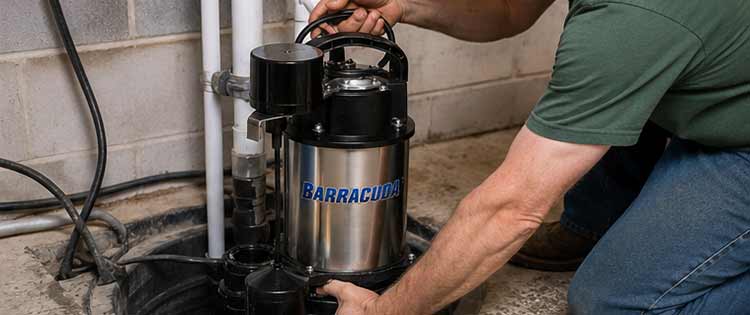
- Strong Pumping Power That Moves Water Fast When water starts climbing in the basin you need volume and speed. The Barracuda delivers both. In my setup the half-horsepower motor cleared the pit quicker than the older unit ever managed, even when the incoming flow was steady. You feel the difference the first time a long rain saturates the ground and the pump has to cycle often. Instead of watching the level creep upward, you see it drop and stay down. That power margin means the pump spends less time running at its limit, which keeps the motor cooler and extends its working life. For anyone whose property sits in a low spot or collects runoff from neighboring lots, this capacity gives real breathing room. You stop calculating how much water might arrive and start trusting that the pump will handle whatever shows up.
- Cast Iron Construction That Stands Up To Daily Use Plastic housings can crack or warp over time, especially when temperature swings hit the basement. The Barracuda’s cast-iron body shrugs off those changes. I have watched it sit in cold water for months and then face warmer conditions without any change in performance. The weight of the iron also keeps the unit planted firmly in the basin so it does not shift or tip when the water surges. That stability matters more than most people realize. A pump that rocks can foul the float switch or stress the discharge connection. With this model the heavy housing stays put, the switch operates freely, and the whole assembly feels solid every time you check it. You gain the quiet assurance that the pump itself will not become the weak link in your defense against flooding.
- Straightforward Installation That Saves Time And Frustration I am not a professional plumber, yet I installed the Barracuda in an afternoon with basic tools. The discharge port matched the existing pipe size, the power cord length worked for my outlet location, and the float switch arrived already attached and adjusted. You simply set the unit in the clean basin, connect the pipe, plug it in, and test. No complicated brackets or special adapters were required in my case. That ease means you can replace a failed pump quickly when water is already rising, or you can upgrade on a calm day without turning the project into a multi-day ordeal. For homeowners who prefer to handle their own maintenance, this simplicity is a genuine advantage that keeps costs down and control in your hands.
- Quiet Operation That Lets You Sleep Some pumps announce every cycle with a loud rattle or high-pitched whine. The Barracuda runs with a steady, low hum that stays in the background. During long nights of rain I could hear it start and stop, but the sound never woke me or carried upstairs in a way that disturbed the household. That quieter profile comes from the solid housing and balanced motor. When you live with a sump pump that must cycle frequently, noise becomes a quality-of-life issue. A unit that does its job without constant auditory reminders makes the basement feel less like a machine room and more like usable space again.
- Value That Leaves Money For Other Home Needs You can spend far more on name-brand pumps that promise similar performance. The Barracuda delivers the capacity and durability most residential basements require at a price that does not force you to empty the emergency fund. That balance matters when you also need a good check valve, a battery backup option, or simply want to keep a spare pump on the shelf. Spending wisely on the primary unit frees resources for the rest of the system that keeps water out. Over time the money saved adds up, and the performance you receive still protects the home just as effectively.
Cons of The Barracuda Sump Pump
- Float Switch Sensitivity In Certain Basins In a few setups the vertical float can hang up if the basin is narrow or if debris collects around the guide. I had one brief episode where silt from a muddy rain caused the switch to stick for a short cycle. Clearing the basin solved it, yet the experience showed that the switch needs clear space and regular attention. If your pit is smaller than average or collects a lot of sediment, you may need to check the float more often than with some competing designs. The issue is manageable, but it requires awareness rather than complete set-and-forget operation.
- Limited Availability Outside Specific Retailers You will find Barracuda models primarily at Menards and a few online sellers. That concentration means fewer options if you prefer to shop locally at other big-box stores or specialty plumbing suppliers. When my first unit needed a replacement part, I had to return to the same retailer rather than pick something up closer to home. For many owners this is only a minor inconvenience, yet it can feel restrictive if you live far from a Menards location or prefer wider brand choice.
- Warranty Length That Varies By Model Some Barracuda units carry solid coverage, while others offer shorter protection than premium brands. I received a standard limited warranty with my purchase, which covered the motor and housing for a set period. Compared with certain competitors that advertise longer guarantees, the coverage feels average rather than outstanding. You still receive support if a defect appears early, but long-term peace of mind depends more on careful maintenance than on an extended paper promise.
Maintenance And Tips For Longevity of Barracuda Sump Pump
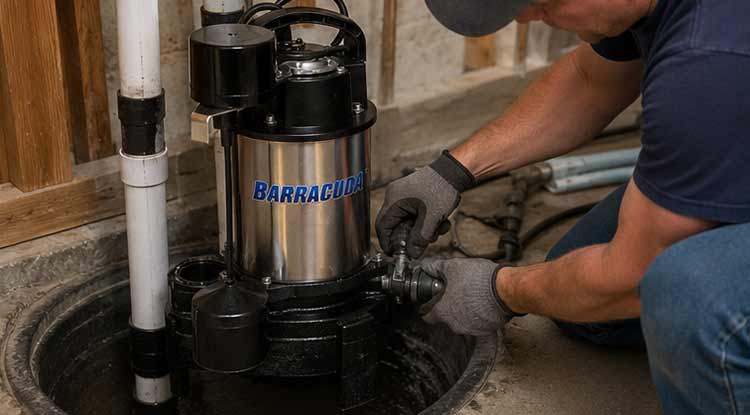
- Test The Pump On A Regular Schedule Every three months I pour five gallons of water into the basin and watch the full cycle. The float should rise, the motor should start within a second or two, water should exit the discharge pipe strongly, and the unit should shut off cleanly once the level drops. This simple check confirms that the switch still moves freely and the impeller has not clogged. Catching a sticky float or weak flow early prevents a surprise failure during the next storm. Mark the calendar or set a phone reminder so the test becomes routine rather than something you remember only after water appears on the floor.
- Keep The Basin Free Of Debris Silt, small stones, and organic matter wash in with groundwater and can jam the impeller or interfere with the float. Once each season I unplug the pump, lift it out, and scoop or vacuum the bottom of the pit. A clean basin lets the pump operate at full efficiency and reduces wear on the motor. If your property has sandy soil or nearby construction, increase the cleaning frequency. A few minutes of prevention every few months beats the hours of cleanup that follow a clogged pump during a downpour.
- Inspect And Clear The Discharge Line The pipe that carries water away from the house can freeze in winter, fill with leaves, or develop low spots that collect standing water. Twice a year I walk the full length of the line, look for kinks or damage, and flush it with a hose if possible. A clear path lets the pump work against less resistance and shortens each cycle. In cold climates I also make sure the outdoor portion slopes properly and has no traps where ice can form. Keeping the exit route open protects both the pump and the foundation.
- Listen For Changes In Sound And Cycle Time Your ears become the best early-warning system. A healthy Barracuda produces a consistent hum. Grinding, rattling, or longer-than-usual run times signal that something needs attention. I note the typical length of a cycle during moderate rain so I can spot when the pump works harder than normal. Unusual noise often points to a worn bearing, a partially blocked impeller, or a failing switch. Addressing the sound promptly usually costs far less than replacing the entire unit after it fails completely.
- Install A High-Water Alarm And Consider Backup Power Even the best primary pump can lose electricity or suffer a rare mechanical fault. A simple battery-powered alarm that screams when water rises above a set level gives you time to react. I mounted one near the top of the basin and tested it monthly. Adding a battery backup system or a secondary pump provides another layer of protection during extended outages. These extras turn a single point of failure into a more resilient system. The Barracuda continues to handle daily duty while the backups stand ready for the rare emergency.
- Replace The Check Valve When It Shows Wear The check valve stops water from flowing back into the basin after each cycle. Over years the flap can stiffen or crack. When I notice the pump short-cycling or hear water trickling backward, I replace the valve. A fresh valve keeps the basin empty longer between starts and reduces unnecessary motor wear. The part costs little and installs in minutes once the discharge pipe is loosened. Treating the valve as a consumable item rather than a permanent fixture keeps the whole system efficient.
- Store A Spare Pump If Your Risk Is High In areas with frequent heavy rain or a high water table, keeping a second identical Barracuda on a shelf provides insurance. I bought a spare after the first successful season and stored it in its original box. If the primary unit ever fails, I can swap it in under an hour instead of racing to a store while water rises. The modest extra investment buys calm during the exact moments when calm is hardest to find.
How Barracuda Stacks Up Against Other Popular Brands?
- Barracuda Compared To Zoeller
Zoeller has earned a reputation for heavy-duty construction and long service in demanding conditions. Their cast-iron models often cost more and weigh noticeably heavier. In daily residential use the Barracuda matches the water-moving capacity of many Zoeller half-horsepower units while remaining easier on the wallet.
Zoeller may edge ahead in continuous commercial-style duty or in installations that face extreme sediment, yet for typical basement protection the Barracuda delivers comparable results without the higher price tag. You trade a bit of brand prestige for practical performance that still keeps the floor dry.
- Barracuda Compared To Wayne
Wayne pumps appear frequently in the same retail aisles and offer similar horsepower ratings. Their thermoplastic models run lighter and sometimes quieter, yet the Barracuda’s cast-iron body provides better resistance to impact and temperature changes.
Wayne units often include convenient features such as integrated handles or dual switches, while the Barracuda focuses on straightforward power and durability. In side-by-side operation during heavy rain both clear water effectively, but the Barracuda feels more planted and less likely to shift.
You choose Wayne for lighter weight and extra conveniences; you choose Barracuda when solid construction and consistent volume matter most.
- Barracuda Compared To Superior Pump
Superior manufactures many of the units sold under the Barracuda name, so the internal components share a common heritage. The difference appears mainly in branding, warranty presentation, and retail availability.
Superior-branded pumps may surface at other stores with slightly different packaging, while Barracuda remains tied to Menards. Performance stays nearly identical because the core motor and housing come from the same design family.
You gain little by chasing one label over the other; the real decision rests on which retailer sits closest and which current price looks better.
- Barracuda Compared To Liberty
Liberty pumps emphasize stainless-steel components and refined switch designs that resist corrosion in harsh water.
Those upgrades raise the cost. The Barracuda relies on cast iron and a simpler float, which works well in most clean-to-moderately silty conditions. Liberty may last longer in chemically aggressive groundwater or very high-cycle environments, yet the Barracuda handles ordinary residential loads without complaint.
You pay extra for Liberty’s refined materials; you stay practical with Barracuda when the water is ordinary and the budget is finite.
Also Read: How Sump Pump And Utility Pump Are Different?
Frequently Asked Questions (FAQ)
Yes. It moves water reliably and holds up well for typical home basements.
Zoeller often ranks highest for long-term durability in demanding conditions.
Superior Pumps produces the units sold under the Barracuda name at Menards.
With regular care most units run seven to ten years or longer.
Wrapping Up
After living with the Barracuda through every kind of weather, I remain convinced you should buy one if basement water is a concern.
The pump delivers the power, durability, and value that keep floors dry without draining your wallet. Install it, maintain it with simple habits, and sleep better knowing your home has a dependable guardian against the next storm.