
I’ve dealt with flooded basements and stubborn wastewater backups in my own house for years, and the wrong pump choice always cost me time and money.
This article lays out a clear side-by-side look at sump pumps and sewage ejector pumps so you can match the right unit to your exact water problem and avoid the headaches I once faced.
| Feature | Sump Pump | Sewage Ejector Pump |
| Primary Job | Moves clear groundwater or rainwater away from a basement | Moves wastewater that contains solids from toilets, showers, or laundry |
| Water Type Handled | Clean or slightly dirty water only | Sewage, toilet paper, and soft solids |
| Typical Location | Sump pit in lowest part of basement | Sealed basin below the main sewer line |
| Solids Capacity | Almost none | Handles solids up to 2 inches |
| Discharge Pipe Size | Usually 1.5 or 2 inches | Usually 2 or 3 inches |
| Alarm Systems | Optional float or high-water alarm | Almost always includes a sealed cover and vent |
| Power Draw | Lower on average | Higher because of heavier loads |
| Noise Level | Quiet to moderate | Noticeably louder when grinding solids |
| Maintenance Frequency | Check twice a year | Check every 3–4 months |
| Typical Cost Range | Lower purchase and install price | Higher purchase and install price |
Key Differences Between Sump Pump And Sewage Ejector Pump
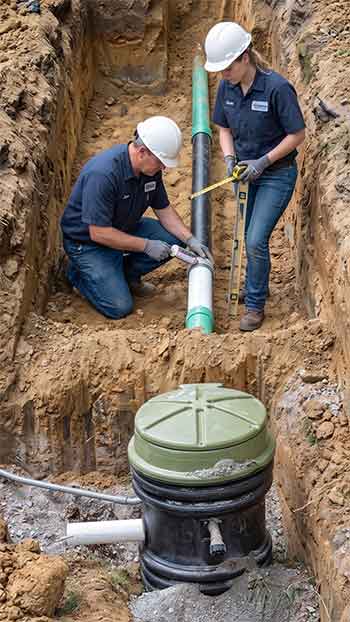
- Purpose and the water each one actually moves A sump pump exists only to keep groundwater out of living space. It sits in a pit that collects seepage from foundation drains or heavy rain and pushes that relatively clean water outside. A sewage ejector pump exists to lift blackwater that would otherwise sit below the gravity sewer line. That means toilet waste, sink water, shower water, and whatever soft solids people flush. I learned the hard way that swapping them creates either a clogged sump or a flooded bathroom.
- Solids-handling ability Sump pumps have open or closed impellers designed for free-flowing water. Drop a paper towel in one and it usually jams. Ejector pumps use a heavy-duty impeller or a grinder mechanism that can chew soft solids up to two inches. If your basement bathroom sits lower than the city sewer, only the ejector can keep the toilet working.
- Basin design and sealing A sump pit is open or loosely covered so groundwater can enter freely. An ejector basin is a sealed tank with a bolted lid, a vent pipe, and gasketed openings. That seal keeps sewer gas out of the house. I once saw a homeowner try to run an ejector in an open sump; the smell alone forced a full remodel.
- Discharge line requirements Sump lines often run to a yard drain or storm sewer and can be smaller diameter. Ejector lines must connect to the sanitary sewer and need larger pipe plus a check valve rated for solids. Local codes usually demand the ejector discharge pipe rise vertically before any horizontal run so waste cannot drain backward.
- Power and float switch behavior Sump pumps cycle on short bursts when the float rises a few inches. Ejector pumps wait until the sealed basin fills higher, then run longer to clear the heavier load. The longer run time means higher electricity use and more wear on the motor.
- Installation height relative to the main sewer Sump pumps sit at the lowest floor level and push water up a short distance. Ejector pumps sit below the sewer invert and must lift waste high enough to reach the gravity line, sometimes eight or ten feet. That vertical lift is the entire reason the ejector exists.
- Failure consequences When a sump pump fails, you get wet carpet and possible mold. When an ejector fails, you get raw sewage on the floor and a health hazard. The stakes are simply higher with the ejector.
Key Features of Sump Pumps
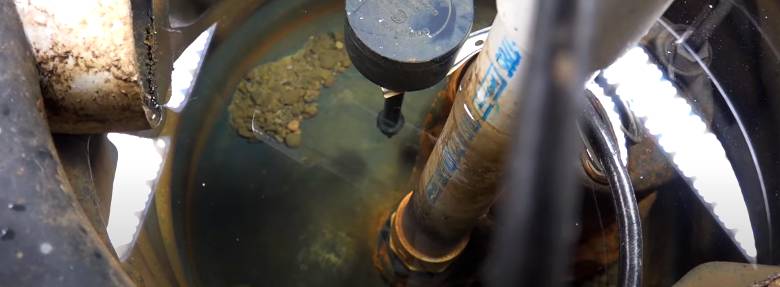
- Submersible versus pedestal styles Submersible units live underwater and stay quieter. Pedestal units keep the motor above the water line so heat dissipates better and service is easier. I prefer submersible for finished basements because the noise stays low.
- Float switch options Vertical floats, tethered floats, and electronic sensors all work. Vertical floats need less pit space. Electronic sensors never tangle but cost more. I always add a backup float so one failure does not leave the basement unprotected.
- Horsepower ratings Most residential sumps run from ⅓ to ½ horsepower. That is enough to move 40–70 gallons per minute against a short head. Higher horsepower helps only if the discharge pipe climbs more than ten feet or runs a long distance.
- Battery backup systems A primary pump on house power plus a battery-powered secondary pump keeps water moving during outages. I installed one after a three-day power loss left six inches of water on my floor. The battery unit paid for itself that week.
- Check valve and discharge pipe A simple swing check valve stops water from flowing back into the pit. The discharge line should exit the house and terminate at least ten feet from the foundation so the water does not circle right back.
- Alarm and remote monitoring A high-water alarm that plugs into a wall outlet or connects to Wi-Fi gives early warning. I get a phone alert before water reaches the top of the pit, which has saved me more than once.
Pros of Sump Pumps
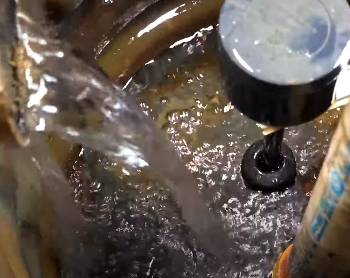
- Lower purchase price and simpler installation A basic sump kit costs far less than an ejector package. Digging a pit and running a short discharge line takes one afternoon for most homeowners. I installed my first sump with a shovel and a hole saw.
- Quiet everyday operation Because the water is clean and the runs are short, the pump cycles quickly and stays almost silent. In a finished basement the noise disappears under normal conversation.
- Easy maintenance access Open pits let me lift the pump, clean the impeller, and test the float in under ten minutes. No sealed lid means no gasket replacement or vent inspection.
- Wide range of backup options Battery, water-powered, and dual-pump systems are common and inexpensive. I can mix brands without code headaches.
- Long service life when used correctly A sump that only sees clear water can last ten to fifteen years with annual checks. The impeller never fights solids, so wear stays low.
- Flexible discharge routing I can send the water to a storm drain, a dry well, or simply away from the foundation. Local rules are usually lighter than sanitary-sewer rules.
Cons of Sump Pumps
- Zero tolerance for solids Flush a tissue or drop a leaf into the pit and the impeller can lock. I once spent an hour fishing debris out after a contractor left sawdust in the pit.
- Limited lift capacity Most residential sumps struggle past twelve feet of vertical rise. Long horizontal runs add friction that further cuts performance.
- Open pit can collect junk Kids drop toys, pets knock in dirt, and construction dust settles. The pit becomes a trash collector that needs regular cleaning.
- No protection against sewer backups A sump cannot stop sewage that backs up from the street main. Separate backwater valves are required for that job.
- Battery backups need yearly battery replacement I have replaced more batteries than I care to count. Neglect the battery and the backup is useless when the power fails.
Also Read: Common Reasons Why Grundfos MQ3-45 Is Leaking.
Key Features of Sewage Ejector Pumps
- Heavy-duty impeller or grinder mechanism Standard ejectors use a non-clog impeller that passes two-inch solids. Grinder models shred waste into slurry so smaller discharge pipes work. For a single bathroom I stick with the non-clog style; for multiple fixtures a grinder feels safer.
- Sealed basin with vent The basin must be airtight and vented to the roof or an exterior wall. Without the vent the pump can lose prime or create vacuum lock. I always size the basin at least 18 inches in diameter so the pump does not short-cycle.
- High-head capability Ejector pumps are rated for total dynamic head of 15–30 feet. That rating includes vertical lift plus friction losses in the pipe. Undersizing the head leaves waste sitting in the line.
- Dual float or diaphragm switch Many models use a mechanical float for normal operation and a second high-level float that triggers an alarm. The dual system gives a clear warning before overflow.
- Check valve rated for solids A full-port check valve with a soft seat keeps solids from jamming the flap. I replace the valve every five years because a stuck check is the most common reason an ejector backs up.
- Access cover and service ports The lid must open fully so the pump can be lifted without cutting pipe. Quick-disconnect fittings let me pull the unit in minutes instead of hours.
Pros of Sewage Ejector Pumps
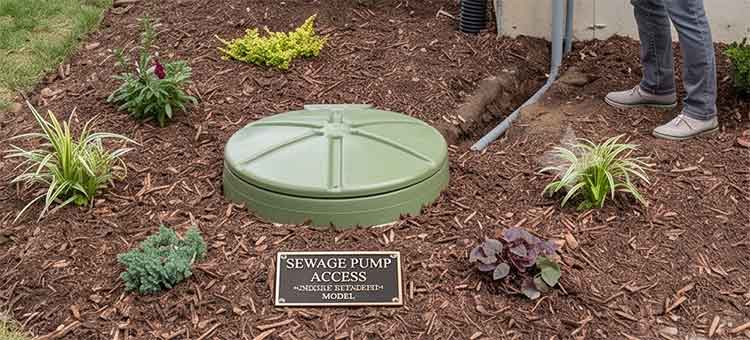
- Handles real bathroom waste Toilets, showers, and laundry can sit below the sewer line and still function. That single feature lets me finish a basement bathroom without expensive sewer rerouting.
- Sealed system keeps odors out Once the lid is bolted and the vent is correct, sewer gas stays outside. I never smell the system under normal use.
- High solids capacity reduces clogs Soft solids pass or get ground up, so the pump rarely jams from everyday paper or waste. I have run the same unit for eight years with only annual inspections.
- Code-compliant for below-grade fixtures Inspectors expect an ejector for any toilet below the sewer invert. Installing one the first time avoids failed inspections and rework.
- Built-in alarms give early warning High-level floats and audible alarms tell me the system is in trouble before waste hits the floor. That warning has prevented two messy cleanups.
Cons of Sewage Ejector Pumps
- Higher purchase and install cost The sealed basin, larger pipe, and heavier pump push the total price well above a simple sump. Labor for the sealed connections also runs higher.
- Louder operation Grinding solids or pushing heavy loads creates more noise. In a quiet basement the sound carries through the floor joists.
- More frequent maintenance Seals, vents, and check valves need regular attention. Ignoring them leads to gas leaks or backups that are far messier than sump water.
- Requires proper venting A blocked vent causes the pump to air-lock or the basin to pressurize. I have seen DIY installs fail simply because the vent pipe was too small.
- Heavier electricity use Longer run times and higher horsepower draw more power. Over a year the difference shows on the utility bill.
- Limited flexibility once installed Moving an ejector or changing the discharge route means breaking the sealed system and re-testing for leaks. The commitment is permanent.
When I Choose One over the Other?
I install a sump pump any time the only problem is groundwater or surface water entering a basement.
The decision is easy: dig the pit, drop the pump, run the pipe outside. I reach for an ejector pump the moment a toilet, shower, or washing machine sits lower than the main sewer.
Mixing the two jobs never works. I once watched a homeowner try to pump toilet waste with a sump; the impeller locked within a week and the cleanup cost more than a proper ejector would have.
- Installation Realities I Have Faced
Sump pits need a solid base so the pump sits level. I always pour a concrete pad or use a manufactured pit with a flat bottom. Discharge pipe must slope slightly downhill after it leaves the house so residual water drains.
For ejectors the basin must sit on a level surface and the inlet pipes must enter above the normal water line so solids do not settle in the lines. I always pressure-test the sealed lid before covering the floor. Skipping that step has left more than one homeowner with a gas smell that took days to track down.
- Long-Term Ownership Notes
Sump pumps reward simple habits: keep the pit clean, test the float twice a year, and replace the check valve every five years. Ejector pumps demand more: inspect the vent, exercise the check valve, and listen for changes in run time.
A pump that suddenly runs longer usually means a partial clog or a failing impeller. Catching that early keeps the mess contained.
I have owned both systems in the same house for more than a decade. The sump has saved the lower level during every heavy rain.
The ejector has let me keep a full bathroom and laundry room in the basement without a single backup. Matching the pump to the exact job is the only rule that has never failed me.
Also Read: Differences Between Sump Pump And Utility Pump.
Frequently Asked Questions (FAQ)
No. Each handles a different kind of water. A sewage pump is better only when solids are present; a sump is better for clean groundwater.
Technically yes, but it is overkill and more expensive. The sealed basin and higher power draw make it a poor everyday choice for clear water.
Yes. Standard residential ejector pumps are built to pass normal amounts of toilet paper along with soft solids.
Look at the basin. An open or loosely covered pit signals a sump. A sealed tank with a bolted lid and a vent pipe signals an ejector.
Wrapping Up
After weighing every difference, feature, advantage, and drawback, I settle on one simple rule: a sump pump keeps groundwater out of your basement, while a sewage ejector pump moves toilet and fixture waste from below the sewer line.
You now have the full picture. Choose the pump that matches the water you actually face, install it correctly, and maintain it on schedule. That single decision has kept my own lower level dry and functional for years, and it will do the same for yours.