
When I first dealt with rising groundwater in my basement and later managed a septic system that needed reliable wastewater transfer, the choice between an effluent pump and a sump pump became a practical puzzle that cost me time and a few unnecessary service calls.
This article lays out the clear differences, real-world performance, and decision factors so you can match the right pump to your exact needs without the usual guesswork.
| Feature | Sump Pump | Effluent Pump |
| Primary Purpose | Removes groundwater and stormwater from basements or crawl spaces | Transfers partially treated wastewater from septic tanks to drain fields or secondary systems |
| Solids Handling | Minimal to none; designed for clear or lightly dirty water | Handles solids up to ½–¾ inch in diameter |
| Typical Application | Flood prevention, dewatering | Septic systems, graywater transfer, some industrial dewatering |
| Construction Focus | Corrosion resistance for clean water | Enhanced seals and materials for wastewater exposure |
| Common Horsepower Range | ⅓ to ½ HP | ½ to 1+ HP |
| Installation Location | Sump pit in lowest area of structure | Effluent chamber or pump tank after septic tank |
| Discharge Destination | Yard, storm drain, or dry well | Drain field, mound system, or further treatment |
| Maintenance Emphasis | Debris clearing, float switch checks | Seal integrity, solids passage verification |
Key Differences between Effluent Pump and Sump Pump
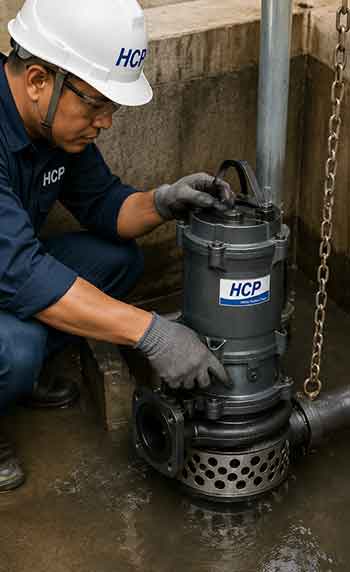
- Application and Primary Environment Sump pumps live in relatively clean water environments. The water they move comes from around the foundation, so it may carry a bit of silt or fine sediment but almost never soft solids or organic waste. I have pulled sump pumps that ran for years with nothing more than mineral scaling on the impeller. Effluent pumps, by contrast, operate in the partially treated wastewater zone. That liquid has already lost the large solids but still contains organic matter, small particles, and chemicals that demand tougher seals and more corrosion-resistant housings. Using a sump pump in that setting usually leads to premature seal failure and clogged passages.
- Solids Passage Capability This is the single biggest mechanical difference. Most residential sump pumps are rated for clear water or solids smaller than the thickness of a credit card. Their impellers are designed for high flow and low head with narrow vanes. Effluent pumps feature wider impeller vanes or semi-open designs that let particles up to three-quarters of an inch pass through without binding. When I tested an effluent pump on a mixed load that included fine gravel and organic bits, it kept moving while a comparable sump unit stalled within minutes.
- Power and Head Pressure Requirements Sump pumps often prioritize volume over distance. They need to empty a pit quickly during a heavy rain but usually discharge only a short horizontal run and modest vertical lift. Effluent pumps routinely push liquid uphill or across longer distances to reach a drain field on higher ground. That demand shows up in higher horsepower ratings and different performance curves. I have measured discharge heads where an effluent unit maintained solid flow at twenty-five feet of vertical lift while a standard sump pump struggled past twelve feet.
- Material and Seal Design Clean-water sump pumps can get by with thermoplastic or lighter cast-iron components. Effluent pumps almost always use heavier cast iron or stainless elements plus mechanical seals rated for continuous exposure to wastewater. The difference becomes clear after a few years: effluent units stay quieter and more reliable in their intended service, while a sump pump forced into effluent duty develops leaks around the shaft seal far sooner.
- Control and Float Systems Both use float switches, yet the environments change the preferred style. Vertical or tethered floats work fine for sump pits where water is relatively clean. In effluent tanks the liquid can foam or contain grease films, so many installers prefer diaphragm switches or more robust tethered designs that resist coating. I have replaced enough sticky floats to know that the wrong switch type turns a reliable pump into a short-cycling headache.
- Longevity Expectations under Proper Use A well-maintained sump pump in a clean pit can last eight to fifteen years. An effluent pump in a properly designed septic system often reaches similar numbers because its materials match the fluid. Cross them and the service life drops sharply. The analytical takeaway is simple: match the pump to the fluid chemistry and solids load first, then worry about horsepower and switch type.
Key Features of Sump Pumps
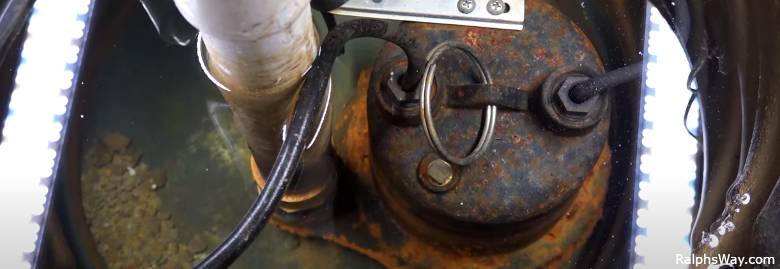
- Submersible or Pedestal Configurations Submersible models sit entirely underwater, which keeps them quiet and cool. Pedestal versions mount the motor above the pit so you can service it without reaching into the water. I prefer submersibles for finished basements because the noise stays low, but pedestal units still make sense in tight crawl spaces where access is limited.
- Automatic Float Activation The float rises with the water level and closes a circuit that starts the motor. Most modern units include a tethered or vertical float that can be adjusted for the desired on and off levels. This automatic cycle is what lets the pump protect the house while you sleep through a storm.
- High-Flow, Low-Head Performance Curves Manufacturers design these pumps to move large volumes quickly over short distances. Look for GPM ratings at five or ten feet of head when you compare models. That number tells you how fast the pit will empty during peak inflow.
- Built-in Check Valves or Easy Addition Points A check valve stops water from flowing back into the pit after the pump shuts off. Many kits include one, or the discharge pipe is threaded for easy installation. Without it the pump short-cycles and wears out faster.
- Thermal Overload Protection If the motor overheats from a jammed impeller or continuous run, a thermal switch cuts power until it cools. This simple feature has saved more than one pump in my experience when debris temporarily blocked the intake.
- Optional Battery Backup Compatibility Power outages often arrive with the same storms that flood basements. Many sump systems accept a battery backup that keeps the pump running for hours. I treat this as nearly essential in areas with frequent outages.
Pros of Sump Pumps
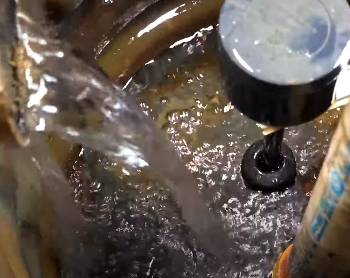
- Reliable Flood Protection When sized and installed correctly, a sump pump removes water faster than it can enter the basement. I have seen homes that stayed bone-dry through multi-day rains solely because the pump and pit were matched to the local water table.
- Relatively Low Purchase and Installation Cost Basic residential units start at a price most homeowners can absorb. Installation is straightforward in a prepared pit, and many people handle the job themselves with basic plumbing skills.
- Simple Maintenance Routine Quarterly checks of the float, intake screen, and discharge line keep most problems away. No complex filters or grinding mechanisms need attention.
- Quiet Operation in Submersible Form Once the pit is covered, the only sound is a soft hum during run cycles. Finished basements benefit from this low noise profile.
- Wide Availability of Replacement Parts Floats, check valves, and motors are stocked at most hardware stores. Downtime stays short when something fails.
- Energy Efficiency for Intermittent Use The motor runs only when needed, so annual electricity cost stays modest compared with continuous-duty pumps.
Cons of Sump Pumps
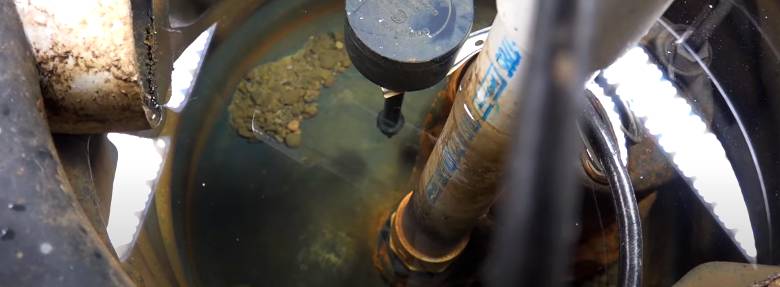
- Limited Solids Tolerance Any significant debris can jam the impeller. Leaves, small toys, or construction grit that finds its way into the pit will stop the pump until you clear it.
- Dependence on Electrical Power Without a backup system the pump is useless during outages. Storms that knock out power are exactly when flooding risk peaks.
- Potential for Short Cycling An oversized pump or poorly adjusted float can turn the unit on and off every few minutes, wearing the motor and switch.
- Noise and Vibration in Pedestal Models The motor sits above the pit and transmits more sound into the living space.
- Risk of Frozen Discharge Lines In cold climates the outdoor discharge can freeze solid, forcing water back into the basement. Insulation or indoor discharge solutions become necessary.
- Finite Service Life under Heavy Use Continuous high-water seasons shorten the expected lifespan, and sudden failure can still produce a flooded basement if no alarm is present.
Key Features of Effluent Pumps
- Solids-Handling Impellers Semi-open or vortex impellers create a flow path wide enough for half-inch or three-quarter-inch solids. This design is the reason the pump can move septic effluent without constant clogging.
- Higher Head Capability Performance charts show useful flow at twenty, thirty, or even forty feet of total dynamic head. That range matches the elevation changes common when a drain field sits uphill from the tank.
- Robust Mechanical Seals Double seals or seals made from materials resistant to wastewater chemistry keep the motor dry. I have opened older effluent pumps and still found the motor windings clean after years of service because the seal did its job.
- Continuous-Duty Motor Ratings Many effluent pumps are rated for continuous operation rather than intermittent starts. This matters when a system doses the drain field in long cycles rather than short bursts.
- Corrosion-Resistant Housings Cast-iron or thermoplastic bodies with special coatings stand up to the slightly acidic or alkaline nature of septic effluent. The extra material cost pays off in longer service intervals.
- Versatile Switch Options Tethered floats, vertical floats, and control-panel float systems all appear on effluent models. Some installations use a timer or pressure switch instead of a simple float when precise dosing is required.
Pros of Effluent Pumps
- Ability to Move Partially Treated Wastewater The solids-handling design lets the pump transfer liquid that still contains small particles without constant intervention. This is essential for any gravity-defying septic layout.
- Higher Pressure Capability Elevated drain fields or long force mains become practical because the pump can generate the required head.
- Durable Construction for Harsh Fluids Better seals and materials mean fewer unexpected failures when the liquid is more aggressive than clear groundwater.
- Flexibility Beyond Septic Duty Some installations use effluent pumps for elevator shaft dewatering or industrial graywater transfer where light solids are present.
- Continuous-Duty Ratings Systems that need long run times or frequent dosing cycles stay within the motor’s design limits.
- Reduced Clogging Compared with Standard Sump Units Wider passages keep the pump online longer between maintenance visits.
Cons of Effluent Pumps
- Higher Initial Cost The upgraded materials and solids-handling features raise the price above a basic sump pump.
- Overkill for Clean-Water Applications Using an effluent pump in a pure sump pit wastes money and may introduce unnecessary complexity.
- More Complex Installation Requirements Proper tank sizing, venting, and control wiring often need a professional who understands septic codes.
- Potential for Greater Power Draw Higher horsepower and longer run times increase electricity use compared with a typical residential sump cycle.
- Specialized Parts Availability Some seals or impeller styles are not stocked at every local store, so repairs can take longer.
- Risk of Misapplication If someone installs an effluent pump where raw sewage with large solids is present, clogging still occurs because the unit is not a grinder or full sewage pump.
Decision Factors I Weigh
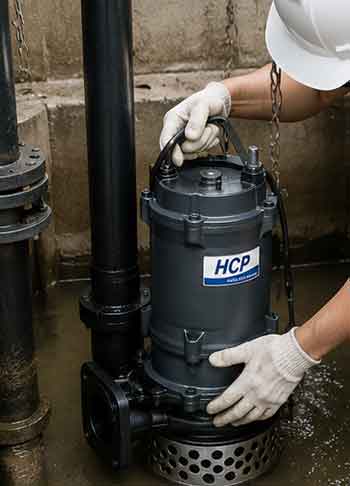
When I evaluate a site I start with the fluid itself. Clear groundwater or stormwater points straight to a sump pump.
Any liquid that has passed through a septic tank or carries measurable solids points to an effluent pump.
Next I measure the vertical and horizontal distance the water must travel. Short runs favor lower-horsepower sump units; long or uphill runs favor the higher-head effluent models.
Finally I look at power reliability and local climate.
Battery backups matter more for sump systems in storm-prone areas, while effluent systems often sit in underground tanks that stay warmer and less affected by short outages.
I also consider future maintenance access.
A sump pit in a finished basement needs a quiet submersible unit and an alarm that alerts the homeowner before water reaches the floor.
An effluent chamber in the yard needs a pump that can be pulled without digging up the entire tank.
Matching these practical details prevents the expensive surprises that come from treating the two pump types as interchangeable.
Installation and Maintenance Realities
Installing a sump pump usually means placing it in an existing or newly dug pit, connecting a discharge pipe with a check valve, and plugging into a dedicated outlet.
The work is accessible to a competent homeowner. Effluent pump installation often involves a sealed pump tank, electrical controls rated for wet locations, and compliance with local health-department rules for septic systems.
I have seen more callbacks on effluent jobs simply because the control wiring or float settings were not matched to the tank geometry.
Maintenance for both starts with the float. Stick a float and the pump either runs dry or fails to start. For sump pumps I also check the intake screen for leaves or silt. For effluent pumps I verify that the solids-handling passages remain open and that the mechanical seal shows no weeping.
Annual professional inspection of an effluent system is money well spent; the same interval works for a heavily used sump pump.
Also Read: Differences Between Utility Pump And Sump Pump.
Frequently Asked Questions (FAQ)
A sump pump removes clear or lightly dirty groundwater from basements to prevent flooding. An effluent pump moves partially treated wastewater containing small solids from a septic tank to a drain field.
Yes in some clean-water situations, but it is usually more expensive and powerful than needed. The reverse is not recommended because a sump pump cannot handle the solids in effluent.
Most residential and light-commercial effluent pumps are submersible, designed to operate fully underwater in the pump tank.
An effluent pump passes small solids whole. A grinder pump cuts solids into a fine slurry so the mixture can travel through smaller-diameter pipes under higher pressure.
Wrapping Up
Choosing between these two pumps comes down to matching the machine to the job. When I look at a property I ask what liquid needs to move, how far it must travel, and what level of solids it contains. Answer those three questions and the right pump almost selects itself.
You now have the detailed comparison, the practical features, and the honest pros and cons that let you make that call with confidence.
Whether you face a wet basement or a septic system that needs reliable transfer, the correct pump keeps water where it belongs and protects the investment you have in your property.