
I spent weeks comparing single-hung and casement windows while planning updates for my own house, and I want to share what actually matters so you can pick the right one without second-guessing later.
Both styles work well in the right spot, but they perform differently in daily use, energy bills, upkeep, and how they look from the street. Here is the side-by-side view I used, followed by the details that decided my choices.
| Feature | Single-Hung Windows | Casement Windows |
| Operation | Bottom sash slides up; top stays fixed | Crank handle swings the full sash outward on side hinges |
| Ventilation | About half the window opens | Nearly the full window opens and can catch side breezes |
| Energy Seal | Sliding contact with weatherstripping | Compression seal when locked, tighter overall |
| Typical Unit Cost | Lower, often $150–$400 | Higher, often $250–$600+ |
| Cleaning Access | Bottom easy; top exterior harder on upper floors | Usually reachable from inside once open |
| Exterior Clearance | None needed | Requires open space outside |
| Hardware Complexity | Simple tracks and balances | Crank, operator arm, and hinges |
| Common Look | Traditional vertical lines | Clean, modern, fewer dividers |
| Best For | Budget projects and classic facades | Strong airflow and tight seals |
Also Read: Is Silver Line Windows Worth Your Money?
Key Differences between Single-Hung and Casement Windows
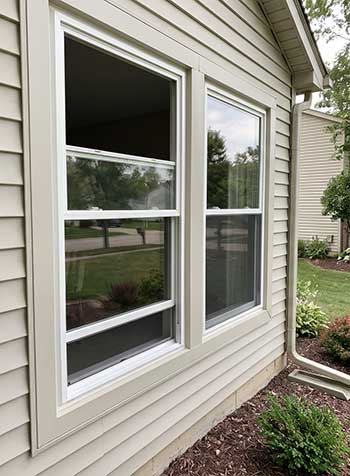
- Operation style changes daily habits. Single-hung windows rely on a vertical slide that feels familiar if you grew up with traditional homes. Casement windows use a crank that gives precise control over how far the sash opens, which I found useful on windy days when I wanted just a crack of air.
- Ventilation capacity differs sharply. With single-hung you open roughly half the window area. Casement units open nearly the full height and width, and the angled sash can funnel breezes that would otherwise pass by the wall.
- Sealing method affects energy performance. Single-hung windows use sliding weatherstripping that works well when maintained. Casement windows create a compression seal similar to a refrigerator door, which consistently shows lower air leakage in testing.
- Clearance requirements limit placement. Single-hung windows sit flush and never project outward, so they fit beside walkways or tight side yards. Casement windows need clear exterior space or they become an obstacle when open.
- Hardware and long-term service needs vary. Single-hung mechanisms are simpler, so repairs often stay limited to balances or tracks. Casement hardware includes gears, arms, and hinges that benefit from occasional lubrication and can fail if neglected.
- Aesthetic impact on the house exterior is distinct. Single-hung windows reinforce classic vertical proportions and work with divided-lite grids. Casement windows present cleaner sightlines and pair well with contemporary or transitional designs.
- Installation and replacement logistics differ. Single-hung units are generally lighter and faster to set. Casement units can be heavier and require more precise alignment of the operator hardware.
How Single-Hung Windows Actually Work in Everyday Use?
Single-hung windows keep the top sash locked in place while the bottom one glides upward. I like how straightforward that feels.
You lift or push the lower sash, set it at the height you want, and that is the whole process. No extra hardware to learn. In my older house the original ones had that classic divided look, and the replacements I checked kept a similar silhouette so the exterior stayed consistent with the neighborhood.
The fixed top section means you never get airflow from the upper half. On hot days I noticed the air stayed a bit stiller near the ceiling compared with rooms that had full-opening windows. Still, the simplicity has real advantages.
Fewer moving parts usually mean fewer things that stick or need replacement. When the weatherstripping is fresh, the seal holds up fine for most climates. I have seen older single-hung units develop small gaps along the tracks after years of use, especially if the house settles, so periodic checks matter.
How Casement Windows Operate and Feel Different?

Casement windows hinge on one side and open outward when you turn a crank.
The first time I tried a quality one, the sash moved smoothly and locked with a solid click.
The entire glass area swings clear, so you get a big opening instead of just the lower portion.
That design also presses the sash tightly against the frame when closed, which is why many people notice less draftiness.
I tested a few in showrooms and at friends’ houses.
The crank sits low enough that you do not have to stretch, which helps if mobility is a concern. Screens sit on the interior, so you remove them to clean the glass.
On second-story windows this inside access is convenient because you rarely need a ladder. The trade-off shows up when the window is open: the sash sticks out several inches to a foot or more, so anything planted or placed right outside can get in the way.
Also Read: Is Marvin Replacement Windows Worth Your Money?
Key Features of Single-Hung Windows
- Bottom-only operation keeps the mechanism basic and reliable for most users.
- Traditional appearance blends with colonial, craftsman, and many existing homes without looking out of place.
- Lower material and hardware costs make them practical for whole-house replacements on a budget.
- Tilt-in options on many models let you clean the interior faces of the bottom sash easily.
- Limited projection means they work in narrow exterior clearances and next to porches or paths.
- Simple track design allows straightforward DIY adjustments or professional repairs without specialized parts.
- Compatible with standard window air conditioners in the lower sash when needed.
- Available in vinyl, wood, fiberglass, and clad options with various glass packages for efficiency upgrades.
Pros and Cons of Single-Hung Windows
I weighed these carefully because cost and simplicity mattered in parts of my project. The advantages stood out first.
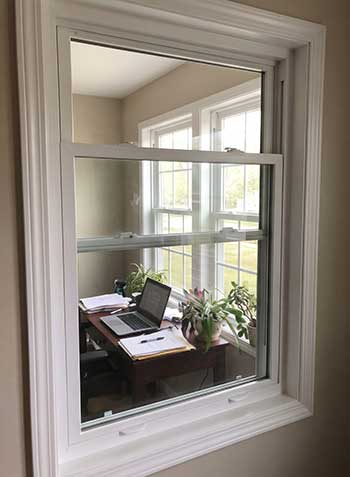
- Affordability is the biggest practical win. Unit prices and installation labor both tend to run lower than casement equivalents with the same glass and frame material. That difference adds up quickly across ten or twenty openings.
- Familiar operation means almost anyone in the house can use them without instructions. No crank to turn the wrong way or gears to jam.
- Minimal exterior clearance requirements let you place them almost anywhere a sliding or fixed window would fit. I never worried about the sash hitting a shrub or deck railing.
- Repair simplicity keeps long-term ownership costs down. Tracks and balances are widely available, and many local technicians already know the system.
- Traditional styling preserves or restores period character without special architectural review in most neighborhoods.
- Compatibility with window units for cooling is useful in older homes that still rely on them in certain rooms.
- Fewer mechanical components reduce the chance of operator failure over a decade or more of normal use.
The limitations became clear after living with similar windows for years.
- Restricted ventilation leaves the upper portion closed, so hot air can pool near the ceiling and cross-breezes are weaker.
- Exterior cleaning of the fixed top sash often requires a ladder on upper floors, which adds time and safety considerations.
- Sliding seals can develop small air leaks over time if tracks collect dirt or the house shifts, requiring more frequent weatherstripping attention than a compression design.
- The open bottom sash creates a potential fall risk for small children unless limiters or guards are added.
- Heavy sashes on large units can feel stiff to lift, especially if balances weaken.
- Aesthetic options are more constrained if you want a fully modern, uninterrupted glass look without grids.
Also Read: Is Alside Mezzo Windows Worth Your Money?
Key Features of Casement Windows
- Full-sash outward swing delivers maximum airflow and the ability to catch cross breezes.
- Compression locking creates one of the tighter seals among operable window types.
- Crank operation stays accessible even for windows above counters or for users who prefer not to lift a heavy sash.
- Unobstructed glass area maximizes views and natural light when the window is closed.
- Interior screen design and full opening usually allow cleaning the exterior glass from inside the room.
- Multi-point locking hardware adds security when the sash is fully closed and latched.
- Modern profiles suit contemporary architecture and can reduce visual clutter on the facade.
- High-performance glass and frame options often achieve strong energy ratings that support lower heating and cooling loads.
Pros and Cons of Casement Windows
These windows impressed me in showrooms and in a friend’s renovation, yet the practical limits kept me from using them everywhere.
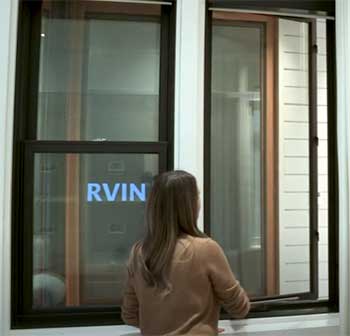
- Superior ventilation turns a room around on mild days. The full opening and the way the sash catches wind made a noticeable difference in airflow compared with single-hung units in the same house.
- Tighter compression seals support better energy performance. In colder months the reduced air leakage helps the HVAC system work less, and many models pair well with low-e glass and gas fills.
- Easy interior access for cleaning removes the ladder requirement for most second-story windows once the sash is open.
- Strong security when locked comes from multi-point hardware that holds the sash firmly against the frame.
- Clean visual lines and unobstructed views suit contemporary interiors and exteriors without heavy muntins.
- Precise crank control lets you set the opening exactly where you want it instead of guessing with a sliding sash.
- High-quality versions hold up well in testing for air infiltration and can contribute to lower utility costs over time.
The drawbacks are equally concrete and showed up in real placements I considered.
- Higher upfront cost appears in both the window unit and often in installation because of the added hardware. The premium can range from modest to significant depending on brand and size.
- Exterior clearance is non-negotiable. An open sash projects outward and can block paths, interfere with outdoor furniture, or get damaged by strong gusts if left open.
- Hardware maintenance is ongoing. Cranks, operators, and hinges need occasional lubrication, and neglected units can become stiff or fail to close tightly.
- Strong winds stress the open sash more than a sliding design, so exposed locations require caution during storms.
- Interior screens sit between you and the view or the crank, and they must be removed for full cleaning access.
- Standard window air conditioners do not fit because there is no flat sill track for mounting.
- Very wide single units become heavy and harder to operate smoothly, often leading to paired casements instead.
- Repair parts for the operator mechanism can be model-specific and more expensive than simple track components.
Energy Performance in Real Conditions

Glass packages matter more than style alone, yet the sealing method still creates a measurable gap.
Casement windows typically show lower air-leakage numbers because the sash compresses against the frame.
Single-hung windows can perform very well with quality weatherstripping and low-e coatings, but they start with a sliding interface that allows slightly more infiltration if not maintained.
In my climate checks, the difference showed up most clearly in shoulder seasons when I wanted windows open part of the day and sealed the rest.
Homes with high heating or cooling loads often benefit from the tighter casement option on the windward side, while single-hung units stay competitive on the leeward side or in milder zones.
Cost and Ownership Over Time
Upfront price favors single-hung windows in almost every comparison I ran with matching frame materials and glass. Installed costs for casement units commonly run higher because of the crank assembly and the precision needed for the seal.
Over ten years the picture can shift if energy savings offset part of the premium, especially in extreme climates. Maintenance also plays a role. Single-hung repairs stay simpler and cheaper on average.
Casement hardware lasts a long time with basic care, yet a failed operator can cost more to replace. I calculated both purchase price and expected service for each room before deciding.
Also Read: Is RELIABILT Replacement Windows Worth Your Money?
Frequently Asked Questions (FAQ)
They need clear exterior space to open, require more hardware maintenance, cost more upfront, and cannot accept a standard window air conditioner.
No. Their tight seals, strong ventilation, and clean lines keep them popular in both modern and updated traditional homes.
The outward-swinging sash requires exterior clearance and can become an obstacle or wind-vulnerable when open.
Yes, they typically cost more because of the crank hardware and compression-seal design, though exact differences depend on size, material, and brand.
Wrapping Up
If you match the window to the room’s clearance, airflow needs, and budget, either style can perform well for years.
I found that walking the house with those three factors in mind removed most of the guesswork and left me with windows that actually suit how we live in each space.
You should do the same walk-through before you commit, because the right choice shows up in lower bills, easier cleaning, and fewer surprises after installation.