
If you are on a tight budget or flipping a house and need reliable, no-frills vinyl windows, Silver Line is the brand you should buy.
These windows offer the best balance between cost and functional performance for homeowners who want to improve their energy efficiency without breaking the bank.
While they aren’t luxury wood windows, they do exactly what they promise: keep the weather out and the heat in. I recommend them for anyone looking for a practical, wallet-friendly upgrade that still provides a solid return on investment.
My Personal History With Silver Line Windows
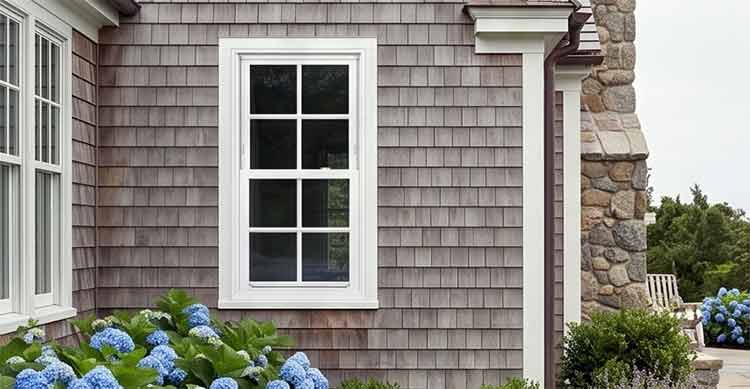
When I first bought my fixer-upper a few years back, the original wood windows were so drafty I could practically feel the breeze while sitting on my sofa.
I didn’t have twenty thousand dollars to drop on high-end architectural windows, so I started looking at the vinyl options at my local big-box hardware store. That is how I ended up with Silver Line. Specifically, I went with the V3 series because they looked a bit beefier than the base models.
Installation day was a real test of my patience, but I found that these units are actually quite forgiving. Because they are lightweight vinyl, I could maneuver them into the rough openings without needing a three-man crew.
Once I got the first few leveled and shimmed, the rest went in like clockwork. What struck me immediately was the change in the “feel” of my living room. The street noise from the bus stop outside dropped significantly. It wasn’t silent, but it was a muffled, distant hum instead of a sharp roar.
Over the next two years, I watched my utility bills closely. Living in a place where the winters bite and the summers bake, I needed to see if these budget-friendly windows would hold up.
I noticed my furnace wasn’t kicking on nearly as often during those late-January freezes. The double-pane glass and the Intercept spacer system seemed to be doing their job.
I did notice that the vinyl frames felt a bit “softer” than the high-end composite windows my brother installed in his place. When the sun hits them directly in July, the frames can get quite warm to the touch, but I haven’t seen any warping or bowing yet.
The tilt-in feature for cleaning was a lifesaver for the second-story windows. I’m not a fan of ladders, so being able to wash the exterior glass from inside my bedroom was a major win. For a DIYer or a homeowner on a budget, my time with them has been surprisingly positive.
They aren’t fancy, but they are honest windows that do the job they were hired for.
Why These Silver Line Windows Might Be Right For You?
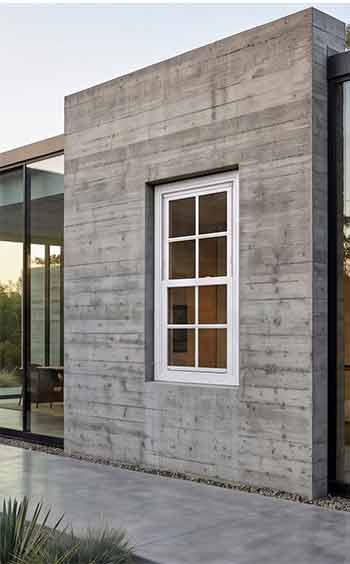
- The Unbeatable Price Point For Tight Budgets If you have ever priced out a full house replacement, you know the sticker shock is real. The primary reason I point people toward this brand is the cost. You can often outfit an entire small home for the price of four or five high-end wood windows. This makes them the perfect choice for rental properties or “starter” homes where you want to increase the value without over-capitalizing. You get a brand-new look and improved thermal performance for a fraction of what the premium brands charge.
- Widespread Availability And Fast Lead Times One of the most frustrating parts of home renovation is waiting twelve weeks for a custom order. Because these are sold through major national retailers, you can often find common sizes sitting right on the shelf. If you have a broken window or a sudden renovation emergency, being able to drive down the street and pick up a replacement the same day is a massive advantage. Even custom orders tend to move faster through their system compared to the boutique manufacturers.
- Decent Energy Efficiency Ratings For The Cost Don’t let the low price fool you into thinking these are just sheets of glass in a plastic frame. Most of their models are Energy Star certified, featuring Low-E glass coatings and argon gas fills. These features work together to reflect infrared light, keeping your home cooler in the summer and warmer in the winter. In my experience, the reduction in drafts was immediate. The multi-chambered frame design also helps trap air, providing an extra layer of insulation that older single-pane windows simply can’t match.
- Simplified Installation Process For DIY Enthusiasts As I mentioned earlier, these are very friendly to the weekend warrior. The frames are designed with integrated nail fins (for new construction) or as simple box frames for replacement inserts. They are lightweight enough that you won’t throw your back out trying to set them in the opening. The instructions provided are straightforward, and because they are so common, there are thousands of community tutorials available online to help you through any tricky spots.
- Low Maintenance Requirements For Busy Homeowners Unlike wood windows, you never have to scrape, prime, or paint these frames. The color is extruded through the vinyl, meaning it won’t chip or peel over time. For someone like me who would rather spend my weekends grilling than painting window sashes, this is a huge selling point. A quick wipe down with some soapy water every few months is usually all it takes to keep them looking brand new.
Also Read: Multi-Story & Custom Sizing: Pro Window Installation Cost Calculator.
Potential Downsides of Silver Line Windows To Consider
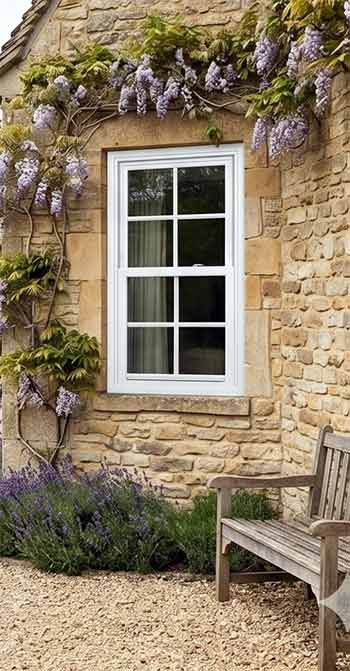
- Plastic Hardware And Potential For Flimsiness One area where the budget nature shows is in the locks and latches. The hardware is often made of plastic or lightweight metal that doesn’t feel as “substantial” as the heavy-duty brass or steel you find on premium brands. I have had to be careful not to force the locks when the window isn’t perfectly aligned, as I worry about snapping the plastic components. It’s a trade-off; you pay less, but you lose that feeling of heavy-duty security.
- Limited Selection Of Colors And Grid Patterns If you are looking for a specific “dark bronze” or “forest green” to match your siding, you might be out of luck. Most of these windows come in white or beige. While these are classic colors, they don’t offer much in the way of architectural flair. The grid patterns (muntins) are also fairly basic. If you have a very specific historical look you are trying to replicate, these might look a bit too “modern” or “plastic” for your taste.
- Seal Failure Concerns In Extreme Climates There have been reports over the years regarding the longevity of the seals in areas with extreme temperature swings. When the seal between the two panes of glass fails, moisture can get inside, causing that annoying “foggy window” look. While I haven’t experienced this yet, it is a common complaint in long-term reviews. The warranty covers some of this, but the process of getting a replacement sash can be a bit of a bureaucratic headache.
- Less Structural Rigidity On Large Openings Vinyl is naturally more flexible than wood or fiberglass. On very large picture windows or wide double-hung units, you might notice a bit of “flex” in the frame when it’s windy. This doesn’t necessarily mean the window is going to fail, but it can be unnerving if you are used to the rock-solid feel of a timber frame. If you have massive openings to fill, you might want to look into their more reinforced series or consider a different material altogether.
Tips To Extend Life of Silver Line Windows
- Cleaning The Vinyl Frames Properly Regularly You should avoid using any harsh chemicals or abrasive pads on the vinyl. I’ve found that a simple mixture of mild dish soap and warm water works wonders. If you use something like bleach or a scouring powder, you risk dulling the finish or creating microscopic scratches that will trap dirt later. I usually do this twice a year—once in the spring and once in the fall—to keep the frames looking bright and to prevent environmental pollutants from staining the surface.
- Keeping The Weep Holes Clear Of Debris This is probably the most important tip that most people ignore. At the bottom of the exterior frame, there are small holes designed to let water drain out of the track. Over time, these can get clogged with dirt, spider webs, or dead bugs. If they get blocked, water will back up and potentially leak into your wall or rot your subfloor. I use a small piece of wire or a toothpick to poke through these holes once a year to ensure they are free and clear.
- Lubricating The Tracks For Smooth Operation If your windows start to feel sticky or hard to open, don’t just pull harder. You could damage the balance system. Instead, clean the tracks thoroughly and then apply a light coat of dry silicone spray. Never use oil-based lubricants like WD-40, as they will attract dust and eventually turn into a sticky gunk that makes the problem worse. A dry silicone spray keeps things sliding smoothly without creating a mess.
- Inspecting The Caulking And Weatherstripping Yearly Even the best window will leak if the seal between the window and your house fails. Every autumn, I walk around the exterior of my house and look for any cracks in the caulking where the window frame meets the siding. If I see a gap, I scrape out the old stuff and put down a fresh bead of high-quality silicone caulk. Similarly, check the fuzzy weatherstripping inside the window. If it’s flattened or torn, it won’t stop the air, and it might be time to look into replacement strips.
- Balancing The Sashes For Even Movement Sometimes a double-hung window will start to “drift” down or feel heavy. This usually means the constant-force balances (the springs that hold the window up) need a little attention or a quick adjustment. If you notice the window isn’t staying up on its own, address it immediately. Letting a heavy sash slam down can crack the glass or damage the frame. Most of the time, it’s just a matter of ensuring the sash is properly snapped into the shoes on either side.
Comparing Silver Line With Other Major Brands
- Silver Line Vs. Andersen Replacement Windows
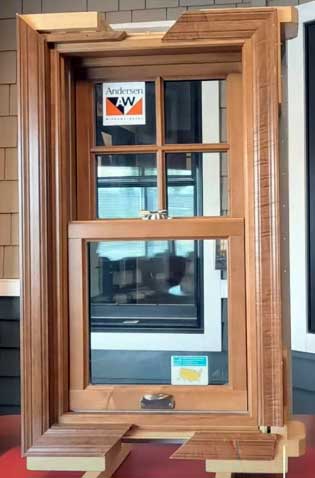
When you look at Silver Line and Andersen side by side, you are essentially looking at two different worlds of home improvement.
I found that Andersen, especially their Renewal series, focuses heavily on their proprietary Fibrex material, which is a composite of wood fiber and polymer.
It is incredibly stiff and mimics the look of traditional wood perfectly. Silver Line, on the other hand, sticks to the classic vinyl approach.
If you are like me and your main goal is to stop a draft without spending your entire life savings, Silver Line is the clear winner on price.
Andersen positions itself as a luxury, full-service replacement option.
When you go with them, you are paying for a premium brand name and a very high level of structural rigidity. However, I noticed that for the average suburban home, the extra strength of Fibrex might be overkill.
You can buy three Silver Line windows for the price of one Andersen unit in some markets.
While Andersen offers more architectural colors and a more “finished” interior look, the basic white vinyl of a Silver Line window does the same job of keeping the rain out and the air conditioning in.
If you are flipping a house or working on a starter home, the massive price gap makes Silver Line much more attractive than the high-end Andersen alternatives.
- Silver Line Vs. Sunrise Windows
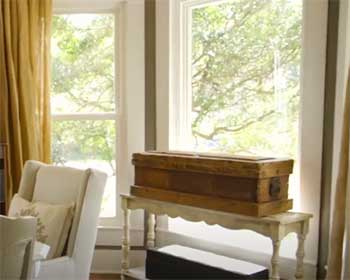
Sunrise Windows is a brand that I often see mentioned in the same breath as high-performance vinyl.
They are known for having one of the narrowest frames in the industry, which means you get more glass and more natural light.
When I compared them to my Silver Line units, the difference in the “view” was noticeable.
Sunrise uses a much more complex frame design that allows for thinner profiles without sacrificing strength. If you have a room where you really want to maximize the scenery, Sunrise has an edge in aesthetics.
But here is the catch that I always tell my friends: that aesthetic upgrade comes with a much higher price tag. Silver Line frames are bulkier and look more like traditional vinyl windows. They don’t have the sleek, modern lines of a Sunrise product.
However, from a purely functional standpoint, both windows offer excellent energy efficiency. Sunrise might have a slightly better air infiltration rating, but you have to ask yourself if that tiny percentage of extra efficiency is worth the 50% jump in cost.
I found that for most of my projects, the extra money saved by choosing Silver Line was better spent on other upgrades like better insulation or new flooring.
- Silver Line Vs. Vytex Windows
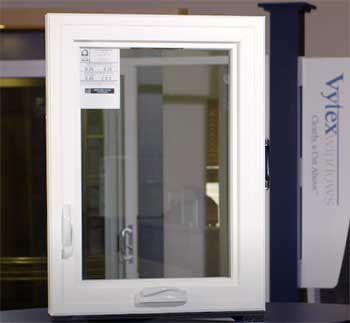
Vytex is a brand that really hits the performance numbers hard. Their Potomac-hp series is frequently cited as one of the tightest windows on the market.
When I looked at the technical data, Vytex often beats almost everyone in the vinyl category for air leakage and thermal resistance.
They use an integrated sash lock and a very heavy-duty reinforcement system.
If you live in a coastal area or a place with extreme wind, Vytex is a formidable competitor.
That said, Vytex can be much harder to find. They operate through a more exclusive dealer network, which means you can’t just walk into a local store and pick one up like you can with Silver Line.
I appreciate the “off-the-shelf” nature of Silver Line because it makes repairs or small additions so much easier. While Vytex is technically a “better” window in terms of lab-tested performance, Silver Line provides a more than adequate shield for most standard climates.
Unless you are dealing with a very specific environmental challenge, the accessibility and simplicity of the Silver Line system often outweigh the marginal performance gains of a more expensive, harder-to-source brand like Vytex.
- Silver Line Vs. Gilkey Windows
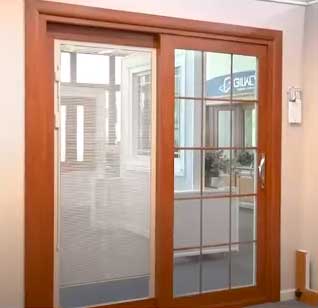
Gilkey Windows is a name you usually hear if you are looking for custom-engineered, heavy-duty vinyl.
They pride themselves on making a window that is built like a tank.
Their frames are thick, their glass is heavy, and they are designed to last a lifetime.
When I stood next to a Gilkey window, I could tell it felt more “solid” than my Silver Line replacements.
There is no flex in the frame, and the hardware feels like it belongs on a vault door.
However, the “heavy-duty” nature of Gilkey comes at the cost of a much more involved sales process and a significantly higher investment. Gilkey is very much a “boutique” window company compared to the mass-market reach of Silver Line.
For me, the choice comes down to the long-term plan for the property. If you are in your “forever home” and you never want to think about windows again, Gilkey is a fantastic choice. But if you are like most people and you want a reliable window that looks great and works well for a decade or two, Silver Line provides exactly that.
You aren’t paying for the over-engineering that you might not actually need. Silver Line offers a practical, real-world solution that fits the budgets of normal families, whereas Gilkey targets a much narrower, high-end slice of the market.
Frequently Asked Questions (FAQ)
They are a solid budget-friendly brand that offers good value for the price, especially for renovations where cost is the primary concern.
Yes, for the economy tier of the market. They provide reliable energy efficiency and functional performance without the high price tag of premium brands.
There was a class-action lawsuit several years ago regarding claims of premature seal failure and leaking. Many of these issues have been addressed in newer product iterations.
They were previously owned by Andersen, but the brand was sold to Ply Gem (part of Cornerstone Building Brands) several years ago.
Wrapping Up
For those who need to replace aging, inefficient windows on a strict budget, Silver Line windows are the product you should buy. They offer a significant upgrade in comfort and energy savings compared to old single-pane units without requiring a massive loan.
While they lack the bells and whistles of luxury brands, their practicality and availability make them a smart choice for many homeowners. If you value function and affordability above all else, you will find these windows to be a worthy investment for your home.