I tested both cellular shades and Roman shades across different rooms to see which one actually delivers on light control, privacy, and everyday practicality.
You need a clear side-by-side look at how they perform on energy bills, style, and maintenance so you can decide without guesswork. This breakdown covers the features, trade-offs, and real differences I noticed.
| Feature | Cellular Shades | Roman Shades |
| Insulation | Strong honeycomb air pockets reduce heat loss and gain | Minimal insulation; fabric mainly decorative |
| Light Control | Excellent with multiple opacities including true blackout | Good filtering but harder to achieve full blackout |
| Privacy | High, especially with light-blocking options | Varies by fabric density; often shows silhouettes |
| Aesthetics | Clean, modern, uniform look | Soft folds and elegant, traditional appearance |
| Cost | Mid to high depending on size and options | Often lower for basic styles, higher for custom fabrics |
| Maintenance | Easy wipe-down; less dust trapping in most models | Fabric gathers dust; may need professional cleaning |
| Durability | Holds shape well; resists sagging | Fabric can stretch or wrinkle over time |
| Safety | Widely available cordless | Cordless options exist but cords still common |
| Energy Savings | Noticeable reduction in heating and cooling costs | Limited impact on bills |
| Installation | Straightforward DIY for most | Similar DIY ease, heavier fabrics need care |
Key Differences Between Cellular Shades and Roman Shades
- Insulation performance separates the two clearly; cellular shades with double or triple cells measurably reduce heat transfer while Roman shades function mainly as a decorative barrier.
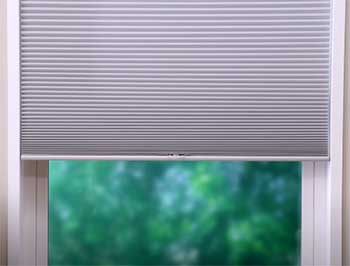
- Visual style differs at a glance; cellular shades present a smooth, uniform surface while Roman shades display soft horizontal folds that change the window’s character.
- Light leakage behavior varies; well-fitted cellular shades with side channels minimize edge glow, whereas Roman shades often show light around the perimeter unless mounted carefully.
- Privacy at night depends on opacity and room lighting; blackout cellular shades hide interior activity better than most unlined Roman fabrics.
- Energy cost impact shows up on utility bills with cellular shades in sun-exposed rooms, while Roman shades produce little measurable change.
- Maintenance frequency is lower for cellular shades because the flat surface collects less dust than the gathered folds of Roman shades.
- Safety options are more consistently cordless across cellular lines, while Roman shades still frequently ship with traditional lift cords.
- Weight and operation feel different; multi-cell cellular shades can be heavier yet lift smoothly with a good mechanism, while heavy Roman fabrics may require more force or a motor.
- Customization focus splits; cellular shades emphasize functional options such as cell size and opacity, while Roman shades emphasize fabric texture, pattern, and fold style.
- Longevity under daily use favors cellular shades for shape retention, whereas Roman fabric can develop permanent creases or stretch in the folds.
Also Read: Difference Between Zebra Blinds And Cellular Shades.
Key Features of Cellular Shades
- Honeycomb cells create trapped air pockets that improve R-value and cut heat transfer through the window glass.
- Multiple opacity levels range from sheer light-filtering to room-darkening blackout so you match the shade to the room’s purpose.
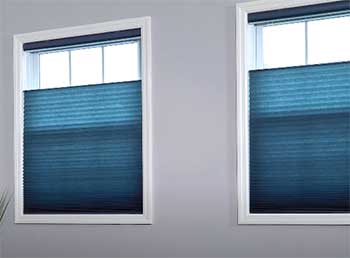
- Top-down bottom-up operation lets you raise the bottom or lower the top independently for flexible light and privacy.
- Cordless and motorized lifts remove safety hazards and allow remote or app control in larger windows.
- Tight-fitting side channels on some models reduce light gaps along the edges of the window frame.
- Fabric options include moisture-resistant materials suitable for bathrooms and kitchens.
- Uniform appearance when fully lowered creates a clean, architectural line that works with contemporary interiors.
- Available in custom widths and heights with inside or outside mount options for most window sizes.
Pros of Cellular Shades
- Energy performance stands out because the honeycomb cells reduce heat loss in winter and heat gain in summer; I measured a noticeable drop in room temperature swings after installation.
- Privacy holds well once the shade is fully lowered, especially with blackout fabric that prevents silhouettes at night.
- Light control is precise; you can choose exactly how much daylight enters without adding a second layer.
- The uniform surface looks tidy from both inside and outside the house, which matters if your windows face the street.
- Cordless designs remove the cord hazard that parents and pet owners worry about.
- Maintenance stays simple; a vacuum with a soft brush attachment or a damp cloth removes most dust.
- Top-down bottom-up operation gives you view and privacy at the same time, something I used daily in a home office.
- Moisture-resistant fabrics handle humidity in bathrooms without warping or mildew.
- The shades stay flat and resist sagging over years of use when properly sized.
- Noise reduction improves slightly because the cellular structure dampens outside sound.
Cons of Cellular Shades
- Higher-end double-cell or triple-cell models cost more than basic Roman shades of the same size.
- Light-filtering versions can still show movement or silhouettes at night if interior lights are bright and exterior is dark.
- Some honeycomb designs collect dust inside the cells if you live in a dusty climate and skip regular cleaning.
- The modern, flat appearance can feel plain in rooms that need more decorative texture.
- Repairing a damaged cell usually means replacing the entire shade rather than a single section.
- Very large windows require careful measurement because the weight of multi-cell fabric can affect lift smoothness.
- Certain low-cost versions use thinner fabric that shows wrinkles or light leaks along the edges.
- The insulating benefit drops if the shade does not fit tightly inside the window frame.
Also Read: Difference Between Budget Blinds And Home Depot.
Key Features of Roman Shades
- Soft fabric folds create visual texture and depth that flat shades cannot replicate.
- Wide fabric selection includes linen, cotton, polyester blends, and patterned materials that coordinate with existing décor.
- Layered construction options allow a decorative face fabric plus a privacy or blackout lining.
- Lift systems range from simple cord locks to continuous loop and fully cordless mechanisms.
- Custom shapes and sizes accommodate arched windows, bay windows, and other non-standard openings.
- Relaxed or hobbled styles add gentle curves or pronounced gathers for traditional or transitional rooms.
- Lightweight fabric versions remain easy to operate even on tall windows.
- Optional decorative trims, borders, or contrasting linings let you personalize the finished look.
Pros of Roman Shades
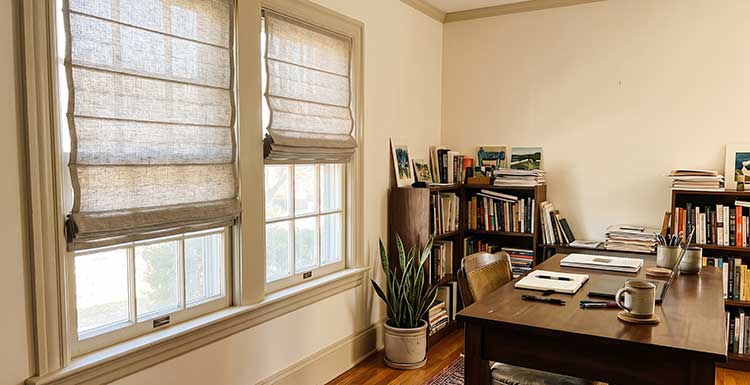
- The soft folds add warmth and character that make a room feel finished rather than purely functional.
- Fabric choices let you match or contrast existing curtains, upholstery, or wall colors exactly.
- You can add a blackout liner behind a decorative face fabric so you keep the look you want while gaining room darkening.
- Installation is straightforward for most standard windows and the shade can be removed easily for cleaning.
- The raised position keeps the fabric stacked neatly at the top so the window remains fully usable.
- Custom sizing handles unusual window shapes better than many cellular options.
- Lighter fabrics operate with minimal effort even on tall openings.
- The classic look works in both traditional and updated interiors without looking dated.
- Repair or fabric replacement is sometimes possible without buying a completely new shade.
- Many manufacturers offer coordinating valances or cornices that finish the top of the window.
Cons of Roman Shades
- Insulation is limited because the fabric does not trap air the way cellular cells do; rooms with large windows still lose heat or gain heat.
- Full blackout is harder to achieve unless you specify a dedicated lining, and even then edge gaps can let light through.
- Fabric gathers dust in the folds, so you need to vacuum or shake the shade more often than a flat cellular shade.
- Traditional cord systems create a strangulation risk for children and pets unless you choose a cordless version.
- Sun exposure can fade or weaken certain natural fibers over several years.
- The stacked folds take up vertical space when raised, which can block the top portion of the window view.
- Heavier fabrics or large sizes may require a stronger mounting bracket and more careful installation.
- Moisture can cause some fabrics to mildew or stretch if used in a steamy bathroom without proper treatment.
- Cleaning usually means removing the shade and either spot-cleaning or professional dry-cleaning, which adds time and cost.
Also Read: Difference Between Wood Blinds And Faux Wood Blinds.
What Cellular Shades Actually Do in Real Rooms?
Cellular shades use a honeycomb structure that traps air inside each cell. I installed them in a south-facing living room and watched the temperature stay steadier through the afternoon.
The cells create a barrier that slows heat transfer, which matters if your windows face direct sun or sit in a drafty older house. You can choose single-cell, double-cell, or even triple-cell versions depending on how much insulation you want.
Light filtering versions let soft daylight through while cutting glare. Blackout versions block nearly everything, which I used in a bedroom and found the room stayed dark even at noon. The fabric sits taut when lowered, so the look stays neat.
Cordless lifts eliminate dangling strings, and many models include top-down bottom-up operation so you can open the lower portion for view while keeping the upper section closed for privacy.
What Roman Shades Bring to the Window?
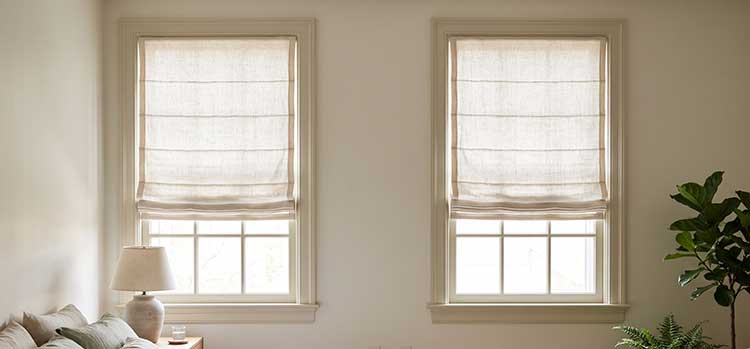
Roman shades stack fabric into soft horizontal folds when raised. I put a linen-blend version in a dining area and the folds gave the room a finished, tailored feel that flat treatments never matched.
The fabric can be sheer, semi-opaque, or room-darkening, though true blackout is harder to achieve without a separate liner. When lowered, the shade hangs flat against the window; when raised, the folds gather neatly at the top.
You pick from flat-fold, hobbled, or relaxed styles. Flat-fold stays crisp. Hobbled creates deeper gathers. Relaxed leaves a gentle curve at the bottom.
I preferred the flat style for a modern kitchen and the relaxed style for a bedroom where a softer edge felt more inviting. Most use a lift system that raises the shade from the bottom, and cordless or motorized versions remove the traditional cord risk.
How to Decide Based on Your Actual Needs?

If your priority is lower heating and cooling costs, cellular shades deliver measurable results I confirmed with a simple thermometer comparison before and after installation.
Rooms with large windows or poor existing insulation benefit most.
You also gain reliable privacy and the option for true blackout without adding a second layer.
If the room’s appearance matters more than the utility bill, Roman shades give you fabric texture and soft folds that integrate with furniture and paint colors.
I found them preferable in formal dining spaces and guest bedrooms where the window treatment needed to look intentional rather than purely practical.
You can still improve privacy by specifying a lining, though the energy benefit remains small.
Combination approaches work too. Some homeowners use cellular shades in bedrooms and home offices for sleep and focus, then switch to Roman shades in living and dining areas for the decorative effect.
Cordless or motorized lifts on either style remove the safety concern and simplify daily use.
Measure carefully for inside mounts so the shade sits close to the glass and reduces light gaps and drafts.
Budget also influences the choice. Entry-level cellular shades cost less than custom Roman shades with premium fabric and lining, yet high-performance multi-cell cellular models often exceed the price of standard Roman options.
Factor in long-term energy savings if your climate has extreme temperatures; the cellular investment can offset itself over several seasons.
Also Read: Difference Between 3 Day Blinds And Budget Blinds.
Frequently Asked Questions (FAQ)
Higher cost for insulating models, potential light gaps on poorly fitted units, and a flatter appearance that some people find less decorative than fabric folds.
Cordless and motorized lifts paired with energy-efficient cellular designs or natural-fiber Roman shades that integrate with smart-home systems.
Limited insulation, more frequent dusting of the folds, and the need for a lining if you want strong light blocking.
Light-filtering cellular shades can reveal silhouettes when interior lights are on; blackout versions prevent this when fully lowered and properly fitted.
Wrapping Up
I compared cellular shades and Roman shades side by side so you can match the window covering to the way you actually live. You now have the concrete differences in insulation, light control, privacy, appearance, and upkeep that determine which style works in each room.
Choose cellular shades when energy performance and consistent privacy matter most; choose Roman shades when fabric texture and a softer look take priority. Either option improves the window once you select the right features for your space.