
If you’re tired of drafty rooms, skyrocketing energy bills, and windows that look like they belong in a 1987 ranch house, the Alside Mezzo window is worth every second of your attention.
I’m going to walk you through everything — the good, the not-so-great, and the “here’s what nobody tells you” — so you can decide whether these windows deserve a spot in your home.
Spoiler: for most homeowners hunting for solid mid-range vinyl windows with real energy efficiency credentials, the Alside Mezzo is a genuinely smart buy. Let’s get into it.
My Experience With The Alside Mezzo Windows
When I first started shopping for replacement windows, I was completely overwhelmed.
The options are endless, the jargon is thick, and every brand swears it’s the best thing since double-pane glass.
I’d been dealing with old aluminum windows that sweated in summer and frosted over in winter like they were auditioning for a polar expedition documentary.
My heating bills were painful, my rooms were drafty, and honestly, the windows looked embarrassing.
A neighbor recommended Alside Mezzo, and I’ll admit I was skeptical. The brand doesn’t have the century-old prestige of Andersen or the glossy marketing budget of some competitors, but after digging through specs, talking to installers, and eventually pulling the trigger on ten windows across my two-story home, I can tell you the real story.
The installation process itself was smoother than I expected. The frames arrived undamaged, the dimensions were accurate (a small miracle, given my home’s older, slightly-irregular openings), and the installer noted that the fusion-welded corners made alignment noticeably easier than some competing vinyl windows he’d worked with. That was a good first sign.
Once the windows were in, the immediate difference was noticeable — and I’m not being dramatic. The street noise from a moderately busy road dropped significantly. My living room, which used to feel cold near the windows even with the heat on, stayed consistently warmer.
The first full month’s energy bill after installation came in about 15% lower than the same month the previous year. Now, I’ll acknowledge variables like weather patterns affect that number, but the directional trend was clear and encouraging.
The Low-E glass coating is where Alside earns its keep. In summer, I noticed less direct heat radiating through south-facing windows — something that used to make my home office genuinely uncomfortable in the afternoons.
The glass has a slight tint that doesn’t distort your view but does seem to filter that harsh, baking sunlight effectively.
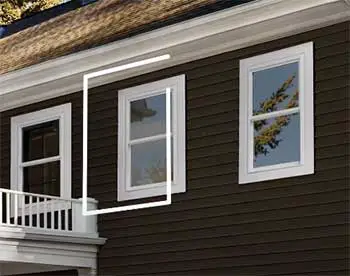
Aesthetically, the Mezzo strikes a clean, contemporary profile. The frames are slimmer than older vinyl windows, which means more glass area and better sightlines.
My home looks noticeably more updated, and multiple visitors have commented on it without me bringing up the windows first — which is exactly the kind of passive validation every homeowner wants.
Operability on the double-hung models I chose is smooth and consistent.
The sashes tilt in for cleaning, which was a non-negotiable for me given the upper-story windows. Six months in, every sash still opens and closes with the same satisfying firmness it had on day one. No sticking, no rattling, no drama.
If I’m being fully honest, the one thing that gave me brief pause was the weight of the frames. They’re solid — which is good for durability — but during installation, one of the larger picture window units required an extra set of hands. It’s not a complaint, just a heads-up for DIYers considering self-installation.
Overall, my experience with the Alside Mezzo has been genuinely positive. It delivers on the core promises: energy efficiency, improved comfort, clean aesthetics, and durability — without demanding a luxury-brand price tag.
Pros of Alside Mezzo Windows
- Energy Efficiency That Actually Shows Up On Your Bill
The Alside Mezzo isn’t just slapping an “energy efficient” label on the box for marketing reasons.
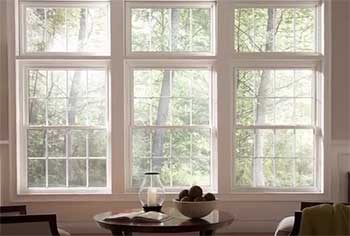
These windows are built around a multi-chamber frame design that creates thermal barriers to reduce heat transfer.
Paired with Low-E glass and an argon gas fill between the panes, the Mezzo meets Energy Star certification requirements in multiple climate zones across the United States.
What that means practically is that your HVAC system works less hard to maintain a comfortable temperature, and that difference does show up — often meaningfully — in your monthly utility costs. For homes in climates with harsh winters or brutal summers, this is where the Mezzo earns back a significant portion of its purchase price over time.
- Fusion-Welded Frame Construction For Long-Term Durability
One of the things I genuinely appreciate about the Alside Mezzo is the quality of the frame construction. The corners are fusion-welded rather than mechanically fastened, which is a meaningful distinction.
Fusion welding creates a bond that is structurally stronger and far more resistant to air and water infiltration over the long term. Mechanically fastened corners — common in lower-priced vinyl windows — can loosen over years of thermal expansion and contraction, creating gaps that compromise both energy performance and weather resistance.
With the Mezzo, that’s simply not a concern you need to carry.
- Slim Profile And Contemporary Aesthetics
Vinyl windows have historically gotten a bad reputation for looking bulky and plastic-y. The Alside Mezzo addresses that criticism with a slimmer frame profile that maximizes your glass area.
More glass means more natural light, better views, and a more modern appearance that doesn’t make your home look like it got a budget renovation.
Whether you’re going for a crisp contemporary look or just want something that doesn’t clash with a traditional aesthetic, the Mezzo’s clean lines work across a wide range of architectural styles.
- Tilt-In Sashes For Practical, Safe Cleaning
If you’ve ever tried to clean the exterior of a second-story window from the outside — balancing on a ladder with a squeegee while questioning your life choices — you’ll understand why tilt-in sashes are a genuinely big deal.
Both sashes on the Mezzo’s double-hung models tilt inward, allowing you to clean the exterior glass surface from the comfort and safety of your interior. It’s a practical, underrated feature that makes routine maintenance dramatically easier and safer, especially on multi-story homes.
- Strong Warranty Backing
Alside backs the Mezzo with a limited lifetime warranty that covers the window unit itself, including the glass package. That kind of coverage signals confidence in the product’s longevity and gives you meaningful protection against manufacturing defects.
It’s worth reading the fine print — as with any warranty — but the general coverage is competitive within the mid-range vinyl window category.
Also Read: Double-Hung, Bay & Casement: Custom Window Installation Cost Calculator.
Cons of Alside Mezzo Windows
- Not A Premium Luxury Product
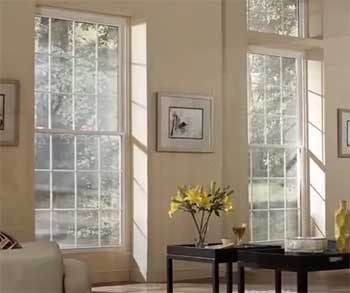
The Alside Mezzo is a high-quality mid-range vinyl window — and that positioning is exactly right.
But it’s important to go in with calibrated expectations.
If you’re comparing it to fiberglass windows or premium wood-clad options from manufacturers like Marvin’s higher-end lines, the Mezzo isn’t playing in that league.
The vinyl material, while durable and well-constructed, doesn’t replicate the aesthetic depth of natural wood or the structural rigidity of fiberglass.
For many homeowners, that trade-off is entirely worth it given the price difference, but it’s worth knowing upfront.
- Limited Color And Customization Options
Compared to some competitors, Alside’s color palette and exterior finish options for the Mezzo are relatively limited. If you’re working with a home that has highly specific exterior color requirements or you want bold exterior frame colors, you may find the available options somewhat restrictive.
The standard offerings lean toward classic neutrals, which work for most homes but may leave design-focused buyers wanting more.
- Contractor-Only Distribution Model
You can’t walk into a big-box retailer and pick up Alside Mezzo windows off the shelf. They’re distributed primarily through authorized dealers and contractors, which means your experience — including pricing transparency and installation quality — is significantly tied to the contractor you choose.
This isn’t a flaw in the product itself, but it does mean you need to do your homework on the installer, not just the window.
- Heavier Frame Weight
The solid frame construction that makes the Mezzo durable also makes it heavier than some competing vinyl windows. For professional installers, this is a minor consideration. For homeowners considering a DIY installation, the additional weight — particularly in larger window units — is worth factoring into your planning.
Maintenance Tips For Alside Mezzo Windows
- Clean The Frames With Mild Soap And Water Regularly
Vinyl frames are low-maintenance by design, but they’re not no-maintenance. A simple wash with mild dish soap and warm water two to four times a year keeps grime, oxidation, and environmental buildup from dulling the finish.
Avoid abrasive cleaners, solvents, or anything petroleum-based — these can degrade the vinyl’s surface over time and void your warranty coverage. A soft cloth or sponge is all you need.
The frames don’t need painting, staining, or sealing, which is one of vinyl’s greatest practical advantages over wood.
- Inspect And Clean The Weep Holes Seasonally
The weep holes along the bottom of your window frames are small openings designed to drain water that collects in the frame tracks. They’re easy to overlook and equally easy to clog with dirt, debris, or dead insects.
Clogged weep holes can lead to water pooling inside the frame, which puts unnecessary stress on the seals and can eventually work its way into your wall cavity.
A quick inspection each spring and fall, clearing any blockages with a small brush or compressed air, takes about two minutes per window and prevents a genuinely costly problem.
- Lubricate The Hardware And Moving Parts Annually
The locks, sash lifts, and balance systems on your Mezzo windows benefit from a light annual lubrication. Use a silicone-based lubricant — not WD-40, which can attract dust and degrade rubber components over time.
A thin application on the locking mechanisms and balance channels keeps everything operating smoothly and extends the life of the hardware.
This is especially relevant in climates with cold winters, where hardware can stiffen and become harder to operate without proper maintenance.
- Check The Weatherstripping For Wear Every Year
The weatherstripping running along your sash edges is the primary seal between your interior and the outside world. Over years of use and seasonal thermal cycling, it can compress, crack, or shift slightly.
An annual visual inspection — running your hand along the closed sash edge on a cold or windy day to feel for air movement — tells you quickly whether the seal is still doing its job. Alside’s warranty covers manufacturing defects in the weatherstripping, but physical wear over time is a normal maintenance consideration.
- Keep The Glass Clean To Maintain Coating Performance
The Low-E coating on Mezzo glass is a thin metallic layer applied to one of the interior glass surfaces — it’s not on the outer surface you touch when cleaning. Standard window cleaning products and soft cloths work perfectly fine on the glass without affecting the coating.
What you want to avoid is leaving heavy buildup of hard water deposits or mineral scaling on the glass long-term, as these can be abrasive to clean and may require more aggressive treatment. Regular cleaning with a standard glass cleaner keeps things straightforward.
Alside Mezzo Windows Vs. Other Brands
- Infinity Windows By Marvin

Infinity Windows by Marvin is built around a fiberglass composite material called Ultrex, which is dimensionally more stable than vinyl and can more closely replicate the appearance of painted wood.
The Infinity line sits at a higher price point than the Alside Mezzo and targets homeowners who want the low maintenance of a non-wood product without entirely sacrificing the traditional aesthetic.
Where the Mezzo wins is value per dollar and energy efficiency at its price tier.
Where Infinity wins is material quality, color depth, and finish options.
If budget is your primary constraint, the Mezzo is the clearer choice. If you’re renovating a historic home where aesthetics carry significant weight, Infinity deserves serious consideration.
- Marvin Replacement Windows
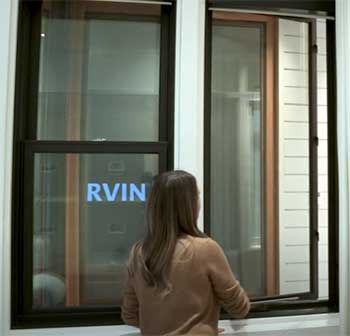
Marvin’s core replacement window line offers wood and wood-clad options that are genuinely beautiful and highly customizable.
They’re also significantly more expensive than the Alside Mezzo, require more maintenance (particularly for interior wood surfaces), and come with a different kind of ownership experience overall.
Marvin appeals to homeowners who want a premium, bespoke product and are willing to pay for it and care for it accordingly.
The Mezzo is for homeowners who want excellent performance and updated aesthetics without a luxury-tier investment.
- Andersen Replacement Windows
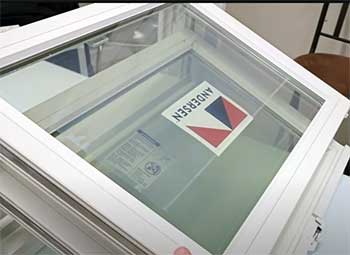
Andersen’s replacement window lineup — particularly the 100 Series in Fibrex composite — is one of the Mezzo’s most direct competitors.
Andersen is a larger, more widely recognized brand with broader retail availability.
The Fibrex composite material is stiffer than standard vinyl and can hold tighter tolerances.
In terms of overall performance and energy efficiency, the two products are competitive. Andersen tends to have somewhat better brand recognition and installer familiarity, while the Mezzo often comes in at a more competitive price point for equivalent specifications.
Both are solid choices; the decision often comes down to local dealer pricing and installer preference.
- Thermo Tech Windows
Thermo Tech is a Canadian manufacturer with a strong regional reputation, particularly in colder climate zones.
Their windows are built with extreme climate performance as a priority, and their specifications in terms of U-factor and cold-weather performance are genuinely impressive.
However, Thermo Tech’s distribution outside of Canada and specific northern U.S. markets is limited, which makes them less accessible for most American homeowners.
The Alside Mezzo offers competitive cold-climate performance within Energy Star’s Northern Zone requirements and is far more broadly available through the national dealer network.
Frequently Asked Questions (FAQ)
Installed pricing typically ranges from $400 to $800 per window, depending on size, style, and your local market. Always get multiple quotes from authorized dealers.
Yes — Alside windows are considered solid mid-range vinyl windows with strong construction quality, good energy performance, and reliable warranty coverage.
There’s no single answer, but consistently well-regarded brands include Andersen (100 Series), Alside, Simonton, and Pella, depending on budget and regional availability.
Yes. The Alside Mezzo meets Energy Star certification requirements across multiple U.S. climate zones, including Northern, North-Central, and South-Central zones.
Wrapping Up
The Alside Mezzo is a well-built, energy-efficient vinyl window that delivers real-world performance without asking you to remortgage your home.
If you’re a homeowner who wants meaningful improvements in comfort, lower energy bills, and a cleaner aesthetic at a mid-range price point, this product belongs at the top of your shortlist.
Get quotes from authorized dealers, pair them with a quality installer, and you’ll likely be as satisfied as I’ve been.