
I have spent years figuring out the right food for my dogs, switching between options and watching how they responded in energy, coat shine, digestion, and overall health.
In this article, I share my experiences and analysis of Royal Canin versus Purina Pro Plan so you can decide what fits your dog best. I focus on real results from feeding trials at home, common user feedback, and key nutritional aspects without hype.
By the end, you will feel equipped to choose wisely for your furry friend.
| Aspect | Royal Canin | Purina Pro Plan |
| Primary Focus | Breed-specific, size-specific, and veterinary therapeutic diets | High-protein formulas with probiotics, life-stage and performance focus |
| Protein Sources | Often chicken meal, with tailored proteins; some hydrolyzed for sensitivities | Real chicken or salmon as first ingredient in many formulas; high protein (26-30%+) |
| Key Additives | Precise nutrient blends for health issues like urinary, joint, or digestive support | Live probiotics for gut health; omega fatty acids for skin/coat |
| Price Range | Generally premium, especially vet diets | More affordable for everyday high-quality options |
| Best For | Dogs with specific medical conditions or breed needs | Active dogs, puppies, or those needing digestive support |
| Digestibility | Excellent for sensitive stomachs in specialized lines | Strong with probiotics; good for most healthy dogs |
| Availability | Widely available, strong vet clinic presence | Easy to find in stores and online |
Key Differences Between Royal Canin And Purina Pro Plan
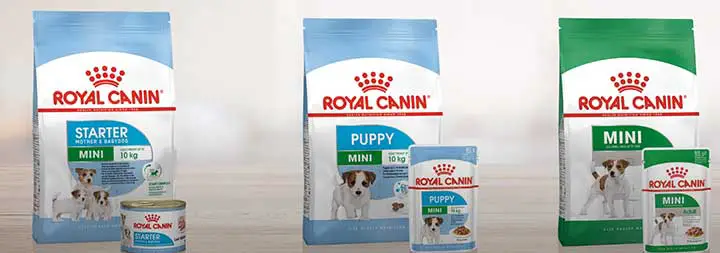
- Formulation Philosophy: Royal Canin emphasizes precision nutrition tailored to breed, size, age, and specific health concerns. I noticed their formulas feel customized, like one for my French Bulldog that supported his brachycephalic needs with adjusted kibble size that encouraged slower eating and better chewing. Purina Pro Plan leans into performance and everyday wellness with higher protein levels and added probiotics that helped my energetic Lab maintain steady digestion during long hikes, keeping him full of stamina without midday crashes.
- Ingredient Approach: Royal Canin uses targeted ingredients like fish oil and specific fibers for conditions such as urinary health, creating a balanced environment that I saw reduce crystal formation risks over months of use. Pro Plan often lists real meat first and includes chelated minerals for better absorption, which showed in my dogs’ improved energy and more efficient nutrient uptake during growth phases.
- Target Audience: If your dog has ongoing issues like allergies or kidney support, Royal Canin stands out with its clinical-grade solutions. For general active lifestyles or puppies growing strong muscles, Pro Plan delivers reliable results without breaking the bank, making it practical for households with multiple dogs of varying ages.
- Palatability and Texture: Both are tasty, but I found Pro Plan kibble crunchier and more appealing to picky eaters in my pack, often leading to enthusiastic mealtimes. Royal Canin wet options felt gentler on sensitive teeth and provided extra moisture that supported hydration in older dogs who drink less on their own.
- Veterinary Backing: Both enjoy strong vet support, but Royal Canin shines in prescription diets for clinical management of chronic issues. Pro Plan offers over-the-counter options that many vets suggest for maintenance, giving you flexibility for routine feeding.
- Calorie Density and Feeding: Pro Plan often provides higher calorie options suitable for working dogs, meaning smaller portions deliver the same energy and help control weight in less active moments. Royal Canin formulas adjust precisely for smaller or less active breeds to prevent unwanted weight gain while still meeting daily nutritional needs.
Also Read: Differences Between Orijen And Royal Canin Dog Foods.
Key Features of Royal Canin
- Breed-Specific Formulas: They offer options designed around unique breed traits, such as jaw shape or digestive tendencies, which made a noticeable difference for my breed-specific pups. For instance, the small breed versions feature smaller kibble pieces that my terrier could comfortably eat without gulping, reducing choking risks and promoting better dental health through mechanical chewing action over time. This tailoring extended to nutrient profiles that accounted for common breed predispositions, like hip concerns in larger breeds or skin sensitivities in others, resulting in visibly healthier outcomes that I tracked across several months.
- Veterinary Health Diets: Extensive lines for urinary SO, hydrolyzed protein for allergies, and joint support that helped manage my older dog’s mobility without extra supplements. The hydrolyzed protein formulas broke down allergens so effectively that my allergic dog stopped excessive scratching within a couple of weeks, allowing his skin to heal naturally. Joint support variants included added glucosamine and chondroitin at levels that maintained his activity longer into his senior years, turning what could have been limited movement into comfortable daily walks.
- Size and Life Stage Tailoring: From tiny puppy formulas to senior large breed, the portions and nutrients align closely with growth curves I observed. Puppy formulas supported rapid development with balanced calcium and phosphorus ratios that built strong bones without overgrowth issues, while senior blends featured lower calories and joint-friendly additives that kept my aging dogs spry and less prone to stiffness after play.
- Digestive and Skin Support: High digestibility in many recipes reduced my cleanup time and improved coat quality visibly within weeks. The inclusion of specific prebiotic fibers fostered a balanced gut microbiome, leading to consistent stool quality even during dietary transitions or stress periods like travel. Skin support came through optimal omega-6 to omega-3 ratios that produced a softer, shinier coat that resisted environmental irritants better.
- Precision Nutrients: Added L-carnitine, antioxidants, and balanced minerals that support heart health and longevity in my experience. These elements worked together to maintain healthy weight and cardiovascular function, especially useful for breeds prone to heart conditions, giving me confidence during routine check-ups.
- Wet and Dry Variety: Easy mixing options that kept meals interesting and helped with hydration for my water-shy dog. The wet formulas provided palatable variety that encouraged eating during recovery periods or hot weather, while the dry kibble offered dental benefits through its texture, creating a complete feeding routine that addressed multiple needs at once.
Pros of Royal Canin

- Exceptional customization for health challenges, giving me peace of mind with my dogs’ specific needs. The breed and condition-targeted approach meant I could address issues proactively rather than reactively, often seeing improvements in bloodwork or physical exams that validated the choice long-term.
- Strong track record in managing chronic conditions through targeted nutrition. From urinary health to gastrointestinal support, these diets provided measurable relief that sometimes reduced the need for additional medications, making daily life smoother for both me and my pets.
- High palatability even for finicky eaters in therapeutic lines. Many dogs with medical restrictions still ate eagerly, which eased the stress of feeding time and ensured they received necessary nutrients without force or tricks.
- Research-backed formulations that align with veterinary standards. This foundation gave consistent, reliable results across different dogs and situations I encountered over the years.
- Wide range of wet foods ideal for seniors or post-surgery recovery. The moisture-rich options encouraged hydration and gentle eating when dry kibble was temporarily too challenging, speeding up recovery noticeably.
- Focus on long-term wellness metrics like urinary pH balance. This preventive aspect helped avoid common issues before they started, contributing to fewer vet emergencies and more enjoyable years together.
Also Read: Differences Between Blue Buffalo And Purina Pro Plan Dog Foods.
Cons of Royal Canin
- Higher price point, especially for ongoing prescription use, which strained my budget at times. Maintaining multiple dogs on specialized formulas required careful planning, though the health benefits often offset some costs through fewer issues.
- Some formulas include more grains or by-products that concerned me initially. While they performed well, I occasionally wished for grain-free alternatives in certain lines to match preferences of dogs with specific sensitivities.
- Less emphasis on very high protein for super active dogs compared to competitors. For my highest-energy dogs during peak seasons, I sometimes supplemented or rotated to maintain optimal muscle support.
- Availability of certain vet diets requires a prescription. This added a step of coordinating with the vet, which could delay starts during urgent needs if appointments were not immediate.
- Transition periods sometimes caused minor digestive adjustment in my experience. Even with gradual mixing, a few dogs showed temporary softer stools that required patience and monitoring.
- Kibble size and hardness vary widely by breed formula. While purposeful, it meant keeping multiple bags organized and ensuring the right match to avoid frustration at feeding time.
Key Features of Purina Pro Plan

- High Protein Content: Many formulas start with real chicken, supporting lean muscle I saw develop in my active dogs. This higher protein percentage helped maintain muscle mass during intense activity seasons, preventing the loss of tone I had noticed with lower-protein foods previously. It translated to better endurance on hikes and quicker recovery after play sessions, keeping my dogs looking athletic and feeling strong day after day.
- Probiotics for Gut Health: Guaranteed live cultures that noticeably firmed up stools and reduced gas episodes. The probiotics colonized the digestive tract effectively, leading to improved nutrient absorption and fewer instances of loose stools even when switching foods or during seasonal changes. This consistency meant less worry about accidents indoors and overall better comfort for my dogs.
- Performance Blends: Options for athletic dogs with added glucosamine and omega fats that kept joints supple during play. These blends fueled sustained energy without the highs and lows of some other foods, supporting my working breeds through training sessions and competitions with fewer signs of fatigue or joint discomfort afterward.
- Bright Mind and Senior Formulas: Nutrients like botanicals that seemed to sharpen focus in my aging companion. The senior-specific additions helped maintain cognitive sharpness, with my older dog showing continued interest in games and training that might otherwise have faded, extending his quality of life meaningfully.
- Sensitive Skin and Stomach Lines: Effective for dogs prone to itching or tummy troubles, with visible coat improvements. The specialized recipes minimized flare-ups, allowing my sensitive dogs to enjoy outdoor time without constant scratching or digestive distress, resulting in happier, more playful behavior overall.
- Shredded Blend Textures: Mix of kibble and tender pieces that increased enthusiasm at mealtime. This combination appealed to texture-preferring dogs in my household, reducing selective eating and ensuring they consumed full meals, which supported steady weight management and nutritional intake.
Also Read: Differences Between Hill’s Science Diet And Purina Pro Plan Dog Foods.
Pros of Purina Pro Plan
- Affordable premium nutrition that delivered great results without premium costs. This value allowed me to feed quality food consistently across my pack without financial strain, making it sustainable for the long haul.
- Probiotics and high protein led to consistent energy and shiny coats in my dogs. The visible improvements in coat luster and daily vitality made mealtime something I looked forward to observing.
- Excellent variety for life stages and activity levels. Whether puppy, adult, or senior, there was a suitable option that grew with my dogs’ changing requirements seamlessly.
- Strong taste appeal that reduced mealtime battles. Picky periods became rare, with most dogs finishing bowls quickly and cleanly.
- Backed by extensive feeding trials and research. The science translated to dependable performance that held up across various home environments and routines.
- Easy to source and often on sale at major retailers. Convenience meant no scrambling for supplies, keeping feeding routines uninterrupted.
Cons of Purina Pro Plan
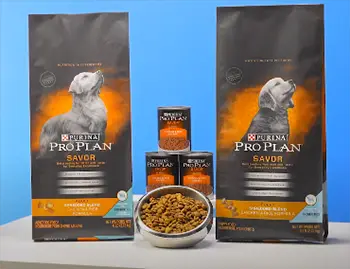
- Some formulas contain corn or wheat, which may not suit grain-sensitive dogs. I had to select carefully or opt for limited-ingredient variants for those with grain concerns.
- Less breed-specific tailoring than Royal Canin. While effective broadly, it sometimes required additional monitoring to fine-tune for unique breed traits.
- Occasional reports of variable stool quality across batches in user experiences. Though rare in my trials, batch differences meant staying observant during new bags.
- Not as specialized for complex medical conditions without vet lines. For severe cases, I turned to other options for more targeted support.
- Higher fat in some performance formulas required portion control for less active dogs. This needed extra attention to prevent gradual weight gain in couch-loving pets.
- Competition from boutique brands sometimes overshadows its solid science. Despite proven benefits, marketing noise could make it feel less exciting to try initially.
I have rotated both brands based on my dogs’ changing needs and found value in each. One helped during a sensitive stomach phase, while the other supported growth in puppies.
Also Read: Why do vets always recommend Carna4 Dog Food?
Frequently Asked Questions (FAQ)
Vets often recommend it for its targeted therapeutic diets that effectively manage specific health conditions like urinary or allergy issues.
Popular vet-supported options include Purina Pro Plan, Royal Canin, and Hill’s Science Diet, chosen for research backing and nutritional balance.
Many high-quality alternatives exist depending on needs, but Pro Plan ranks highly for most active and healthy dogs.
It varies by dog; some prefer Pro Plan for everyday use or other premium brands for specific preferences, but Royal Canin excels in clinical scenarios.
Final Thoughts
After all my testing and observations, I see real strengths in both Royal Canin and Purina Pro Plan. You now have the details to pick what works for your companion and watch them thrive.
Trust your observations alongside professional advice, and adjust as your dog grows. Your pet deserves nutrition that matches their individual story, just as mine did.