
I have spent years switching between different dog foods for my energetic Labrador mix, always hunting for something that keeps him thriving with shiny coat, steady energy, and solid digestion.
In this article, I share my hands-on experiences and analysis comparing Blue Buffalo and Purina Pro Plan so you can decide what fits your dog best. I cover ingredients, performance, and practical realities without sugarcoating anything.
By the end, you will feel equipped to pick the right option for your furry family member.
| Aspect | Blue Buffalo | Purina Pro Plan |
| First Ingredient | Real deboned meat (chicken, etc.) | Chicken, salmon, or similar |
| Key Focus | Natural ingredients, fruits/veggies | Science-backed nutrition, probiotics |
| Grain-Free Options | Many formulas | Limited |
| Price (approx. 30lb bag) | Higher ($47–$65) | More affordable ($44–$60) |
| Vet Recommendation | Mixed | Often recommended |
| Best For | Owners seeking whole-food appeal | Specific needs like sensitive stomachs or performance |
| Recalls History | Several in past years | Fewer recent issues |
Key Differences Between Blue Buffalo And Purina Pro Plan
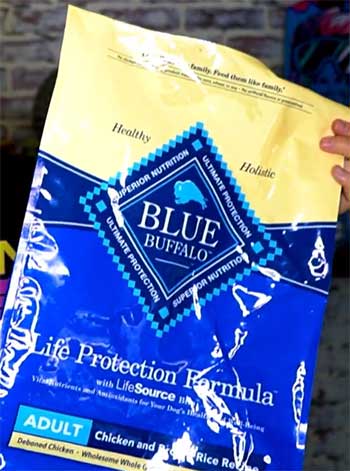
- Ingredient Philosophy: Blue Buffalo pushes real meat as the top ingredient in most recipes, paired with garden veggies, fruits like blueberries and cranberries, and no corn, wheat, or soy in many lines. I appreciate how they avoid poultry by-product meals, which gives that home-cooked feel. Purina Pro Plan often includes meat but balances with grains like rice or barley and adds functional ingredients backed by research, such as probiotics for gut health.
- Nutritional Approach: Blue Buffalo feels more like a natural, holistic choice with LifeSource Bits that deliver antioxidants. Purina Pro Plan emphasizes targeted formulas for life stages, breeds, or conditions, including joint support or skin health through added omega fatty acids and glucosamine.
- Variety and Customization: Both offer puppy, adult, and senior options, but Purina Pro Plan shines with more specialized lines like Sport for active dogs or Sensitive Skin & Stomach. Blue Buffalo counters with limited-ingredient diets and grain-free varieties that suit dogs with allergies.
- Digestibility and Palatability: Some dogs I know gobble Blue Buffalo enthusiastically due to its meat-forward taste, while others settle better on Pro Plan’s consistent kibble texture and added digestive aids.
- Cost and Availability: Blue Buffalo tends to cost more per pound, which adds up over months with a big eater. Pro Plan is easier on the wallet and widely stocked at big-box stores.
- Transparency and Science: Purina invests heavily in feeding trials and vet partnerships, which explains why many clinics suggest it. Blue Buffalo highlights ingredient quality but has faced more scrutiny over past issues like DCM links in grain-free recipes.
These differences matter because no single food works perfectly for every dog. My Labrador did great on one but showed mild tummy upset on the other until we adjusted portions and transition speed.
Also Read: Comparison of Taste of The Wild And Blue Buffalo Dog Foods.
Key Features of Blue Buffalo
- Real meat first in nearly every formula, providing high-quality protein for muscle maintenance.
- Inclusion of whole fruits and vegetables like carrots, sweet potatoes, and berries for natural vitamins and antioxidants.
- LifeSource Bits – a special blend of nutrients preserved at low temperatures to support immune health.
- No artificial flavors, colors, or preservatives, appealing to parents who read every label.
- Grain-free and limited-ingredient lines for dogs with food sensitivities.
- Added glucosamine and chondroitin in many adult recipes for joint support, which helped my senior neighbor’s dog stay mobile.
- Focus on wholesome carbs like brown rice or oatmeal in non-grain-free versions.
- Variety of textures and flavors, including wet food options that mix well with kibble.
- Packaging that emphasizes family-like care, making it feel premium.
- Options tailored for small, medium, or large breeds with adjusted kibble size.
I remember opening my first bag of Blue Buffalo and noticing the visible veggie pieces and meaty aroma – it felt fresher than some basic kibbles. My dog’s coat improved noticeably after a few weeks, with less shedding during seasonal changes.
Pros of Blue Buffalo

- Superior Ingredient Cleanliness: Starting with deboned chicken or turkey and skipping by-products gives peace of mind, and many formulas avoid common allergens, which is huge for dogs with itchy skin or sensitivities that flare up with cheaper options.
- Antioxidant Boost: The fruits and LifeSource Bits provide natural support for immunity and vitality, so I have seen active dogs maintain energy longer on this compared to plainer foods during busy play seasons.
- Appeal to Picky Eaters: The taste and smell win over many fussy dogs, with friends reporting their rescues who rejected other brands suddenly cleaning their bowls consistently with Blue Buffalo.
- Joint and Mobility Support: Built-in glucosamine levels help older dogs or large breeds stay comfortable on daily walks, reducing stiffness that can limit their fun in the backyard.
- Natural Appeal: It markets itself as closer to what dogs would eat in nature, which resonates with owners wanting to avoid processed fillers and feel better about every scoop they serve.
- Wide Recipe Selection: From Basics limited ingredient to Wilderness high-protein lines, there is something for almost every preference, letting you fine-tune based on your dog’s changing needs over the years.
- Coat and Skin Health: Omega fatty acids from flaxseed and fish sources lead to shinier coats, with visible results within a month for many users and noticeably less scratching at irritating spots.
- Family-Oriented Branding: The story behind the brand makes it feel trustworthy for those treating pets like kids and prioritizing wholesome meals at home.
- Positive Long-Term Feedback: Plenty of owners share stories of healthy, long-lived dogs on Blue Buffalo, with sustained energy and fewer trips to the clinic for diet-related problems.
Expanding on this, the natural focus means fewer synthetic additives, which can reduce the risk of sensitivities over time.
When I switched my dog, his digestion stabilized, and stools became firmer, indicating good nutrient absorption. For multi-dog households, the variety lets you customize per pet without buying multiple brands.
Cons of Blue Buffalo
- Higher Price Point: The premium ingredients come at a cost, stretching budgets for families with multiple large dogs who go through bags quickly each month.
- Past Recall History: Several voluntary recalls over the years for issues like elevated vitamin D or thyroid hormones have made some owners cautious about long-term commitment.
- Grain-Free Concerns: Some formulas high in peas and legumes have been discussed in relation to heart issues in certain dogs, though not all formulas are affected and monitoring helps.
- Variable Digestibility: A few dogs experience loose stools during transition, requiring slower introduction and extra patience from owners in the first couple of weeks.
- Less Vet Backing: Not as universally recommended by clinics compared to science-heavy brands, which can leave you second-guessing during annual checkups.
- Kibble Texture Issues: Some batches have harder pieces that picky seniors struggle with, sometimes leading to dropped food or slower eating.
- Availability Fluctuations: Premium positioning means it might not be as easy to grab last-minute at every store, especially when traveling or in a rush.
- Potential for Over-Supplementation: The rich nutrient profile works great for some but might not suit dogs with specific medical restrictions that require simpler diets.
- Mixed User Experiences: While many thrive, occasional reports of upset stomachs or allergies pop up, reminding us that individual reactions always need close watching.
In my circle, one friend had to stop Blue Buffalo after her dog developed mild allergies, possibly to a novel protein. It reminds me that even great foods need individual testing.
Also Read: Comparison of Orijen And Acana Dog Foods.
Key Features of Purina Pro Plan
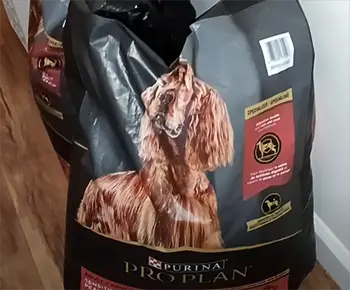
- Probiotics in many formulas for digestive and immune support.
- Targeted nutrition lines for sensitive skin, stomach, weight management, or athletic performance.
- Real meat as a primary ingredient in premium recipes, combined with digestible grains.
- Added omega-6 fatty acids and vitamin E for coat shine.
- Extensive feeding trials backing nutritional claims.
- Formulas for every life stage and breed size with precise calorie and nutrient balancing.
- Shredded blend options mixing kibble with tender pieces for picky eaters.
- Joint health additives like glucosamine in appropriate amounts.
- Wide availability and consistent quality control.
- Veterinary diet extensions for medical conditions.
Purina Pro Plan feels engineered for results. My neighbor’s working dog maintains peak condition on the Sport formula, with strong muscles and quick recovery after long days.
Pros of Purina Pro Plan
- Science-Backed Reliability: Decades of research and feeding trials mean predictable outcomes for most dogs, so you get consistent results rather than guessing how your pet will respond week to week.
- Excellent for Sensitive Systems: The Sensitive Skin & Stomach line has helped countless dogs with chronic issues find relief, calming ongoing digestive or skin flare-ups that previously needed frequent vet attention.
- Affordable Premium Option: Good value without sacrificing too much quality, allowing bigger bags that last longer and keep costs manageable for everyday feeding.
- Palatability Winners: Many dogs love the taste, leading to enthusiastic eating and maintained weight even during picky phases or after illness.
- Broad Formula Range: From puppy growth to senior mobility, you can match your dog’s exact needs as they age or change activity levels over time.
- Probiotic Benefits: Supports gut microbiome, often resulting in better stool quality and fewer digestive complaints that used to interrupt daily routines.
- Vet Endorsement: Frequently recommended, giving confidence when following professional advice and aligning with clinic protocols.
- Performance Support: High-protein Sport formulas fuel active lifestyles effectively, helping working or sporting dogs recover faster and stay in top shape.
- Consistent Quality: Fewer surprises in batch-to-batch variation, so your dog’s meals stay reliable no matter when you buy the next bag.
Owners I talk with often note improved energy and fewer vet visits after switching to Pro Plan. The probiotics seem to make a real difference in daily comfort.
Cons of Purina Pro Plan
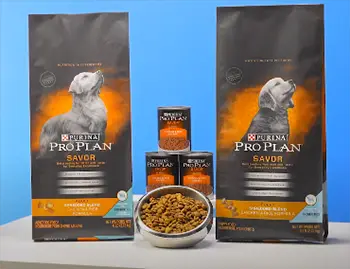
- Ingredient List Complexity: Some formulas include more processed items or by-products in lower lines, which can concern owners who prefer simpler, whole-food labels.
- Grain Inclusion: While beneficial for many, grain-containing recipes do not suit dogs needing grain-free diets, limiting options for those with specific grain intolerances.
- Less “Natural” Perception: Focus on function over whole-food aesthetics can feel less appealing to some owners who want visible fruits and veggies in the kibble.
- Potential Fillers: Corn or other grains appear higher in some recipes, which raises eyebrows for purists seeking the most minimal ingredient lists possible.
- Transition Challenges: Dogs used to meat-heavy foods might need time to accept it, sometimes turning up their noses initially during the switch period.
- Flavor Fatigue: Some dogs get bored with limited variety in certain lines, requiring occasional rotation to keep mealtimes exciting.
- Marketing vs. Reality: Heavy vet recommendations sometimes overshadow individual dog responses, where one formula might not click perfectly.
- Specific Formula Limitations: Not every variant has the same high meat content, so you may need to shop carefully within the brand for optimal protein levels.
One acquaintance found her dog preferred Blue Buffalo’s taste long-term, despite Pro Plan’s other benefits. It shows personal preference plays a big role.
Also Read: Differences Between Taste of the Wild And Orijen Dog Foods.
My Experiences Switching and Feeding Both
When I first tried Blue Buffalo, my Labrador’s coat gleamed within weeks, and he had boundless energy on hikes. The natural ingredients made me feel good about mealtime. However, during a sensitive period, he had occasional soft stools, prompting a switch.
Purina Pro Plan resolved those issues quickly with its probiotic formula. His digestion normalized, and the price allowed me to buy larger bags without guilt. Yet, I missed the visible whole foods in Blue Buffalo.
Many dog parents face this exact crossroads. I recommend starting with small bags and monitoring for two to four weeks: watch energy, coat, stools, and any itching. Consult your vet for bloodwork if switching major diets.
- Choosing Based on Your Dog’s Needs
For puppies, both brands offer solid growth formulas, but Pro Plan’s breed-specific options provide tailored calcium levels. Adult dogs with allergies often do better on Blue Buffalo’s limited ingredients, while seniors benefit from either’s joint support. Active or working dogs tend to excel on Pro Plan Sport.
Budget matters too. If finances are tight, Pro Plan delivers strong nutrition without breaking the bank. For those prioritizing minimal processing, Blue Buffalo wins.
- Transition Tips for Best Results
Always mix new food gradually over 7-10 days. Start with 25% new and 75% old, increasing slowly. Keep fresh water available and note any changes in behavior or bathroom habits. If issues persist beyond two weeks, loop in your veterinarian.
- Long-Term Health Considerations
Both brands support overall wellness when chosen correctly. Focus on your dog’s age, activity, and any health conditions. Regular vet check-ups help track how the food performs inside and out.
Also Read: What Dog Food Is Better Than Badlands Ranch?
Frequently Asked Questions (FAQ)
Vets often prefer brands with extensive clinical trials and fewer past concerns; some note Blue Buffalo’s grain-free options or recall history as reasons for caution.
Many experts point to Purina Pro Plan, Hill’s Science Diet, and Royal Canin for science-backed nutrition, though individual dogs vary.
It undergoes rigorous feeding trials, offers targeted formulas, and aligns with clinical evidence for consistent results across many dogs.
It depends on your dog; some prefer fresher, limited-ingredient options like Blue Buffalo or boutique brands if Pro Plan does not suit specific sensitivities.
Final Thoughts
In wrapping up, I have learned that both Blue Buffalo and Purina Pro Plan offer strong choices, each with distinct strengths. You know your dog best – consider their preferences, your budget, and any specific needs. Give one a fair trial, observe closely, and adjust as necessary.
Your companion deserves food that helps them live their happiest, healthiest life, and I am confident you will find the right fit between these two solid options. What has your experience been? Feel free to share your own stories as we all navigate this together.