
I have spent years figuring out the best nutrition for my dogs through trial, vet visits, and careful observation of how different foods affect energy, coat quality, digestion, and overall vitality.
In this article, I share my experiences and analysis comparing Hill’s Science Diet and Purina Pro Plan so you can make an informed choice tailored to your dog’s needs.
I focus on real-world performance, key ingredients, and how each brand supports daily health without hype.
| Feature | Hill’s Science Diet | Purina Pro Plan |
| Protein Content (typical dry) | 21-25% | 26-30% |
| Main Protein Sources | Chicken, lamb, salmon | Chicken, beef, salmon, turkey |
| Special Formulas | Strong in prescription and targeted health (weight, dental, mobility) | Wide range including sport/performance, sensitive skin/stomach |
| Probiotics/Prebiotics | Prebiotic fiber for digestion | Live probiotics in many formulas |
| Price (approx 30lb bag) | $65-$85 | $55-$75 |
| Grain Options | Mostly grain-inclusive | Both grain-inclusive and some grain-free |
| Vet Association | Frequently recommended for clinical needs | Popular for active dogs and variety |
Key Differences Between Hill’s Science Diet And Purina Pro Plan
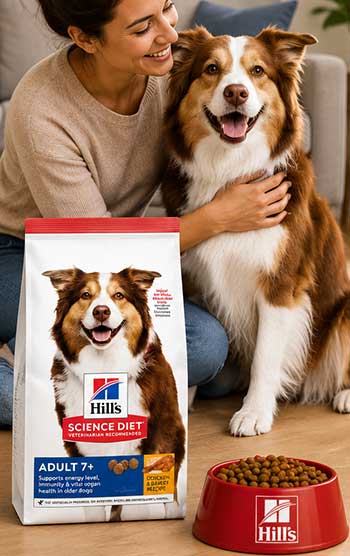
- Protein Levels and Muscle Support: Purina Pro Plan often edges out with higher protein percentages in many adult and performance formulas, which I noticed helped maintain lean muscle in my active dogs during play sessions and hikes. Hill’s Science Diet provides solid protein from quality sources but tends to sit in a more moderate range, making it suitable for dogs that need balanced rather than maximized intake. I found this difference noticeable when switching; my younger dog seemed more satisfied on Pro Plan during high-activity periods.
- Digestive Health Approaches: Hill’s emphasizes prebiotic fibers that promote gentle digestion and nutrient absorption, which worked wonders for my senior dog with occasional tummy sensitivity. The formulas feel easy on the system, leading to consistent, firm stools. Purina Pro Plan includes live probiotics in several lines, supporting gut flora more directly. I saw quicker improvements in coat shine and reduced gas with Pro Plan for some dogs, though results varied by individual.
- Targeted Health Formulas: Hill’s Science Diet shines with specialized options for weight management, oral care, and mobility, often with clinically tested benefits. I used their weight control formula successfully when my dog needed to shed a few pounds without losing energy. Purina Pro Plan offers broad variety including breed-size specific and sport formulas, giving more flexibility for puppies, adults, and seniors with performance needs. Their sensitive skin and stomach line became a go-to for my allergy-prone pup.
- Ingredient Quality and Sourcing: Both use real meat as a primary ingredient, but Hill’s focuses on controlled, balanced blends with added antioxidants for immune support. I appreciate how they avoid artificial colors and flavors. Purina Pro Plan highlights omega fatty acids and sometimes includes more variety in protein sources like beef or turkey, which my dogs found palatable. Both brands maintain high manufacturing standards, though occasional recalls remind us to stay vigilant with any commercial food.
- Calorie Density and Weight Management: Purina Pro Plan formulas can run higher in calories, great for active dogs but requiring portion control for couch potatoes. Hill’s offers more built-in weight management options that helped me keep my older dog at an ideal weight without constant measuring adjustments.
- Palatability and Texture Options: My dogs consistently cleaned their bowls with both, but Purina Pro Plan’s shredded blend varieties added excitement with mixed textures. Hill’s kibble sizes suit different mouth sizes well, especially for smaller breeds.
- Life Stage and Breed Adaptability: Hill’s provides clear options across puppy, adult, and senior stages with breed-size considerations. Purina Pro Plan extends this further into performance and giant breed lines, which I found useful as my dogs grew.
- Cost Effectiveness Over Time: While Hill’s can cost more per bag, its targeted benefits sometimes reduced the need for supplements. Purina Pro Plan’s slightly lower price point made it easier on my budget for multiple dogs without compromising nutrition.
Also Read: Comparison of Purina Pro Plan And Purina One.
Key Features of Hill’s Science Diet

- Clinically Formulated Balance: I love how Hill’s designs foods with precise nutrient levels backed by research, helping address common issues like urinary health or dental plaque reduction through daily feeding.
- Prebiotic Support for Gut Health: Their inclusion of prebiotic fibers gently nourishes good bacteria, leading to better nutrient uptake that I observed through healthier energy levels in my dogs.
- Antioxidant Blends for Immunity: Added vitamins C and E plus other antioxidants help support the immune system, something I noticed during seasonal changes when my dogs stayed resilient.
- Joint and Mobility Nutrients: Formulas often include glucosamine and chondroitin, which supported smoother movement in my aging Labrador, reducing stiffness after long walks.
- Skin and Coat Enhancement: Omega-3 and omega-6 fatty acids promote shiny coats and reduced itching, a visible difference I saw within weeks of consistent feeding.
- Weight Management Precision: Specialized recipes control calories while maintaining satiety, making it easier to manage portions without constant hunger cues from my dogs.
- Dental Care Innovations: Some formulas feature fiber technology that helps scrub teeth as dogs chew, contributing to fresher breath and less tartar buildup over time.
- Life-Stage Specific Customization: Whether puppy growth or senior vitality, the tailored macros helped me transition my dogs smoothly between phases without digestive upset.
- High-Quality Protein Sources: Real chicken or lamb as base ingredients provide essential amino acids for muscle maintenance that I could see in firm body condition.
- No Artificial Additives: Clean labeling without artificial colors or flavors gave me peace of mind, aligning with my preference for straightforward nutrition.
I elaborated on these because each feature played a role in my dogs’ daily lives, from better bathroom habits to playful endurance.
Pros of Hill’s Science Diet
- Targeted Clinical Support: Excels in addressing specific health concerns like weight or mobility, often with vet-formulated precision that delivered measurable improvements for my dogs.
- Gentle Digestibility: Prebiotic focus minimized stomach upset, ideal during stressful periods like travel or medication courses.
- Immune System Boost: Antioxidant profiles helped my pack stay healthy through winter months with fewer vet visits.
- Dental Health Benefits: Daily chewing action reduced plaque, leading to cleaner teeth and better breath.
- Consistent Quality Control: Reliable manufacturing meant fewer surprises in nutritional delivery.
- Senior-Friendly Options: Formulas support aging joints and cognitive health, extending comfortable years.
- Weight Control Ease: Helped maintain ideal body condition without drastic calorie cuts.
- Broad Availability: Easy to find at most stores and clinics, simplifying refills.
I experienced these advantages firsthand, particularly with dogs needing specialized care.
Cons of Hill’s Science Diet
- Moderate Protein in Some Formulas: May not suffice for highly active dogs without supplementation, which I noted in energy dips during intense play weeks.
- Higher Price Point: Cost adds up for multi-dog homes, though value comes through health benefits.
- Fewer Performance Options: Less emphasis on high-energy sport blends compared to competitors.
- Limited Textural Variety: Standard kibble can feel repetitive for picky eaters over long periods.
- Occasional Recall History: Like most brands, past incidents require monitoring lot numbers.
- Carb-Heavy in Some Recipes: Higher grain content might not suit dogs with specific carb sensitivities.
- Less Probiotic Diversity: Relies more on prebiotics, which worked well but took longer for some digestive adjustments.
These drawbacks influenced my rotations between brands depending on current needs.
Also Read: Comparison of Taste of the Wild And Diamond Naturals.
Key Features of Purina Pro Plan

- Higher Protein for Active Lifestyles: Many formulas deliver elevated protein that fueled my dogs’ zoomies and training sessions, helping preserve muscle mass effectively.
- Live Probiotics for Digestive Balance: Direct probiotic addition supported consistent digestion, which reduced incidents of loose stools during diet transitions.
- Omega Fatty Acids for Skin and Coat: Rich sources like fish oil contributed to softer fur and fewer hot spots, noticeable in grooming routines.
- Performance-Oriented Formulas: Sport lines provide energy density perfect for working or athletic dogs, sustaining stamina without midday crashes.
- Sensitive System Options: Dedicated lines for skin and stomach sensitivities offered relief for my allergy-prone dog, minimizing scratching and ear issues.
- Breed and Size Specificity: Options tailored for large breeds or small mouths ensured proper kibble size and nutrient ratios matched my dogs’ physical needs.
- Shredded Blend Textures: Mixing crunchy kibble with tender pieces increased enthusiasm at mealtime, reducing picky eating phases.
- Brain and Vision Support in Puppy Formulas: DHA inclusion aided development, which I believe contributed to quick learning during obedience training.
- Antioxidant and Vitamin Fortification: Comprehensive blends bolster overall immunity and vitality across life stages.
- Affordable Variety: Broad selection at competitive prices allowed experimentation without breaking the bank while maintaining quality.
These features made Purina Pro Plan a strong contender in my household, especially for dogs with higher energy demands.
Pros of Purina Pro Plan
- Superior Protein Content: Supported muscle maintenance and recovery beautifully in my active dogs.
- Probiotic Inclusion: Faster gut health improvements and better stool consistency.
- Extensive Formula Selection: Something for every life stage, breed, and activity level.
- Great Value: Competitive pricing allowed consistent feeding without budget strain.
- Palatability Boost: Textures and flavors kept mealtime engaging.
- Skin Sensitivity Relief: Effective for allergic dogs, reducing vet-prescribed treatments.
- Performance Nutrition: Ideal for dogs in sports or high-exercise routines.
- Strong Vet Recognition: Backed by research that aligns with many professional recommendations.
These strengths made it a staple during growth and activity peaks.
Cons of Purina Pro Plan
- Higher Calorie Density: Requires careful portioning to prevent weight gain in less active dogs.
- Variable Phosphorus Levels: Some formulas need monitoring for dogs with kidney concerns.
- Broader Ingredient Variety: Can introduce more potential allergens for sensitive individuals.
- Less Specialized Clinical Depth: Not as robust in certain prescription-like targeted therapies as Hill’s.
- Texture Preferences Vary: Shredded blends appeal to some but may scatter more during eating.
- Recall Instances: Similar to peers, past events highlight the importance of quality checks.
I managed these by adjusting portions and monitoring responses closely.
Also Read: Comparison of Taste of the Wild And Orijen Dog Foods.
My Journey Picking Between These Two Brands

When I first brought home my energetic Labrador mix, I stood in the pet store aisle staring at bags of Hill’s Science Diet and Purina Pro Plan, wondering which one would truly keep him thriving.
Both brands come from companies with strong veterinary ties and years of research behind them.
I wanted something that delivered balanced nutrition without unnecessary fillers.
Over time, I tested both through different life stages and health challenges, noting how my dogs responded in terms of stool quality, energy levels, skin condition, and weight management.
Hill’s Science Diet appealed to me for its precise, science-backed formulations that target specific issues like sensitive digestion or joint support. Purina Pro Plan caught my attention with its higher protein options and formulas designed for active lifestyles.
Neither is perfect for every dog, but both stand out as reliable choices compared to many supermarket brands.
- How I Choose Based on My Dogs’ Needs?
After years of feeding both, I rotate or select based on individual profiles. For my senior with joint issues, Hill’s mobility formula provides targeted support. For the younger, high-energy one, Purina Pro Plan’s performance line keeps him going strong.
I always consult my vet for bloodwork to confirm the choice fits current health markers. Transitioning slowly over 7-10 days prevents digestive hiccups, a lesson learned early on.
Observing real changes like shinier coats, sustained energy, and optimal weight helped me refine preferences without guesswork. Both brands deliver complete nutrition meeting AAFCO standards, so neither leaves my dogs lacking basics.
- What Users and My Experiences Reveal
Many fellow dog parents I connect with report similar stories: Hill’s excels for predictable, steady health maintenance, while Purina Pro Plan powers through active phases.
One friend switched her Golden to Hill’s for better grazing habits, while another stuck with Pro Plan for probiotic benefits. My own pack shows that individual tolerance matters most—watch stool, energy, and skin for feedback.
- Making the Switch or Sticking With One
If your dog thrives on one, there is little reason to change. I keep both on hand for flexibility. Always introduce new foods gradually and track responses over weeks.
Factors like age, activity, breed size, and any medical conditions guide the final pick.
Also Read: Do Vets Always Recommend Dr. Marty’s Dog Food?
Frequently Asked Questions (FAQ)
Hill’s Science Diet, Purina Pro Plan, and similar vet-formulated brands like Royal Canin often rank high due to balanced nutrition and research backing, though individual needs vary.
Vets frequently recommend Hill’s for its targeted clinical formulas, precise nutrient balances, and proven support for specific health conditions.
Vets suggest Purina Pro Plan for its high protein, probiotic options, variety across life stages, and strong performance in active or growing dogs.
It depends on the dog; some prefer Hill’s for targeted needs, while others explore premium options, but both Pro Plan and Hill’s rank among top choices.
Final Thoughts
In wrapping this up, I encourage you to evaluate your dog’s unique situation and consult your veterinarian before deciding. You will likely find success with either brand when matched thoughtfully to needs, leading to happier, healthier years together.
I continue learning from my dogs’ responses and adjusting as they age, and I hope my perspective helps guide your choices too.