
I have tried plenty of dog foods over the years with my energetic Labs and a picky senior mix.
When it came time to compare Orijen and Royal Canin head-to-head, I wanted real answers based on what I saw in my own pets, their energy levels, coat health, digestion, and vet check-ups.
The main intent here is to share my honest experiences and analysis so you can decide which brand fits your dog’s needs better, whether you prioritize whole-prey nutrition or targeted health support.
| Aspect | Orijen | Royal Canin |
| Protein Focus | High (38%+ in many formulas) | Moderate (around 25-30%) |
| Ingredient Style | 85% animal ingredients, fresh/raw, whole-prey | Precise blends, breed/size-specific, includes grains in many |
| Best For | Active dogs, those thriving on meat-rich diets | Dogs with specific health issues, breed needs, or sensitivities |
| Cost | Premium, higher | Varies, often more accessible for specialized lines |
| Vet Backing | Strong reputation for quality proteins | Frequently recommended for clinical conditions |
| Potential Drawbacks | Can be rich for some stomachs | May include more processed ingredients in standard lines |
I have fed both brands in rotation and seen noticeable differences in how my dogs responded. Let me walk you through everything I learned.
Key Differences Between Orijen And Royal Canin
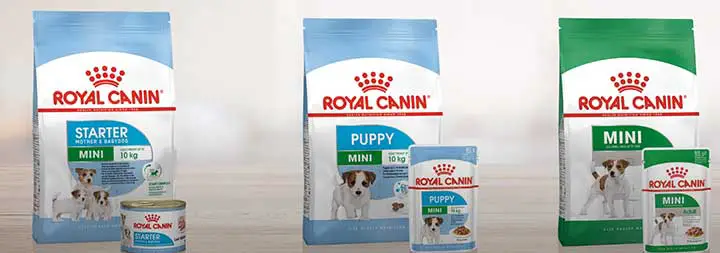
- Orijen pushes the whole-prey, high-meat model that mirrors ancestral eating patterns, while Royal Canin emphasizes precision nutrition designed around specific health challenges and life-stage requirements.
- Ingredient sourcing differs significantly: Orijen highlights fresh and raw animal parts with minimal processing emphasis for maximum nutrient retention, whereas Royal Canin uses high-quality meals and grains for consistency, better digestibility, and reliable results across batches.
- Protein and fat levels run higher in Orijen, making it ideal for active or working dogs that need sustained energy and muscle support, whereas Royal Canin offers more balanced or lower-fat options tailored for seniors, weight control, or dogs with lower activity levels.
- Customization stands apart: Royal Canin wins on breed-specific and prescription-style diets that address unique needs like urinary health or dental care, while Orijen offers more regional and protein-variety choices such as bison or fish-heavy recipes for rotation and preference.
- Digestibility varies by dog: Some dogs handle Orijen’s richness beautifully with excellent stool quality and vitality, but others do better on Royal Canin’s more moderate formulas, especially those with sensitive stomachs or during dietary transitions.
- Price per pound often favors Royal Canin for everyday feeding and specialized care, but Orijen delivers dense nutrition packed with animal ingredients so you might use slightly less per meal while still seeing strong results in energy and coat condition.
I rotated between them during different life stages and saw how these differences played out in real time with my pack.
Also Read: Comparison of Kirkland Dog Food And Purina Pro Plan.
Key Features of Orijen
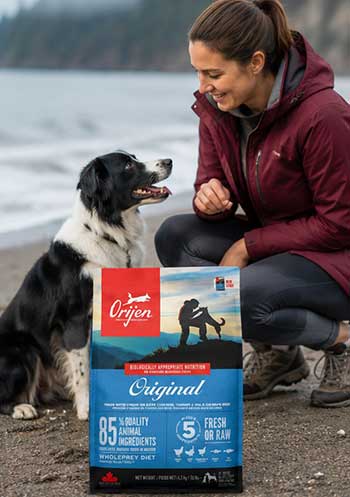
- Biologically Appropriate Approach: Orijen focuses on mimicking a dog’s ancestral diet with 85% quality animal ingredients. The first several ingredients are usually fresh or raw chicken, turkey, fish, organs, and cartilage. This whole-prey concept means meat, organs, and bone in ratios that provide natural nutrients without heavy supplementation. I noticed my active dogs maintained lean muscle and seemed more satisfied after meals because it felt like real food for a carnivore.
- High Protein and Fresh Ingredients: Many formulas boast 38-42% protein from animal sources. They use refrigeration or freezing to keep ingredients fresh, and a big chunk comes from free-run poultry or wild-caught fish. I noticed my active dogs maintained lean muscle and seemed more satisfied after meals, with fewer begging moments between feedings.
- Limited Carbohydrates: Lower carb content compared to many traditional foods, with fruits, vegetables, and botanicals making up the remaining 15%. No artificial preservatives, which felt cleaner to me as a pet parent and gave me confidence during long-term feeding.
- Variety for Life Stages: They offer options for puppies, adults, seniors, and specific needs like regional recipes (Original, Six Fish, Regional Red). The kibble size and texture held up well during feeding time and encouraged natural chewing behavior.
- Freeze-Dried Coating: Many recipes get a raw coating for extra palatability. My dogs went crazy for the smell and taste, which made mealtimes easier and reduced the need for toppers or mix-ins.
From my experience, these features shine when your dog is healthy, active, and can handle a nutrient-dense diet. I saw shinier coats and firmer stools in my younger dogs on Orijen.
Pros And Cons of Orijen
Pros
- Exceptional meat content delivers amino acids naturally, supporting muscle maintenance I could see in my Labs’ physique and recovery after active days.
- Fresh ingredients and whole-prey ratios provide a nutrient profile that feels biologically right, leading to great energy levels and overall vitality that lasted throughout the day.
- Palatability is top-notch; even my picky senior cleaned her bowl faster on Orijen days and showed more enthusiasm at feeding time.
- No artificial additives appeals to those wanting a more natural option and gives peace of mind about daily ingredients.
- Strong reputation among owners of active breeds for coat shine and overall vitality that you can notice in photos over time.
- Variety in protein sources (chicken, fish, bison) helps with rotation to prevent sensitivities and keeps meals interesting for the dogs.
- Freeze-dried raw coating boosts appeal and may support dental health through natural chewing action on the kibble.
- Suitable for dogs that thrive on higher protein without grain concerns in many formulas, making it easier to align with raw or ancestral feeding preferences.
Also Read: Comparison of IAMS And Blue Buffalo Dog Foods.
Cons
- Higher price point can add up, especially for multi-dog households or long-term use on a budget.
- The rich formula sometimes caused loose stools during initial transitions for my sensitive dog, requiring a slower switch period.
- High protein and fat might not suit every dog, particularly less active or senior ones prone to weight gain if portions are not carefully managed.
- Limited specialized options for certain medical conditions compared to veterinary lines, so you may need to combine with supplements.
- Some formulas include legumes, which have faced scrutiny in broader pet food discussions around heart health.
- Availability can vary by store, requiring online orders more often and planning ahead for shipments.
- Potential for higher calorie density means careful portion control is necessary to avoid unwanted weight changes.
I loved the performance but had to watch costs and transitions carefully.
Key Features of Royal Canin
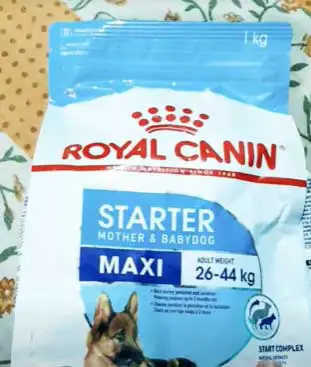
- Breed and Size-Specific Formulas: This stands out the most. Royal Canin creates foods for specific breeds like Labradors or French Bulldogs, plus size categories (small, medium, large). The kibble shape is often customized to make chewing easier and reduce gulping, which helped my fast-eating Lab slow down and digest better.
- Targeted Health Nutrition: They have lines for digestion, skin health, joint support, weight management, and more. When my senior needed urinary or joint support, the specialized formulas made a real difference in comfort and mobility within a short time.
- Veterinary Science Backing: Developed with input from nutritionists and often used in clinical settings. Many vets reach for Royal Canin when addressing specific medical conditions because of the precise nutrient profiles and proven results in practice.
- Balanced Macronutrients: Protein levels are more moderate, with grains like rice or corn in many recipes providing digestible carbs. This approach felt gentler on some of my dogs’ systems during transitions and helped maintain steady energy without spikes.
- Wet and Dry Options: Extensive wet food varieties complement dry kibble, which helped when my picky eater needed variety or extra hydration, especially during warmer months or recovery periods.
Royal Canin felt like a tailored tool rather than a one-size-fits-all approach. It helped manage issues I didn’t even realize were diet-related until I tried it.
Pros And Cons of Royal Canin
Pros
- Highly targeted formulas address breed quirks, age-related needs, or health problems effectively with measurable improvements in comfort.
- Consistent quality and digestibility helped stabilize my senior’s digestion and joint comfort over extended periods.
- Vet-recommended for many clinical scenarios, giving peace of mind during health concerns and vet visits.
- Customized kibble shapes reduce choking risk and encourage slower eating, which benefited my gulpers tremendously.
- Broad range includes wet foods and prescription diets for seamless management across different life stages.
- Often more budget-friendly for specialized nutrition compared to premium all-meat brands when you factor in health outcomes.
- Extensive research backing ensures balanced nutrition tailored to real pet needs and common issues.
- Good for dogs with food sensitivities due to controlled ingredient profiles in many lines and predictable responses.
Cons
- Some standard formulas include grains and by-products that bother owners seeking ultra-premium meat-forward options.
- Lower protein in many recipes might not satisfy high-energy dogs as well during peak activity seasons.
- Can feel less “natural” to those preferring minimal processing and more whole-food ingredients.
- Transitioning between lines requires attention to avoid tummy upset, especially when changing formulas frequently.
- Not all formulas emphasize fresh ingredients the same way, which some owners notice in scent and appeal.
- Breed-specific focus means you might need to switch if your dog doesn’t match common profiles exactly.
- Some owners report higher filler perception, though nutritional outcomes are solid and supported by results.
Royal Canin excelled when I needed solutions for specific issues.
Also Read: Comparison of IAMS And Pedigree Dog Foods.
How These Foods Impacted My Dogs’ Health and Daily Life?
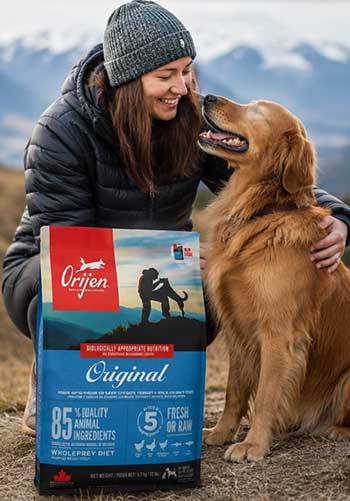
With Orijen, my younger dogs showed more sustained energy during hikes and play.
Their coats gleamed, and muscle tone stayed firm. Stools were consistently good once adjusted.
For my senior, Royal Canin joint and senior formulas eased mobility noticeably within weeks.
Digestion stabilized, and she maintained a healthy weight easier.
Both brands kept my dogs at ideal body condition with proper portions, but I mixed them strategically—Orijen for baseline nutrition and Royal Canin for targeted support.
I analyzed poop quality, water intake, activity levels, and annual bloodwork.
Both performed well, but the choice depended on the dog’s current phase and needs.
One size never fits all in pet food.
- Choosing Based on Your Dog’s Lifestyle and Needs
If you have an active, young, or working dog that burns calories fast, Orijen aligns closely with natural feeding instincts. I saw my Labs thrive on the protein punch. For puppies, seniors, or dogs with allergies, sensitivities, or breed-specific traits, Royal Canin’s precision shines.
My vet consultations reinforced tailoring the choice rather than sticking to one brand forever. Consider your dog’s age, activity, health history, and even budget when deciding.
- Experiences and What I Learned Along the Way
Switching foods gradually over 7-10 days prevented issues in my household. I weighed my dogs weekly at first to adjust portions. Both brands earned loyalty from me for different reasons, and I continue using elements of each.
Pet parents I talked with echoed similar stories—success depends on matching the food to the individual dog.
Also Read: Do Vets Recommend Badlands Ranch Dog Food?
Frequently Asked Questions (FAQ)
It depends on your dog. Orijen suits active dogs needing high protein; Royal Canin excels for those with specific health or breed needs.
Some do for healthy active dogs, but many vets lean toward Royal Canin or similar for clinical management due to its targeted formulations.
Similar principles apply. Orijen offers high-protein whole-prey options great for active cats, while Royal Canin provides excellent breed and health-specific formulas.
Past class-action claims involved heavy metal levels in some formulas from natural sources and advertising practices. Many were dismissed, and the company maintains high standards, but it is worth researching current details.
Final Thoughts
In wrapping this up, I encourage you to observe your own pet closely and consult your vet before making changes. You know your dog best, and both Orijen and Royal Canin offer strong options when chosen thoughtfully.
Try matching their unique strengths to your companion’s lifestyle, and you will likely see positive results just as I did with mine. What works today might evolve as your dog ages, so stay flexible and attentive.