
As a dog owner who’s cycled through several high-end kibbles trying to find what keeps my crew thriving, I put Orijen and Fromm through their paces side by side.
These two premium brands get a lot of attention for their ingredient focus, yet they take very different routes to delivering nutrition.
The goal here is straightforward: give you the practical details on ingredients, performance, cost, and real-world results so you can decide what makes sense for your own dog.
| Aspect | Orijen | Fromm |
| Crude Protein (typical) | 38% min (Original) | 25-28% min (Gold Adult) |
| Animal Ingredients | Up to 85% fresh/raw poultry, fish, organs | Moderate; chicken first with meals and broth |
| Grain Content | Many grain-free; some ancient grains lines | Most include oats, barley, rice for fiber |
| Price per large bag | Higher (often $80–110+) | More moderate (often $50–75) |
| Best suited for | Active dogs, muscle maintenance | Variety seekers, sensitive stomachs |
| Distribution | Specialty stores and major online | Primarily independent pet retailers |
| Unique angle | WholePrey concept (meat + organs + bone) | Recipe rotation across Four-Star line |
Key Differences Between Orijen And Fromm
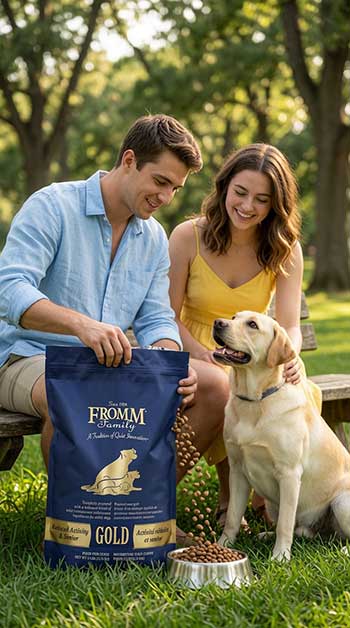
- Ingredient Philosophy and Sourcing Orijen builds everything around a biologically appropriate idea that mirrors what dogs might eat in the wild. The first ingredients read like a fresh market list: free-run chicken and turkey, wild-caught fish, plus organs and cartilage. This creates a very meat-dense profile with limited plant matter. Fromm takes a more classic home-style approach. Their recipes start with quality chicken or other proteins but blend in wholesome grains and vegetables from trusted suppliers. The brand emphasizes small-batch production and long-term supplier relationships rather than chasing maximum meat percentages. You end up with food that feels balanced rather than extreme.
- Protein Levels and What They Mean for Your Dog Orijen regularly hits 38 percent or higher crude protein. That density supports active dogs who burn through calories fast or need help maintaining lean muscle. The trade-off shows up in price and sometimes in stool quality if your dog isn’t used to such richness. Fromm sits in a more moderate 25 to 28 percent range for most adult formulas. This level still supplies complete amino acids while leaving room for grains that aid digestion and steady energy. Many owners notice their dogs stay satisfied longer on the slightly lower-protein recipes without the occasional loose stools that can come with ultra-high meat foods.
- Grains Versus Grain-Free Choices Orijen built its reputation on grain-free recipes that keep carbs low. Recent lines added ancient grains for dogs who handle them well. Fromm has long included grains like oat groats, pearled barley, and brown rice across its core lines. These add soluble fiber that supports gut bacteria and can firm up stools for dogs prone to digestive upset. If your dog has shown sensitivity to grain-free diets in the past, Fromm’s grain-inclusive options often feel gentler during the switch.
- Price and Daily Feeding Cost A large bag of Orijen costs more upfront because of the fresh meat content and smaller production runs. When you calculate cost per day for a fifty-pound dog, the gap narrows but Orijen still lands on the higher side. Fromm delivers solid nutrition at a noticeably lower price point per pound. For households feeding multiple dogs or watching monthly budgets, that difference adds up without forcing you to compromise on ingredient quality.
- Recipe Variety and Feeding Style Orijen offers focused recipes that stay consistent within a line. You pick one and stick with it. Fromm built an entire Four-Star line specifically for rotation. You can switch proteins every meal or every few days without stomach drama. That flexibility helps dogs who bore easily or owners who like to rotate to minimize any single-protein sensitivities over time.
- Where You Can Actually Buy It Orijen sits on most major pet sites and in specialty stores. Fromm made a deliberate choice years ago to stay with independent pet retailers after big-box changes. That means you often buy Fromm through a local shop that knows the brand well and can offer transition advice or loyalty programs. The trade-off is fewer one-click online options compared with Orijen.
Also Read: Comparison of Royal Canin And Purina Pro Plan Dog Foods.
Key Features of Orijen Dog Food
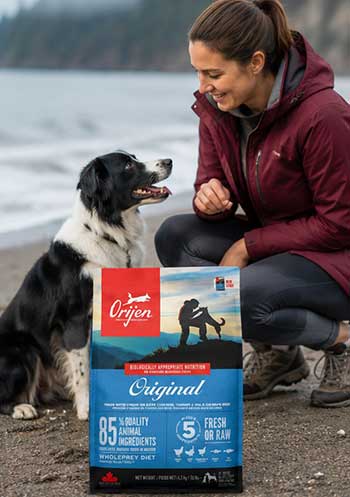
- WholePrey Approach Every bag includes muscle meat, organs, bone, and cartilage in ratios that echo natural prey. This supplies natural sources of calcium, phosphorus, and joint-supporting compounds without heavy reliance on synthetic additives.
- Fresh and Raw Ingredients A large percentage of the animal content enters the recipe fresh or raw before gentle cooking. You see named meats and fish right at the top of the list instead of vague meals.
- High Nutrient Density Because so much of the formula is animal-based, smaller portions still deliver the calories and building blocks active dogs need. Many owners report their dogs stay leaner on the same or slightly lower daily amounts.
- Probiotic and Botanical Support Modern Orijen formulas include dried fermentation products for gut health plus botanicals like turmeric and chicory root that owners appreciate for overall wellness.
- Limited Carbohydrate Load in Core Lines Grain-free versions keep starch lower, which appeals to owners managing weight or blood sugar concerns in their dogs.
Pros of Orijen
- Exceptional Protein for Performance Dogs Active dogs, working breeds, or those recovering muscle show visible benefits in coat shine and stamina when switched to Orijen. The density means you feed less volume while still meeting needs.
- Strong Ingredient Transparency You can trace most proteins to specific types of poultry or fish. That clarity helps when you want to avoid certain allergens or simply know exactly what your dog eats.
- High Palatability Most dogs eat Orijen eagerly. The fresh meat aroma and texture make mealtime less of a negotiation, especially helpful with picky eaters or seniors with reduced appetite.
- Nutrient-Dense for Smaller Portions Because calories come mostly from animal sources, a cup or two often satisfies a medium dog. This can lower daily food volume and sometimes reduce stool output.
- Options Across Life Stages Puppies, adults, and seniors each have targeted formulas that adjust protein, fat, and joint support without drastic reformulations.
Cons of Orijen
- Higher Price Point The fresh meat and smaller production scale push cost per bag higher. For multi-dog homes this becomes noticeable month after month.
- Richness Can Affect Digestion Some dogs need a slow transition or added fiber when moving to the higher protein levels. Loose stools or gas show up more often than with moderate-protein foods during the first couple weeks.
- Past Legal Questions A 2018 class-action lawsuit raised concerns about trace heavy metals and advertising language around “biologically appropriate.” The case was largely dismissed and the company states levels stay within safe ranges, yet the episode still makes some owners pause.
- Fewer Rotation Options Most owners stick with one recipe long-term. If your dog does better with frequent protein changes, Orijen offers less built-in variety than Fromm’s Four-Star system.
Key Features of Fromm Dog Food
- Multiple Product Lines for Different Needs Classic offers simple grain recipes, Gold adds targeted nutrition for life stages, and Four-Star focuses on variety with both grain and grain-free choices. You can match the line to your dog’s exact situation.
- Fresh Ingredients from Regional Suppliers Fromm sources many components from Midwest farms and maintains long relationships with those suppliers for consistency batch after batch.
- Built-in Probiotics and Prebiotics Most formulas contain a probiotic blend plus ingredients that feed beneficial bacteria, supporting steady digestion even when you rotate proteins.
- Recipe Rotation Made Easy The Four-Star line lets you change proteins regularly. This keeps meals interesting and can reduce the chance of developing sensitivities to any one protein over years of feeding.
- Moderate Energy Density The balanced protein-to-fat-to-fiber ratios suit average to moderately active dogs without pushing calories too high, which helps with steady weight maintenance.
Also Read: Comparison of Orijen And Royal Canin Dog Foods.
Pros of Fromm
- Excellent Value Without Sacrificing Quality You get named proteins, regional ingredients, and added probiotics at a price that fits more budgets. Many owners feel they receive comparable nutrition per dollar.
- Gentler on Sensitive Stomachs The grain-inclusive formulas plus probiotic support help dogs who struggled with grain-free foods or showed loose stools on richer recipes. Transition periods often go smoother.
- True Recipe Variety Rotating through Four-Star proteins keeps meals interesting and may lower long-term allergy risk. You can feed different proteins daily or weekly without digestive upset.
- Family-Owned Consistency Five generations of ownership translates into steady recipes and a focus on independent retailers who actually know the products and can give feeding advice.
- Good for Everyday Dogs Moderate protein and balanced fiber suit average activity levels and help maintain steady energy without the peaks and crashes some high-protein foods can create.
Cons of Fromm
- Lower Peak Protein Than Orijen Very active or performance dogs may need larger portions or supplemental protein sources to match what Orijen delivers in smaller amounts.
- Limited Online Convenience Because Fromm focuses on independent stores, you lose the ease of one-click reordering from big platforms. Planning ahead or building a relationship with a local retailer becomes necessary.
- Less “Wow” Factor on Ingredient Lists The recipes look solid and wholesome but lack the dramatic fresh-meat percentages that catch the eye on Orijen bags. Some owners want that maximum meat visual even if the nutrition ends up similar.
- Fewer Extreme Options for Special Cases If you need ultra-high protein or very low carb for a specific medical reason, Fromm’s balanced approach may require pairing with other foods or toppers.
Which One Fits Your Situation?
If your dog stays active, needs help holding muscle, and you don’t mind paying more for maximum animal content, Orijen often delivers visible results in coat, energy, and body condition.
The higher price buys density and palatability that many performance-minded owners value.
If your dog has a sensitive stomach, you like the idea of rotating proteins, or you want solid nutrition without stretching the monthly budget, Fromm gives you flexibility and digestibility that feel practical day after day.
The independent-store model also means you usually get better in-person guidance when you buy.
Many owners end up trying both during different seasons or life stages.
Start with a small bag of whichever matches your top priority, transition slowly over ten to fourteen days, and watch stool quality, energy, and coat condition.
Your dog’s response tells you more than any label.
Also Read: Comparison of Taste of The Wild And Blue Buffalo.
Frequently Asked Questions (FAQ)
Some veterinary nutritionists note the high-quality ingredients and density for active dogs, but many traditional vets prefer foods with extensive feeding trials and WSAVA alignment. Results vary by individual dog, so discuss with your vet.
Similar to Orijen, Fromm earns praise from some practitioners for digestibility and variety, especially the grain-inclusive lines. Mainstream vets often still point to brands with long feeding-trial data for everyday recommendations.
In 2018 a class-action suit alleged misleading “biologically appropriate” claims and raised questions about trace heavy metals in Orijen and related foods. The case was largely dismissed and the company maintains all levels remain within accepted safety limits.
Fromm made the decision to end distribution through Chewy after its acquisition by PetSmart. The brand prefers to sell through independent pet specialty retailers who can provide hands-on guidance rather than large online platforms.
Final Thoughts
After comparing Orijen and Fromm side by side with my own dogs over time, I see real strengths in both. If your pup needs dense protein and thrives on rich meat content, you will likely love what Orijen delivers in energy and condition.
On the other hand, if variety, digestibility, and everyday value matter most to you and your dog, Fromm often feels like the more practical everyday choice. Pay close attention to how your dog looks, eats, and performs after a few weeks on either one.
That feedback will tell you which brand fits your household best.