
I have spent years trying different dog foods for my energetic Labrador mix, always searching for something that keeps him thriving with shiny coat, steady energy, and no tummy troubles.
In this article, I share my personal experiences and analysis comparing Taste of the Wild and Blue Buffalo. I break down their key features, ingredients, pros, cons, and real-world performance so you can decide what fits your dog best.
Whether you are new to premium foods or switching brands, I aim to give you clear insights from one dog parent to another.
| Aspect | Taste of the Wild | Blue Buffalo |
| Protein Focus | Novel proteins like bison, venison, salmon | Real meat first, often chicken or fish |
| Grain Options | Mostly grain-free | Mix of grain-free and grain-inclusive |
| Unique Additives | Probiotics, antioxidants from fruits/veggies | LifeSource Bits for immune support |
| Price Range (per lb) | Moderately premium | Slightly higher premium |
| Recall History | Past issues with contaminants | Multiple voluntary recalls over years |
| Best For | Dogs needing ancestral-style diets | Dogs benefiting from variety and bits |
| Digestibility | Good for many, but pea-heavy formulas | Can be rich; some dogs experience upset |
Key Differences Between Taste of The Wild And Blue Buffalo

- Ingredient Philosophy: Taste of the Wild emphasizes novel, game-like proteins and minimal processing for ancestral appeal, while Blue Buffalo balances real meats with their signature nutrient-packed bits and broader grain options for everyday reliability.
- Carbohydrate Sources: Taste of the Wild relies heavily on legumes like peas and lentils, which some dogs handle great but others link to digestive or heart concerns. Blue Buffalo offers more traditional grains in certain lines, potentially easier on sensitive systems.
- Flavor Innovation: Taste of the Wild stands out with smoked and roasted profiles that make kibble smell irresistible. Blue Buffalo focuses on classic meats enhanced by their LifeSource Bits for nutritional punch.
- Target Audience: If your dog has allergies to common proteins, Taste of the Wild’s variety shines. For overall wellness and immune boosts, Blue Buffalo’s added bits provide an edge in my experience.
- Availability and Pricing: Both are premium, but Blue Buffalo appears more widely stocked in stores, sometimes making it easier for last-minute runs. Taste of the Wild often feels like a specialty find.
- Texture and Palatability: Taste of the Wild kibble tends to be denser with strong aromas. Blue Buffalo offers a mix that some dogs find more crunchy and engaging over time.
- Nutrient Delivery: Taste of the Wild packs in natural antioxidants from produce. Blue Buffalo supplements with their proprietary bits for targeted support like joint health.
- Production Scale: Taste of the Wild maintains a more focused wild-inspired lineup while Blue Buffalo expands into many lifestyle-specific formulas.
- Allergen Management: Novel proteins in Taste of the Wild give it an advantage for food-sensitive dogs compared to Blue Buffalo’s more common protein bases.
Also Read: Differences Between Kibbles and Bits And Pedigree.
Key Features of Taste of the Wild
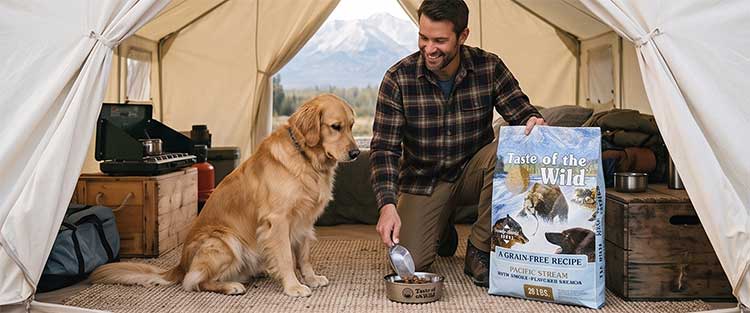
- Ancestral Protein Sources: They lead with real meats like roasted bison or smoked salmon that appeal to a dog’s natural instincts. My dog always finishes his bowl faster with these flavors, and the variety of game meats helps mimic what wild ancestors might have eaten while providing complete and balanced nutrition for modern pets.
- Grain-Free Formulas: Most recipes skip grains, using sweet potatoes and peas instead for carbs. This helped my pup avoid some allergy flare-ups initially and gave me peace of mind when managing potential grain-related sensitivities in his system.
- Probiotics and Digestive Support: Built-in probiotics from fermentation processes promote gut health. I noticed firmer stools after a couple weeks, which made cleanup easier and suggested better nutrient absorption overall.
- Antioxidant-Rich Fruits and Veggies: Blueberries, raspberries, and spinach add natural vitamins without synthetic overload. These whole-food additions bring a boost of phytonutrients that support daily immunity and vitality in active dogs like mine.
- Life Stage Variety: Options for puppies, adults, and seniors with tailored calorie and nutrient levels. This flexibility allowed me to adjust seamlessly as my Labrador moved through different phases of life without major diet overhauls.
- Smoked and Roasted Flavors: Unique processing makes kibble more aromatic and palatable for picky eaters. The enticing smells often drew my dog to his bowl even on days when his appetite was a bit off.
- No Artificial Additives: Clean labels free of colors, flavors, or preservatives that many owners worry about. This simplicity aligned well with my goal of feeding as naturally as possible while meeting all nutritional requirements.
- Sustainable Sourcing Focus: Emphasis on high-quality animal proteins that support ethical practices in many recipes. It gave me a better feeling knowing the ingredients came from responsible sources whenever possible.
- Dense Kibble Texture: Provides good dental benefits through chewing action. My dog seemed to enjoy the satisfying crunch that also helped maintain cleaner teeth over time.
- Omega Fatty Acid Balance: From fish sources that visibly improved my dog’s skin condition over time. The balanced fats contributed to a softer, glossier coat that friends actually commented on during walks.
Pros of Taste of the Wild

- High protein content from novel sources like bison and venison supports lean muscle maintenance, which I observed in my dog’s strong play sessions.
- Excellent palatability due to smoked flavors that encouraged even my occasional picky days.
- Built-in probiotics help maintain consistent digestion and firmer stools over extended use.
- Natural antioxidants from berries and vegetables contribute to overall vitality and reduced oxidative stress.
- Grain-free options work well for dogs with grain sensitivities, reducing itching in my case during trial periods.
- Affordable premium positioning compared to some ultra-boutique brands while still delivering quality.
- Wide availability of life-stage specific formulas makes it easy to match puppy growth or senior needs.
- Omega-3 and omega-6 balance from fish ingredients promoted a noticeably shinier coat within weeks.
- Dense kibble size aids in dental health through natural chewing action.
- Clean ingredient lists without artificial preservatives give confidence for daily feeding.
- Rotational protein variety prevents dietary boredom and potential sensitivities over months.
- Sweet potato as a carb source provides sustained energy without rapid spikes.
- Supports active lifestyles with calorie-appropriate recipes for my high-energy Labrador mix.
- Positive aroma that makes mealtime more appealing in the kitchen.
- Good value in larger bags for multi-dog or long-term use.
These points made Taste of the Wild a strong contender in my feeding trials, especially when I wanted to tap into that ancestral diet feel.
Also Read: Differences Between Kirkland Dog Food And Purina Pro Plan.
Cons of Taste of the Wild
- Heavy reliance on peas and legumes in many formulas raised my awareness of industry discussions around potential heart health links.
- Past contamination concerns and related legal actions required me to stay vigilant with batch checks.
- Some dogs experience initial digestive adjustment periods with looser stools during transitions.
- Limited grain-inclusive options compared to brands offering more traditional choices.
- Kibble aroma, while appealing to dogs, can sometimes be overpowering in small living spaces.
- Availability fluctuates in local stores, often pushing me toward online purchasing.
- Higher price point for the protein density when compared meal-for-meal over time.
- Occasional reports of reduced appetite in very small breeds due to kibble hardness.
- Less emphasis on added joint supplements in standard lines versus competitors.
- Batch-to-batch variations possible under larger company ownership.
- Not ideal for every medical condition without veterinary guidance.
- Legume-heavy profiles may not suit dogs with specific legume sensitivities.
- Transition requires slower mixing to avoid gastrointestinal upset.
I kept these factors in mind and monitored my dog closely, adjusting as needed.
Key Features of Blue Buffalo

- True Blue Promise: Real meat is the first ingredient, with no chicken by-product meals in core lines. This transparency builds trust and ensures the main component comes from recognizable, wholesome animal sources rather than processed remnants.
- LifeSource Bits: These small, dark kibble pieces pack extra nutrients, vitamins, and antioxidants for immune and joint support. My dog seemed perkier on days with these, and the added bits made every meal feel like a complete nutritional package.
- Wide Recipe Selection: From Wilderness high-protein lines to Basics for sensitive stomachs, plus grain-inclusive options. The broad choices made it simple to find the right match for my dog’s changing needs or preferences throughout the year.
- Natural Ingredients with Added Extras: Fruits, vegetables, and omega fatty acids from fish oil support skin and coat health. These elements worked together to create visible improvements in how my pup looked and felt after consistent meals.
- Family-Oriented Approach: Formulas crafted with input from vets and nutritionists, emphasizing whole-body wellness. This thoughtful development process reassured me that the food addressed multiple aspects of health beyond just basic calories.
- Wet and Dry Options: Convenient variety for mixing or topping to encourage eating. I often used the wet food as a topper during hotter days when my dog was less interested in dry kibble alone.
- Specialty Formulas: Breed-specific or weight management choices that fit different lifestyles. These targeted options proved useful when I needed to address specific concerns like maintaining a healthy weight for my energetic mix.
- Glucosamine and Chondroitin Inclusion: In many adult and senior recipes for joint mobility. This became especially helpful as my dog aged and stayed active with longer hikes and playtime.
- Varied Protein Options: Including lamb, fish, and turkey for rotation possibilities. Switching proteins periodically helped prevent potential sensitivities while keeping mealtime fresh and exciting.
- Enhanced Palatability Through Bits: The dual-kibble design keeps meals interesting meal after meal. The combination of textures encouraged thorough eating and reduced the chance of selective feeding.
Pros of Blue Buffalo
- LifeSource Bits deliver concentrated vitamins and antioxidants in every serving for immune support.
- Real meat as the first ingredient ensures high appeal and strong nutritional foundation.
- Extensive recipe lineup covers puppies, adults, seniors, and weight management needs seamlessly.
- Grain-inclusive options provide flexibility for dogs that digest grains well.
- Glucosamine and chondroitin in many formulas supported my dog’s joint comfort during aging.
- Natural fruits and vegetables add fiber and micronutrients for digestive balance.
- Wet food compatibility allows creative mixing for picky eaters.
- Widely available in stores, making spontaneous purchases convenient.
- Family-focused branding with transparent labeling builds owner confidence.
- Omega fatty acids promote healthy skin and reduced scratching.
- Dual-texture kibble keeps meals engaging and prevents boredom.
- Calorie-controlled options help maintain ideal weight in less active dogs.
- Vet-inspired formulations add a layer of thoughtful nutrition.
- Strong palatability that works across different temperaments.
- Positive long-term energy levels observed in daily walks and play.
Blue Buffalo proved reliable for consistent wellness in my household.
Also Read: Differences Between IAMS And Blue Buffalo.
Cons of Blue Buffalo
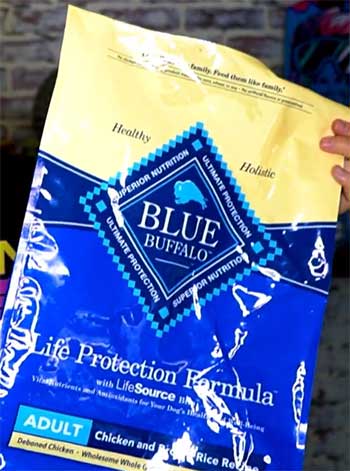
- Multiple past recalls for issues like vitamin D levels made me cautious about inventory management.
- Richer formulas occasionally caused temporary soft stools in sensitive dogs during my tests.
- Premium pricing adds up quickly for larger breeds or long-term feeding.
- Some recipes contain ingredients that may not align with highly restrictive allergy profiles.
- LifeSource Bits, while beneficial, can be less effective if dogs selectively eat around them.
- Marketing focus sometimes highlights benefits that vary by individual pet response.
- Grain-free lines share broader legume-related industry questions.
- Higher fat content in some varieties requires portion control for prone-to-weight-gain dogs.
- Availability of specific specialty formulas can be inconsistent regionally.
- Transition periods demand careful monitoring to prevent digestive surprises.
- Less novel protein options compared to brands specializing in exotic meats.
- Occasional reports of flatulence with certain high-protein lines.
- Dependence on added bits means nutrition profile changes if kibble is sorted.
These experiences taught me to select specific Blue Buffalo lines carefully.
Which One Did I Ultimately Prefer?
After months of comparison, I lean toward rotating both based on my dog’s needs. Taste of the Wild offers that wild-inspired punch for variety, while Blue Buffalo provides consistent extras like the bits.
Neither is perfect, but both outperform basic supermarket brands in my view. Consult your vet for tailored advice, especially with health histories.
Also Read: Is Dr. Marty’s Dog Food Effective?
Frequently Asked Questions (FAQ)
Neither is universally better. It depends on your dog’s specific needs, tolerances, and preferences. Both offer quality options, so trial based on individual response.
Some vets note potential digestive issues in sensitive dogs or prefer brands with more clinical backing. Opinions vary widely; many recommend it for healthy pets.
Past class actions involved alleged undisclosed contaminants like heavy metals or links to grain-free diets and heart concerns. Outcomes and details evolved over time.
No single #1 exists as it varies by dog. Fresh, balanced, vet-approved options with quality ingredients often rank high, but consult professionals for personalized picks.
Final Thoughts
I have shared my genuine thoughts on Taste of the Wild versus Blue Buffalo after real feeding trials with my own dog. You now have the details to make an informed choice that suits your furry friend.
Both brands bring strong qualities to the table, and the best one depends on your dog’s unique needs, preferences, and health profile.
Experiment carefully, observe closely, and prioritize what keeps your companion happy and healthy. Your dog deserves nutrition that supports their best life, and I hope this helps you find it.