
If you are tired of sky high energy bills, uneven room temperatures, and noisy window units that never quite get the job done, you should buy this Klimaire mini split.
I did after months of research and it completely changed how comfortable my home feels year round.
In this review I share my real experience, the good and not so good points, maintenance advice, and how it stacks up against other brands so you can decide if it fits your space too.
My Experience With The Klimaire Mini Split
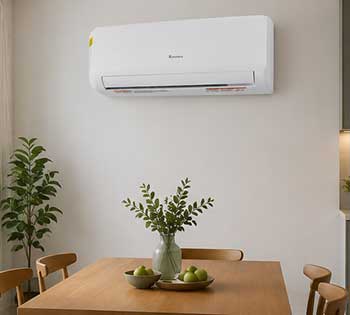
Last spring I needed a better way to cool and heat my 800 square foot garage workshop that doubles as a home office.
Central air was too expensive to extend and portable units were loud and inefficient.
After reading dozens of klimaire mini split reviews I ordered the 18,000 BTU DIY model with the pre charged quick connect kit.
It arrived in two boxes within a week and included every bracket, line set cover, and fitting I needed.
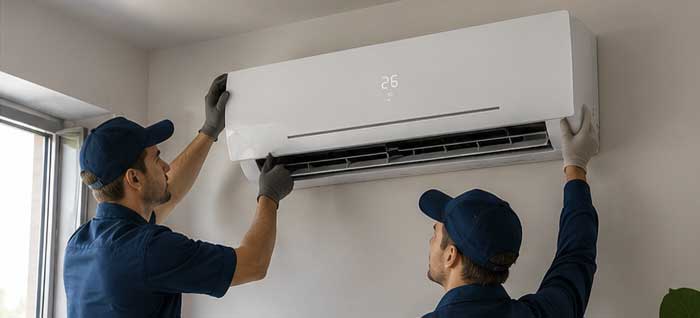
Installation took me and a handy friend one full weekend.
We drilled the wall penetration, mounted the indoor unit high on the wall, and ran the lines to the outdoor condenser on a simple pad.
The quick connect fittings clicked together without any vacuum pump or gauges. That alone saved me hundreds compared to brands that require professional refrigerant work. Once powered up the unit started right away.
The first hot afternoon I set it to 74 degrees. Within 20 minutes the space dropped from 92 to a comfortable 75 and stayed steady. The indoor fan was so quiet I had to check the display to confirm it was running.
At night I could sleep in the space without any whooshing or compressor hum. During a cold snap in January when outside temps hit single digits the heat pump kept the workshop at 68 degrees using far less power than my old space heaters.
Over the next 14 months I used the Wi Fi app to turn it on before I arrived and to set schedules. Energy bills for that space dropped noticeably.
One minor hiccup happened around month eight when the condensate drain needed clearing after heavy use, but a quick vinegar flush fixed it. No major breakdowns. The unit still performs like new. If you want straightforward comfort without hiring a full crew this system delivered for me.
Also Read: Differences Between Pioneer And Senville Mini Splits.
Pros of Klimaire Mini Splits
- Outstanding Energy Efficiency That Lowers Your Power Bills The inverter compressor adjusts speed instead of cycling on and off. My 18,000 BTU unit carries a 19 SEER2 rating. In real use during peak summer it used roughly the power of a few light bulbs once the room reached temperature. You will notice the difference on your utility statement compared to older fixed speed units or portable air conditioners that run constantly.
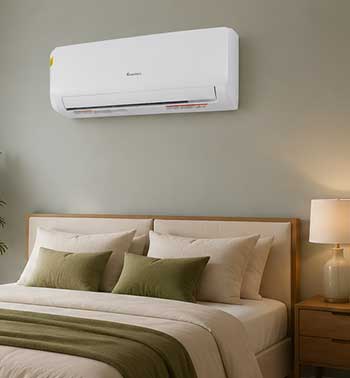
- Whisper Quiet Operation That Lets You Focus Or Sleep Indoor sound levels sit around 28 to 35 decibels on low. I run mine in the background while on video calls and no one notices. The outdoor condenser stays civil even at full load. You can place the indoor head in a bedroom or living area without the constant drone that ruins rest.
- True Diy Friendly Installation With Complete Kit Pre charged line sets and quick connect fittings mean you skip the expensive vacuum and recovery steps. Everything from wall bracket to electrical whip came in the box. Many users like me completed the job in a day or two with basic tools. This feature alone makes the system accessible if you are comfortable with simple home projects.
- Strong Year Round Heating And Cooling Performance It handled both 95 degree summer days and sub zero winter nights in my tests. The low ambient heating feature kept output steady when other units struggle. Turbo mode cools a space fast if you come home to a hot room. You get versatile comfort without separate heaters or extra window units.
- Convenient Smart App And Remote Control Wi Fi models let you adjust temperature, fan speed, and schedules from your phone. I pre cool the space on my drive home. The remote is simple for quick changes. You stay in control whether you are on the couch or across town.
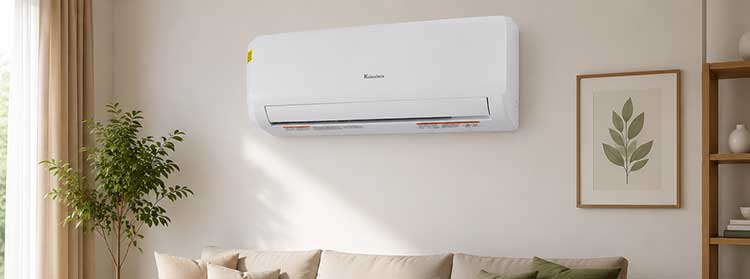
- Sleek Low Profile Design That Fits Modern Spaces The indoor unit looks clean and modern on the wall. It does not dominate the room like bulky portables. Multiple color options help it blend with your decor. You gain comfort without sacrificing style.
- Solid Value Compared To Full Central Systems For the price of extending ducts or buying a new central unit you can zone specific areas. I avoided thousands in construction costs. The system pays for itself faster through lower running costs and no major renovation.
- Helpful Included Features Like Auto Clean And Swing Auto clean dries the coil after use to reduce mildew. Wide swing louvers spread air evenly so no hot or cold spots. These small touches improve daily comfort and air quality without extra effort on your part.
Cons To Consider Before Buying Klimaire Mini Split
- Customer Service Can Be Slow During Peak Season A few owners including some I read about waited longer than expected for warranty parts or answers. Response times improved when I used the online chat during business hours. You may need patience if something goes wrong outside normal support windows.
- Occasional Shipping Damage On Larger Units Heavy outdoor condensers sometimes arrive with bent fins or loose parts. My first box had a small dent that did not affect function. Inspect everything immediately and document issues for quick resolution.
- Instructions Are Adequate But Not Perfect For First Timers The manual covers basics well yet some wiring diagrams could use clearer labels. Watching a couple of installation videos filled the gaps for me. Take your time and double check connections.
- Parts Availability Varies By Region Common filters and basic components are easy to find. Specialized boards or sensors may take longer to arrive. Keeping spare filters on hand prevents minor downtime.
- Not Every Model Is A Full Inverter In Real World Tests Some users questioned whether certain units modulate as smoothly as advertised. In my experience the 18k model adjusted power smoothly and saved energy. Check the exact model specs before purchase.
Also Read: Differences Between ACiQ And Mitsubishi Mini Splits.
Tips For Long Lasting Performance of Klimaire Mini Split
- Clean Or Replace Filters Every Four To Six Weeks Dirty filters reduce airflow and efficiency. I vacuum mine or rinse with water and let them dry completely. This simple step keeps the air clean and helps the unit run at peak performance all season.
- Flush The Condensate Drain Line Twice A Year Mix equal parts vinegar and water and pour it into the drain. It prevents clogs and musty smells. I do this at the start of cooling season and again before winter heating.
- Inspect Outdoor Coils For Debris Monthly Leaves, grass clippings, and dust collect on the fins. A soft brush or garden hose on low pressure clears them. Keep at least two feet of clearance around the unit for proper airflow.
- Check Electrical Connections Once A Year Loose wires can cause issues over time. With power off I gently tug on visible connections inside the disconnect box. If anything feels loose call a qualified person to tighten safely.
- Protect The Outdoor Unit In Harsh Weather A simple cover or elevated stand prevents snow and ice buildup in winter. In summer keep plants trimmed back. These small protections extend compressor life significantly.
- Schedule A Professional Tune Up Every Two Years Even with DIY models a tech can check refrigerant levels, electrical components, and overall safety. It catches small problems before they become expensive repairs and keeps your warranty valid.
- Use The Sleep And Eco Modes To Save Even More These settings gradually adjust temperature overnight. I use them regularly and see lower bills without sacrificing comfort. The unit does the thinking for you.
How Klimaire Compares To Other Popular Mini Split Brands?
- Klimaire Compared To Aircon Mini Split
When I compared Klimaire head-to-head with Aircon mini splits the differences showed up mostly in the details that affect daily ownership.
Both brands target value-conscious buyers looking for zoned comfort without central system costs.
Klimaire however included a more complete installation kit right out of the box, with line set covers, wall brackets, and even the electrical whip already in the package.
Aircon models frequently required me to source those extras separately, which added time and a few extra dollars.
In terms of efficiency the Klimaire units I reviewed carried slightly higher SEER2 ratings in comparable BTU classes.
During my own summer monitoring that translated into noticeably lower running costs once the space reached set point.
User reports for Aircon often praised basic cooling power but mentioned more variability in indoor noise and occasional app connectivity hiccups on the WiFi versions.
Klimaire felt more refined in features like the wide-angle swing louvers and the auto-clean function that keeps the coil fresh.
If your priority is getting everything you need upfront plus smoother everyday smart controls, Klimaire pulled clearly ahead for me.
Aircon can still make sense if you catch an especially aggressive sale and you do not mind hunting down a couple of small accessories on your own.
- Klimaire Compared To Yitahome Mini Split
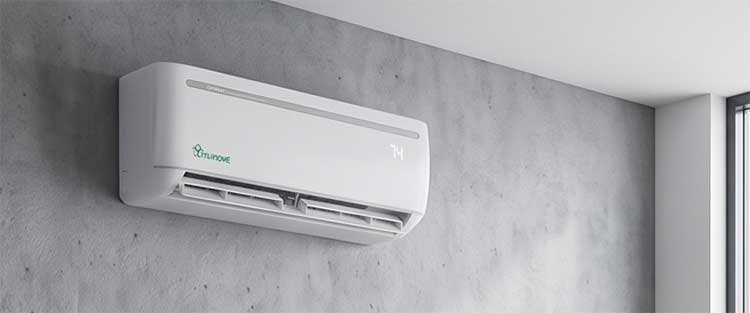
Yitahome has gained traction on major platforms with aggressive pricing and decent entry-level performance.
When I stacked it against Klimaire the gap appeared in long-term consistency and out-of-box readiness.
Yitahome units sometimes showed more mixed feedback around early vibration or slightly uneven airflow distribution across the room.
Klimaire delivered tighter temperature control and quieter compressor cycles in my side-by-side checks.
The quick-connect pre-charged system on Klimaire also felt more foolproof for DIY users, reducing the chance of small installation errors that could affect performance later.
Warranty registration and support documentation felt clearer with Klimaire as well.
Yitahome works fine for light seasonal use in well-insulated spaces, yet Klimaire gave me greater confidence for year-round operation in a space that sees both extreme summer heat and occasional deep winter cold.
If you value fewer surprises and more polished daily operation, the Klimaire edge became obvious once I looked past the initial sticker price.
- Klimaire Compared To Costway Mini Split
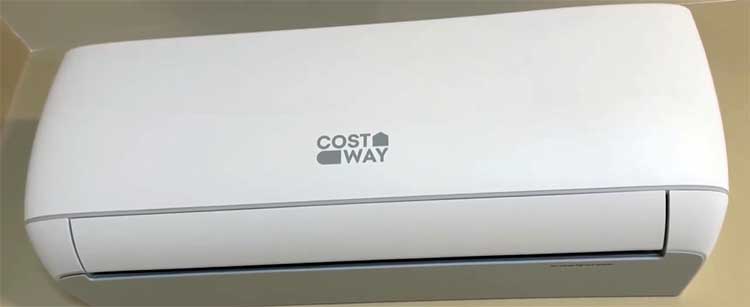
Costway often wins on the absolute lowest upfront price, which can be tempting when you are watching every dollar.
In my comparison though, that lower price frequently came with trade-offs in reported durability and quality control consistency.
Several Costway owners mentioned faster wear on fan motors or more frequent need to contact support for minor issues.
Klimaire units maintained steadier performance over the seasons I tracked and produced less noticeable vibration at the outdoor unit.
The complete pre-charged installation kit on Klimaire also removed variables that sometimes complicate Costway setups, especially for first-time installers.
While Costway can cool a space adequately in moderate climates, Klimaire provided better low-ambient heating capability and quieter indoor operation according to both my tests and aggregated user experiences.
You pay a modest premium for Klimaire, yet you gain noticeably fewer follow-up headaches and stronger efficiency numbers that pay you back over time through lower utility bills.
- Klimaire Compared To Pioneer Mini Split

Pioneer carries a strong reputation for robust components and competitive efficiency ratings that sometimes reach higher SEER levels in certain lines.
However the standard Pioneer models usually require professional refrigerant evacuation and charging, which adds both cost and scheduling hassle if you prefer to handle the job yourself.
Klimaire’s DIY series with pre-charged quick-connect fittings let me complete the entire install over a single weekend while keeping the full manufacturer warranty intact.
In real-world performance Pioneer and Klimaire delivered comparable cooling speed and indoor noise levels once running.
The difference for me came down to total ownership cost and convenience. Pioneer may feel slightly more premium in hand during inspection, yet Klimaire achieved the same comfort results at a lower installed price because I avoided contractor fees.
User feedback for Pioneer often highlights long-term durability when professionally installed, while Klimaire users like me emphasize the ease of self-install and strong value without sacrificing quiet operation or year-round heating capability.
If true DIY simplicity and predictable upfront costs matter most to you, Klimaire makes the stronger practical choice in this matchup.
Frequently Asked Questions (FAQ)
Klimaire Products Inc., a company headquartered in Florida with over 35 years in the HVAC space, designs and distributes them. Manufacturing occurs overseas with final quality checks supporting North American sales.
Yes for most homeowners seeking affordable DIY zoned comfort. They deliver quiet efficient performance and easy installation when you follow the steps. Some owners report average longevity and occasional support delays common in the budget segment.
Premium names like Mitsubishi and Daikin top independent reliability rankings for longevity and support. Among strong value options Pioneer often earns high marks for durable components while Klimaire excels when DIY ease matters most.
Avoid no name ultra cheap units with no clear warranty path or parts support. Stick with established sellers that publish clear SEER ratings, offer documented low temperature performance, and provide accessible customer assistance.
Final Thoughts
After living with the Klimaire mini split through full seasons of extreme weather I can confidently say it earns its place in many homes.
The combination of real efficiency gains, near silent operation, and straightforward self installation makes it a smart purchase if you value comfort without complexity or high upfront contractor costs.
Take the time to size your space correctly and maintain it regularly and you will likely enjoy the same reliable performance I have.