
I spent months researching and testing mini split systems for my own garage and home additions because I wanted efficient, quiet heating and cooling without breaking the bank or dealing with bulky ductwork.
In this article, I compare Pioneer and Senville head-to-head based on real performance, features, installation experiences, and long-term ownership insights so you can decide which one fits your needs better.
I cover everything from efficiency and reliability to everyday usability.
| Feature | Pioneer | Senville |
| Price Range (12k BTU) | Around $800-$1000 | Around $850-$1100 |
| Efficiency (SEER) | Typically 19-22 | Often 20-23 |
| Low Temp Heating | Down to -5°F or lower in some models | Down to -22°F in hyper models |
| Warranty | 5-10 years (varies) | Up to 10 years with registration |
| Build Origin | Midea-based clones | Gree/Midea rebadged |
| Availability | High (Home Depot, online) | Strong online, direct sales |
| Noise Levels | Very quiet indoors | Quiet with strong airflow |
| Best For | Easy access, balanced use | Extreme cold performance |
Key Differences Between Pioneer And Senville Mini Splits
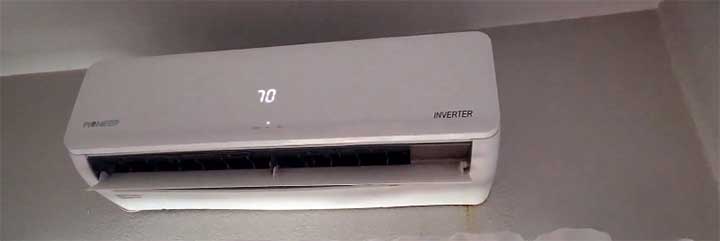
- Performance in cold weather: Senville often edges out with better low-temperature heating capability in their Aura or hyper heat lines, maintaining strong output down to much lower temps where many units lose capacity. Pioneer performs well in moderate cold but some models start to reduce heating effectiveness earlier during deep freezes, which I noticed during a cold snap last winter.
- Airflow and coverage: Senville units frequently get praised for moving more air on turbo mode, which helps in larger open spaces or garages by reaching set temperatures faster and distributing warmth or coolness more evenly across bigger areas.
- Availability and support: Pioneer wins here for many because you can find them in big box stores, making returns, exchanges, or quick parts easier without waiting on shipping. Senville shines with direct-to-consumer sales and responsive online support that felt more personal when I followed up on questions.
- Build and components: They share similar DNA as rebadged units from major Chinese manufacturers, but users report Pioneer sometimes feels slightly more refined in certain electronics and remote controls, while Senville emphasizes robust compressor performance for demanding conditions.
- Energy efficiency ratings: Both offer strong SEER numbers that look great on paper, but real-world bills depend more on proper sizing, your home insulation, and usage patterns than brand alone—though Senville models often sustain higher efficiency longer in variable weather.
- Warranty claims process: Senville tends to have a reputation for smoother registration and longer standard coverage on compressors, giving extra peace of mind, whereas Pioneer’s process works fine but sometimes requires more documentation.
- App and smart features: Both support WiFi add-ons for phone control, but integration quality varies by model—neither matches premium brands here, yet Senville’s app sometimes receives updates with more scheduling flexibility based on user feedback.
Key Features of Pioneer Mini Splits
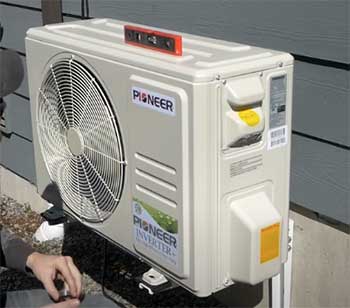
- Inverter technology that ramps up and down smoothly for consistent temperatures without the constant on-off cycling that wastes energy and causes temperature swings you feel in the room.
- Quiet operation, with indoor units often below 30 dB—perfect for bedrooms or offices where even a slight hum would disturb sleep or concentration, and I can barely hear mine running on low fan settings.
- Multiple mounting options including wall, ceiling, and floor units for flexible installation that adapts to awkward room layouts or architectural constraints in older homes.
- Pre-charged line sets in many kits that simplify DIY or pro installs by reducing the need for on-site refrigerant handling and lowering initial setup costs.
- Gold fin coatings on condensers for better corrosion resistance, especially useful near coasts or in humid areas where salt air or moisture can damage standard coils over time.
- Wide BTU range from small 9k units perfect for single rooms or small offices up to multi-zone systems capable of handling whole homes or commercial spaces with independent temperature control in each area.
- Hyper performance series with enhanced heating for colder climates that still provides decent output when temperatures drop, making it reliable for shoulder seasons.
- Easy-to-use remote with follow-me sensors that adjust based on where you point it, so the unit responds to the temperature right around you rather than just at the wall unit.
- Self-cleaning modes that help reduce maintenance by drying the coils after use and preventing mold or bacteria buildup that can affect air quality over months of operation.
- Strong dehumidification performance that tackles humidity without over-cooling the space, which proved valuable during sticky summer days when I wanted dry air but not freezing temperatures.
- Modern LED displays and sleek panel designs that blend into contemporary interiors without looking bulky or industrial.
- Built-in safety features like auto-restart after power outages and frost protection that keep the system running reliably through unpredictable weather.
I particularly like how Pioneer units feel approachable. When I unboxed mine, the instructions were clear enough that with basic tools and some online videos, I managed most of the install myself before calling a pro for the final electrical and vacuum steps. The system integrated smoothly into my daily routine.
Also Read: Differences Between Senville Aura And Leto Air Conditioners.
Pros of Pioneer Mini Splits
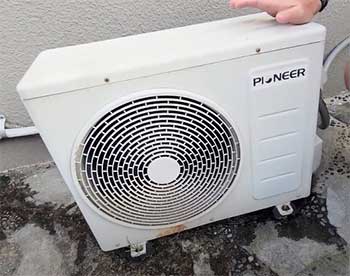
- Excellent value for money with performance that punches above the price tag, letting you enjoy ductless comfort without spending premium-brand money.
- Widely available, which means faster shipping, easier in-store returns, and quicker access to replacement parts when needed.
- Very quiet indoor heads that blend into rooms without drawing attention, creating a peaceful environment I appreciate during work calls or movie nights.
- Reliable cooling even on hot days, with quick temperature pull-down that brings my garage from sweltering to comfortable in under 30 minutes.
- Good customer service experiences reported when parts are needed, and the brand’s presence in major retailers adds confidence.
- Solid build for the cost—many users run them for years with minimal issues if installed correctly and maintained regularly.
- Flexible zoning options that let you control temperatures room by room, saving energy by only conditioning spaces you actually use.
- Energy savings noticeable on monthly bills compared to window units or older central systems, especially with the inverter tech adjusting output intelligently.
- Attractive modern design with slim indoor panels that look good in living rooms, bedrooms, or finished basements.
- Strong community of users sharing install tips and troubleshooting advice online, which helped me avoid common mistakes during my own setup.
- Straightforward maintenance routines that most homeowners can handle themselves without special tools.
- Consistent performance across seasons that provides dependable backup or primary climate control.
Cons of Pioneer Mini Splits
- Heating performance in extreme cold can lag behind dedicated hyper-heat models from competitors, requiring supplemental heat in very harsh winters.
- Parts availability sometimes requires waiting if not a common failure item, though big-box stocking helps mitigate this.
- Warranty may need professional installation proof for full coverage, which adds cost if you planned a full DIY project.
- Outdoor units can be louder than premium Japanese brands during high load, noticeable if placed near bedrooms or patios.
- Occasional reports of slower tech support response during peak seasons when everyone is calling for help.
- Not as refined in smart home integration as higher-end options, so expect basic app functionality rather than advanced automation.
- May require more frequent filter cleaning in dusty environments like workshops or homes with pets.
- Some models have shorter standard warranties compared to Senville, pushing you to register quickly for maximum coverage.
- Potential for higher long-term repair costs if outside the warranty window, though this applies to most budget systems.
- Slightly less aggressive low-temp operation in base models, which matters if you live in northern regions with prolonged sub-zero periods.
Key Features of Senville Mini Splits
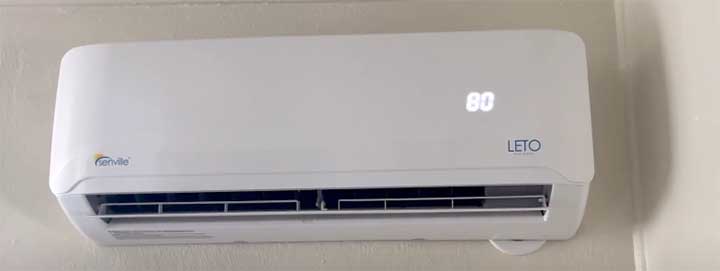
- Advanced inverter compressors that deliver impressive efficiency numbers while maintaining stable temperatures even as outdoor conditions change throughout the day.
- Hyper heat capabilities in select lines that keep working effectively in sub-zero conditions, delivering meaningful warmth when other systems struggle.
- Powerful turbo mode for rapid heating or cooling of spaces that brings large areas to set temperature noticeably faster than standard modes.
- WiFi-enabled models with app control for scheduling and remote access, letting you turn the system on before arriving home or adjust from vacation.
- Multiple series like LETO and AURA tailored to different needs and budgets, so you can match the exact performance level to your room size and climate.
- Quiet fans with good airflow throw for even room temperatures that prevent hot or cold spots in oddly shaped spaces.
- Self-diagnosis features that help identify issues early through error codes on the display, making troubleshooting quicker.
- Pre-charged refrigerant lines that speed up setup and reduce installation complexity for both pros and capable DIYers.
- Robust dehumidification and air purification modes that improve indoor air quality beyond just temperature control.
- Wide selection of single and multi-zone configurations that scale from one room to several zones with individual control.
- Enhanced coil protection and durable outdoor cabinets designed to withstand weather exposure over many seasons.
- Convenient remote controls and optional wall thermostats that give you flexibility in how you interact with the system daily.
My neighbor’s Senville unit impressed me with how well it handled his cold winter shop—heating stayed consistent even when temperatures dropped sharply overnight, and the airflow reached every corner effectively.
Also Read: Differences Between Cooper & Hunter And Pioneer Mini Splits.
Pros of Senville Mini Splits

- Outstanding cold climate performance that makes them versatile year-round, especially for regions with harsh winters or uninsulated spaces.
- Often higher customer satisfaction ratings for consistent operation over multiple seasons of heavy use.
- Strong energy efficiency that translates to lower operating costs, particularly when running for long periods in variable weather.
- Generous warranties that give peace of mind and encourage proper registration right after purchase.
- Excellent airflow that covers rooms faster in many user reports, reducing the time you wait to feel comfortable.
- Direct manufacturer support that feels more personal and responsive compared to some bigger retailers.
- Good humidity control that improves comfort in muggy areas by removing moisture efficiently without making the room too cold.
- Modern aesthetics with slim indoor units that mount discreetly and complement various decor styles.
- Reliable track record in various installations from garages to bedrooms to sunrooms.
- Great price-to-performance ratio that competes well against bigger names while delivering comparable everyday comfort.
- Effective self-cleaning and maintenance features that help the system stay efficient longer with minimal effort.
- Strong heating output that reduces or eliminates the need for additional space heaters in cold months.
Cons of Senville Mini Splits
- Slightly higher upfront cost in some configurations compared to Pioneer, though long-term savings can offset this.
- Availability mostly online, which means longer shipping for urgent needs or replacements.
- Build quality solid but not quite at premium brand durability levels for decades of zero-maintenance service.
- Some users note occasional challenges with customer service wait times during busy summer or winter peaks.
- Requires careful sizing because oversizing or undersizing affects efficiency and comfort significantly.
- Indoor units may need regular maintenance to maintain peak performance, especially in high-dust areas.
- Limited presence in physical stores for quick browsing or immediate purchase.
- WiFi modules sometimes sold separately, adding a small extra cost for smart features.
- Potential for louder outdoor operation under heavy load, similar to most compressors in this price range.
- Parts sourcing can mirror Pioneer challenges as a budget brand, requiring planning ahead for repairs.
My Experience And Recommendations
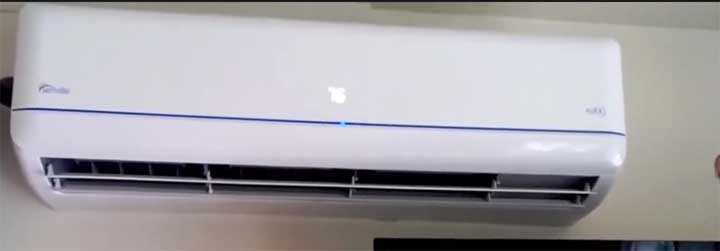
Living with the Pioneer unit taught me how convenient ductless systems feel—no more fighting with central air imbalances. It keeps my workspace comfortable quietly and efficiently.
The Senville I observed excels when temperatures really drop, making it a stronger pick for northern or uninsulated spaces.
Both brands deliver reliable service when installed correctly. I recommend measuring your space accurately, considering your climate, and factoring in local labor costs. If you prioritize easy local availability and balanced all-around performance, go with Pioneer.
If extreme cold heating and strong airflow matter most, lean toward Senville. You really cannot go wrong with either for most typical home projects, especially compared to window units or portable ACs.
- Who Should Choose Which Brand?
Choose Pioneer if you want something readily available, easy to service locally, and solid for general home use. It suits apartments, additions, or supplemental zones well. Pick Senville when you face colder winters or want maximum heating output and airflow.
Both work great for garages, sunrooms, or older homes without existing ducts. Consider your budget, climate, and how handy you are with installs.
Also Read: Differences Between Pioneer Diamante And Inverter Mini-Split AC.
Frequently Asked Questions (FAQ)
It depends on your needs. Senville often performs better in very cold weather with stronger heating, while Pioneer offers easier availability and balanced everyday use. Both are strong budget options.
Premium brands like Mitsubishi top reliability lists for long-term durability and support, though they cost more. For budget picks, Pioneer and Senville deliver good results when properly installed.
Mitsubishi generally outperforms in build quality, efficiency, and longevity, but Pioneer provides comparable comfort at a much lower price for many users.
Senville units are typically manufactured by major Chinese companies like Gree or Midea and branded for the North American market.
Wrapping Up
In the end, I encourage you to assess your specific space, climate, and priorities before buying. These systems changed how comfortable my spaces feel, and I bet they will do the same for you.
Take time to size correctly, plan the install thoughtfully, and enjoy the zoned control that mini splits provide so well. Whether you pick Pioneer or Senville, you are making a smart move toward efficient, flexible home comfort.