
I never thought I would rave about an air conditioner this much, but after living with my Pioneer mini split for over a year now, I genuinely believe you should grab one if you need efficient heating and cooling without the hassle of ducts.
These units deliver powerful performance at a price that actually makes sense for regular homeowners like us. You get quiet operation, solid energy savings, and the freedom to zone your space exactly how you want.
If you are tired of uneven temperatures and high bills, Pioneer offers real relief that pays for itself. Trust me, once you experience the comfort, you will wonder why you waited so long.
My Experience With The Pioneer Mini Split
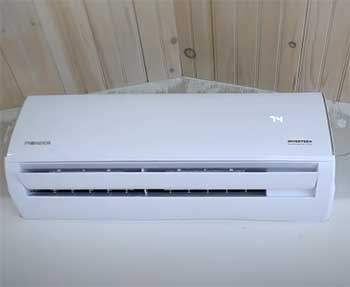
When I first decided to install a Pioneer mini split in my home addition, I was a bit nervous.
I had heard mixed stories online, but the price point and features convinced me to give it a shot.
I went with a 12,000 BTU inverter model for my 400 square foot space that needed both heat and cool.
Installation took me a weekend.
I watched a few videos, gathered the tools, and followed the manual step by step. The unit arrived well-packaged with clear instructions.
Mounting the indoor head was straightforward, and running the line set through the wall was the trickiest part, but nothing a determined homeowner cannot handle. I did not need to hire a full crew, which saved me hundreds right away.
Once powered up, the difference hit me immediately. The room cooled down fast on hot summer days and warmed up nicely during chilly nights without that blast of cold or hot air you get from traditional systems.
The noise level amazed me. I can barely hear the indoor unit even on higher fan speeds, and the outdoor condenser stays whisper-quiet from inside the house.
Over the past fourteen months, it has handled everything from humid summers to surprise cold snaps. My energy bills dropped noticeably compared to the old window units I used before. I love the remote control with its timer functions. I set it to turn on before I get home, and the space feels perfect when I walk in.
There were a couple of moments when I wondered about long-term performance, like when I heard some friends mention board issues on budget units. But so far, mine runs strong with no error codes or strange noises.
I keep up with basic cleaning, and it continues delivering consistent comfort. You feel that satisfaction of making a smart choice that works for your family without breaking the bank. The inverter technology adjusts output smoothly, so it does not cycle on and off constantly, which keeps things comfortable and efficient.
I have recommended it to my neighbor who was struggling with a hot upstairs bedroom, and he went ahead and bought two units. Watching his relief after installation reminded me why I chose Pioneer in the first place.
It simply gets the job done reliably for everyday living.
Pros of Choosing Pioneer Mini Splits
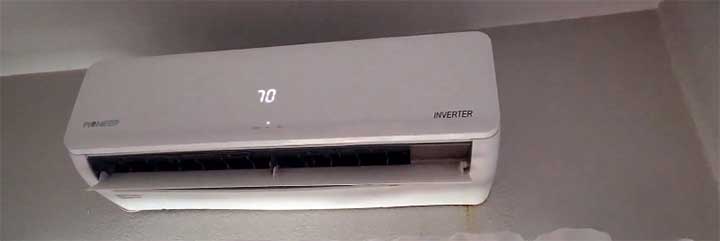
- Excellent Energy Efficiency Saves You Money Every Month You notice lower utility bills almost immediately because the inverter technology ramps up and down intelligently instead of running full blast all the time. I track my usage monthly, and the savings add up fast, especially in shoulder seasons when you only need mild heating or cooling. In my case, I saw consistent reductions that made the initial investment feel smart within the first summer. You get to enjoy comfort while your wallet thanks you at the end of each billing cycle. This efficiency comes from smart variable speed compressors that match the exact load your space needs rather than wasting power.
- Super Quiet Operation Enhances Your Daily Comfort Both indoor and outdoor units stay remarkably quiet. You can watch television, work from home, or sleep without any distracting hum. This feature alone makes Pioneer stand out when you compare it to louder traditional systems or even some other mini splits I tested at friends’ houses. The indoor unit whispers at low speeds, and I often forget it is running until I feel the perfect temperature. Guests always comment on how peaceful the room feels compared to central air that kicks on with a roar.
- Easy Diy Installation Empowers Homeowners The process feels approachable with good instructions and available support. Many of us install these ourselves and feel proud of the result while pocketing the professional labor costs. I completed mine solo over two days, and the sense of accomplishment was real. You save significant money and gain full control over placement for maximum efficiency in your specific rooms.
- Strong Cooling And Heating Performance In Various Climates These units handle temperature swings effectively. My model keeps the space even and comfortable whether it is blazing hot outside or dipping into the thirties. I live in an area with distinct seasons, and the heat pump function works reliably without supplemental heat strips in most conditions. You get rapid temperature pull-down on scorching days and steady warmth when nights turn cold.
- Affordable Upfront Cost With Good Feature Set You receive modern conveniences like remote control, multiple fan speeds, and dehumidification modes without paying premium brand prices. The value hits that sweet spot for most budgets. I compared sticker prices extensively before buying, and Pioneer gave me all the essential features plus some extras that made daily use convenient.
- Wide Range Of Sizes And Configurations Available No matter if you need a single zone for a garage or multi-zone for your whole home, Pioneer offers options that fit your exact needs. This flexibility helped me plan future expansions without replacing the entire system.
Cons of Pioneer Mini Splits
- Warranty And Support Can Feel Limited Compared To Premium Brands Some users report challenges getting quick parts or service. I had no issues yet, but it pays to buy from reputable sellers and keep all documentation handy.
- Potential For Earlier Repairs After Several Years A few owners mention circuit board replacements around the three to five year mark if maintenance slips. Staying on top of cleaning helps minimize this risk.
- Not The Highest Seer Ratings On The Market While efficient for the price, you will not find ultra-premium efficiency numbers that some luxury brands advertise. For most homes, the performance still delivers excellent results.
- Availability Of Certain Replacement Parts You might wait longer for specific components compared to bigger names with widespread dealer networks.
Maintenance Tips That Keep Your Pioneer Running Strong
- Clean Filters Regularly For Optimal Airflow And Efficiency I pull out the filters every two to four weeks depending on dust levels in my area. A quick rinse with lukewarm water and mild soap does wonders. Dry them completely before reinstalling to prevent mold. This simple step maintains strong airflow and helps the system work less hard.
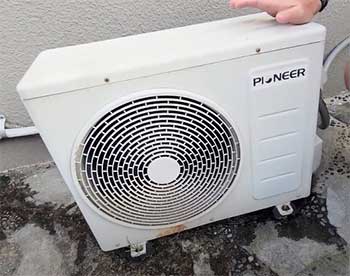
- Inspect And Clean The Outdoor Unit Seasonally Clear away leaves, grass, and debris around the condenser every few months. I use a soft brush or gentle hose spray to keep the coils clean. This prevents overheating and maintains performance during peak seasons.
- Check The Drain Line To Avoid Water Issues Make sure the condensate drain stays clear. I pour a mixture of vinegar and water through it a couple times a year to prevent clogs and algae buildup. This keeps moisture away from the unit and your walls.
- Wipe Down The Indoor Unit Exterior And Vents Dust the casing and around the air intake monthly. It takes five minutes but keeps the unit looking fresh and prevents dust from circulating back into your living space.
- Schedule Professional Service Every Two To Three Years Even with great DIY maintenance, having a technician check refrigerant levels, electrical connections, and overall system health gives peace of mind. I do this to catch small issues before they grow.
- Use Surge Protectors And Proper Power Setup Protect your investment with a good surge protector, especially in areas with unstable power. This small addition safeguards sensitive electronics inside the unit.
- Monitor For Unusual Noises Or Performance Changes Address any strange sounds or reduced efficiency right away. Early attention often means simple fixes rather than major repairs. Following these habits has kept my unit performing like new well into its second year. Consistent care really extends the enjoyable experience you get from your Pioneer.
Comparing Pioneer To Other Popular Mini Split Brands
- Pioneer Mini Split Compared With Senville Mini Split
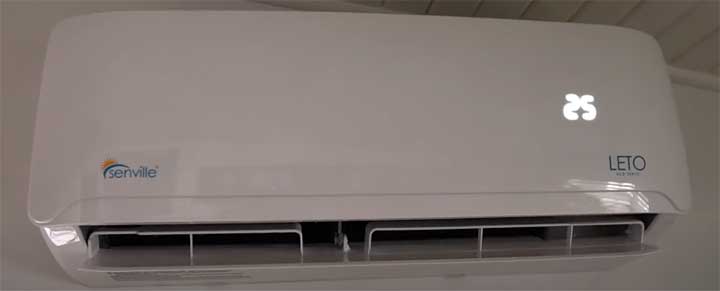
Senville is one of Pioneer’s closest competitors because both brands appeal to value-focused buyers who want ductless comfort without premium-brand pricing. Senville’s official warranty page lists 10 years for compressors, 5 years for parts and components, and 10 years of technical support for many products, though coverage may vary by series.
When I compare Pioneer and Senville, I see Pioneer as a strong choice for product variety and practical flexibility. Senville often feels attractive for buyers who like clear consumer-facing bundles and warranty messaging. If you are comparing both, I would look beyond the price. Compare BTU size, voltage, efficiency, heating performance, included accessories, warranty terms, and installer familiarity.
If an installer near you works with one brand more often, that can matter. A slightly better deal is not always better if support and installation confidence are weaker.
- Pioneer Mini Split Compared With Everwell Mini Split
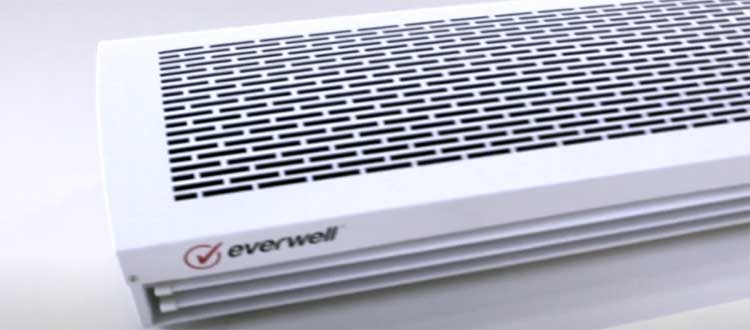
Everwell is another brand you may see in the budget and mid-range ductless market. Compared with Pioneer, Everwell may appeal to buyers looking for affordable cooling and heating options, especially through regional distributors or online sellers.
My hesitation with Everwell is brand visibility. Pioneer has a more established direct presence in the mini split space, and I find it easier to research Pioneer models, product categories, and company information. That matters when you are buying HVAC equipment because you may need parts, documentation, or support years later.
That does not mean Everwell is a bad choice. It means I would be more careful before buying. I would check who sells it locally, who services it, what warranty applies, and whether your installer is comfortable with that equipment.
If the answers are strong, Everwell may be worth considering. If the answers feel vague, Pioneer may feel safer.
- Pioneer Mini Split Compared With TOSOT Mini Split
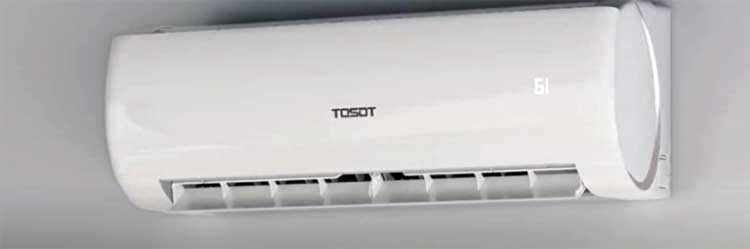
TOSOT is connected with a more dealer-oriented HVAC approach in many markets, and its warranty positioning can be strong when installed by licensed professionals.
TOSOT’s official warranty information mentions a 10-year limited warranty on parts and compressors when installed by licensed professionals, while TOSOT America also lists dealer warranty programs that can vary by product and program.
Compared with Pioneer, TOSOT may feel more polished if you are buying through a professional dealer channel. Pioneer may feel more flexible and accessible if you are shopping online and comparing systems yourself.
I would choose TOSOT if I had a trusted local dealer offering a strong installed package, clean warranty support, and fair pricing. I would choose Pioneer if I wanted better control over product selection, strong value, and a broader direct-buy feel.
- Pioneer Mini Split Compared With Traiden Mini Split
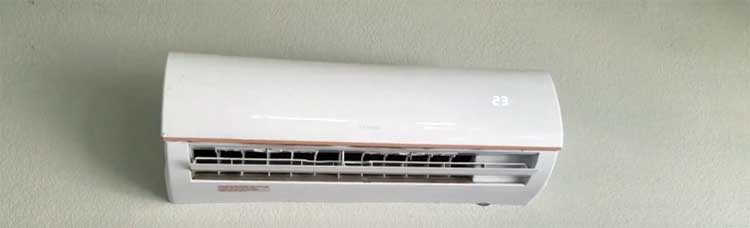
Traiden is usually discussed as a value mini split option, but it does not have the same level of broad consumer recognition as Pioneer. That matters because mini splits are long-term purchases. You are not only buying the unit.
You are buying the future experience of finding information, getting help, and keeping the system running.
Pioneer feels like the safer pick for most buyers because the brand presence is easier to verify, the product catalog is broad, and the company behind Pioneer is easier to identify. With Traiden, I would want to see clear warranty terms, installer support, and parts availability before buying.
If Traiden is offered by a local HVAC professional you trust, it may be worth considering. But if you are shopping online without much support, I would lean Pioneer.
Frequently Asked Questions (FAQ)
Both perform similarly as budget options, but Pioneer often feels more available at retail stores and slightly quieter in real-world use.
Pioneer partners with established manufacturers, often producing quality units with reliable components suited for North American homes.
With proper installation and regular maintenance, expect at least ten years or more of solid performance.
Premium Japanese brands like Mitsubishi or Daikin top reliability charts for many years of service, though Pioneer offers great value in its category.
Final Thoughts
You have reached the end of my honest take after living with this system day in and day out. Pioneer mini splits strike an impressive balance between cost, performance, and ease that fits real homes and real budgets.
I keep enjoying the consistent comfort and lower bills, and I believe you will too if you choose one for your space. Go ahead and make the move. You deserve comfortable rooms without the usual headaches.