
I have spent months researching and comparing siding options for my own house, and the choice between Hardie Board and LP SmartSide kept coming up as the top contenders.
Both deliver strong performance far beyond basic vinyl or cheap wood, but they differ in ways that matter for long-term satisfaction, cost, and peace of mind. In this article, I share everything I learned so you can decide which one fits your home, budget, and lifestyle better.
You will walk away with clear insights on durability, looks, installation, and upkeep.
| Feature | Hardie Board (Fiber Cement) | LP SmartSide (Engineered Wood) |
| Material | Portland cement + cellulose fibers | Wood strands + resins + zinc borate treatment |
| Weight | Heavy | Lightweight |
| Fire Resistance | Excellent (non-combustible) | Good (treated but flammable) |
| Impact Resistance | Good but brittle | Excellent |
| Lifespan | 30-50+ years | 20-30+ years with maintenance |
| Maintenance | Low | Moderate |
| Upfront Cost (installed) | Higher ($8-12+/sq ft) | Lower ($6-10/sq ft) |
| Warranty | 30 years non-prorated | 50 years (5 years full, then prorated) |
| Best For | Harsh weather, fire-prone areas, low upkeep | Budget, wood look, hail-prone areas |
Key Differences Between Hardie Board And LP SmartSide
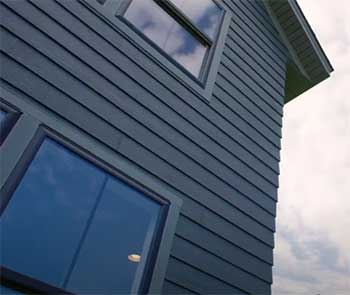
- Material composition drives everything else. Hardie uses fiber cement, which feels solid and dense. It resists water absorption deeply and stands up to extreme heat or flames without burning. LP SmartSide relies on engineered wood strands bonded with special resins and treated with zinc borate for protection against bugs and rot. This gives it flexibility that fiber cement lacks.
- Weight and handling feel completely different. Hardie boards are noticeably heavy, which adds stability once installed but makes moving them around the job site tougher. LP feels manageable, almost like working with premium plywood, so crews can move faster.
- How they respond to impacts. Drop a hammer on Hardie and you risk a chip or crack. LP bounces back better from hail or flying debris, which matters a lot if you live where storms hit hard.
- Fire performance. Hardie wins hands down here. It simply will not feed a fire the way even treated wood products can. In wildfire zones or homes with fire concerns, this becomes a major factor.
- Appearance and texture options. Both mimic wood, but LP often delivers a deeper, more pronounced cedar grain that many people love for that authentic look. Hardie offers smooth and textured finishes that look clean and uniform.
Also Read: Comparison of Cement Board And Gypsum Board.
Key Features of Hardie Board
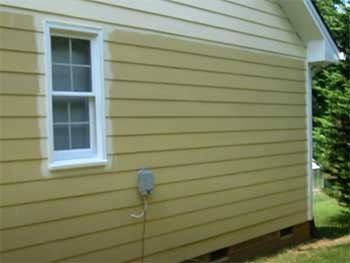
- Superior weather and moisture resistance. The fiber cement formula shrugs off heavy rain, humidity, and freeze-thaw cycles without swelling or rotting.
- Fire safety built in. Non-combustible rating gives real confidence and matters during insurance reviews or in high-risk areas.
- Long-term color retention with ColorPlus. Factory-applied finishes hold up exceptionally well, often going 15 years or more with minimal fading.
- Wide range of profiles and styles. Lap siding, shingles, soffit, and trim pieces all match perfectly for classic or modern looks.
- Proven track record. Many homes with Hardie installed decades ago still look excellent.
- Density benefits. Helps block sound somewhat and adds a solid feel to the exterior walls.
Pros of Hardie Board
- Exceptional durability in tough conditions. It handles high winds up to 130 mph in tested systems, hail, intense sun, and temperature swings better than most alternatives. Once installed correctly, it stays looking sharp for decades with very little intervention needed from you.
- Very low maintenance over time. Occasional gentle washing keeps it clean. You avoid the constant battles with peeling, warping, or frequent repainting that come with traditional wood products, saving you time, money, and effort year after year.
- Pest and rot proof. Termites, ants, and mold have a hard time with fiber cement. This protection translates into fewer surprise repair bills and greater peace of mind, especially in areas with high insect activity or damp conditions.
- Strong resale value. Buyers often view Hardie as a premium upgrade that signals quality and longevity, which can help your home stand out positively during a sale and potentially add to its market worth.
- Comprehensive system. Matching trim, corners, and accessories create a polished, professional finish that elevates curb appeal and gives your home a cohesive, high-end appearance from every angle.
- Energy efficiency contribution. The thickness and density provide a bit of extra insulation effect compared to thinner materials, which can help slightly with overall home comfort and efficiency.
- Consistent performance across climates. Whether you face coastal salt air, desert heat, or Midwest freezes, the material holds up reliably without special adaptations in most cases.
- Factory finish quality. The baked-on ColorPlus technology reduces the risk of uneven painting jobs and delivers uniform color that resists chalking and fading far better than field-applied paints.
Cons of Hardie Board
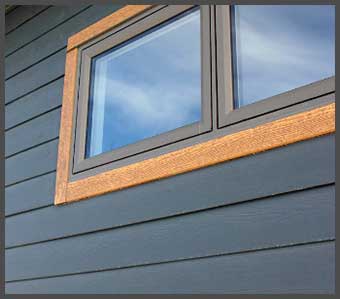
- Higher upfront cost. Materials and especially labor run more expensive because of the weight and specialized cutting tools needed, which can stretch your initial budget compared to lighter alternatives.
- Heavy and brittle during installation. Boards can crack if not handled carefully. Installation takes longer and often requires more experienced crews, which raises the total price and extends the project timeline.
- Limited flexibility. It does not bend or absorb impacts as well as engineered wood, so dents from accidents or severe hail might show up as chips that require patching or board replacement.
- Installation restrictions. You need proper gaps at the bottom and specific flashing details to maintain the warranty. Cutting generates dust that requires masks, proper ventilation, and thorough cleanup afterward.
- Repainting still needed eventually. While the factory finish lasts long, you will eventually touch it up every 10-15 years in most climates, though far less often than with wood-based options.
- Heavier load on the structure. Though most homes handle it fine, older houses may need extra evaluation before adding the weight to ensure the framing and sheathing remain sound.
- Professional installation almost mandatory. DIY attempts can void warranties or lead to poor performance if details like fastening and sealing are not done precisely.
- Potential for dust and mess. The cutting process creates silica dust, so proper safety measures and containment are essential, which adds complexity to the job.
Also Read: Comparison of Hardie Board And Cement Board.
Key Features of LP SmartSide
- SmartGuard treatment technology. The zinc borate and resin system protects against termites, fungal decay, and moisture from the inside out rather than just on the surface.
- Natural wood-like texture and warmth. The engineered strands create realistic grain patterns that many people prefer over more uniform looks.
- Lightweight and installer-friendly. Longer board lengths up to 16 feet mean fewer seams. Crews can work quicker and with standard tools.
- Strong impact resistance. It flexes rather than cracks, performing well against hail and minor bumps.
- Sustainable aspects. Made from wood strands with responsible sourcing, appealing to homeowners who value renewable materials.
- Versatile panel and lap options. Choices for both traditional horizontal looks and larger panels that speed up coverage.
Pros of LP SmartSide
- Better value at the start. Lower material and labor costs make it more accessible without sacrificing too much performance, letting you achieve a premium-looking exterior while staying within a tighter budget.
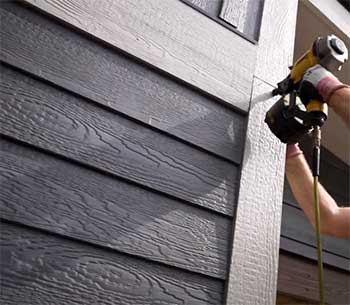
- Easier and faster installation. Lightweight nature reduces strain on workers and your home’s structure. This can shorten project timelines significantly, getting you back to normal life quicker.
- Excellent impact performance. In hail-prone regions, this becomes a big selling point. The material absorbs hits that might crack harder products, potentially saving on future repairs after storms.
- Authentic wood appearance. The texture and warmth feel more traditional and inviting. Paint adheres well and creates a rich, deep look that many homeowners and neighbors admire.
- Generous warranty coverage. The 50-year limited warranty with strong initial 5-year full replacement shows manufacturer confidence and provides solid protection in the early years.
- Good moisture and pest resistance. When installed properly with the right flashings and paints, it stands up well to wet climates and bugs thanks to the built-in treatments.
- Flexibility during construction. Easier to cut, nail, and adjust on site, which helps tremendously when working around windows, doors, complex architectural details, or renovations on older homes.
- Reduced structural stress. The lighter weight makes it a safer choice for homes with aging framing or when adding siding without major structural reinforcements.
- Fewer seams with longer lengths. This creates cleaner lines and faster coverage, improving both aesthetics and weather-tightness when done right.
- Customizable on-site. You can achieve varied looks and make adjustments more easily during installation compared to more rigid materials.
Cons of LP SmartSide
- Requires more ongoing attention. You will likely repaint or touch up every 5-10 years depending on sun exposure, weather, and paint quality to keep both appearance and protection strong.
- Not as fire resistant. While treated, it remains a wood-based product and will not match fiber cement when facing direct flame or intense wildfire conditions.
- Potential for moisture issues if details fail. Poor installation, damaged paint, or inadequate flashing can allow water intrusion, leading to swelling, delamination, or decay over time if not caught early.
- Shorter practical lifespan in extreme conditions. In very harsh sun, constant humidity, or severe temperature swings, it may need more frequent care to reach the upper end of its expected service life.
- Less uniform appearance over decades. Seams and texture can become more noticeable as the material weathers compared to the monolithic, consistent look of fiber cement.
- Warranty becomes prorated. After the first 5 years, coverage decreases, so major issues later in the life of the siding will cost you more out of pocket.
- Sensitivity to installation quality. Because it is wood-based, proper sealing, painting, and ventilation are critical. Shortcuts show up faster than with fiber cement.
- Potential color fading or chalking. Without timely maintenance, the finish can degrade quicker in intense UV areas, requiring more frequent refreshes to keep your home looking its best.
- Slightly higher long-term monitoring needs. You benefit from periodic inspections of edges, corners, and paint condition to catch small problems before they grow.
Which One Did I Lean Toward?
After weighing everything, I see Hardie as the choice when you want maximum durability and fire protection with the least future hassle.
LP SmartSide shines when you want a beautiful wood look, easier installation, and lower starting costs while still getting strong performance. Your climate, local risks, budget, and personal taste will tip the scale. Talk to reputable installers and ask for samples.
Also Read: Is Alside Ascend Siding Worth It?
Frequently Asked Questions (FAQ)
Neither is universally better. Hardie excels in fire resistance, longevity, and low maintenance. LP offers better impact resistance, lower upfront cost, and a more natural wood appearance. Choose based on your climate and priorities.
It costs more initially, feels heavy and brittle during install, can chip on impact, and requires careful handling plus professional installation to avoid cracks.
It needs more frequent painting and inspections, offers less fire resistance, and can suffer moisture issues if paint or installation details fail over time.
LP SmartSide often works better on older homes because it is lighter and puts less stress on the structure. Always check the house’s condition and consult a structural expert before adding any new siding weight.
Final Thoughts
In the end, I encourage you to picture your home ten or twenty years from now. Consider how much involvement you want with upkeep, what risks your area faces, and what look you love every day when you pull into the driveway.
Both Hardie Board and LP SmartSide represent big upgrades that can transform your house. Take your time, get real samples, and choose the one that matches your vision for the long haul. You will live with this decision daily, so make it one you feel confident about.