
I’ve spent a considerable amount of time researching, comparing, and analyzing both Whirlpool and Samsung washing machines — and let me tell you, this is not a simple battle to call.
Both brands bring serious firepower to the laundry room. But when it comes to your hard-earned money and the appliance that’s going to handle your family’s laundry for the next decade, you need clarity, not confusion.
In this article, I’m going to break down everything — from performance and reliability to smart features and long-term value — so you can walk away knowing exactly which brand makes more sense for your lifestyle.
| Feature | Whirlpool | Samsung |
| Brand Origin | USA (1911) | South Korea (1969) |
| Primary Strength | Reliability & durability | Technology & innovation |
| Washing Technology | Impeller & Agitator, Direct Drive | EcoBubble, VRT Plus, AI-powered |
| Smart Features | Basic (some Wi-Fi models) | Advanced (SmartThings, AI wash) |
| Energy Efficiency | Moderate to High (ENERGY STAR) | High (EcoBubble reduces energy) |
| Load Capacity Range | 3.5 – 5.3 cu. ft. | 4.5 – 6.0 cu. ft. |
| Noise Level | Moderate | Low (VRT Plus technology) |
| Price Range | $600 – $1,800 | $700 – $2,200 |
| Warranty | 1-year limited (parts & labor) | 1-year limited + 3-year motor |
| Repair Ease | Easy (wide technician network) | Moderate (parts may be harder to source) |
| Best For | Value buyers, large families | Tech-savvy users, feature seekers |
| Average Lifespan | 12–15 years | 10–13 years |
Key Differences Between Whirlpool And Samsung Washing Machines
This is where things get interesting. The differences between these two brands are not just about specs on a sheet — they reflect fundamentally different design approaches.
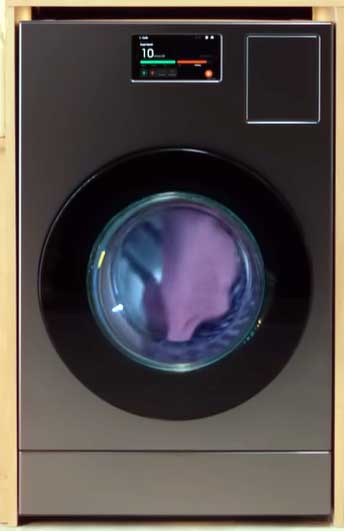
- Core Technology Philosophy: Whirlpool leans on tried-and-tested mechanical engineering. Their machines use proven impeller and agitator systems that have been refined for decades. Samsung, by contrast, bets on innovation — EcoBubble technology, AI-powered load sensing, and digital inverter motors are all part of their pitch.
- Smart Home Integration: Samsung’s SmartThings app integration is genuinely impressive. You can monitor wash cycles, receive notifications, and even troubleshoot issues remotely. Whirlpool’s app works fine, but it doesn’t offer the same depth of smart functionality that Samsung provides.
- Build Materials and Construction: Whirlpool machines tend to have a more industrial build — heavier cabinets, sturdier components, and a construction style that says “this thing is built to last.” Samsung machines are sleeker and lighter, which looks great but can sometimes feel less heavy-duty.
- Washing Drum Design: Samsung uses their unique drum design with diamond-shaped ridges that claim to protect fabric while improving wash performance. Whirlpool’s PoweWash and Load & Go systems focus on making everyday washing more convenient and effective.
- Motor Technology: Samsung uses a Digital Inverter Motor on most of their machines, which they back with a 10-year warranty in many markets. Whirlpool uses a direct drive motor system that is also highly reliable, though the warranty terms vary by model.
- Vibration Control: If noise is a concern for you, Samsung’s VRT Plus (Vibration Reduction Technology) gives it a noticeable edge. I’ve seen side-by-side comparisons where Samsung machines running on a full spin cycle are significantly quieter than comparable Whirlpool models.
- Water Temperature Options: Whirlpool’s machines typically offer more granular water temperature control, which is especially useful if you’re washing items that require specific temperature settings — think baby clothes, allergen reduction, or heavily soiled work wear.
- Cycle Customization: Samsung packs in more wash cycles and customization options. Their machines often come with 12–16 preset wash cycles, while Whirlpool models typically offer 8–12, though Whirlpool’s tend to be more straightforward and easier to use for everyday laundry.
Whirlpool Washing Machines: Key Features
Whirlpool keeps things grounded in what matters most to the average household — and their feature set reflects that no-nonsense approach.
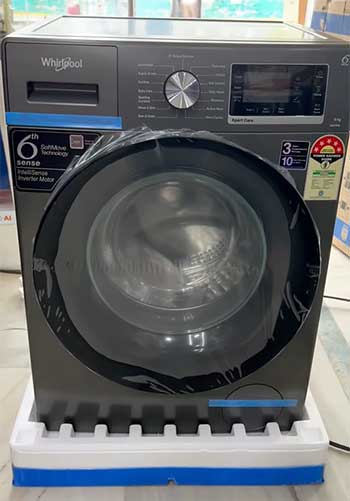
- Load & Go Dispenser: This is one of Whirlpool’s most popular innovations. The Load & Go XL Plus dispenser holds enough detergent for up to 40 loads, so you fill it once and forget about it for weeks. For busy families, this is a genuine game-changer.
- PoweWash Agitator: The PoweWash system is designed to remove tough everyday stains in a single wash. It combines the cleaning action of an agitator with a high-performance wash cycle, which is particularly effective on heavily soiled items like kids’ sports uniforms or muddy work clothes.
- Intuitive Controls: Most Whirlpool washing machines use simple dial and button controls that are extremely easy to understand. If you’ve ever stood in front of a washing machine panel with too many options and felt overwhelmed, Whirlpool’s approach will feel like a breath of fresh air.
- ENERGY STAR Certification: Many Whirlpool models carry ENERGY STAR certification, meaning they meet strict energy efficiency guidelines. Their front-loaders especially are designed to use less water and electricity without sacrificing clean results.
- Large Capacity Tubs: Whirlpool offers machines with drum sizes up to 5.3 cubic feet in their top-loader lineup, which can comfortably handle king-sized comforters, large loads of jeans, and bulky items without needing to visit the laundromat.
- Adaptive Wash Technology: Some Whirlpool models include adaptive wash technology that uses different wash actions depending on the fabric type — gentle tumbling for delicates, more aggressive agitation for heavily soiled loads. The machine reads the load and adjusts automatically.
- Steam Clean Option: Available on several mid-range and premium Whirlpool models, the steam clean feature is excellent for sanitizing clothes without harsh chemicals, refreshing lightly worn items, and reducing wrinkles straight out of the wash.
- Deep Water Wash Option: Unlike many high-efficiency machines that automatically minimize water usage, Whirlpool gives you the option to add extra water when you feel your load needs it — a feature that users who are skeptical of HE washing absolutely love.
- Whirlpool App Connectivity: While not as advanced as Samsung’s, Whirlpool’s app lets you start, stop, and monitor wash cycles from your phone. It also provides troubleshooting guidance and maintenance reminders, which is genuinely useful.
Whirlpool Washing Machines: Pros and Cons
Pros
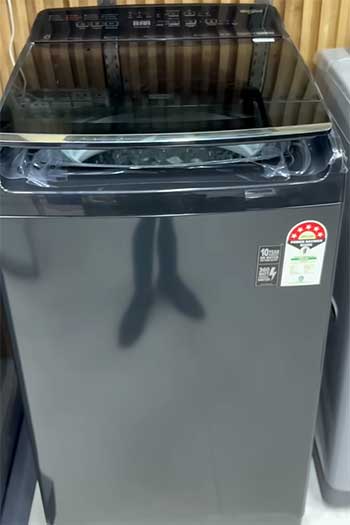
- Exceptional long-term reliability: Whirlpool machines consistently rank among the most reliable on the market. Consumer surveys repeatedly show Whirlpool washing machines outlasting competitors by several years when properly maintained. The 12–15 year average lifespan is well-documented.
- Extensive service network: This is huge and often overlooked. Because Whirlpool is such a dominant player in the US market, finding a certified repair technician is almost never a problem. Parts are widely available, often in stock at local appliance stores, and labor costs tend to be more competitive.
- Straightforward user experience: There’s something genuinely appealing about a washing machine that doesn’t require you to read a 40-page manual before doing your first load. Whirlpool’s controls are intuitive and accessible for all age groups.
- Strong value at mid-range price points: You get a lot of washing machine for your money with Whirlpool. Their mid-range models — typically priced between $700 and $1,100 — offer excellent capacity, solid feature sets, and proven reliability without the premium price tag of higher-end brands.
- Better water temperature control: For households that deal with allergies, baby items, or heavily soiled work clothes, Whirlpool’s more nuanced temperature settings are a practical advantage.
- Load & Go detergent dispenser: Filling your detergent dispenser once every 40 loads is a quality-of-life improvement that’s genuinely hard to go back from once you’ve used it.
Cons
- Less impressive smart features: If you’re a tech enthusiast who wants deep smart home integration, Whirlpool is going to feel a bit behind the curve. Their app works, but it doesn’t have the polish or depth that Samsung brings to the table.
- Higher noise levels on top-loaders: Whirlpool top-loading machines, particularly those with traditional agitators, can get noticeably loud during spin cycles. This isn’t a dealbreaker for everyone, but if you have an open-plan home or want to run a cycle overnight, it can be a genuine nuisance.
- Design aesthetics: This is subjective, but Whirlpool machines tend to look more utilitarian than stylish. If you have a laundry room that you’ve put thought into designing, a Whirlpool machine might not win any points for curb appeal.
- Heavier machines: The robust build that makes Whirlpool reliable also makes their machines heavier and harder to move. If you’re in a space where installation access is tricky, this can be a logistical headache.
- Slower to adopt new washing technologies: Whirlpool tends to iterate on existing technologies rather than introduce genuinely new ones. If you want cutting-edge features, you’ll often find Samsung introducing them first.
Also Read: Comparison of True Fresh And Affresh Washing Machine Cleaner Tablets.
Samsung Washing Machines: Key Features
Samsung comes to the laundry room the same way they approach every product category — loaded with features, beautifully designed, and aggressively innovative.
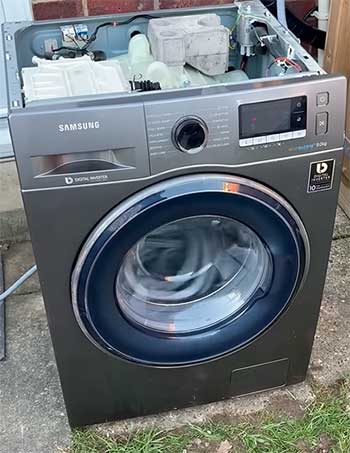
- EcoBubble Technology: This is Samsung’s signature washing innovation, and it genuinely works. EcoBubble mixes air, water, and detergent together to create a bubble-infused solution before the wash cycle begins. This pre-dissolved detergent penetrates fabric fibers up to 40 times faster than conventional methods, which means effective cleaning even at lower water temperatures — saving energy without sacrificing results.
- AI-Powered Wash Cycles: On Samsung’s higher-end models, the washing machine uses artificial intelligence to recommend the optimal wash cycle based on the load you’ve selected. It analyzes load weight, fabric type (when combined with compatible dryers), and even your washing history to get the best results.
- Digital Inverter Motor: Samsung’s inverter motor is quieter, more energy-efficient, and longer-lasting than conventional motors. In many markets, Samsung backs this motor with a 10-year warranty, which speaks to their confidence in its durability.
- VRT Plus (Vibration Reduction Technology): Samsung’s VRT Plus system uses sensors and counterweights to dramatically reduce vibration and noise during the spin cycle. The result is one of the quietest washing machine experiences in the industry — you can genuinely run a Samsung washer in a bedroom-adjacent laundry room at night without disturbing anyone.
- SmartThings Integration: Samsung’s SmartThings ecosystem is one of the most fully developed smart home platforms in the world, and their washing machines plug into it seamlessly. You can control your wash remotely, receive cycle completion alerts, and even have your washer communicate with your dryer for optimized back-to-back cycles.
- Self-Clean+ Drum Cleaning: Samsung’s Self-Clean+ system cleans the interior of the drum without the need for harsh drum-cleaning tablets or chemicals. The machine notifies you every 40 cycles that it’s time to run the drum clean, which helps prevent mold and odor buildup in the tub.
- AddWash Door: Available on select Samsung front-loading models, the AddWash door is a small secondary door on the main door that lets you add forgotten items — a sock, a shirt — mid-cycle without stopping the wash completely. It’s a small feature but one that people who use it absolutely swear by.
- Multiple Wash Programs and Quick Wash: Samsung typically offers 12–16 wash programs including a 15-minute Quick Wash for lightly soiled items, a Super Speed wash that completes a full load significantly faster than a standard cycle, and specialized programs for bedding, sportswear, wool, and more.
- Large Capacity Front and Top Loaders: Samsung’s front-loading machines go up to 5.0 cubic feet, and their top-loaders reach up to 6.0 cubic feet — among the largest capacities available in the consumer market. For large families or households that deal with bulky items regularly, this extra space is significant.
Samsung Washing Machines: Pros and Cons
Pros
- Industry-leading quiet operation: The combination of Samsung’s Digital Inverter Motor and VRT Plus technology makes their machines genuinely among the quietest in the entire washing machine market. For apartment dwellers, night-shift workers, or anyone with a laundry room near living spaces, this is a serious quality-of-life advantage.
- Advanced technology and innovation: Samsung consistently introduces washing machine technologies that the industry eventually adopts more broadly. EcoBubble, AI wash recommendations, and SmartThings integration are all features that genuinely add value — not just marketing fluff.
- Excellent energy efficiency: EcoBubble’s ability to clean effectively at low temperatures means Samsung machines use less energy on a per-cycle basis than many competitors. Over the lifetime of the machine, this translates into meaningful savings on your electricity and water bills.
- Sleek, premium aesthetic: Samsung machines look great. The matte black finishes, the minimalist control panels, the matching washer-dryer pairs — they’re appliances that can make a laundry room look like a showroom. If aesthetics matter to you, Samsung delivers.
- Large drum capacities: Samsung’s top-loading machines with 5.5–6.0 cubic foot drums are among the largest in the industry, making them ideal for large households that need to process big loads efficiently.
- Excellent smart home ecosystem: If you’re already invested in Samsung’s SmartThings ecosystem, adding a Samsung washing machine creates a genuinely integrated experience. The machine communicates with other devices, provides useful notifications, and can even be controlled via voice commands through compatible smart speakers.
Cons
- Higher price point: Samsung’s feature-rich machines command a premium price, particularly at the top end of their range. Their high-end front-loaders regularly exceed $1,500–$2,200, which is a significant investment.
- Reliability concerns compared to Whirlpool: This is Samsung’s biggest weakness in the washing machine category. Consumer reliability surveys consistently show Samsung below brands like Whirlpool and LG for long-term reliability. Electronic components and control boards are the most commonly cited failure points.
- More complex repairs: When a Samsung washing machine does need service, finding qualified technicians and sourcing parts can be more challenging than with Whirlpool — especially in rural or smaller markets. The advanced electronics also mean that repairs can be more expensive when they do occur.
- Learning curve for full feature utilization: There are users who spend months with a Samsung washing machine before they fully understand all of its features. The control panel, while attractive, can feel overwhelming at first. If you prefer simplicity, this can be frustrating.
- Shorter average lifespan: Samsung washing machines typically last 10–13 years compared to Whirlpool’s 12–15 year average. Over the course of your lifetime, this could mean replacing your Samsung machine one or two times more than you would a comparable Whirlpool.
- Software/firmware dependency: The smart features that make Samsung machines appealing also create a dependency on software. If Samsung discontinues support for an older model’s app connectivity, some features may stop working entirely — a concern that doesn’t apply to Whirlpool’s simpler, more mechanical designs.
Which One Should You Actually Buy?
Here’s the bottom line, and I’ll be direct with you.
Choose Whirlpool if:
- Reliability and longevity are your top priorities
- You want easy, affordable repairs when something goes wrong
- You prefer simple, intuitive controls without a tech learning curve
- You have a large family with heavy-duty, heavily soiled laundry needs
- You want strong value at a mid-range price point
Choose Samsung if:
- Smart home integration and advanced technology matter to you
- Quiet operation is a non-negotiable requirement
- Energy efficiency and eco-conscious washing are priorities
- You appreciate premium aesthetics and modern design
- You wash a lot of delicates or mixed fabric loads
Both brands make genuinely excellent washing machines. The right choice depends entirely on what you value most in a washing machine — and now you have everything you need to make that call with confidence.
Also Read: Comparison of Affresh And Vinegar For Washing Machine Cleaners.
Frequently Asked Questions (FAQ)
Whirlpool wins on reliability and repairability; Samsung wins on smart features and quiet operation. For most households, Whirlpool offers better long-term value.
Whirlpool is better for durability and low maintenance costs. Samsung is better for technology and aesthetics. Your lifestyle determines the winner.
Whirlpool consistently ranks among the most reliable washing machine brands, alongside LG, based on consumer surveys and long-term ownership data.
Whirlpool suits most everyday households best. Samsung is the stronger pick for tech-forward users who want smart features and premium design.
Wrapping Up
At the end of the day, both Whirlpool and Samsung make washing machines worth serious consideration — but they’re built for different kinds of people. If you want a machine that quietly does its job for fifteen years without drama, Whirlpool is your answer.
If you want a washer that feels like it belongs in the future — smart, quiet, and packed with features — Samsung is the one to go with. You now have the full picture. Trust your priorities, set your budget, and make the call that fits your home and your life.
Either way, you’re not making a bad choice — you’re making an informed one.