
In my years of hands-on home projects, from small bathroom makeovers to full kitchen remodels, I’ve learned that picking the right wall and backer material can make or break the final result.
That’s why I put this comparison together: to walk you through cement board versus gypsum board so you can choose what actually fits your space, budget, and long-term needs.
I focus on real-world performance, not just specs, because I’ve installed both and seen how they hold up over time. By the end, you’ll know exactly when one outshines the other for your next job.
| Aspect | Cement Board | Gypsum Board |
| Main Material | Portland cement, sand, and fiberglass mesh | Gypsum core between paper layers |
| Water Resistance | Excellent – handles constant moisture | Poor – absorbs water easily |
| Fire Resistance | Good but not rated as high | Excellent – slows fire spread |
| Strength and Durability | Very high – resists impacts and mold | Moderate – dents and crushes easily |
| Weight per Sheet | Heavy (around 50-70 lbs for 4×8) | Lightweight (around 35-50 lbs for 4×8) |
| Cost per Sheet | Higher upfront ($30-60) | Lower ($10-25) |
| Installation Ease | Requires special tools and screws | Simple – standard screws and tape |
| Best For | Wet areas, tile backers, exteriors | Dry interior walls and ceilings |
| Longevity in Humid Spots | 20+ years with no issues | 5-10 years before potential failure |
| Sound Insulation | Decent but not specialized | Better natural damping |
Key Differences Between Cement Board And Gypsum Board
- Composition sets them apart right from the start because cement board uses a concrete-like mix that laughs at water while gypsum relies on a soft mineral core wrapped in paper that drinks it up like a sponge.
- Water handling changes everything in practice since cement board shrugs off daily splashes in a shower without swelling, but gypsum board will bubble and soften after one forgotten drip behind a sink.
- Strength under pressure shows in daily life where cement board takes hammer hits or tile weight without denting, whereas gypsum board caves in from a bumped elbow and leaves a permanent reminder.
- Installation tools and techniques differ sharply because you score and snap gypsum with a knife in seconds, but cement board demands a diamond blade wet saw and specific corrosion-resistant screws to avoid future rust spots.
- Cost over the full project lifecycle flips the script since gypsum saves money today but may force expensive tear-outs later in wet zones, while cement board costs more now yet pays for itself by staying intact for decades.
- Weight affects everything from carrying sheets up stairs to the load on your framing studs, with gypsum keeping things light and easy but cement demanding muscle and sometimes extra bracing.
- Fire performance favors gypsum in code-required walls because it actively slows flames with vapor release, though cement board still offers solid protection in non-rated areas like utility rooms.
- Long-term maintenance load feels lighter with cement board because you set it and forget it behind tile, but gypsum needs regular checks for soft spots or cracks that appear after seasonal humidity shifts.
- Environmental impact varies by use because gypsum recycles easier in dry applications yet fails faster in moisture, creating more landfill waste over time, while cement board’s durability reduces replacement frequency.
- Aesthetic flexibility leans toward gypsum for painted walls since it finishes butter-smooth, but cement board excels when hidden behind tile or stone where its rugged nature becomes a hidden strength instead of a visible drawback.
- Sound and thermal qualities trade off because gypsum naturally damps noise between floors better, yet cement board holds steady in humid heat without expanding or contracting like paper-faced options sometimes do.
Key Features of Gypsum Board
- The core is made from gypsum, a soft mineral that gives the board its smooth, paint-ready surface right out of the package, which means you spend less time prepping walls for that perfect finish in living rooms or bedrooms where looks matter most.
- Paper facing on both sides creates a lightweight panel that one person can easily lift and hang solo, saving you hours on big ceiling jobs or tight hallways where extra hands just aren’t available.
- It offers solid fire resistance because the gypsum releases water vapor when heated, slowing flames and buying critical time in a house fire, something I’ve appreciated in older homes during inspections.
- Standard sizing like 4×8 sheets or 4×12 for taller walls fits most stud layouts without crazy cuts, letting you cover large areas fast and keep your project timeline on track.
- It provides decent sound dampening between rooms thanks to the dense core, which helps in apartments or family homes where you don’t want every footstep echoing through the floor above.
- Easy to score and snap with a utility knife means no heavy power tools for basic cuts, so even weekend warriors like me can finish a room without renting expensive saws.
- It accepts paint, texture, or wallpaper directly after taping and mudding, turning a plain wall into a polished feature in just a couple of days once the seams are smooth.
- Availability is everywhere from big-box stores to local suppliers, so you never scramble for stock mid-project and can grab extras on the fly if you miscalculate a measurement.
Pros of Gypsum Board
- Affordability stands out as the biggest win because you get full wall coverage for a fraction of the price, leaving more cash for fixtures or finishes that really make the space pop.
- Speed of installation feels like a breeze since the boards go up quickly with basic screws, and joint compound dries fast enough that you can sand and paint the same weekend.
- Lightweight design reduces strain on your back and the framing studs, which matters when you’re working alone or tackling high ceilings without scaffolding.
- Versatility shines in dry interior spaces where you need clean lines and easy repairs – a small dent from moving furniture fixes with a patch kit in under an hour.
- Fire-retardant properties add peace of mind without extra cost, especially in older houses where code upgrades are on your mind but budget is tight.
- Smooth surface ready for decoration means you skip extra priming steps, letting your chosen paint color show true and vibrant from the first coat.
- Good thermal insulation helps keep heating and cooling bills lower by trapping air pockets inside the core, something I’ve noticed in winter energy readings after full installs.
- Recyclability at many facilities makes it a practical choice if you’re tracking waste on a green-conscious project, and scraps can often be reused for small patches elsewhere.
Cons of Gypsum Board
- Moisture vulnerability ruins projects fast because even a small leak from a pipe or condensation turns the paper soft and the core into mush, leading to sagging ceilings I’ve replaced twice in the same bathroom.
- Impact damage shows up easily from everyday bumps, so kids’ playrooms or high-traffic hallways end up with visible dings that require frequent patching and repainting.
- Mold growth becomes a hidden nightmare in humid climates since the organic paper facing feeds spores, forcing full wall replacements that cost more in the long run than preventive choices.
- Limited structural strength means it can’t support heavy tile or stone directly, so you need an extra layer or different material if you’re planning a tiled accent wall.
- Sound transmission can be an issue without added insulation, letting voices or TV noise carry between rooms more than you’d expect in a quiet home setup.
- Cutting produces fine dust that gets everywhere and irritates lungs, requiring masks and vacuuming that adds cleanup time I always underestimate.
- Not suitable for exterior or wet zones without heavy coatings, which limits its use and forces you to switch materials mid-project if plans change.
- Over time in high-humidity areas the edges can swell slightly, creating visible seams that crack and need repeated attention even after professional taping.
Key Features of Cement Board
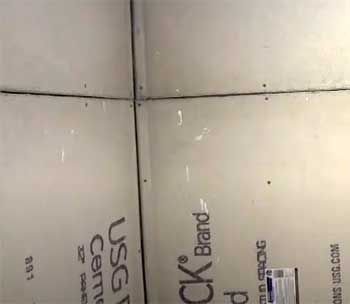
- Cement-based core mixed with sand and reinforced by fiberglass mesh gives it rock-solid rigidity that stays flat and stable even when temperatures swing wildly from summer heat to winter cold.
- Built-in moisture barrier repels water completely, so you can tile directly over it in showers or behind sinks without worrying about hidden leaks eating away at the structure years later.
- Mold and mildew resistance comes standard because there’s nothing organic for spores to eat, keeping bathrooms and laundry rooms looking fresh long after the install.
- High compressive strength handles the weight of ceramic or porcelain tile without flexing, which prevents grout cracks and keeps your investment looking sharp for decades.
- Fire resistance holds up well in high-heat areas like around fireplaces or wood stoves, though it’s not the primary fire-stop material in most codes.
- Uniform thickness across sheets ensures level surfaces for tile or stone, reducing lippage issues that frustrate installers and homeowners alike.
- Compatibility with thin-set mortar and screws designed for cement creates a rock-hard bond that feels permanent once set.
- Durability against impacts means it shrugs off accidental knocks from tools or furniture, saving you repair headaches in busy family spaces.
Also Read: Top CraneBoard Siding Problems.
Pros of Cement Board
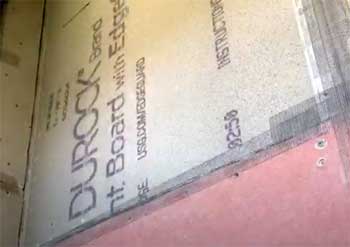
- Superior water performance lets you tackle any wet area with confidence, from full shower enclosures to kitchen backsplashes, without the constant fear of future water damage creeping in.
- Long lifespan in tough conditions stretches your renovation dollars because one install lasts 20 years or more, cutting down on repeat visits to fix sagging or crumbling walls.
- Mold resistance keeps indoor air healthier by stopping the growth that triggers allergies or musty smells, something I’ve seen improve family comfort after switching from older materials.
- Tile adhesion is unmatched since the textured surface grips mortar tightly, reducing the chance of loose tiles that pop off and create trip hazards.
- Structural support for heavy finishes means you can use real stone or large-format tiles without extra framing, opening up design options that gypsum simply can’t match.
- Stability in temperature changes prevents warping or cracking that ruins alignments in sun-exposed rooms or areas near heating vents.
- Low maintenance once installed means you wipe it down like any other surface and forget about it, freeing up time for enjoying your space instead of babysitting repairs.
- Versatility across interior and some exterior applications expands your options, like using it on garage walls or covered porches where weather exposure is occasional but still present.
Cons of Cement Board
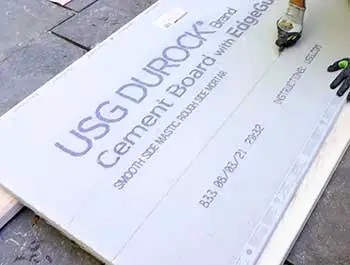
- Higher upfront cost adds up quickly on larger jobs, so a full bathroom might run double the material budget compared to basic alternatives, stretching tight renovation funds.
- Heavy weight makes handling a two-person job for most sheets, slowing down solo DIYers and requiring careful planning to avoid back strain or dropped panels.
- Dust from cutting is coarser and more abrasive than gypsum dust, demanding a wet saw or good ventilation setup that adds time and equipment needs to every project.
- Special fasteners and screws are mandatory because regular drywall screws pull out or corrode, forcing you to buy extra hardware that isn’t always stocked locally.
- Harder surface feels less forgiving during install, so small alignment mistakes show up more and require extra shimming or adjustments before tiling.
- Limited paintability without special primers means extra steps if you want a painted finish instead of tile, adding labor that some homeowners overlook until it’s too late.
- Sound transmission can feel harsher without added insulation layers, making it less ideal for quiet bedrooms where you want maximum noise control.
- Availability of matching accessories like corner beads or edge trim isn’t as widespread, sometimes requiring online orders that delay your timeline by days or weeks.
Making The Choice For Your Specific Project
I weigh three things every time: how much moisture the area sees daily, what finish I’m applying on top, and how long I want to walk away from the job without future repairs. For a living room accent wall gypsum keeps things simple and budget-friendly.
For a master bath floor-to-ceiling tile job cement board becomes non-negotiable because the alternative risks thousands in water damage claims later.
Your situation might blend both – many of my recent kitchens use gypsum on upper walls and cement board only behind the sink and stove for the perfect balance of cost and performance.
Also Read: Differences Between CraneBoard Siding And Hardie Board.
Frequently Asked Questions (FAQ)
It costs more, weighs a lot more, creates heavy dust when cut, and needs special screws and tools that add time to every step.
It resists water and mold completely, supports heavy tile without cracking, and lasts decades longer in wet areas where drywall would fail quickly.
Yes, it handles impacts, weight, and moisture far better without denting, swelling, or crumbling under everyday stress.
No, you must use special corrosion-resistant screws spaced correctly and often predrill holes to avoid cracking the sheet or future rust issues.
Wrapping Up
I’ve walked you through every angle I consider when standing in the aisle deciding what to load into my truck. Now it’s your turn to look at your own walls, your own budget, and your own timeline.
Picture the finished room you want five years from now – does it stay flawless behind tile in a steamy shower or hold a fresh coat of paint in a quiet bedroom?
Choose gypsum when speed, lightness, and low cost rule the day. Pick cement board when durability and moisture are the real bosses in the room. Either way, you’ll finish stronger because you matched the material to the job instead of hoping one size fits all.
Your future self will thank you every time you glance at those walls and see them still looking exactly as good as the day you wrapped the project.