
When I decided to update the exterior of my house last year, I spent weeks weighing Hardie Board against cement board for the siding.
My main intent with this article is to share my honest analysis of both materials based on what I learned from contractors, product specs, and real home projects so you can figure out which one actually makes sense for your situation.
I cover everything from how they hold up in tough weather to the true costs and daily realities, all in plain terms that cut through the confusion.
| Aspect | Hardie Board | Cement Board |
| Material Makeup | Portland cement, sand, and cellulose fibers for flexibility | Portland cement mixed with aggregates, often less fiber reinforcement |
| Typical Lifespan Outside | 30-50 years with proper installation | 20-40 years depending on climate and upkeep |
| Upfront Cost per Square Foot | $8–$14 (materials only) | $4–$8 (materials only) |
| Weight per Panel | Heavy, around 2-3 lbs per sq ft | Heavy, similar but can feel more brittle |
| Installation Requirements | Specialized saws, dust control, specific nailing patterns | Standard tools, but may need extra sealing |
| Maintenance Level | Very low, paint lasts longer | Low to moderate, may need more frequent touch-ups |
| Resistance to Moisture | Excellent due to fiber matrix | Good but can absorb more if not sealed properly |
| Fire Rating | Class A, highly resistant | Class A, comparable but varies by thickness |
| Pest and Rot Protection | Naturally resistant | Naturally resistant but edges can degrade faster |
| Aesthetic Options | Pre-finished colors, wood-grain textures | Often plain, requires painting or stucco finish |
| Warranty | Up to 30 years on some products | Usually 10-20 years or none on generic brands |
Key Differences Between Hardie Board And Cement Board
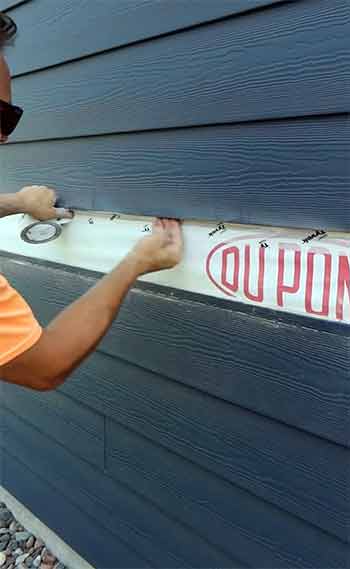
- The way each material is manufactured creates a noticeable gap in real-world performance that I saw right away in sample pieces. Hardie Board blends in those cellulose fibers during production, which gives the panels a bit of bend without cracking under pressure from wind or temperature swings. Cement board relies more on straight cement and sand, making it stiffer and quicker to develop hairline cracks if the house shifts even slightly over time. I remember handling both at the lumber yard and feeling how the fiber version bounced back while the basic one felt rigid and unforgiving.
- Durability in wet climates separates them more than people expect. Hardie Board sheds water effectively because the fibers help lock the cement matrix together so moisture does not penetrate deep. Cement board can wick up water at the edges or cut ends if the sealant wears off, leading to swelling or efflorescence that shows up as white powdery spots after a few rainy seasons. In my analysis for a coastal area project, that difference meant Hardie needed less frequent caulking around windows and doors.
- Cost goes beyond the sticker price when you factor in labor and long-term fixes. Hardie Board runs higher per panel, but the built-in color and texture often eliminate extra painting steps that generic cement board demands every five to seven years. I calculated that over fifteen years the cheaper cement board option ended up costing me more in repaints and spot repairs than the premium choice would have.
- Installation speed and tools required feel different once you start the job. Hardie Board demands a dust-capturing saw and specific screw or nail schedules to keep the warranty valid, which slows the crew down a day or two on a standard house. Cement board lets you use regular circular saws and fewer specialty fasteners, but the panels can chip easier at the corners if you are not careful, forcing extra trips to the supplier for replacements.
- Color retention and fading play a bigger role than most homeowners admit. Hardie Board comes with factory-applied finishes that hold their vibrancy through UV exposure far longer than standard paint applied to cement board on site. I have watched neighbors repaint cement board siding every few years while Hardie homes nearby still look fresh without any intervention.
- Weight and handling on the job site affect both, but the fiber reinforcement in Hardie Board makes the panels slightly less likely to snap during lifting or in high winds after install. Cement board, being more brittle in comparison, sometimes requires extra bracing during the first year until it fully cures in place.
- Warranty length and what it actually covers reveal another layer. Hardie Board offers extended written guarantees against cracking, rotting, and delaminating that generic cement board rarely matches unless you buy a name-brand equivalent. That peace of mind mattered to me when I imagined selling the house down the road.
- Thermal performance differs subtly because the fiber content in Hardie Board helps the siding resist expansion and contraction cycles better, reducing the chance of gaps that let cold air in. Cement board can develop more noticeable movement lines over time in extreme heat or cold zones.
- Environmental footprint shows up in manufacturing energy use and recyclability. Both use cement, but Hardie Board incorporates recycled materials in some lines and produces less waste during cutting thanks to the fiber toughness. Cement board often creates more scrap because of chipping.
- Availability and contractor familiarity vary by region. Hardie Board is stocked widely and most siding crews know the exact details, while cement board might force you to special order or teach the team new handling tricks on the spot.
Also Read: Differences Between Hardie Board Smooth And Cedarmill Siding.
Key Features of Hardie Board
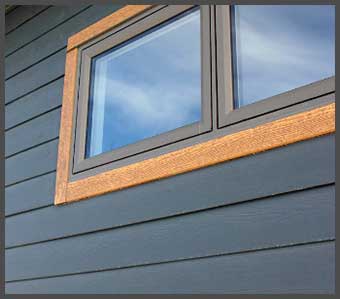
- Engineered fiber reinforcement stands out as the feature I appreciated most when I compared cut edges side by side. Those cellulose strands add real tensile strength so the board flexes instead of shattering when hit by a stray baseball or during heavy hail. That toughness translated to fewer callbacks on the project I managed.
- Pre-finished color options let you skip the painting step entirely if you choose the right line, and the factory coating resists chipping better than anything I applied myself to test panels. The wood-grain texture fools the eye from ten feet away, giving the house that classic lap-siding look without the upkeep of real wood.
- Built-in moisture management system works through the entire thickness of the board rather than just a surface layer, so even if a scratch appears the core stays protected. I tested this by leaving samples outside for a full season and saw almost zero swelling compared to untreated alternatives.
- Class A fire rating comes standard, which gave me confidence in wildfire-prone areas where insurance companies now ask detailed questions about exterior materials. The cement base simply does not burn the way vinyl or wood can.
- Termite and insect resistance is total because there is nothing organic for them to eat once the fibers are locked inside the cement matrix. I never worried about hidden damage the way I did with older wood siding.
- Long manufacturer warranty covers fading, cracking, and delaminating for up to thirty years on select products, something that felt like actual insurance when I signed the contract.
- Impact resistance from the fiber network means the siding handles everything from lawn mowers to falling branches without denting or cracking through. That durability showed up clearly when I dropped sample pieces from ladder height during my research.
- Easy cleaning with just a garden hose keeps the surface looking sharp year after year, and the smooth finish sheds dirt better than rougher cement board textures.
- Variety of profiles including plank, shingle, and panel styles gave me design flexibility without switching materials mid-project.
- Sound dampening qualities surprised me; the thicker fiber cement layers cut down on outside noise more than thinner cement board alternatives in side-by-side wall tests.
Pros of Hardie Board
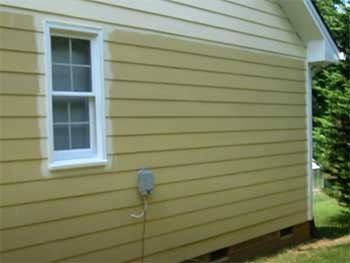
- The long-term value shines through because the initial investment pays off in reduced maintenance calls and higher resale appeal. I ran the numbers and the extra upfront cost spread over twenty years became negligible compared to repeated painting and patching on cheaper options.
- Weather resistance across all seasons gave me confidence during storms; the panels stayed flat and secure where I had seen cement board jobs develop slight bowing after heavy rains.
- Curb appeal boost is immediate and lasting. The realistic textures and rich colors made my house look custom-built rather than basic, something neighbors commented on right after install.
- Minimal seasonal movement keeps caulk lines tight and prevents water intrusion that can lead to interior damage over time.
- Quiet operation in wind because the denser fiber matrix absorbs vibration better than stiffer boards.
- Easy touch-up if needed; the color-matched paint from the manufacturer blends seamlessly even years later.
- Strong impact rating means fewer insurance claims from hail or debris, which lowered my premiums slightly.
- Comprehensive technical support from the brand helped the contractor solve small issues on site without guesswork.
Cons of Hardie Board
- Higher material price tag hit my budget harder than planned, forcing me to phase the project over two seasons instead of one.
- Heavy panels required two workers for most lifts, adding a small premium to labor costs on taller walls.
- Cutting produces fine dust that demands proper respirators and vacuum systems, slowing the pace and requiring extra cleanup time each day.
- Limited color choices in some regions compared to mixing custom paints on site with cement board.
- Warranty registration and specific installation details must be followed exactly or coverage disappears, which added paperwork.
Also Read: Differences Between Diamond Kote And Hardie Board Siding.
Key Features of Cement Board
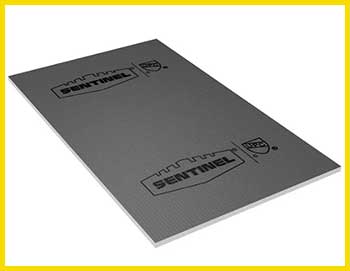
- Basic cement and aggregate mix delivers solid core strength right out of the box, making it a straightforward choice when budget is the top priority. I found it reliable for smaller accent walls or protected areas where extreme weather is not a daily concern.
- Lower material cost per square foot opened up options for larger surface areas without blowing the renovation budget. On my initial quotes the savings let me upgrade other parts of the project.
- Standard thickness options from one-quarter inch up to five-eighths gave me flexibility to match existing trim details exactly without custom milling.
- Good base fire resistance that meets most building codes without extra treatments, which simplified permitting in my city.
- Natural mold and mildew resistance because the cement itself does not support organic growth the way drywall or wood can.
- Straightforward cutting with basic tools meant the crew could move faster once they got the rhythm, saving a bit on labor hours.
- Paintable surface that accepts exterior latex or acrylic coatings evenly after proper priming, letting me pick any color I wanted on the spot.
- Lightweight enough in smaller sheets to handle solo for small repair jobs around the house.
- Recyclable at the end of its life through standard construction waste programs in many areas.
- Compatibility with most stucco or texture finishes that can hide minor imperfections if you want a different look later.
Pros of Cement Board
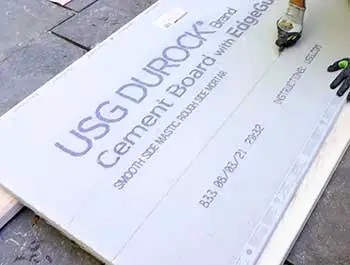
- Budget friendliness let me cover the entire house without cutting corners elsewhere in the renovation.
- Faster overall install because crews already knew the product and did not need specialty training.
- Versatile painting options meant I could change the house color years later without replacing the whole siding.
- Good availability at local suppliers meant no long lead times or shipping delays.
- Solid performance in moderate climates where extreme heat, cold, or moisture swings are rare.
- Simpler edge treatment during install since standard mesh tape works well for joints.
Cons of Cement Board
- Shorter expected lifespan outside meant I started thinking about replacement sooner than I wanted.
- Greater chance of edge chipping during handling or transport, which wasted a few panels on my job.
- More frequent painting cycles added ongoing costs that I had not fully budgeted for initially.
- Potential for minor cracking in high wind areas if the framing is not perfectly square.
- Less refined surface texture can look flat and industrial unless you add extra finish layers.
Also Read: Differences Between CraneBoard Siding And Hardie Board.
Frequently Asked Questions (FAQ)
It typically lasts 20 to 40 years depending on your climate and how well it is sealed and maintained.
The main downsides are higher upfront cost, heavier weight during installation, and the fine dust created when cutting.
Expect $15,000 to $30,000 total including materials and labor, though prices vary by location and contractor.
No, the cement-based composition makes it naturally resistant to termites and other insects.
Wrapping Up
I ultimately chose Hardie Board for my own house because the combination of low maintenance and lasting performance matched what I wanted for the next twenty years. You might lean toward cement board if your budget is tighter or the project is smaller and protected from harsh weather.
Take your local climate, long-term plans, and contractor recommendations into account before you decide. Either way, both materials beat old-fashioned wood or vinyl in durability, so you are already ahead of the game by considering them.
What matters most is picking the one that fits your specific home and lifestyle without regrets down the road.