
I’ve spent time digging into HVAC options for my own place and helping friends pick systems that actually last.
When it comes to Ruud versus Carrier, both deliver solid cooling and heating, but they shine in different ways depending on your budget, priorities, and home setup.
In this article, I break down everything from efficiency and durability to real-world performance so you can decide what fits your needs best. I’ll share what stands out to me as a homeowner who values reliability without overspending.
| Feature | Ruud | Carrier |
| Price Range (installed) | Generally more affordable | Premium pricing |
| Efficiency (SEER2) | Up to 20+ in top models | Up to 24+ in Infinity series |
| Durability/Protection | Louvered coil guards (strong) | Wire guards (standard) |
| Noise Levels | Very quiet, especially higher models | Among the quietest overall |
| Warranty | Strong 10-year parts/compressor | 10-year with registration |
| Best For | Value, reliability on a budget | Advanced tech, maximum efficiency |
| Serviceability | Easy for techs, good parts access | Wide dealer network |
Key Differences Between Ruud And Carrier
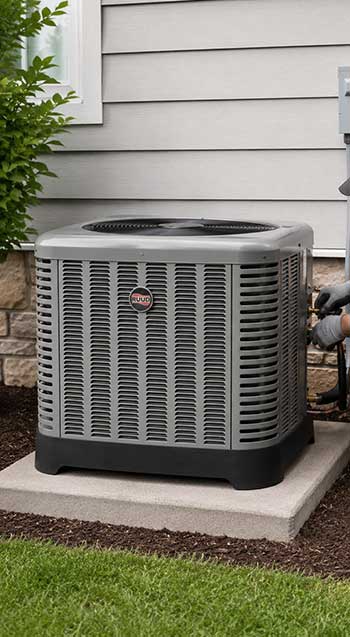
- Build Quality and Outdoor Protection: Ruud stands out with its louvered coil guards that shield the vital components from leaves, hail, branches, and even small animals far better than standard setups. Carrier relies more on wire-style guards, which provide basic protection but can get damaged or allow more debris through over time, potentially leading to earlier coil issues in tough weather.
- Pricing Strategy and Overall Value: Ruud consistently positions itself as the stronger value player, offering comparable performance and features at a noticeably lower installed cost. Carrier charges a premium that reflects its brand heritage and advanced engineering, which can make sense for those seeking top specifications but stretches budgets for standard needs.
- Efficiency Ratings Versus Real-World Results: Carrier often claims higher maximum SEER ratings in its flagship lines, promising bigger energy savings on paper. Ruud delivers very competitive efficiency that frequently translates to excellent monthly bill reductions, especially when you consider the lower upfront investment.
- Technology and Smart Home Integration: Carrier leads with sophisticated variable-speed technology and seamless smart controls in its Infinity series. Ruud provides capable smart features through its EcoNet platform but keeps many models more straightforward and user-friendly without layers of complexity.
- Warranty Coverage and Longevity Expectations: Both brands back their units with solid 10-year warranties on parts and compressors when properly registered. Ruud often feels like it gives more peace of mind per dollar spent, while Carrier’s reputation adds confidence for long-term ownership.
Key Features of Ruud HVAC Systems
Ruud has impressed me with practical engineering that prioritizes longevity and ease of ownership. Here is what stands out in detail:
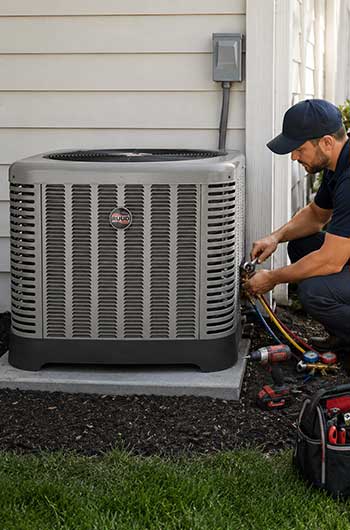
- PlusOne expanded valve space and triple service access panels that let technicians reach key components quickly, cutting down on labor costs during routine maintenance or repairs over the 15+ year lifespan.
- EcoNet smart controls available on premium models, allowing phone-based monitoring, scheduling, and alerts so you can adjust temperatures remotely and catch small issues before they grow.
- HumidiDry technology in select cooling units that removes significantly more moisture from the air, creating a more comfortable indoor environment especially in sticky, humid regions where mold and discomfort become problems.
- Reliable scroll compressors paired with sound-dampening materials that keep units operating quietly during peak summer days without sacrificing cooling power.
- Variable-capacity options in the Ultra series that fine-tune output to match your home’s exact needs, reducing temperature swings and improving overall efficiency.
- Heavy-duty cabinets with corrosion-resistant materials and coils designed to withstand rain, snow, salt air, and intense sun exposure better than their price suggests.
- Multiple ENERGY STAR qualified models across different series that help you qualify for utility rebates and tax credits while lowering long-term operating expenses.
- Straightforward single-stage and two-stage configurations that deliver dependable performance without unnecessary complications, making them favorites among service technicians.
I appreciate that Ruud focuses on features that solve everyday homeowner problems rather than chasing every possible gadget.
Pros of Choosing Ruud
Ruud shines as a practical choice that delivers where it counts without breaking the bank. Let me walk you through the advantages I see in more depth:
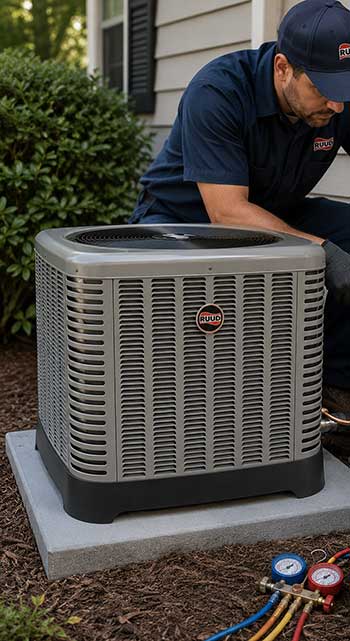
- Excellent overall value for money because you receive robust performance, strong protection features, and solid efficiency at a price that leaves room in your budget for other home improvements.
- Superior coil protection through louvered designs that meaningfully reduce the risk of damage from outdoor elements, helping the system maintain peak performance longer in real-world conditions.
- Consistently quiet operation across Achiever and Ultra lines, making these units suitable for homes with outdoor living spaces, bedrooms near the condenser, or noise-sensitive neighborhoods.
- Strong reliability reputation with fewer unexpected breakdowns reported by long-term users when the system receives basic annual maintenance.
- Highly serviceable design that technicians genuinely appreciate, resulting in faster visits and lower hourly labor charges over the years.
- Effective humidity control capabilities that go beyond basic cooling, improving indoor air quality and reducing that clammy feeling many experience in summer.
- Competitive and straightforward warranty terms that provide genuine confidence without complicated fine print on comparable models.
- Lower total cost of ownership thanks to affordable parts, good efficiency, and reduced service expenses that add up significantly over a decade or more.
- Broad compatibility with existing ductwork in most homes, which can save you from expensive modifications during replacement projects.
- Proven ability to perform reliably across different climates, from hot Southern summers to colder Northern winters with appropriate heat pump models.
From my perspective, if you want a system that works hard without flashy extras, Ruud often feels like the smarter long-term pick. Many homeowners report 15 to 20 years of smooth operation.
Cons of Choosing Ruud
No brand is perfect, and here is where Ruud has room to improve based on what I’ve gathered and observed:
- Fewer ultra-premium smart home integrations and automation options compared to what Carrier offers in its highest-end Infinity lineup, which might matter if you have a heavily connected smart home.
- Slightly lower peak laboratory efficiency ratings in entry-level and mid-tier models, although real monthly energy costs often remain very competitive after installation.
- Brand recognition that is strong within the industry but sometimes less dominant in consumer conversations compared to Carrier’s widespread name recognition.
- More limited selection of certain cutting-edge variable-speed configurations depending on your local market and available contractors.
- Dealer and service network that works well in many areas but may not be quite as dense or instantly accessible as Carrier’s in every single region.
- Emphasis on practical simplicity that can feel less exciting if you specifically want the absolute latest technological bells and whistles.
- Occasional reports of marginally higher operating sound in basic single-stage units when placed near windows or patios compared to Carrier’s quietest offerings.
- Parts availability that is generally good but can occasionally take slightly longer in very remote locations compared to the largest national networks.
These drawbacks rarely outweigh the strong value proposition for most average homeowners.
Key Features of Carrier HVAC Systems
Carrier built its reputation on innovation, and their systems reflect that focus. Key highlights include:
- Greenspeed Intelligence and advanced variable-speed compressors that adjust in tiny increments to maintain incredibly precise temperatures and humidity levels throughout your home.
- Industry-leading quiet performance thanks to sophisticated sound blankets, fan designs, and cabinet engineering that make some models nearly inaudible from a short distance away.
- High-efficiency components and coils engineered to achieve top SEER2 ratings, directly translating into measurable reductions on your monthly utility statements.
- Comprehensive smart connectivity options through dedicated apps and compatible thermostats that offer remote control, usage reports, maintenance reminders, and even proactive diagnostics.
- Superior humidity management systems that actively pull excess moisture, creating a drier, more comfortable living space that feels better on your skin and protects belongings.
- Time-tested durable construction backed by over a century of HVAC experience, giving many buyers confidence in long-term reliability.
- Flexible product range spanning Infinity, Performance, and Comfort series so you can match the exact level of features and investment to your household needs.
- Excellent airflow management and even temperature distribution that performs particularly well in larger homes, multi-story buildings, or open floor plans.
- Built-in advanced diagnostic capabilities that help technicians identify and resolve issues faster, minimizing downtime during unexpected problems.
Carrier feels premium because it delivers refined performance that enhances daily living in noticeable ways.
Also Read: My Experience With Arcoaire Air Conditioner.
Pros of Choosing Carrier
Carrier earns loyalty through consistent excellence. Here is why many reach for it:
- Exceptional energy efficiency ratings that can produce the lowest possible operating costs in regions with high electricity prices or very long cooling seasons.
- Among the quietest HVAC systems available, creating a peaceful indoor and outdoor environment that homeowners truly notice and appreciate every day.
- Innovative multi-stage and variable-speed technology that eliminates hot and cold spots while maintaining steady comfort levels even as weather changes.
- Extremely broad product selection that covers every possible budget and performance requirement from reliable basic units to fully smart, high-efficiency solutions.
- Powerful brand reputation built on decades of leadership, which often translates to better resale value when selling your home.
- Outstanding humidity removal that improves perceived comfort and indoor air quality, especially beneficial for families with allergies or in humid climates.
- Dense nationwide network of trained dealers and technicians, which usually means quicker response times and more experienced service when you need help.
- Advanced system diagnostics and monitoring that can prevent minor issues from escalating into costly repairs.
- Reliable heating and cooling performance across extreme temperatures, making Carrier heat pumps and furnaces dependable year-round.
- Smooth, consistent operation that many users describe as noticeably more comfortable than standard single-stage systems from other brands.
If you value cutting-edge comfort and do not mind investing more upfront, Carrier often feels worth every extra dollar spent.
Cons of Choosing Carrier
Even strong performers have trade-offs. These are the common points I note with Carrier:
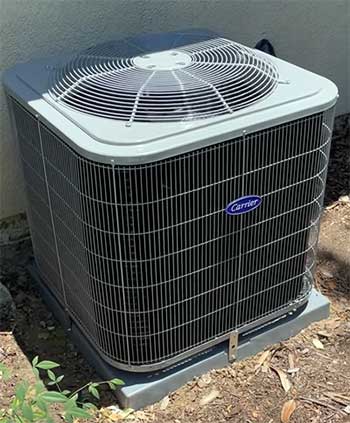
- Significantly higher purchase and professional installation costs compared to Ruud for systems with similar cooling capacity and basic features.
- Premium pricing structure that sometimes makes the additional performance gains feel expensive for smaller homes or those in milder climates.
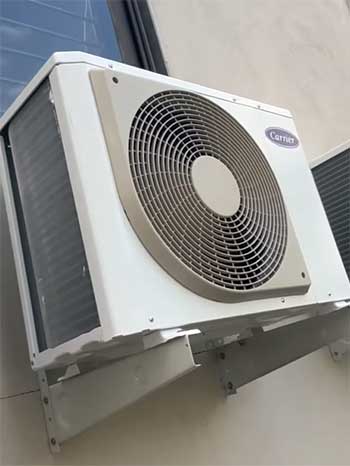
- Standard wire coil guards that offer less robust physical protection against outdoor hazards than Ruud’s louvered panels, potentially requiring more careful placement.
- More complex electronic controls in top-tier models that can result in higher repair costs if something fails after the warranty period ends.
- Potentially elevated costs for certain replacement parts and components over the long run.
- Technology that can feel like overkill for modest homes or regions with short cooling seasons where simpler, reliable units perform sufficiently.
- Longer time required to recoup the higher initial investment through energy savings depending on your local utility rates and usage habits.
- Risk of receiving inflated installation quotes simply because of the brand name in some markets.
These factors make Carrier a bigger financial commitment, so consider them carefully against your specific situation and priorities.
- Which One Should You Pick?
After comparing specs, user feedback, and real performance, I lean toward Ruud if you want outstanding value and reliable operation without overspending.
Go with Carrier when you prioritize the absolute latest technology, quietest performance, and highest efficiency ratings. Your home size, climate, budget, and comfort expectations should guide the final call. Talk to multiple installers and get detailed quotes for both.
Also Read: My Experience With Ducane Air Conditioner.
Frequently Asked Questions (FAQ)
Yes, Ruud is a solid, reliable brand known for good value, durability, and efficient performance without premium pricing.
It depends on needs, but top alternatives include Trane, Lennox, or American Standard for specific strengths like durability or efficiency. Ruud often competes well on value.
Multiply the age of your unit (in years) by the repair cost. If the result exceeds $5000, replacement is usually more cost-effective than repairing.
Carrier, Trane, and Lennox frequently rank among the most trusted due to reputation, innovation, and reliability. Preferences vary by region and priorities.
Final Thoughts
In the end, both Ruud and Carrier can serve you well for years. I hope this breakdown helps you feel confident choosing the right system for your family. What matters most is a properly installed unit that matches your lifestyle.