
I recently stood in my living room, staring at bare windows that let in too much glare during the day and zero privacy at night. After weeks of researching custom window treatments, I narrowed my choices down to two big names: 3 Day Blinds and Budget Blinds.
Both promised beautiful results through in-home consultations, but I wanted to understand exactly how they stacked up before committing thousands of dollars.
In this article, I share my hands-on comparison based on real user experiences, key features, detailed pros and cons, and practical insights to help you decide which one fits your home and wallet better.
Whether you prioritize speed and consistency or hunt for better value, you will walk away with clear guidance on choosing the right window coverings for your space.
| Aspect | 3 Day Blinds | Budget Blinds |
| Company Model | Company-owned with direct employees | Franchise-based with local owners |
| Speed of Delivery | Often fabricated and shipped in 3 days | Varies by franchise, can take longer |
| Warranty | Limited lifetime on most products | Varies by franchise, often no-questions-asked |
| Consultation | Free in-home with design consultant | Free in-home or virtual |
| Installation | Professional, consistent team | Professional, handled locally |
| Product Variety | Wide selection including motorized | Extensive options with designer brands |
| Best For | Speed, uniformity, premium feel | Value, local touch, promotions |
Key Differences Between 3 Day Blinds And Budget Blinds
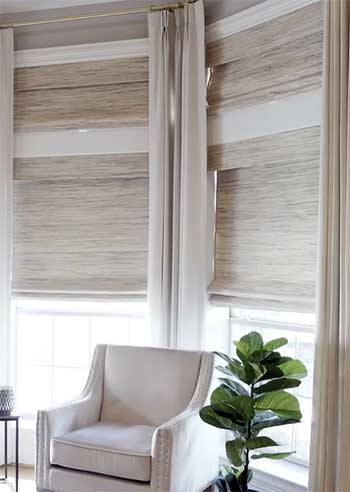
- Business Structure and Consistency: 3 Day Blinds operates as a unified company with trained employees across locations, which means you often get the same level of service whether you live in California or another state they serve. Budget Blinds runs on a franchise model, so your experience ties closely to the local owner and team. In my case, this meant 3 Day Blinds felt more standardized, while Budget Blinds offered a personal, community-oriented vibe that some people love.
- Turnaround Time: One of the biggest standouts for me was how fast 3 Day Blinds could produce custom pieces. Many orders ship within three business days after measurements, which appealed when I needed quick results before guests arrived. Budget Blinds timelines depend on the specific franchise and supplier network, sometimes stretching longer but allowing more flexibility for custom tweaks.
- Pricing Approach: 3 Day Blinds tends to position itself at a premium level, reflecting their in-house manufacturing for a large portion of products. Budget Blinds lives up to its name more often by offering competitive pricing and running promotions that can bring costs down noticeably. During my quotes, the difference per window added up, especially on larger projects covering multiple rooms.
- Customization and Materials: Both provide blinds, shades, shutters, and drapes, but 3 Day Blinds emphasizes their own made-to-order lines with features like motorized integration that sync with smart home systems. Budget Blinds pulls from a broad vendor network, including premium brands, giving access to unique fabrics and finishes that might not appear in the other lineup.
- Warranty and Support: 3 Day Blinds backs most items with a limited lifetime warranty, providing reassurance on quality. Budget Blinds franchises often promote a no-questions-asked approach, though details can vary locally. I appreciated knowing that post-install support would come directly from the same team in both cases, but consistency favored the non-franchise option.
- Installation Experience: Professional installers handled the work for both, yet 3 Day Blinds used company teams trained under one system, reducing surprises. Budget Blinds relied on local experts who knew regional window quirks, which proved handy in my older home with slightly uneven frames.
These differences shaped how I viewed each brand—not as direct rivals, but as solutions suited to different priorities.
Key Features of 3 Day Blinds
I found several standout elements when exploring what 3 Day Blinds brings to the table:
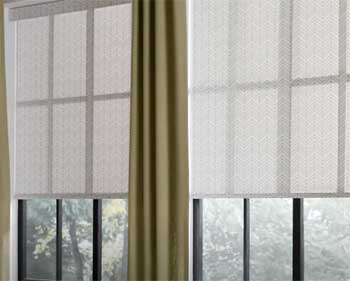
- Rapid Custom Fabrication: Their ability to turn around made-to-order blinds and shades quickly stood out. I could select exact sizes, colors, and features one day and see them installed soon after, minimizing the bare-window phase.
- Motorized and Smart Home Options: Many products support automation, connecting seamlessly with voice assistants for hands-free control. This feature transformed how I thought about daily routines, especially for hard-to-reach windows.
- In-House Manufacturing: Producing a significant portion of items themselves allows tighter quality control. Materials felt sturdy during the showroom samples, with good resistance to fading and warping mentioned by other users.
- Child and Pet Safety Focus: Cordless designs and compliant mechanisms gave me peace of mind. No dangling cords meant safer play areas without sacrificing style.
- Free In-Home Design Consultations: The consultant brought portable samples and helped visualize combinations that matched my furniture and paint colors perfectly.
- Limited Lifetime Warranty: Coverage on mechanisms and fabrics provided long-term confidence that the investment would hold up.
- Energy Efficiency Features: Options like cellular shades helped with insulation, something I noticed in reviews from homeowners in varying climates.
- Professional Measurement and Install: Everything from precise measuring to final placement felt streamlined, reducing errors that could lead to gaps or misfits.
These features combined to create a polished, reliable process that suited my desire for efficiency.
Pros And Cons of 3 Day Blinds
Pros:
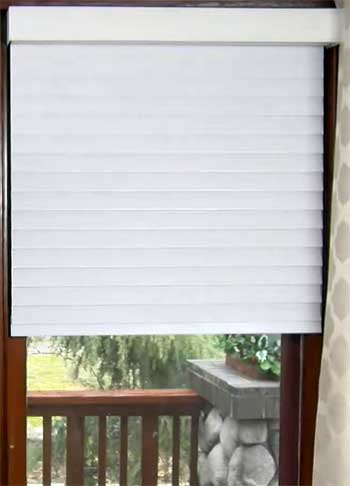
- Consistent service quality across locations thanks to centralized training and company employees, so you rarely encounter surprises no matter where you live.
- Impressive speed from consultation to installation, ideal when you need results without long waits and want your windows covered quickly for privacy or events.
- Strong emphasis on in-house production leading to reliable materials and fit that hold up well over years of daily use.
- Wide array of motorized options that integrate well with modern smart homes, allowing voice or app control for ultimate convenience.
- Lifetime-limited warranty that covers many defects over time, giving you confidence that the products will perform as promised long after installation.
- Professional consultants who provide design guidance beyond basic measurements, helping you coordinate styles with your existing décor and room themes.
- Focus on safety standards that minimize risks in family homes, with cordless options and secure mechanisms that protect children and pets effectively.
- Ability to handle complex custom requests with good precision, including unusual window shapes or specialty fabrics.
- Positive feedback on durability from users who valued long-term performance, with materials resisting sun damage and everyday wear.
- Streamlined process that reduces surprises during ordering and delivery, making the entire experience feel efficient and professional.
Cons:
- Higher overall pricing that can stretch budgets on full-home projects, especially when adding motorized features or premium finishes.
- Some reports of communication delays or backorders affecting timelines despite the “3 day” promise, which can frustrate if you are on a tight schedule.
- Installation and shipping fees that add noticeably to the final total, pushing costs higher than initial quotes sometimes suggest.
- Need to pay a significant portion upfront, which feels risky if any issues arise after ordering but before installation.
- Limited flexibility in certain regions where coverage is not as dense, potentially requiring travel or longer wait times for service.
- Occasional complaints about customer service response times during peak seasons, leaving you waiting longer for answers.
- Premium positioning means fewer deep discount opportunities compared to competitors, so big savings are harder to find.
- Warranty has fine print that excludes certain parts or misuse scenarios, requiring careful reading to understand full coverage.
- Quotes can start surprisingly high before negotiations bring them down, which might discourage some shoppers right away.
- Less emphasis on ultra-local customization compared to franchise models, so unique regional styles may need extra effort to achieve.
In my analysis, the pros shine brightest when time and uniformity matter more than initial savings.
Key Features of Budget Blinds
Budget Blinds brought its own set of appealing characteristics that caught my attention:

- Extensive Product Assortment: From basic blinds to designer drapes and everything in between, the range allowed mixing styles across rooms without feeling limited.
- Access to Premium Brands: Partnerships meant I could choose high-end fabrics and innovations not always available elsewhere, including exclusive collections.
- Local Franchise Expertise: The consultant knew my area’s common window issues and suggested practical solutions that fit the home’s architecture.
- Cordless and Motorized Solutions: Similar safety and convenience options existed, often at more accessible price points during promotions.
- Energy-Efficient and Light-Control Options: Cellular, roller, and woven wood shades offered great insulation and privacy levels tailored to my needs for different times of day.
- No-Questions-Asked Warranty Elements: Many locations emphasize straightforward support, making repairs or adjustments feel less complicated.
- Flexible Consultation Styles: In-home or virtual appointments worked around my schedule, with consultants offering budget-friendly alternatives on the spot.
- Community-Oriented Service: Because franchises operate locally, follow-up felt more personal, like dealing with someone invested in the neighborhood’s satisfaction.
These elements made Budget Blinds feel approachable and adaptable, especially when balancing cost with quality.
Also Read: Are Graber Window Blinds Any Good?
Pros And Cons of Budget Blinds
Pros:
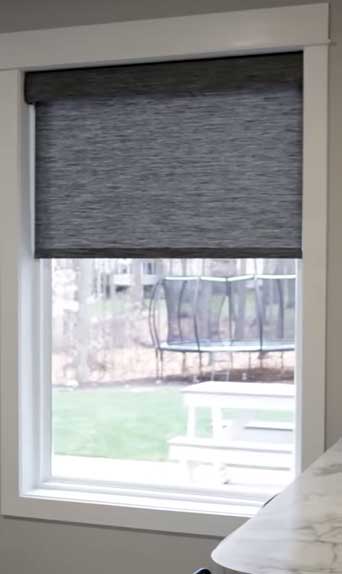
- More budget-friendly pricing that often includes promotions and package deals, helping you cover more windows without overspending.
- Huge variety drawn from multiple suppliers, letting you match unique home aesthetics with options ranging from simple to luxurious.
- Local franchise owners who provide personalized attention and community knowledge, making the process feel friendly and tailored to your area.
- Flexible options that accommodate different price points within the same consultation, so you can mix high-end and affordable pieces easily.
- Strong energy-saving and light-filtering choices suitable for various climates, keeping your home comfortable year-round while lowering utility bills.
- Cordless and automated features available without always jumping to top-tier costs, delivering modern convenience at reasonable prices.
- No-questions-asked warranty approaches in many locations for easier support, reducing stress when minor issues pop up after install.
- Ability to work with existing décor through custom color matching, ensuring the treatments blend seamlessly with your furniture and walls.
- Professional installation handled by teams familiar with regional needs, which helps with tricky older homes or non-standard windows.
- Positive experiences with helpful consultants who avoid high-pressure sales, focusing instead on what truly works for your lifestyle and budget.
Cons:
- Experience varies by franchise, so quality and timelines are less predictable from one location to another, which can lead to uneven results.
- Potentially longer production and delivery periods depending on suppliers, meaning you might wait weeks instead of days for your order.
- Some users note inconsistencies in product durability or order accuracy, requiring follow-up visits to correct small problems.
- Installation quality can differ based on local contractors used, occasionally resulting in minor alignment or fit issues.
- Warranty details change by location, requiring clear confirmation upfront to avoid surprises when you need service later.
- Occasional logistical hiccups like measurement errors or delayed responses, which can slow down the whole project.
- Name might set unrealistic expectations for rock-bottom pricing, even though it still offers solid mid-range value.
- Less centralized control over brand-wide standards, so service levels depend heavily on the individual franchise owner.
- Mixed reviews on communication when issues occur post-sale, sometimes leaving customers feeling uncertain about next steps.
- Fewer guarantees on rapid turnaround for urgent needs, making it less ideal if you require fast results.
From what I observed, the pros make Budget Blinds attractive when you shop around locally and value flexibility over speed.
Which One Should You Choose?
After weighing everything, I leaned toward one for my project but recognize both have merit. If you want a smooth, fast process with dependable results and do not mind investing more, 3 Day Blinds delivers reliability you can count on across the board.
On the other hand, if stretching your budget while accessing diverse styles and local expertise matters, Budget Blinds often provides better overall value.
You should schedule consultations with both. Bring your room dimensions, photos of your space, and a clear list of priorities like light control or child safety.
Compare the actual quotes side by side, ask about current promotions, and inquire specifically about warranties and installation timelines. That real-world comparison will reveal which feels right for your home.
In the end, I appreciated how both elevated my windows from basic to beautiful. The choice came down to balancing speed against savings, and consistency against local charm. Whichever path you take, focus on what will serve your daily life best for years ahead.
Also Read: Are Norman Blinds Any Good?
Frequently Asked Questions (FAQ)
Budget Blinds generally comes in at a lower price point, especially with promotions, while 3 Day Blinds tends to cost more due to its premium positioning and faster service.
For a typical full-home project, expect to spend between $1,500 and $5,000, with individual windows ranging from $250 to $600 or higher for motorized or premium options.
No, they operate as separate entities. 3 Day Blinds functions as a company-owned business, while Budget Blinds uses a franchise model with independent local owners.
Many users find it reliable for value and variety, with solid local service, though experiences can vary by franchise. Quality and satisfaction often depend on the specific location you choose.
Final Thoughts
I hope sharing my analytical breakdown helps you navigate this decision with confidence. Whether you go with the quicker, more uniform approach or the potentially more affordable, locally tuned option, great window treatments can truly transform how your home looks and feels every single day.
Take your time, ask plenty of questions during those free consultations, and you will land on the perfect fit for your space.