
I have spent months researching and comparing window treatments for my own home, and the choice between Budget Blinds and Home Depot kept coming up.
In this article, I share my honest experiences and analysis to help you decide what works best for your needs, budget, and lifestyle.
I cover everything from product quality and pricing to installation and long-term value so you can make a confident choice that fits your home perfectly.
| Aspect | Budget Blinds | Home Depot |
| Product Focus | Custom-made, premium options | Mix of stock/cut-to-size and custom |
| Pricing | Higher upfront, better long-term value | Generally lower, more affordable entry |
| Turnaround Time | 3-4 weeks typical | 8 weeks for custom |
| Installation | Professional, local franchise experts | In-store or partnered service |
| Warranty | Often 5-year No Questions Asked | Typically 10 years on select products |
| Consultation | Free in-home design service | In-store or limited home service |
| Best For | Custom fit, quality, personalization | Budget projects, quick stock buys |
Key Differences Between Budget Blinds And Home Depot
After spending time researching, visiting stores, and speaking with other homeowners who made the switch, these are the practical differences that stood out most to me. I broke them down clearly so you can see exactly where each option shines or falls short.
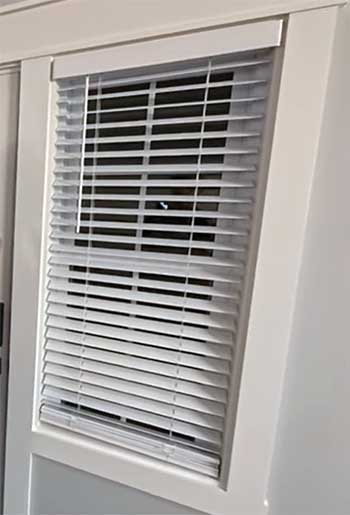
- Customization and Fit Precision: Budget Blinds focuses on fully custom-made products tailored to your exact window dimensions, even handling unusual shapes, arches, or angled installations with minimal light leakage. Home Depot offers excellent cut-to-size options for standard windows and some custom through partners, but the fit can sometimes require small compromises on non-standard openings, leading to slight gaps or adjustments after installation.
- Shopping and Consultation Experience: Budget Blinds brings the showroom to your living room through free in-home consultations where experts bring fabric swatches, demonstrate operation, and discuss how different styles work with your specific lighting and privacy goals. Home Depot relies on in-store browsing where you can physically examine products on display and get staff assistance, which works well for quick decisions but puts more responsibility on you for visualizing the final look in your home.
- Material Quality and Build Standards: Budget Blinds partners with premium manufacturers and offers higher-grade slats, smoother mechanisms, and more durable fabrics that resist fading, warping, and everyday wear. Home Depot provides solid, reliable options including their own lines and partnered brands that perform well for the price, though some entry-level products use thinner materials that may show signs of use sooner in high-traffic rooms.
- Installation and Service Model: Budget Blinds handles professional measuring, delivery, and installation through local teams who often live in your community and stand behind the work long-term. Home Depot gives you the choice between DIY installation for many stock items or scheduled professional service, but the process can involve more coordination between the store, suppliers, and installers.
- Turnaround Time and Availability: Budget Blinds typically delivers custom products in about three to four weeks, balancing speed with made-to-order quality. Home Depot excels with immediate or next-day pickup on stock blinds but requires longer waits, often around eight weeks, when you step up to full custom orders through their partners.
- Pricing Structure and Overall Value: Budget Blinds generally carries a higher upfront cost due to customization and service but often delivers stronger long-term value through durability and fewer replacements. Home Depot wins on lower entry prices and frequent promotions, making it easier to outfit multiple windows without stretching your budget as much initially.
- Warranty and Ongoing Support: Budget Blinds stands out with their No Questions Asked warranty on many products, often covering five years and including support from the local franchise for repairs or adjustments. Home Depot offers competitive warranties, frequently up to ten years on select items, but the claims process usually routes through manufacturers and store partners, which can feel less personal.
- Design Flexibility and Style Range: Budget Blinds provides broader access to on-trend, specialized, and motorized options that integrate with smart home systems, giving you more ways to create a cohesive, elevated look across your entire house. Home Depot covers popular styles effectively with good variety in basics like faux wood, minis, and cellular shades, but the selection leans more practical than ultra-premium or highly specialized.
- Best Suited Scenarios: Budget Blinds feels ideal when you want a seamless, worry-free experience and are investing in window treatments you plan to live with for many years. Home Depot shines for budget-conscious projects, standard windows, quick updates, or situations where you prefer handling some aspects yourself.
Key Features of Budget Blinds Products
Budget Blinds impressed me with several standout features that make daily life easier:
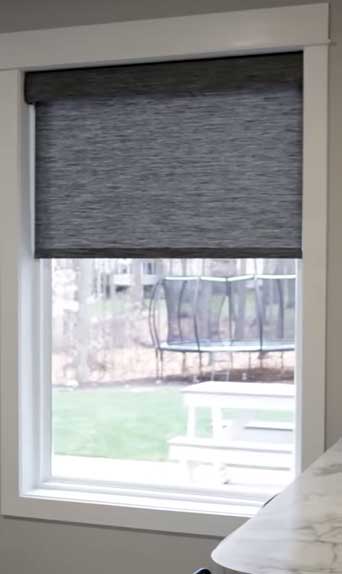
- Wide variety of styles: From faux wood and aluminum mini blinds to cellular shades, roller shades, and shutters. They carry options for every room and light control need.
- Cordless and motorized options: Great for homes with kids or pets – no dangling cords to worry about, and motorized versions add luxury with app or remote control.
- Premium materials: Many lines feel substantial, resist fading, and handle humidity well in kitchens or bathrooms.
- Energy efficiency: Cellular shades and certain fabrics help with insulation, which I appreciated for lowering utility bills.
- Professional measuring: Their experts catch details I would have missed, ensuring a perfect fit with minimal light gaps.
- Warranty support: The No Questions Asked coverage gives peace of mind against everyday wear.
I particularly liked how their faux wood blinds mimic real wood texture without the maintenance issues.
They look elegant and stand up to real family life.
Also Read: Are Stoneside Blinds And Shades Worth It?
Pros of Choosing Budget Blinds
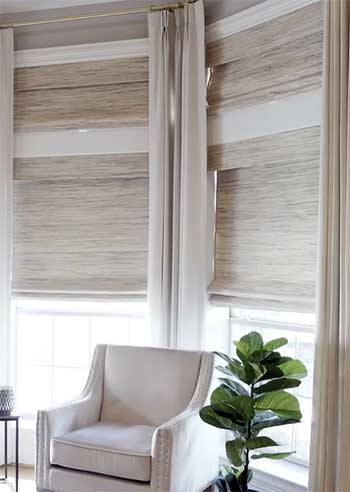
- Exceptional customization and perfect fit: Every blind or shade gets made to your exact window measurements. I saw how this eliminates light gaps along the sides or bottom that often plague standard sizes. For odd-shaped windows or bay areas in my home, this made a noticeable difference in both appearance and light control.
- In-home professional consultation: A local expert visits with physical samples, discusses your room’s lighting, privacy needs, and style preferences. This hands-on guidance helped me avoid costly mistakes and choose options that actually matched my furniture and paint colors.
- Higher-grade materials and construction: Many products use robust slats, smooth-operating mechanisms, and fade-resistant fabrics. Faux wood options feel substantial and look premium without the warping issues common in cheaper alternatives.
- Strong focus on safety and family-friendly designs: Cordless and motorized options stand out here. With kids and pets around, I appreciated not worrying about dangling cords while still getting easy operation through remotes or apps.
- Comprehensive local service and installation: Professionals measure, deliver, and install everything. They handle tricky mounting and ensure everything operates smoothly from day one, saving me hours of frustration.
- Better energy efficiency features: Cellular shades and certain fabrics trap air pockets that help insulate windows. Over a full year, this contributed to noticeable savings on heating and cooling costs in my house.
- Reliable warranty coverage: The 5-year No Questions Asked warranty covers many products against defects or even accidental damage. Knowing I could get repairs or replacements without hassle gave me real confidence in the purchase.
- Long-term durability and lower replacement frequency: These blinds hold up well to daily use, sunlight exposure, and cleaning. Several years in, they still look fresh and function like new, unlike some options that sag or stick after a couple seasons.
- Personalized design coordination: Experts help match blinds across multiple rooms for a cohesive look. This whole-house approach creates a polished, intentional feel that elevates the entire home.
- Access to innovative and on-trend styles: Motorized integrations, smart home compatibility, and unique textures or colors keep options fresh and forward-looking.
Cons of Choosing Budget Blinds
- Higher initial investment required: Prices sit noticeably above basic big-box options. For a full house, the total can add up, which might stretch budgets tighter than expected at first glance.
- Longer production and delivery timeline: Custom manufacturing means waiting several weeks rather than taking something home immediately. This delayed my project by a few weeks compared to stock alternatives.
- Dependence on local franchise quality: Experiences can vary depending on the specific owner and team in your area. While most deliver excellent service, it is not as standardized as a national chain’s processes.
- Limited ability to browse independently: Without widespread showrooms, you rely heavily on the in-home visit. This works great for most people but feels less flexible if you prefer shopping on your own schedule.
- Potential for additional service fees: Professional installation and follow-up visits add to the bottom line. Though convenient, these costs exceed simple DIY setups.
- Slightly more complex decision process: The wide range of premium choices can feel overwhelming during the consultation, even with expert help guiding you.
Key Features of Home Depot Blinds
Home Depot offers practical features that appeal to many homeowners like me who want solid performance without overcomplicating things:
- Affordable stock and cut-to-size blinds: You can often get them the same day or quickly, perfect for immediate needs.
- Popular brands and in-house lines: Options from Kirsch for custom and their own Home Decorators Collection provide good value.
- DIY-friendly installation: Many blinds come ready to mount with clear instructions, saving on service fees if you are handy.
- In-store shopping: Touch and see products, compare colors under store lighting, and get help from staff.
- Cordless options: Available in many faux wood and mini blind styles for safety.
- Variety for basic needs: Aluminum, vinyl, wood composites, and shades cover most standard windows effectively.
Their cordless faux wood blinds felt sturdy enough for everyday use, and I liked the room-darkening capabilities in several models.
Also Read: Are Graber Window Blinds Worth It?
Pros of Choosing Home Depot
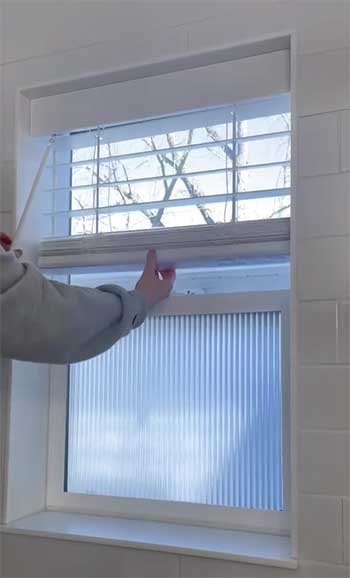
- Significantly more affordable pricing: Stock blinds and many custom options cost less per window. This allowed me to cover more windows without exceeding my overall budget.
- Immediate availability for many products: Grab standard sizes the same day or within a short time. Perfect for quick updates or rental properties where speed matters.
- Convenient in-store shopping experience: Walk the aisles, touch materials, compare colors under consistent lighting, and get questions answered on the spot by staff.
- Good mix of DIY and assisted options: Install yourself to save money or use their installation service. Flexibility suits different skill levels and preferences.
- Reliable basic performance: Faux wood, aluminum minis, and cellular shades handle everyday use well. Many provide solid room darkening and privacy at a fair price point.
- Easy returns and adjustments: With widespread stores, exchanging sizes or styles feels straightforward if measurements are slightly off.
- Familiar and accessible brand: Everyone knows Home Depot, which builds trust for straightforward purchases and support.
- Strong value on popular styles: Cut-to-size services and in-house collections deliver decent quality that looks clean and modern in standard applications.
- Options for mixing and matching: Combine stock blinds in some rooms with custom in others to optimize spending where it counts most.
- Frequent promotions and bulk deals: Sales and volume discounts help stretch dollars further, especially on larger projects.
Cons of Home Depot Blinds
- Challenges with non-standard windows: Standard or cut-to-size options sometimes leave small gaps or require compromises on arches, angles, or very large spans.
- Measurement risks fall entirely on you: Without professional in-home measuring as standard, small errors lead to blinds that do not operate smoothly or look aligned.
- Extended wait for true custom orders: Their partnered custom process often stretches to eight weeks or more, removing the quick advantage of in-store stock.
- Inconsistent installation experiences: When using service, coordination between store, manufacturer, and installers can create delays or minor issues that need follow-up.
- Faster wear on lower-priced mechanisms: Some basic cords or gears show sticking or breakage sooner under heavy daily use compared to premium builds.
- Less personalized design input: Staff help is available but generally less detailed than a dedicated consultant focused solely on window treatments.
- Potential light control limitations: Off-the-shelf fits sometimes allow more light leakage around edges than fully custom solutions.
- Simpler material selections overall: While functional, options may lack the premium textures, advanced coatings, or specialized fabrics found in dedicated specialists.
Which One Did I Ultimately Choose?
After weighing everything, I went with a hybrid approach. I used Budget Blinds for high-visibility areas where custom fit and quality mattered most, and supplemented with a few Home Depot options for less critical spots. This balanced cost and performance perfectly for my situation.
Your choice depends on priorities – if you value convenience and premium results, lean toward Budget Blinds. For tighter budgets and standard windows, Home Depot delivers strong value.
Also Read: Are Norman Blinds Worth It?
Frequently Asked Questions (FAQ)
They typically last 7-10 years or more with proper care, thanks to quality materials and strong warranties.
You get expert in-home service, custom sizing, durable products, and reliable support that reduces long-term headaches.
They offer a wide range including faux wood, aluminum, cellular shades, rollers, verticals, and motorized options from premium manufacturers.
Yes, Budget Blinds generally costs less than 3 Day Blinds while still providing strong custom quality and service.
Wrapping It Up – What Should You Do Next?
I have walked you through my real experiences comparing these two so you can picture yourself in the same situation.
Budget Blinds brings that personalized, high-quality touch that makes your home feel finished and luxurious, while Home Depot gives you solid, affordable choices that get the job done without breaking the bank.
Think about your specific windows, how much time you want to spend, and what matters most – perfect fit and longevity or quick savings and convenience.
You now have the details to decide confidently. Measure your priorities the same way I measured my windows, and you will end up with treatments you love for years. Whether you go full custom with Budget Blinds or smart shopping at Home Depot, the right choice will transform how your rooms look and feel every single day.