
I’ve spent years dealing with window treatments in my own home and helping friends pick the right ones, and one question keeps coming up: vinyl blinds versus faux wood blinds.
Which actually wins for everyday life? In this article, I compare both options honestly so you can decide what fits your space, style, and budget best. I cover real-world performance, looks, maintenance, and long-term value without any fluff.
| Feature | Vinyl Blinds | Faux Wood Blinds |
| Material | 100% PVC plastic | Composite wood + PVC coating |
| Moisture Resistance | Excellent | Very good |
| Weight | Lightweight | Heavier |
| Look | Basic, plastic feel | Warm, realistic wood grain |
| Price | Lower | Higher |
| Durability in Humidity | Top choice | Good but can warp slightly over time |
| Cleaning | Wipe and done | Wipe, occasional dusting |
| Insulation | Moderate | Better |
| Best For | Bathrooms, kitchens, high-moisture areas | Living rooms, bedrooms, offices |
Key Differences Between Vinyl Blinds And Faux Wood Blinds
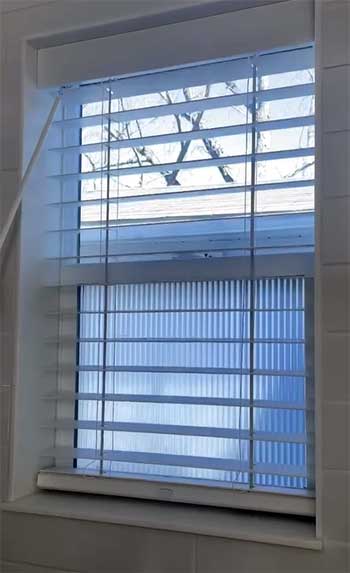
- Material Composition Vinyl blinds are made entirely from polyvinyl chloride, a tough plastic that stands up to water without any issues. Faux wood blinds use a mix of real wood particles or composite materials coated with a vinyl or polymer layer that mimics the texture and color of natural wood. This difference shows up immediately when you touch them—vinyl feels smooth and uniform while faux wood has that subtle grain and slight texture that makes it feel more premium.
- Appearance and Aesthetic Appeal Vinyl blinds deliver a clean, modern look that works well in minimalist or functional spaces. They come in solid colors and basic slat widths but rarely fool anyone into thinking they’re anything but plastic. Faux wood blinds, on the other hand, offer rich wood tones, painted finishes, and even distressed options that can make a room feel warmer and more inviting. Many people, including me, notice guests comment on faux wood first because they simply look more expensive and natural.
- Weight and Installation Experience Vinyl blinds are noticeably lighter, which makes them easier to lift, tilt, and install yourself if you’re handy. Faux wood blinds carry more weight because of the composite core, so they feel sturdier once hung but can require stronger mounting brackets and sometimes a second pair of hands during setup.
- Performance in Different Environments Vinyl handles steamy bathrooms and sunny kitchens without warping or fading quickly. Faux wood performs well in most living areas but can show slight expansion or contraction if humidity swings wildly over years. I’ve seen vinyl survive poolside cabanas while faux wood shines in climate-controlled family rooms.
- Sound and Light Control Because faux wood is denser, it blocks more outside noise and gives slightly better light-blocking when fully closed. Vinyl does a solid job too, especially with thicker slats, but you might notice a tiny bit more light leakage at the edges in some models.
- Longevity Expectations Both can last 10–20 years with proper care, but vinyl tends to hold its color better in direct sunlight while faux wood might need occasional touch-ups if the coating gets scratched deeply.
Key Features of Vinyl Blinds
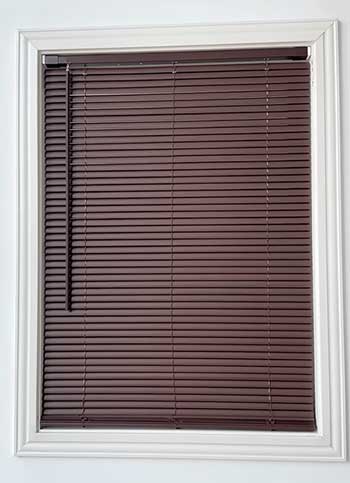
- Superior Water and Moisture Resistance You can literally splash water on them and they shrug it off. This makes vinyl my go-to recommendation for anyone with kids who love bath time or for coastal homes where salt air is a factor.
- Budget-Friendly Pricing You get a lot of coverage for your money. Even large windows stay affordable, leaving room in the budget for other home upgrades.
- Lightweight Operation The slats move smoothly with minimal effort on the cords or wand. Great if you have arthritis or want something kids can operate safely.
- Wide Range of Colors and Styles From bright whites to deep blacks and everything in between, vinyl offers consistent solid colors that don’t vary between batches.
- Easy Customization You can order exact measurements online or in-store, and most retailers offer quick turnaround times.
- Fire Retardant Properties Many vinyl options meet basic safety standards, which matters in bedrooms or rental properties.
- UV Stability Good quality vinyl resists yellowing better than cheaper plastics, keeping your windows looking fresh longer.
Also Read: Comparison of 3 Day Blinds And Hunter Douglas Blinds.
Pros of Vinyl Blinds
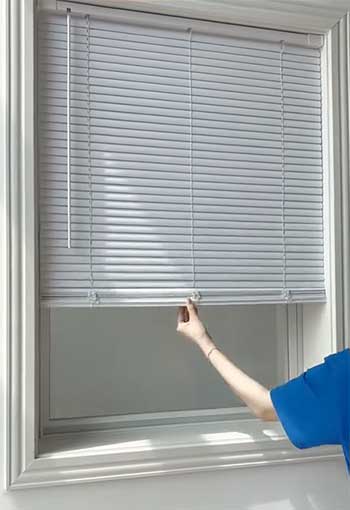
- Unmatched Moisture and Humidity Resistance Vinyl blinds laugh at steam, condensation, and splashes. I’ve had them in my bathroom for over five years and they still look brand new even after daily hot showers. If you live in a humid climate or have a kitchen that gets steamy during cooking marathons, vinyl won’t warp, swell, or grow mold like some other materials can.
- Extremely Affordable You can cover an entire house with quality vinyl blinds for what you might pay for faux wood in just a couple of large windows. This leaves money for furniture, paint, or other upgrades. For renters or first-time homeowners, the lower price means you don’t feel guilty if you want to change styles later.
- Super Easy Daily Operation Because they’re so lightweight, even young kids or older family members can raise, lower, and tilt them without struggling. The mechanism feels smooth and reliable year after year, with far less chance of cords tangling or breaking compared to heavier options.
- Effortless Cleaning A quick wipe with a damp cloth or even just a dusting removes grease, fingerprints, pet hair, or kitchen splatter in seconds. No special cleaners needed. I’ve cleaned mine after messy toddler meals and they were spotless again in under five minutes.
- Consistent Color and Finish Every slat matches perfectly, with no natural variation that can sometimes make wood-look products look mismatched. This uniform look works especially well in modern, minimalist, or rental spaces where you want clean lines.
- Excellent for High-Traffic or Kid-Friendly Homes They survive rough handling, marker scribbles (with the right cleaner), and frequent use without showing wear quickly. Parents I know swear by vinyl in playrooms and kids’ bedrooms because they handle the chaos better than anything else.
- Good UV and Fade Resistance Quality vinyl holds its color surprisingly well even in sunny rooms, resisting that ugly yellowing you sometimes see in cheap plastics. This means your windows stay bright and fresh-looking for a long time.
- Lightweight on Window Frames The reduced weight puts less stress on older or weaker window casings, which can be important in historic homes or apartments.
- Quick and Simple Installation Most people can hang vinyl blinds themselves in under an hour per window using basic tools. No need for heavy-duty brackets or extra support.
- Versatile for Any Room Style While they may not scream luxury, their simple appearance blends into almost any décor without clashing.
Cons of Vinyl Blinds
- Can look and feel cheaper compared to wood-style options, especially up close.
- Limited texture variety—mostly flat or lightly embossed surfaces.
- May develop a slight static charge that attracts dust in dry climates.
- Less effective at insulating windows, so rooms might feel draftier in winter.
- Can warp slightly if exposed to extreme heat for many years.
- Noise when opening or closing—some models produce a louder clatter.
- Fades faster in intense direct sunlight compared to higher-end materials.
- Doesn’t add much visual warmth to a space.
- Lower perceived home value boost when selling your house.
Key Features of Faux Wood Blinds
- Realistic Wood Grain Textures Modern manufacturing creates convincing wood patterns that even close inspection struggles to distinguish from real wood in many cases.
- Heavier, More Substantial Feel The added weight gives a quality impression right away and helps the blinds hang straighter.
- Better Thermal Insulation The composite material traps air better, helping keep rooms cooler in summer and warmer in winter.
- Variety of Finishes You can choose matte, glossy, painted, or stained looks to match existing furniture perfectly.
- Wider Slat Options Many faux wood collections offer 2-inch or 2.5-inch slats that give a more luxurious, open feel when tilted.
- Integrated Valance Options Matching top treatments hide the headrail cleanly for a polished look.
- Child-Safety Features Cordless or wand-control versions reduce risks in family homes.
- Color Stability with Proper Coating Quality faux wood holds color well and resists fading when treated for UV protection.
Also Read: Comparison of Blinds To Go And Hunter Douglas.
Pros of Faux Wood Blinds
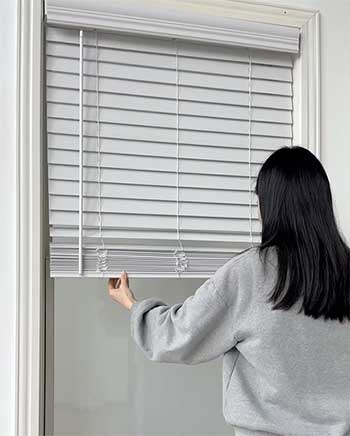
- Stunning, Premium Aesthetic Appeal Faux wood blinds bring instant warmth and elegance to any room. The realistic grain and rich tones make windows look like they have custom wood shutters without the massive price tag or maintenance of real wood. I’ve watched friends’ living rooms transform from basic to inviting the moment these went up.
- Superior Light and Privacy Control The heavier slats close more tightly with fewer gaps, giving you better darkness when you want it and excellent privacy. This is especially noticeable in bedrooms where even small light leaks can disturb sleep.
- Excellent Sound Dampening Because of their density, faux wood reduces outside noise better than lightweight vinyl. Living near a busy street or having loud neighbors becomes more bearable with these on your windows.
- Better Thermal Performance They help insulate your windows noticeably, keeping rooms cooler during hot summers and retaining heat in winter. Over time this can even lower your energy bills slightly, which is a nice bonus.
- Feels Solid and High-Quality The weight and smooth operation give a luxurious daily experience. Tilting the wand or raising the blinds feels satisfying and well-made rather than flimsy.
- Great Resale and Home Value Boost When buyers walk through, faux wood blinds often get noticed and mentioned positively. They signal that the homeowner cared about details and chose tasteful upgrades.
- Versatile Design Options You can match them to almost any interior style—from modern farmhouse to traditional, coastal, or contemporary—thanks to the wide range of wood tones, paints, and finishes available.
- Durable Against Everyday Wear The protective coating stands up well to accidental bumps, pet claws, and normal use. Small scratches are often less visible than on real wood.
- Quieter Daily Operation The extra weight means less rattling and clattering when you adjust them, making them ideal for bedrooms, nurseries, or home offices where silence matters.
- Adds Visual Warmth and Coziness Unlike cold plastic, faux wood makes a space feel more like a home. Many people say their rooms feel bigger and more welcoming with the natural-looking texture.
Cons of Faux Wood Blinds
- Higher upfront cost that can add up quickly for multiple windows.
- Heavier weight makes them trickier to install alone on tall windows.
- Not completely waterproof—prolonged direct water contact can cause swelling.
- Require more careful cleaning to avoid damaging the wood-grain finish.
- Can expand or contract slightly with major humidity changes.
- Limited color options compared to basic vinyl in some budget lines.
- More expensive to replace individual damaged slats.
- May collect dust in the textured grain over time.
- Slightly slower operation because of the added weight.
- Not ideal for extremely humid or outdoor-adjacent spaces without extra protection.
How I Choose Between Vinyl and Faux Wood for Different Rooms?
When I redid my kitchen, vinyl won because of constant steam and grease. In the living room, I went with faux wood for the cozy factor and because the room stays climate-controlled. Bedrooms got a mix—faux wood on the main windows for style, vinyl in the en-suite bathroom.
Your lifestyle matters: busy families with kids might lean vinyl for durability, while design-focused homeowners often pick faux wood for the elegant vibe.
- Maintenance Tips That Actually Work
For vinyl, I wipe them every couple of months with a microfiber cloth and mild soap. No special products needed. For faux wood, I use a dry duster weekly and a barely damp cloth only when necessary, always following the grain. Both benefit from keeping cords or wands tidy to prevent tangling.
- Making the Final Decision for Your Home
Think about your daily routine, the room’s conditions, and how much you want the blinds to contribute to your décor. If easy care and low cost top your list, vinyl delivers reliably. If you crave warmth, style, and a touch of luxury you can see and feel, faux wood usually feels worth the extra investment.
I’ve lived with both now for several years and still stand by this: there isn’t one universal winner. The right choice is the one that matches your priorities without creating new headaches.
Also Read: Comparison of Somfy And Hunter Douglas Blinds.
Frequently Asked Questions (FAQ)
It depends on your needs. Vinyl is better for high-moisture areas and tight budgets, while faux wood excels in style, warmth, and most living spaces.
Larger slat widths combined with cordless operation and matte or textured finishes that mimic natural materials are gaining popularity right now.
Higher cost, heavier weight during installation, and slightly lower performance in very humid conditions compared to pure vinyl.
The best material is the one that fits your specific room conditions—vinyl for wet areas, faux wood for dry, styled spaces, or a mix when you want both performance and beauty.
Wrapping Up
After weighing everything, I hope this comparison gives you the confidence to pick blinds you’ll actually enjoy living with for years.
Whether you go vinyl for practicality or faux wood for that polished look, both options can transform your windows when chosen thoughtfully. What matters most is finding the balance that works for your home and your lifestyle.