
You should buy a Bryant mini split system if your home needs reliable zoned heating and cooling without major ductwork. I chose one for my addition and the results speak for themselves through lower bills and steady comfort you can feel every day.
The inverter technology matches output to real demand so you avoid the waste of older units that blast on and off. Dealers can size the system for your rooms and climate so you get the right capacity from the start.
Act now while you can lock in the full registered warranty and start enjoying the difference this season.
My Experience With Bryant Mini Split
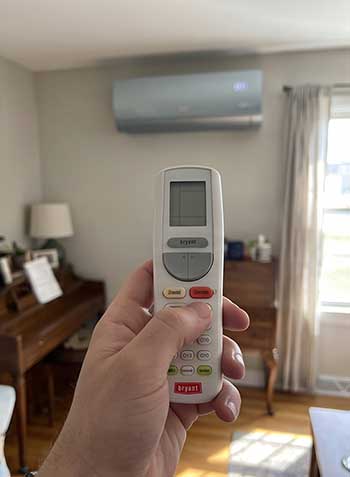
I still remember the day the installers finished the Bryant mini split in my sunroom addition.
The old window unit had been loud, inefficient, and never quite kept the space comfortable once the afternoon sun hit the glass.
Within an hour of startup the room settled to the exact temperature I set on the remote.
The indoor unit sits high on the wall and barely makes a sound once it reaches the set point.
You hear a soft whoosh of air at most, nothing like the roar of the previous unit.
That first summer I tracked the electric meter more carefully than usual.
The addition used to pull hard whenever the window unit kicked on, and the central system struggled to keep up with the rest of the house.
After the Bryant went in, the central unit ran far less. I noticed the outdoor condenser modulating instead of cycling hard.
On hot afternoons it would settle into a steady low speed and hold the room at 74 degrees without spikes.
Evenings were pleasant enough that I often left the door open between the addition and the main house and let the mini split share the load.
Winter brought another surprise. I expected to rely on a space heater once temperatures dropped, yet the heat-pump mode kept the space usable down into the low teens.
I set it to 68 degrees and it maintained that without the dry, uneven heat of electric resistance. The remote lets you switch modes, adjust the fan, or set a schedule in seconds.
Later I connected the optional Wi-Fi adapter and started checking status from my phone when I was away. You can raise the set point an hour before you get home and walk into a ready room instead of waiting.
Neighbors asked about the unit when they saw the outdoor condenser. I showed them the indoor head and explained how one outdoor unit can serve multiple rooms if you expand later. Installation took less than a day because the crew only needed a small hole for the line set and a dedicated circuit.
No major drywall repair or duct runs. A year later the unit still runs the same way. Filters get cleaned every couple of months and the outdoor coil stays clear of leaves.
The registered warranty gives me confidence if anything major ever appears. Overall the experience has been smoother and quieter than I expected from a ductless system.
Also Read: Differences Between Carrier And Mitsubishi Mini Splits.
Pros of Bryant Mini Split Systems
- High Energy Efficiency That Lowers Monthly Bills
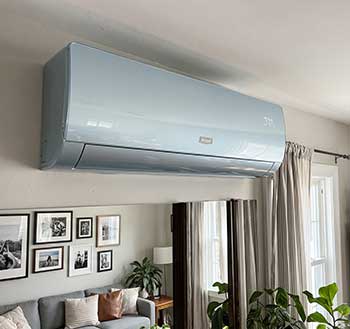
You notice the difference on the first utility statement after installation.
Bryant Evolution models reach cooling efficiencies as high as 35 SEER2 and heating ratings up to 30 HSPF2 on the 37MPRA series when paired correctly.
The inverter compressor speeds up or slows down instead of running full blast then shutting off.
That variable approach matches the actual load in the room so the system spends most of its time at partial capacity.
In my case the addition used roughly 30 percent less electricity than the old window unit once the numbers settled.
You also avoid the 20 to 30 percent duct losses common in older central systems. Zoning means you condition only the rooms you occupy.
Set the living area to 72 degrees while the unused bedrooms stay at 78 and the outdoor unit never works harder than necessary. Over a full season those small savings compound.
Higher-efficiency models often qualify for local rebates or federal tax credits when the installation meets the program rules. The net result is comfort you control room by room without the constant high draw of single-speed equipment.
- Quiet Operation That Keeps Living Spaces Peaceful
The compressor lives outside so the indoor unit stays nearly silent once it reaches temperature. Many Bryant high-wall heads operate in the low 20s to low 30s on the decibel scale at low fan speed.
That is quieter than normal conversation. You can watch television or hold a conversation without raising your voice. At night the unit fades into the background. I leave the fan on auto and rarely notice it running.
The outdoor condenser is also quieter than many central units because the inverter avoids the hard start-stop cycle. Neighbors have commented that they cannot hear it from the next yard.
This matters if you place an indoor head in a bedroom or home office. You get the cooling or heating you need without the constant background noise that makes older equipment tiring.
- Flexible Zoning And Easy Installation For Existing Homes
One outdoor unit can serve a single room or expand to several indoor heads on multi-zone configurations. You place the indoor unit where the air needs to go and run a small line set through a wall.
No need to open ceilings for ducts or add returns. That makes Bryant systems practical for additions, converted garages, older homes without ductwork, or rooms that the central system never quite reaches. Installation usually finishes in a day for a single zone.
You choose wall-mounted, floor-mounted, or ceiling cassette styles to match the room. Smart controls and Wi-Fi options let you manage each zone from a phone or tablet.
The same Carrier-family engineering that supports central systems appears in these ductless units, so parts and service knowledge transfer across the lineup. Register the system within 90 days and the parts warranty extends to 10 years for the original owner.
That combination of placement freedom and long-term coverage makes the system adaptable as your needs change.
Cons of Bryant Mini Split Systems
- Higher Upfront Cost Than Basic Window Units Or Entry Brands
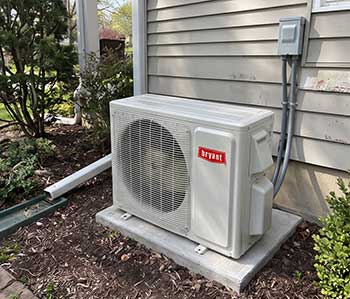
A complete single-zone Bryant installation typically runs several thousand dollars once equipment, labor, electrical work, and line sets are included.
Multi-zone projects rise further with each additional indoor head and longer refrigerant runs.
You pay more than a portable or window unit, and the total can exceed a basic central system if the house already has good ductwork.
Quotes vary by region, capacity, and access. Professional installation is required for the warranty and for proper refrigerant handling.
That adds cost compared with do-it-yourself brands, yet it also reduces the chance of performance problems later.
Budget carefully and obtain multiple quotes from authorized dealers so you understand the full scope before you commit.
- Visible Indoor Units And Ongoing Filter Attention
The indoor head mounts on a wall or ceiling and remains in view. Some homeowners prefer fully concealed systems and find the appearance less ideal in formal rooms.
You can choose different styles or place the unit high and out of primary sight lines, yet it is still present. Filters need regular cleaning, usually every one to three months depending on dust and use.
Neglect them and airflow drops, efficiency falls, and the unit works harder. Outdoor coils also collect debris. These are simple tasks, yet they require consistent attention that central systems with a single filter sometimes hide from daily view.
Also Read: Differences Between Pioneer And Senville Mini Split.
Maintenance Tips For Bryant Mini Split
- Clean Or Replace Filters On A Regular Schedule
You keep the system running at full capacity by handling the filters yourself. Most Bryant indoor units use washable filters that slide out from the front or side. Remove them, rinse with water, let them dry completely, and reinstall.
Do this every four to eight weeks during heavy use seasons. In dusty areas or homes with pets you may need to check more often. Dirty filters restrict airflow, raise energy use, and can lead to coil icing in cooling mode. I set a phone reminder for the first of each month and spend five minutes on the task.
That small habit prevents most performance complaints. If your model uses a disposable filter, keep a spare on hand and swap it at the same interval. Clean filters also help maintain the quiet operation you expect.
- Keep The Outdoor Unit Clear And Check The Condensate Drain
The outdoor condenser needs open space around it for proper airflow. Trim shrubs, remove leaves, and clear snow or debris so the fan and coil stay unobstructed.
A yearly gentle rinse of the coil with a garden hose removes dirt that builds up. Avoid high-pressure washers that can bend fins. Inside, the condensate drain can grow algae and clog, especially in humid climates.
Pour a small amount of diluted vinegar or a commercial tablet into the drain pan or access point a couple of times each year. If you notice water dripping from the indoor unit, clear the drain line promptly.
I also check that the outdoor unit sits level on its pad so vibration stays low. These outdoor and drainage steps take little time yet protect efficiency and prevent water damage.
- Schedule Professional Service And Register The Warranty
Even with good homeowner care, have an authorized technician inspect the system once a year. They check refrigerant charge, electrical connections, fan motors, and controls.
Early detection of small issues costs far less than a mid-season failure. Register the equipment within 90 days of installation through the Bryant site or with your dealer. Registration extends the parts warranty to 10 years for the original owner on most models; without it coverage drops to five years.
Keep the paperwork and serial numbers handy. Ask the dealer about any available maintenance agreements. Following the owner’s manual for filter care, clearances, and operating ranges keeps the warranty valid.
These steps turn a solid system into one that delivers consistent comfort for well over a decade.
How Bryant Compares With Other Brands
- Bryant Vs. Klimaire Mini Split
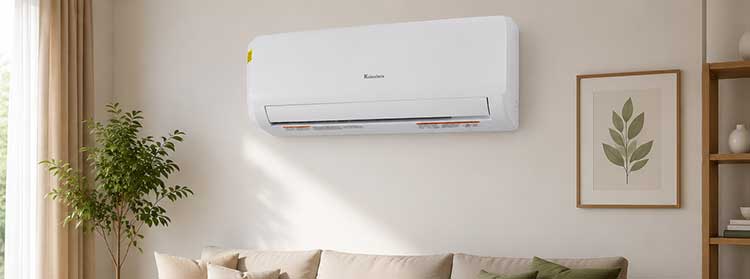
You get a clear difference in long-term ownership when you set a Bryant unit next to a Klimaire. Klimaire often wins on the initial sticker price and ships with inverter technology that delivers solid mid-range SEER numbers for everyday cooling.
I looked at a couple of Klimaire single-zone packages for a garage project and the equipment cost sat several hundred dollars below a comparable Bryant Preferred model. Once you factor in professional installation and the quality of the line-set work, that gap narrows.
Bryant’s Carrier-family engineering shows up in quieter modulation and more consistent low-load performance. Klimaire units can run a bit louder outdoors and the parts network is thinner if something fails after the first couple of years.
You also notice the warranty difference: Bryant extends to ten years on parts once you register within ninety days, while Klimaire coverage is shorter and can require more paperwork to claim.
If you only need basic seasonal cooling and plan to stay in the house a short time, Klimaire can serve you. For the steady daily comfort and easier service access I wanted, Bryant felt like the stronger choice.
- Bryant Vs. Aircon Mini Split

AirCon mini splits show up mostly as budget Amazon options with competitive efficiency claims and complete installation kits. I compared specs on an AirCon heat-pump model against my Bryant and the published SEER numbers looked close on paper.
In practice the Bryant held temperature more evenly and ran quieter once the room reached set point. AirCon units rely on thinner support channels, so if a control board or sensor fails you often end up dealing with the retailer rather than a local HVAC dealer.
Bryant benefits from the large Carrier service network, which means a technician who already knows the platform can diagnose issues faster. Installation quality also matters more with these lower-cost brands; a rushed vacuum or incorrect charge can hurt performance within the first season.
You pay more up front for the Bryant, yet the combination of registered warranty coverage and established dealer support reduces the chance of surprise repair bills later. For a temporary space or a very tight budget AirCon might work, but I preferred the reliability track record that comes with the Bryant name.
- Bryant Vs. Yitahome Mini Split
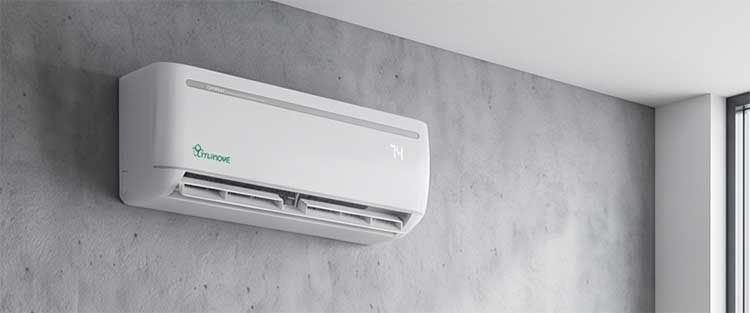
YITAHOME packages often include Wi-Fi and Alexa compatibility at a price that undercuts most traditional brands. I reviewed several YITAHOME listings while researching options and the feature list looked attractive for the money.
The units can cool or heat a single room effectively when sized correctly, and some owners report low noise levels indoors. The trade-off appears in build consistency and support.
Warranty periods on many YITAHOME models stay short, sometimes only a year or two on major components, and reaching technical help can involve multiple redirects.
Bryant’s Evolution and Preferred lines use the same core inverter approach yet deliver higher peak efficiency on certain pairings and longer registered parts coverage. My own Bryant has stayed steady through a full year of heavy summer use without any error codes or performance drops.
YITAHOME can be a reasonable choice if you want smart features on a limited budget and accept the shorter coverage window. When I weighed the risk of early component issues against the service network behind Bryant, the established brand made more sense for a primary living space.
- Bryant Vs. Costway Mini Split
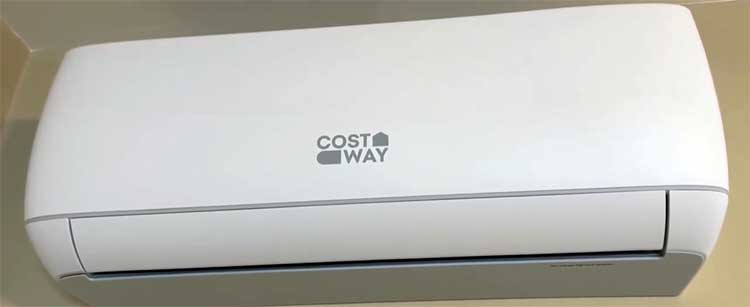
Costway models frequently advertise high SEER2 ratings and include app control at equipment prices well below professional-grade systems. I checked a few Costway heat-pump kits and the listed efficiency looked competitive for the category.
Real-world feedback is mixed: many units perform well in the first year, yet warranty length varies and some owners report difficulty getting parts or support once coverage ends.
Bryant systems carry the backing of Carrier manufacturing standards and a ten-year registered parts warranty that stays in force for the original owner. That longer coverage matters when you plan to keep the system for a decade or more.
Noise levels and temperature hold are generally tighter on the Bryant units I have experienced, especially during partial-load operation. Costway can deliver acceptable comfort for a shop, garage, or secondary room if the installation is done carefully and the climate is moderate.
For the main living area where I wanted consistent performance and straightforward service options, the Bryant investment paid off through fewer worries and measurable energy savings.
Frequently Asked Questions (FAQ)
Yes. Bryant delivers solid efficiency, quiet operation, and reliable performance backed by Carrier engineering and a 10-year registered parts warranty.
Mitsubishi and Daikin often rank at the top for long-term reliability, with Bryant close behind when installed and maintained properly.
Both perform well. Daikin may edge out on some premium features and peak efficiency, while Bryant usually costs less installed and shares the large Carrier service network.
Single-zone systems typically install for $2,000 to $6,000. Multi-zone projects commonly range from $6,000 to $15,000 or more depending on capacity, number of heads, and local labor.
Wrapping Up
You should buy a Bryant mini split if you want efficient zoned comfort, quiet operation, and the backing of a proven HVAC brand at a competitive price. The system I installed continues to deliver steady temperatures and noticeable bill savings with only basic filter care.
Register it promptly, keep the outdoor unit clear, and you can expect years of reliable service. Contact an authorized dealer for a load calculation and quote tailored to your rooms.
The combination of performance and value makes this a practical choice for most homes seeking ductless heating and cooling.