
Why Is Crate & Barrel So Expensive? – What I Noticed in the Materials and Build
I stood in a Crate & Barrel store last month staring at a walnut dining table that felt solid under my hands and looked clean enough to belong in a magazine.
The price still made me pause. That moment pushed me to figure out why Crate & Barrel is so expensive and whether the extra cost actually shows up in the pieces you live with every day.
This piece walks through the concrete reasons I keep coming back to, based on what I have seen, touched, and lived with, so you can decide for yourself if the premium lines up with what you want in your space.
The Core Reasons Crate & Barrel Prices Run Higher
- Superior material selection and construction methods
- Exclusive design work and limited collections
- Strict quality standards across production
- Brand positioning that supports higher margins
- Store environments and service that add real cost
- Focus on pieces meant to last years instead of seasons
- Operational choices around locations and inventory
Also Read: Is Luonto Sleeper Sofa Worth Your Money?
Superior Material Selection and Construction Methods
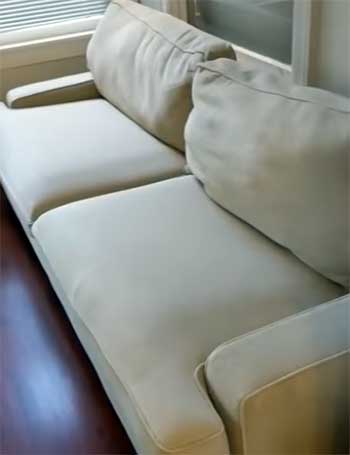
When I ran my hand along the edge of one of their sofas, the frame felt denser than the particleboard pieces I have owned before.
Crate & Barrel regularly specifies solid hardwoods, kiln-dried to control movement, and kiln-dried frames joined with stronger joinery rather than simple screws and glue.
The upholstery I examined used higher-density foam that still held its shape after months of daily use in my own living room, plus tightly woven fabrics that resist pilling better than the open weaves common at lower price points.
Hardware matters too.
Drawer slides on the dressers I checked out were metal, full-extension, and rated for repeated cycles, not the plastic runners that start to sag after a year.
Table bases often incorporate thicker steel or solid wood rather than hollow tubing.
Those choices raise the cost of every unit because the raw materials themselves cost more and the labor to assemble them correctly takes longer.
I noticed the difference most clearly in everyday pieces like their cookware. A stainless-steel sauté pan from their collection had a heavier base and a better-fitting lid than the thin pans I had bought elsewhere.
The extra metal and the tighter tolerances show up on the receipt, yet they also mean the pan heats more evenly and the lid stays put when I tilt it. None of this is invisible luxury; it is the kind of construction you can feel the first time you open a drawer or sit down.
Exclusive Design Work and Limited Collections
Crate & Barrel does not simply reorder the same generic shapes every season. Many of the tables, lamps, and sofas I have seen carry design input from named collaborators or in-house teams that develop proportions and details you will not find at every other retailer.
That development work—sketching, prototyping, testing finishes—adds cost before a single piece reaches the floor.
Because the runs are smaller than mass-market furniture, the factory cannot spread tooling and setup costs across hundreds of thousands of identical units.
I have watched certain finishes and fabric options disappear after a season, which tells me they are not ordering endless inventory. The result is a more curated look, but the economics of shorter production runs push the unit price higher.
When I compared a Crate & Barrel sideboard with a nearly identical silhouette from a big-box store, the differences were in the drawer interiors, the edge banding, and the way the doors aligned.
Those details come from design time and tighter manufacturing specs, not from simply raising the sticker price. You pay for the fact that the piece was drawn and engineered with a specific aesthetic in mind rather than assembled from the cheapest available components.
Also Read: Is Alf Italia Furniture Worth Your Money?
Strict Quality Standards Across Production
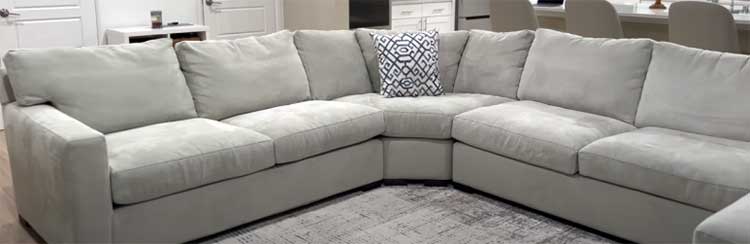
I once asked a salesperson how they handle returns on upholstered pieces, and the answer pointed to inspection steps that happen before anything ships. Crate & Barrel maintains quality checkpoints that catch uneven stitching, color variation, and structural issues early.
Those checkpoints cost money—extra labor, rejected batches, and slower throughput—but they reduce the chance you bring home a piece with a crooked leg or a fabric flaw that shows under normal light.
In my experience, the finish on wood pieces holds up better because the sanding and coating processes are more thorough.
I have owned a coffee table from them for three years; the top still shows almost no ring marks where I set glasses, which I attribute to the number of coats and the type of topcoat rather than luck. Cheaper tables I have tried developed cloudy spots within months.
Those standards also apply to the small goods. Glassware and ceramics I have purchased arrived without the chips or uneven glazes I sometimes see elsewhere.
Maintaining that consistency across thousands of items means paying for better suppliers and more careful packing, both of which land in the final price. The benefit is fewer surprises when the box arrives, which matters if you are furnishing a room on a timeline.
Brand Positioning That Supports Higher Margins
Crate & Barrel has spent decades building an image around modern, livable design rather than pure discount volume.
That positioning lets them price above the big-box average because shoppers expect a certain look and feel. I see it in the photography, the store layouts, and the way collections are presented as complete rooms instead of isolated items. Maintaining that image requires ongoing investment in marketing, visual merchandising, and product development that cheaper brands skip.
The higher margin also funds the ability to carry slower-moving specialty items—odd sizes, unusual finishes, or pieces that serve a narrower audience.
When I looked for a specific height console table, they had options that the mass retailers simply did not stock. Supporting that breadth of assortment means accepting lower inventory turns on some SKUs, which raises the overall cost structure.
From a buyer’s standpoint, the premium is partly for the convenience of finding coordinated pieces that already work together. I have walked out with a sofa, two chairs, and a rug that shared a color story without having to hunt across five different websites.
That curation has a cost, and it is reflected in what you pay for each individual item.
Store Environments and Service That Add Real Cost
Walking into a Crate & Barrel location feels different from walking into a warehouse-style store. The lighting, the spacing between displays, and the way rooms are staged all cost money to maintain.
Those environments are not free; rent in the kinds of shopping centers where these stores sit is high, and the staff who help you measure a sofa or explain fabric options are paid for their time and product knowledge.
I have used their design services once and found the advice practical rather than purely sales-driven. The person helping me checked door swings and traffic patterns before recommending a particular table size.
That level of attention requires training and staffing levels that discount retailers often reduce. When something arrived with a small scratch, the resolution process was straightforward, which I attribute to systems built to handle higher-ticket purchases.
None of this service is mandatory—you can order online and skip the store—but the infrastructure still exists and is priced into the goods. The trade-off is fewer damaged deliveries and clearer expectations about what you are buying, which has saved me time and return shipping on more than one occasion.
Also Read: Is Club Furniture Worth Your Money?
Focus on Pieces Meant to Last Years Instead of Seasons
I still use a set of Crate & Barrel dinner plates I bought five years ago. The glaze has not crazed, and the edges have not chipped the way cheaper stoneware sometimes does after repeated dishwasher cycles.
Furniture follows the same pattern.
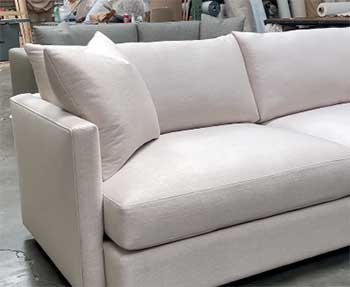
The sofa I mentioned earlier still looks structured because the frame and foam were specified for daily use rather than for a single season of photos.
That longevity changes the math.
A table that costs more up front but remains solid for a decade can cost less per year than a cheaper table you replace twice.
I have watched friends cycle through lower-priced furniture and end up spending more overall once moving costs, disposal, and the frustration of wobbly pieces are included. Crate & Barrel’s approach leans toward that longer horizon, which means they select materials and construction methods that support it.
The pieces also tend to hold their appearance better, so the room does not look dated as quickly. Neutral, well-proportioned designs age more gracefully than trend-driven shapes that fall out of favor in two years.
Paying more for that staying power is a choice, and it only makes sense if you plan to keep the items rather than refresh everything frequently.
Operational Choices Around Locations and Inventory
Crate & Barrel stores occupy space in higher-traffic, higher-rent areas where shoppers expect a certain presentation. Those leases and the associated costs of maintaining attractive displays do not disappear; they are recovered through product pricing.
Online orders still move through a distribution network sized for furniture, which means larger warehouses, specialized carriers, and more careful packaging than a small-goods retailer needs.
Inventory decisions also play a role. Because many items are bulky, the company carries enough stock to fulfill orders without months-long waits, yet not so much that warehouses overflow with unsold frames.
Balancing that requires forecasting and storage costs that pure drop-ship models avoid. When I ordered a sectional, it arrived within the window they quoted, fully assembled components ready to place, which reflects the systems built to handle that volume and size.
These operational realities sit underneath the sticker price even when you never visit a physical store. They are part of why the same style of piece can cost more here than at a retailer optimized solely for the lowest possible landed cost.
How These Factors Show Up in Everyday Pieces
The reasons above are not abstract. On a recent visit I sat in one of their accent chairs and noticed the seat height and arm angle felt intentional rather than generic. The fabric was tightly woven and the cushion recovered quickly after I stood up.
Those traits trace back to material choices, design time, and quality checks. The same pattern appears in their bedding and kitchen tools: heavier construction, cleaner finishes, and fewer visible shortcuts.
I have also seen the limits. Not every item feels dramatically better than a well-chosen alternative from a lower-priced brand, and some seasonal accessories carry a markup that is harder to justify on pure function.
The premium is most noticeable in the larger furniture and in the pieces you touch daily. Understanding which categories deliver the clearest difference helps you spend where the construction and design actually matter for how you live.
Also Read: Complaints Against Burrow Furniture.
Frequently Asked Questions (FAQ)
They sit in the upper-middle range. The materials and design are clearly better than average big-box options, yet they do not reach the level of fully custom or ultra-high-end showrooms.
For pieces you will use every day and keep for years, the construction and durability often justify the price. For trend-driven accessories you might replace soon, the value is harder to see.
Prices overlap heavily depending on the exact item. Crate & Barrel tends to emphasize cleaner modern lines while Pottery Barn leans more traditional or casual; neither is consistently higher across the board.
Relative to discount and big-box retailers, yes. You pay more for the materials, design work, store presentation, and expected lifespan of the products.
Closing Thoughts on the Price
After looking closely at the materials, the construction details, and the way the pieces hold up in real rooms, I understand why Crate & Barrel costs more than many alternatives.
The extra money covers denser frames, better hardware, tighter quality checks, and designs that were developed rather than copied at the lowest cost. You still have to decide whether those differences match how you use your space and how long you plan to keep each item.
If you value furniture and goods that feel solid under daily use and that continue to look intentional after several years, the pricing starts to make more sense.
If your priority is the lowest possible outlay for pieces you may replace soon, other options will serve you better. Either way, knowing exactly where the cost goes lets you choose with clearer eyes instead of simply reacting to the number on the tag.