
When I compare Carrier vs. Mitsubishi mini split systems, I focus on what you actually care about: comfort, efficiency, noise, heating power, reliability, installation support, and long-term value.
The aim of this article is simple: I want to help you decide which brand fits your home better without getting buried in confusing HVAC talk.
Carrier is often the practical value choice, while Mitsubishi usually feels like the premium performance pick. But the better option depends on your climate, budget, and comfort expectations.
| Category | Carrier Mini Split | Mitsubishi Mini Split |
| Best For | Budget-conscious homeowners wanting reliable comfort | Homeowners wanting premium ductless performance |
| Reliability | Good with proper installation | Excellent reputation in ductless systems |
| Heating Performance | Strong in mild to moderate climates | Excellent, especially cold-climate models |
| Cooling Performance | Reliable and effective | Very precise and consistent |
| Noise Level | Quiet, varies by model | Extremely quiet on many models |
| Efficiency | Good to very good | Very good to excellent |
| Price | Usually more affordable | Usually more expensive |
| Smart Controls | Available on select systems | Available, sometimes with add-ons |
| Installer Network | Broad HVAC dealer network | Strong ductless specialist network |
| Overall Value | Great practical value | Great premium long-term value |
Key Differences Between Carrier and Mitsubishi Mini Splits
- Brand focus and reputation
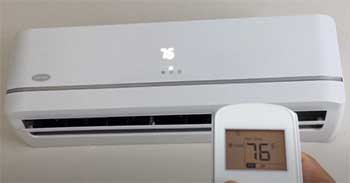
Carrier is one of the biggest names in HVAC. I usually think of Carrier as a full-system heating and cooling brand.
It makes furnaces, central air conditioners, heat pumps, packaged systems, and ductless mini splits.
That broad experience gives Carrier strong credibility, especially if you want a familiar brand with wide contractor support.
Mitsubishi is different. It has built a major reputation around ductless mini split systems. When someone asks me about premium mini splits, Mitsubishi is usually one of the first brands that comes to mind.
It is known for quiet operation, strong efficiency, advanced inverter technology, and excellent cold-climate heating options.
So, Carrier feels like the practical all-around HVAC brand. Mitsubishi feels like the specialist ductless brand.
- Price and upfront cost
Carrier mini splits are usually easier on the budget. If you want a good ductless system without paying top-tier pricing, Carrier can be attractive. This matters even more if you are installing multiple indoor units, because multi-zone systems can become expensive quickly.
Mitsubishi typically costs more upfront. The equipment, accessories, and installation may all come in higher than Carrier. But the higher price often reflects better cold-weather performance, quieter indoor units, refined comfort control, and a stronger ductless reputation.
If your main concern is upfront savings, Carrier may be the smarter pick. If you care more about premium performance over many years, Mitsubishi may justify the higher investment.
- Heating performance
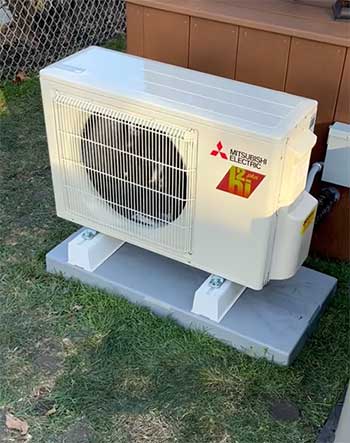
This is one of the biggest differences. Carrier mini splits can heat well, especially in mild or moderate winters.
For a sunroom, office, garage, basement, or bedroom, a Carrier heat pump may be more than enough.
Mitsubishi has the stronger edge in colder climates.
Its advanced cold-climate systems are designed to keep producing heat even when outdoor temperatures drop.
If you live in a place with harsh winters, Mitsubishi becomes much more compelling.
I would be comfortable choosing Carrier for mild-weather heating. For serious winter comfort, I would lean toward Mitsubishi.
- Noise and comfort feel
Both brands can be quiet, but Mitsubishi is often quieter. This is important if the system is going in a bedroom, nursery, office, or living room. A noisy indoor unit can ruin the whole experience, even if it heats and cools well.
Mitsubishi also tends to feel smoother during operation. The system can run at lower speeds for longer periods, keeping the room temperature more stable. Carrier also offers inverter-driven comfort, but Mitsubishi often feels more refined.
Comfort is not only about hitting the thermostat number. It is also about how evenly the room feels cooled or heated.
- Installer and service support
Carrier has a large HVAC dealer network. That can make it easier to find installation and service support in many areas. If you already trust a local Carrier dealer, that can be a big plus.
Mitsubishi also has strong contractor support, especially among ductless specialists. A skilled Mitsubishi installer can design a very effective zoning system and help you get the best performance from the equipment.
I would rather choose a Carrier system installed by an excellent contractor than a Mitsubishi system installed poorly. With mini splits, installation quality can make or break the result.
Key Features of Carrier Mini Splits
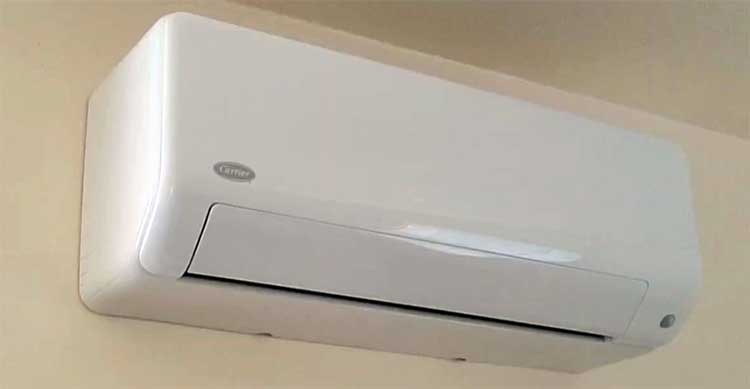
- Inverter-driven heating and cooling: Many Carrier mini splits use inverter technology. This allows the compressor to adjust speed instead of turning fully on and off all day. In real use, that means steadier temperatures, less energy waste, and fewer uncomfortable swings. If you are replacing a window AC, space heater, or older fixed-speed system, Carrier can feel like a major upgrade.
- Single-zone and multi-zone flexibility: Carrier offers single-zone and multi-zone ductless options. A single-zone system works well for one problem area, such as a garage, finished attic, home office, addition, or basement. A multi-zone system can connect several indoor units to one outdoor unit. This lets you control different rooms separately, which can be useful if your home has uneven temperatures.
- Heating and cooling in one system: Many Carrier mini splits are heat pumps, so they provide both cooling and heating. That makes them useful year-round. In mild climates, a Carrier mini split may handle much of your heating and cooling needs. In colder regions, you may still need backup heat depending on the exact model and your home’s insulation.
- Multiple indoor unit styles: Carrier offers different indoor unit styles, including wall-mounted units and other options depending on the lineup. Wall-mounted units are the most common, but they are not the only choice. If appearance matters to you, ask your contractor which indoor unit types are compatible with your setup.
- Practical smart control options: Carrier offers wireless and smart control options on certain systems. This can help you manage temperatures, schedules, and zones more easily. I would check the exact model before buying, though. Smart features can vary, and some systems may need extra accessories.
Pros of Carrier Mini Splits
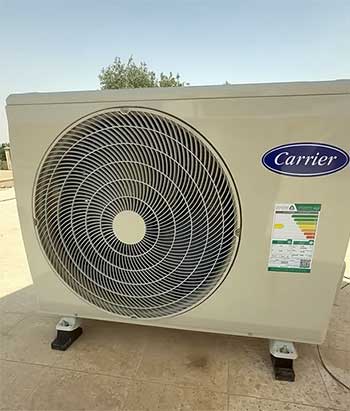
- More affordable upfront: Carrier is often less expensive than Mitsubishi. If you want dependable ductless comfort without spending premium money, Carrier can be a smart choice. This is especially useful for smaller projects where you may not need advanced cold-climate performance.
- Good everyday comfort: Carrier mini splits can cool and heat very well when properly sized and installed. For many homes, they provide exactly what is needed: quiet comfort, better efficiency, and room-by-room control. You do not always need the most expensive system to get a good result.
- Strong brand recognition: Carrier is a trusted HVAC name. Many homeowners feel comfortable choosing a brand they recognize. That recognition can also help when looking for local dealers, service technicians, or replacement parts.
- Great for additions and problem rooms: Carrier works well for rooms that your central HVAC system does not handle properly. Finished garages, bonus rooms, workshops, sunrooms, and converted spaces are good examples. Instead of redesigning your whole duct system, you can solve one comfort problem directly.
- Balanced value: Carrier’s biggest strength is balance. You get a known brand, useful features, solid performance, and a price that may be easier to manage. For practical homeowners, that combination can be hard to ignore.
Cons of Carrier Mini Splits
- Not always ideal for harsh winters: Carrier can heat well, but it is not always the first brand I would choose for extreme cold. If your winters are severe, you need to compare specific low-temperature performance ratings carefully. Choosing the wrong model can leave you relying too much on backup heat.
- Features vary by model: Carrier’s ductless lineup includes different tiers and configurations. Not every model has the same efficiency, heating power, noise rating, or control features. You need to compare exact model numbers instead of judging the whole brand at once.
- Less ductless-focused than Mitsubishi: Carrier is a broad HVAC brand, while Mitsubishi is more strongly tied to ductless systems. That does not make Carrier bad, but it does mean Mitsubishi often feels more specialized. For homeowners who want the most refined mini split experience, Carrier may feel less premium.
- Smart controls may require extra checking: Some Carrier systems support smart features, but you should verify what is included. App control, Wi-Fi, and zone management can depend on the model and accessories. I would never assume smart control is built in unless the quote clearly says so.
Key Features of Mitsubishi Mini Splits
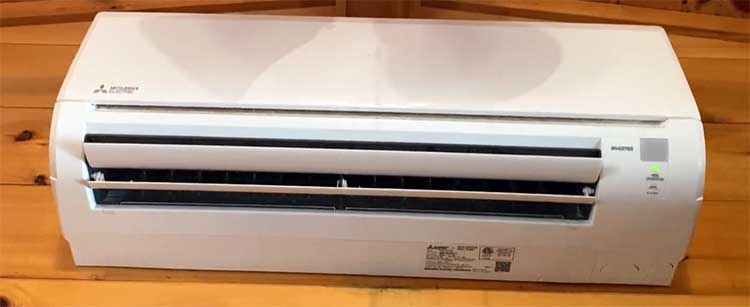
- Excellent cold-climate heating: Mitsubishi is especially strong when heating matters. Its premium cold-climate models are built to perform in low outdoor temperatures. That makes Mitsubishi a strong choice if you want a mini split that can do more than provide light seasonal heat. For cold regions, this is one of Mitsubishi’s biggest advantages.
- Very quiet indoor operation: Mitsubishi indoor units are known for being extremely quiet. In a bedroom or office, that matters more than people think. A quiet mini split fades into the background. You feel the comfort without constantly noticing the machine.
- Precise inverter control: Mitsubishi systems are designed for smooth variable-speed operation. Instead of blasting air in short cycles, they can run gently and steadily. This helps maintain even temperatures and can improve comfort during both heating and cooling seasons.
- Strong zoning options: Mitsubishi is excellent for zoning. If your home has rooms that behave differently, such as a hot upstairs bedroom or cold basement, Mitsubishi gives you strong control options. You can set different zones to different temperatures instead of forcing one thermostat to manage the whole home.
- Premium indoor unit choices: Mitsubishi offers wall-mounted units, floor-mounted units, ceiling cassette options, and concealed ducted options depending on the system. This gives you more design flexibility. If you do not love the look of a standard wall unit, Mitsubishi may offer a cleaner solution.
Pros of Mitsubishi Mini Splits
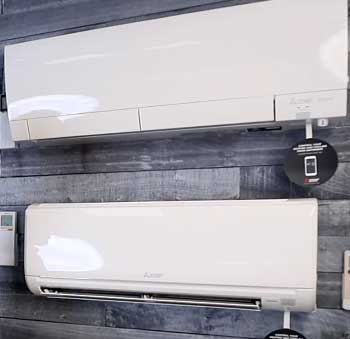
- Outstanding reliability reputation: Mitsubishi has one of the strongest reputations in the mini split category. When installed correctly, its systems are known for long-lasting performance. That reliability is a major reason many homeowners are willing to pay more.
- Excellent cold-weather heating: Mitsubishi is one of the better choices for cold-climate ductless heating. If you want a mini split that can handle serious winter conditions, Mitsubishi is hard to beat. This can be especially useful if you want to reduce use of oil, propane, baseboard heat, or older electric resistance heating.
- Extremely quiet operation: Mitsubishi indoor units are often impressively quiet. This makes them a strong choice for bedrooms, offices, nurseries, studios, and living areas. Noise is one of those details you may not think about until the system is running every day.
- Premium comfort control: Mitsubishi systems are very good at maintaining steady room temperatures. They do not just cool or heat quickly; they keep the room feeling balanced. That smooth comfort is one reason Mitsubishi feels more high-end.
- Strong design flexibility: Mitsubishi offers several indoor unit styles and zoning layouts. This makes it easier to build a system around your home instead of forcing your home to fit the system. For complex layouts, that flexibility can be valuable.
Cons of Mitsubishi Mini Splits
- Higher upfront price: Mitsubishi usually costs more than Carrier. For some homeowners, that price difference is the biggest drawback. If you only need basic cooling for one room, Mitsubishi may be more system than you need.
- Accessories can increase cost: Depending on the setup, Mitsubishi systems may need extra controls, adapters, or other components. These can raise the total installed price. Always ask for the full project cost, not just the equipment price.
- Contractor quality still matters: Even a premium Mitsubishi system can perform poorly if installed badly. Poor sizing, bad placement, weak drainage, or sloppy refrigerant work can create comfort and reliability problems. The brand matters, but the installer matters just as much.
- May be overkill in mild climates: If your winters are mild and your cooling needs are simple, Mitsubishi’s premium capabilities may not be necessary. In that case, Carrier may give you better value.
Which One Should You Choose?
I would choose Carrier if I wanted a dependable mini split at a more reasonable upfront cost. It makes sense for additions, garages, offices, bedrooms, and mild-climate homes. Carrier is also appealing if you already have a trusted local Carrier dealer.
I would choose Mitsubishi if I wanted the best overall comfort experience. It is the stronger pick for cold climates, quiet rooms, premium zoning, and long-term reliability. Mitsubishi costs more, but it often feels more polished.
The real answer depends on your home. If you are trying to solve one room’s comfort problem, Carrier may be enough. If you are building a serious whole-home ductless setup, Mitsubishi deserves strong consideration.
Also Read: Differences Between Durastar And Mitsubishi Mini Split AC.
Frequently Asked Questions (FAQ)
Mitsubishi is often considered one of the most reliable mini split brands, especially when installed by an experienced ductless contractor.
Mitsubishi is usually better for premium comfort, quiet operation, and cold-climate heating. Carrier is better for value and practical everyday performance.
Yes, Carrier is a good mini split brand. It offers reliable comfort, useful features, and strong dealer support.
Some Carrier mini split models or components may be made in China or other countries. Check the exact model label or ask the dealer before buying.
Wrapping Up
When I look at Carrier vs. Mitsubishi mini split systems, I see two good choices for different buyers. Carrier is the better fit if you want dependable comfort, a lower upfront price, and a trusted HVAC name.
Mitsubishi is the better fit if you want quieter operation, stronger cold-weather heating, better zoning flexibility, and a premium ductless experience.
The aim here is to help you choose with confidence: match the brand to your climate, budget, room layout, and installer quality, and you will make a much smarter decision.