
I recently compared the Andersen 200 Series and 400 Series after walking through several home projects where the choice came down to budget versus flexibility.
Both lines deliver real wood interiors protected by Andersen’s Perma-Shield vinyl cladding on the outside, yet they split sharply on styles, colors, sizes, and final price.
I put this comparison together so you can match the series to your openings, your climate, and what you actually want to spend without guessing later.
| Feature | Andersen 200 Series | Andersen 400 Series |
| Core Build | Wood (pine) interior, Perma-Shield vinyl exterior | Wood interior, Perma-Shield vinyl exterior |
| Primary Styles | Double-hung, gliding, picture | Casement, awning, double-hung, gliding, picture, bay/bow, specialty shapes |
| Exterior Colors | White, Sandtone | Up to 7 (White, Canvas, Sandtone, Terratone, Forest Green, Dark Bronze, Black) |
| Interior Options | Unfinished pine or white | Pine, maple, oak; prefinished white, black, dark bronze and more |
| Sizing | Standard modular sizes | Standard plus custom in 1/8-inch increments, larger maximums |
| Glass Upgrades | Low-E, HeatLock, SmartSun options | Broader packages including triple-pane on select models |
| Typical Cost Position | Lower (value wood) | Higher (premium wood with more options) |
| Best Fit | Standard openings, tighter budgets, simple look | Full-house consistency, custom openings, more design control |
Key Differences Between Andersen 200 Series and 400 Series
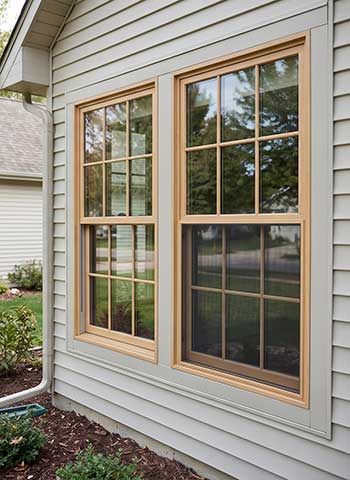
- Style range is the clearest split. The 200 Series sticks to double-hung, gliding, and picture windows that cover the majority of standard homes. The 400 Series adds casement, awning, bay/bow, and specialty shapes so an entire elevation can stay within one product family even when openings vary.
- Color and finish flexibility diverges quickly. Two exterior colors and two interior choices on the 200 Series keep ordering simple. Seven exterior colors plus multiple wood species and prefinished interiors on the 400 Series let you match existing trim or create a more contemporary look.
- Sizing and customization differ in practice. Modular standard sizes on the 200 Series work when openings are typical. Custom 1/8-inch increments and larger maximum dimensions on the 400 Series reduce filler and site work on older or uniquely framed houses.
- Energy-upgrade depth is wider on the 400 Series. Both lines accept Low-E coatings and can meet ENERGY STAR levels, yet triple-pane glass and certain advanced packages appear on more 400 Series models, giving northern projects a lower U-factor path.
- Hardware and operational feel improve with the step up. Locks and lifts on the 200 Series are reliable. Casement cranks, more finish options, and heavier-duty mechanisms on the 400 Series feel more refined in daily use.
- Price gap widens with options. Base double-hung units are closer in cost; once you add a dark exterior, custom size, or triple-pane glass the 400 Series premium grows. Labor for removal and installation stays similar, so the material difference is the main driver.
- Availability and lead time favor the 200 Series for simple jobs. High-volume production means common 200 Series units often arrive sooner. Custom 400 Series orders take longer but arrive exactly matched to the openings.
Also Read: Differences Between Retrofit And Replacement Windows.
Key Features of the 200 Series
- Real pine wood on the interior that you can stain or paint to match trim and flooring. The grain shows through when left natural, giving rooms a warm, traditional feel without the full cost of higher lines.
- Perma-Shield vinyl cladding on the exterior that never needs painting. The vinyl is formed around the wood so moisture stays out and the frame resists dents and weathering better than bare wood ever could.
- Tilt-wash double-hung operation on the main models so both sashes tip inward for cleaning from inside the house. This matters on second stories or any window you don’t want to reach from a ladder.
- Energy-efficient glass packages including Low-E coatings, optional HeatLock technology, and SmartSun for southern exposures. Typical U-factors land between roughly 0.26 and 0.32 depending on the exact glass and grilles you pick.
- Standard modular sizing that covers the most common residential openings. Lead times are usually shorter because the factory runs these in higher volume.
- Basic hardware finishes that still operate smoothly for years. The locks and lifts are functional rather than decorative, which keeps the cost down.
- ENERGY STAR capable configurations in most climate zones when you select the right glass. You can hit the numbers needed for rebates in many areas without stepping up to triple-pane.
Pros of the Andersen 200 Series
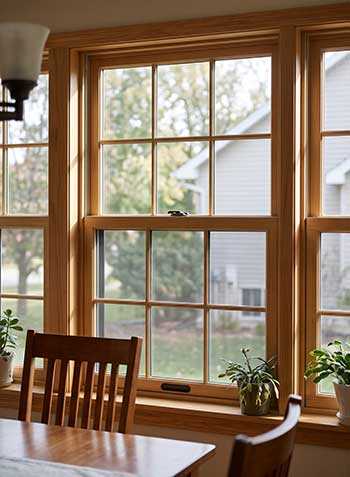
- Lower purchase price than the 400 Series for comparable standard sizes. On a whole-house project the savings can reach several thousand dollars while you still get wood interiors and the same basic exterior protection.
- Low exterior maintenance. Once installed, the Perma-Shield cladding needs only occasional washing. You avoid the scraping and repainting cycle that pure wood exteriors demand every few years.
- Solid everyday performance. In my experience reviewing replacement projects, these windows seal well enough for most climates and reduce drafts compared with older single-pane or aluminum frames.
- Faster availability. Because the style and color list is short, dealers often stock common sizes or can order them quicker than fully custom 400 Series units.
- Consistent look across double-hung and gliding units. If your home mainly uses those two styles, the 200 Series covers the openings without forcing you into a higher series.
- Transferable limited warranty that covers the glass for 20 years and non-glass parts for 10 years. That coverage matches the 400 Series on the core components.
Cons of the Andersen 200 Series
- Restricted style selection. You won’t find casement, awning, bay, bow, or arched units in the 200 Series. If even one opening needs a specialty shape, you either change the plan or switch series.
- Narrow color palette. White and Sandtone cover most traditional homes, yet modern or darker exterior schemes usually need the extra choices in the 400 Series.
- Limited interior finish options. Unfinished pine or factory white works for many rooms, but you cannot order maple or oak or a factory dark bronze interior the way you can on higher lines.
- Standard sizes only. Custom increments are not available, so slightly odd openings may require extra filler or a different series.
- Fewer glass upgrades. Triple-pane is limited or unavailable on most 200 Series windows, so northern climates that want the absolute lowest U-factor may need to look higher.
- Hardware is functional but basic. The finishes and mechanisms feel solid yet lack the heavier, more refined options found on the 400 Series.
Key Features of the 400 Series
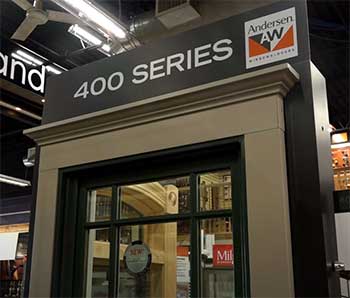
- Same wood-core construction with Perma-Shield vinyl cladding, yet the cladding and sash engineering support a wider range of operating styles and larger units.
- Full style lineup including casement and awning windows that crank open for maximum ventilation, plus bay and bow assemblies and specialty arched or geometric shapes.
- Seven exterior color choices that let you match brick, siding, or trim more precisely. Black and Dark Bronze have become popular on newer builds.
- Interior wood species options of pine, maple, and oak, plus prefinished colors such as white, black, and dark bronze on many models. Woodwright double-hung units expand the stain-grade choices further.
- Custom sizing in 1/8-inch increments and higher maximum dimensions. This flexibility reduces the need for on-site modifications on older homes.
- Expanded glass packages that include triple-pane options on select casement, awning, and some double-hung models. U-factors can drop into the mid-0.20s with the right Low-E and gas fill.
- Broader hardware selection with more finish colors and, on casement models, smoother crank mechanisms. Stormwatch impact packages are also available for coastal zones.
- Tilt-to-clean features on double-hung units and easy-clean hardware across the line so maintenance stays simple despite the extra design options.
Pros of the Andersen 400 Series
- Design consistency across an entire house. You can mix double-hung, casement, and picture units in one series and still match exterior color and interior wood species.
- Better fit for renovation projects. Custom sizes and specialty shapes mean fewer compromises when openings are irregular or when you want architectural interest.
- Stronger energy-performance ceiling. With triple-pane and advanced coatings available on more models, you can reach lower U-factors than standard 200 Series configurations in cold climates.
- Premium interior feel. Maple or oak grain and factory dark finishes elevate the look of living rooms and kitchens without extra carpentry work.
- Higher resale appeal in many markets. Buyers recognize the 400 Series name and the broader customization it represents.
- Same core warranty coverage as the 200 Series on glass and parts, so the long-term protection stays comparable while you gain the extra options.
Also Read: Differences Between Pella And Renewal by Andersen Windows.
Cons of the Andersen 400 Series

- Higher cost. The price premium typically runs 15–30 percent or more once you add colors, custom sizes, or upgraded glass. On a large project the total difference can be substantial.
- Longer lead times on custom units. Specialty shapes and non-standard colors take longer to build than the high-volume 200 Series models.
- Interior wood still needs occasional care. Even with factory finishes, the wood can show wear over decades if humidity swings are extreme, though the exterior cladding protects the structural frame.
- More decisions during ordering. The expanded catalog means more time spent choosing hardware, grilles, and glass packages.
- Heavier units on some styles. Larger casement and bay assemblies weigh more, which can affect installation logistics on upper floors.
Performance and Energy Efficiency Compared
Both series use dual-pane insulating glass as standard and can be ordered with Low-E coatings that reflect heat. I have seen typical U-factors for 200 Series double-hung units land between 0.26 and 0.32 depending on the exact Low-E package, argon fill, and whether grilles are present.
The 400 Series reaches similar numbers on basic glass and can go lower—sometimes into the low 0.20s—when triple-pane or enhanced HeatLock coatings are selected on casement and select double-hung models.
In a moderate climate the difference in annual energy cost is often modest if the glass package is matched. In a cold northern zone the ability to specify triple-pane on more 400 Series styles becomes noticeable on heating bills and comfort.
Both lines carry the same transferable limited warranty on the insulated glass units, so seal longevity expectations stay aligned. Air infiltration ratings are competitive for wood-clad products; proper installation still matters more than the series name once the windows are in the wall.
Cost Breakdown and Value
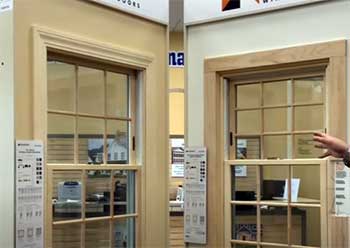
Unit pricing for a standard-size double-hung often starts lower on the 200 Series—sometimes several hundred dollars less before installation.
Installed totals commonly range from the mid-hundreds to around fifteen hundred dollars for basic 200 Series windows and climb higher for 400 Series once size, style, color, and glass upgrades enter the quote.
On a ten-window project the material difference can easily exceed two to four thousand dollars, yet the labor portion stays roughly the same.
The value calculation depends on what you actually need.
If every opening is a standard double-hung or gliding window and White or Sandtone works, the 200 Series delivers the wood interior and low-maintenance exterior for less money.
If you need casements, custom sizes, or a specific dark exterior color, the 400 Series premium buys features the 200 Series simply does not offer. I have watched homeowners save money with the 200 Series on straightforward replacements and then regret the choice when a later addition required a specialty shape that forced a mismatched series.
Choosing the Right Series for Your Home
Start with your openings. Count how many are double-hung or gliding versus how many need casement, awning, or unusual shapes. If the unusual ones are few, some people mix series; most prefer one consistent line.
Next look at exterior color and interior finish goals. Limited palettes on the 200 Series work for many traditional homes. Broader choices on the 400 Series matter when you are matching existing brick or creating a modern black-trim look.
Climate and energy goals come third. Moderate zones are well served by either series with the right Low-E glass. Cold zones that want the lowest possible U-factor lean toward the 400 Series for its triple-pane availability.
Finally compare quotes side by side for the exact sizes and options you need. The percentage difference shrinks on large projects once installation labor is included, yet the absolute dollars still matter.
Also Read: Differences Between Marvin And Milgard Windows.
Frequently Asked Questions (FAQ)
Fibrex composite (used mainly in the 100 Series) costs more than basic vinyl, offers fewer color and style choices than wood lines, and can show minor thermal movement in extreme temperature swings even though it is stronger than pure vinyl.
The 400 Series typically runs 15–30 percent or more higher per window once options are equalized; the gap grows with custom sizes, extra colors, and upgraded glass while installation labor stays similar.
Yes. They use the same wood-core and Perma-Shield cladding approach as the 400 Series, carry the same core warranty, and deliver solid energy performance and durability for standard openings.
The 400 Series is the long-time bestseller for its balance of wood interiors, customization, and performance; the A-Series and E-Series sit higher for architectural or maximum-efficiency needs.
Wrapping Up
I have watched both series perform well when the choice matches the house. The 200 Series gives you reliable wood interiors and Perma-Shield exteriors at a lower price when your openings and color needs stay standard.
The 400 Series expands those same strengths into more styles, colors, sizes, and energy options so the whole project stays consistent.
You should measure your openings, list the styles and finishes you actually want, and then compare local quotes; that process shows which series delivers the performance and look you need without paying for features you will never use.