
After years of staring at the same worn counters and faded cabinets, I finally pulled the trigger on a Home Depot kitchen renovation and the difference hit me the moment the last piece went in.
You should buy into this option if you want a practical way to refresh the most used room in your house without the endless back-and-forth of custom shops.
The materials hold up for everyday life, the process fits real schedules, and the end result makes cooking and gathering feel new again. Check it out and see how it can change your daily routine for the better.
My Experience With The Home Depot Kitchen Renovation

I started with a small galley kitchen that had not seen real attention in over a decade.
The laminate was peeling at the edges, the doors stuck on humid days, and every meal felt like a wrestling match with limited storage.
I visited the local Home Depot, walked through the cabinet displays, and sat down with a designer who measured the space on the spot.
We settled on a mid-range Hampton Bay style in white shaker because it looked clean without locking me into a high price.
The quote covered cabinets, a quartz countertop, and basic installation. I paid a bit more for soft-close hardware and a few pull-out organizers.
Delivery arrived in about three weeks. A couple of boxes showed minor scuffs, so I swapped them at the store the same day.
Assembly for the ready-to-assemble pieces took one weekend with a friend. The boxes lined up better than I expected once the level was on them.
Installation of the countertop and sink happened the following week. The crew finished in two days, though one drawer front needed adjustment the next morning. I called and they sent someone back within 48 hours. That small follow-up mattered.
Living with the new kitchen for several months showed me the real test. Morning coffee no longer means wiping water rings off the old laminate. The soft-close drawers stay quiet when the kids slam them. Storage fits our pots and pans without stacking everything on the counter.
Cleaning takes less time because the smooth finish wipes clean with a damp cloth. Guests comment on how open it feels even though the footprint stayed the same. The only snag came when a hinge loosened after heavy use; a quick tighten fixed it.
Overall the space functions the way I hoped it would when I first walked into the store. You get a working kitchen that looks intentional without the premium cost of a full custom build. I still notice small details every day that make the investment feel right.
Also Read: Let’s Use Online Kitchen Remodel Cost Calculator.
Pros of Home Depot Kitchen Renovation
- Wide Selection Of Styles And Finishes In One Stop
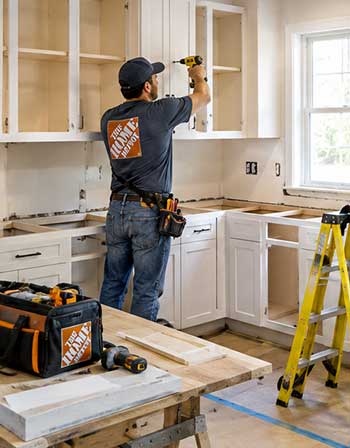
You walk in and see traditional oak, modern white, gray shaker, and even some wood-look options all in the same aisle.
I spent an afternoon comparing door profiles and hardware samples until I found the exact look that matched the rest of the house.
That single-visit shopping saves the time you would spend driving between showrooms.
The designer can pull samples and show you how different countertops sit against the cabinet colors under the store lights.
You leave with a clear picture instead of a stack of catalogs.
When I added the quartz top, the color matched the cabinet sample almost perfectly once installed.
Having everything under one roof means fewer coordination headaches between suppliers.
You also catch sales on individual pieces while you finalize the larger order.
The variety covers most budgets, so you can start basic and upgrade hardware or organizers later without starting over.
- Competitive Pricing That Leaves Room For Upgrades
Stock and ready-to-assemble lines keep the cabinet portion lower than many local shops. My total for cabinets, counter, and install stayed under what two contractors quoted for similar work.
That savings let me add better drawer slides and a couple of specialty inserts. Financing options at the store made the monthly payment manageable while the work finished.
I watched prices on comparable semi-custom lines at other places and saw Home Depot land lower on the same style of shaker door.
The return policy also gives you a safety net if a piece arrives damaged or the color looks different in your lighting. You can exchange before the installers arrive.
That price flexibility means you control where the money goes instead of watching it disappear into labor markup. I used the leftover budget for new lighting that made the whole room brighter.
- Design Help And Measurement Support
The in-store designer measured my walls, noted the existing plumbing, and sketched a layout that fixed the awkward corner cabinet. You do not need to bring your own plans on the first visit.
They walk you through how the pieces fit and where the fillers go. That guidance prevented the gaps I saw in other kitchens online.
Once the order went in, the same person followed up with timeline updates. You get a contact who already knows your project instead of starting over with a new person.
The process still requires you to double-check measurements yourself, but the starting point is solid. I appreciated seeing the 3D view on the screen before I signed. It showed how the island would sit relative to the fridge and sink. That step reduced second-guessing once the materials arrived.
- Accessible Installation Options
You can handle the ready-to-assemble cabinets yourself if you are comfortable with basic tools, or you can hire the store’s partner installers. I chose the partner route for the countertop and sink because those steps involve plumbing.
The crew worked efficiently and cleaned up each day. Having the option means you match the service level to your skill and schedule. Friends who did full DIY reported the boxes went together with clear instructions and common hardware.
You control the timeline more when you do the assembly. Either path gets the kitchen usable faster than waiting on a fully booked local contractor. The warranty on the products still applies either way. I liked knowing I could call the store if a part needed replacement after the installers left.
- Strong Availability For Common Sizes
Many standard base and wall cabinets sit in stock or ship within days. That speed helped when I decided to add an extra drawer unit late in the process.
You avoid long lead times on the most popular sizes. Semi-custom pieces take longer, yet the stock options cover a lot of typical kitchens. I picked up filler strips and end panels the same day I noticed a small gap. That quick access kept the project moving.
You can also grab matching hardware and accessories while you are already at the store. The combination of ready stock and order options gives you flexibility most specialty shops cannot match on short notice.
Also Read: Are Redo Cabinets Worth Your Money?
Cons of Home Depot Kitchen Renovation
- Variable Quality Across Product Lines
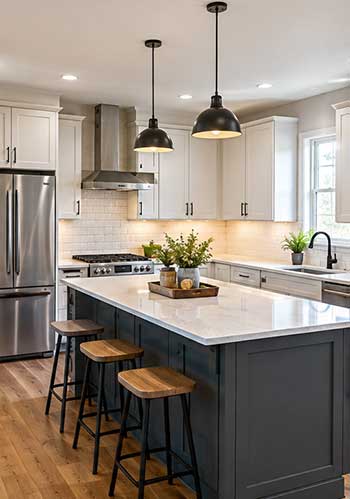
Basic stock cabinets use particleboard boxes that can swell if water sits for long periods.
Higher lines switch to plywood and feel sturdier.
I stuck with the better box construction after reading how lower tiers hold up.
You need to open sample doors and check the drawer bottoms in the store.
Some finishes show fingerprints more easily and require regular wiping.
Soft-close hardware is not standard on every model, so you add it as an upgrade.
The difference shows up after a year of daily use. Lower-cost doors can develop small gaps at the joints if the house moves with seasons.
Checking the specific construction details before you order prevents later regret.
I inspected every box on delivery and returned two that had crushed corners.
- Installation Results Depend On The Assigned Crew
Partner installers vary by location. Some projects finish clean with tight seams. Others need callbacks for alignment or missing screws.
My countertop crew did solid work, yet a friend reported gaps along the backsplash that required a second visit.
You should stay home during the install and review the work before they leave. Document any issues the same day. Communication can slow down when the crew is subcontracted.
Calling the store manager sometimes moves things faster than waiting on the installer. That extra step adds time but protects the finished result.
Clear expectations in writing help. I asked for photos of completed sections so I could compare later if anything shifted.
- Limited Customization For Unusual Layouts
Standard sizes cover most kitchens, yet odd angles or non-standard depths force filler pieces or compromises.
My corner cabinet worked, but a friend with a curved wall needed extra trim that never looked seamless. You cannot order truly custom dimensions the way a local cabinet maker can. Specialty storage like pull-outs for odd spaces may not fit the available options.
Planning around the stock sizes early avoids mid-project changes. The designer can suggest work-arounds, yet those still cost extra time and material. If your kitchen has many non-standard walls, the fit may require more on-site adjustments. I measured twice and still used one filler that took extra painting to blend.
- Customer Service Can Require Persistence
When a part arrives wrong or the timeline slips, reaching the right person takes calls and store visits. Online tracking sometimes lags behind actual delivery. I waited an extra few days for one cabinet and had to ask at the pro desk for an update.
Once you reach a knowledgeable associate, problems usually get solved. The volume of projects means your issue is one of many. Keeping notes of who you spoke with and when speeds up later contacts.
Corporate escalation works for larger problems, yet it takes more effort than a small local shop. You manage more of the follow-up yourself. That reality fits people who stay organized but frustrates anyone expecting full hand-holding.
Also Read: Are Mantra Cabinets Worth Your Money?
Maintenance Tips For Your Home Depot Kitchen
- Wipe Surfaces Daily To Protect Finishes
A quick pass with a soft cloth and mild soap keeps fingerprints and grease from building up on the cabinet doors. I do this while the coffee brews and it takes less than five minutes. Avoid abrasive pads that can dull the finish over time.
For the quartz counter, a damp microfiber cloth removes spills before they dry. That habit prevents stains that might need stronger cleaners later. You extend the look of the kitchen by catching messes early. The same routine works on the sink and faucet.
Regular wiping also lets you spot any loose hardware before it becomes a bigger fix. I keep a spray bottle of diluted dish soap under the sink for this purpose. It matches what the care guide recommends and costs almost nothing.
- Tighten Hardware And Check Alignment Every Few Months
Screws on hinges and drawer slides loosen with normal use. I run a screwdriver over the visible ones every season and catch them before doors sag. Soft-close mechanisms last longer when the cabinet stays level.
If a door starts to rub, adjust the hinge screws in small turns. That simple check prevents the need for a full realignment later. You also look for any swelling around the sink base during the same walk-through. Early detection means you can dry the area and seal it before damage spreads.
I mark the calendar so the check becomes automatic. The process takes about twenty minutes and keeps everything operating smoothly. Friends who skipped it ended up with doors that needed replacement after a couple of years.
- Manage Moisture Around The Sink And Dishwasher
Water is the main enemy of cabinet boxes. I wipe the edge of the sink after every use and keep a mat under the dish rack. If a leak appears under the sink, dry it immediately and check the connections. Silicone caulk along the countertop seam needs inspection once a year.
Touch up any gaps so moisture cannot reach the cabinet sides. You protect the investment by treating the wet zone with extra care. Running the dishwasher exhaust away from cabinet faces also reduces steam exposure.
These steps cost nothing yet make a clear difference in how the lower cabinets hold up. I replaced one small seal after the first year and the rest stayed dry.
- Refresh Hardware And Touch Up Minor Marks
Drawer pulls and knobs can be swapped if styles change or pieces wear. I bought matching extras at the same time as the original order so replacements match exactly. Small scratches on doors respond to the touch-up kit that came with the cabinets.
Apply it sparingly and blend with a soft cloth. You keep the kitchen looking current without a full repaint. Cleaning the tracks on soft-close slides with a dry brush removes crumbs that slow them down.
That maintenance takes minutes and restores the quiet close you liked on day one. Seasonal deep cleans of the interiors prevent odors from building in closed spaces. The combination of small actions keeps the renovation feeling fresh years later.
Comparison of Home Depot Kitchen Renovation With Other Brands
- Home Depot And Lowe’S
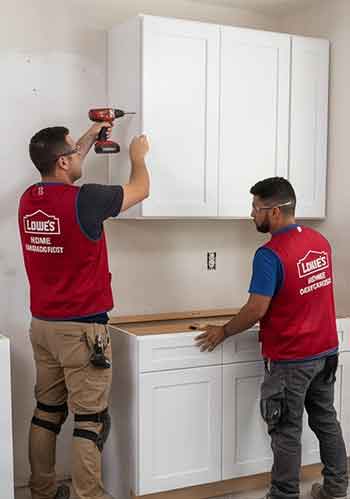
Both stores offer similar stock and semi-custom lines at close price points.
Lowe’s often partners with different manufacturers, so the exact door styles and box constructions differ.
I compared the same white shaker look and found Home Depot’s in-stock options arrived faster for my size.
Lowe’s sometimes runs deeper discounts on specific brands, yet the overall project quotes landed within a few hundred dollars.
Design help feels comparable, though the individual designer’s experience at your local store decides the quality of the layout.
Installation partners exist at both, and results vary the same way.
You shop the specific finishes you like rather than choosing one retailer over the other on name alone.
The convenience of whichever store sits closer often tips the decision.
- Home Depot And Ikea
Ikea uses a modular system with consistent particleboard boxes and modern fronts at a lower starting price. Assembly is expected, and the look stays clean and minimal. Home Depot gives you more traditional American styles and the choice of pre-assembled or ready-to-assemble pieces.
Ikea kitchens fit well when you want a uniform modern appearance and plan to handle most of the work yourself. Home Depot covers a wider range of door profiles and finishes if your house has a classic or transitional style.
Lead times stay short for Ikea stock items, similar to Home Depot’s in-stock cabinets. You choose Ikea for the lowest material cost and modern aesthetic, or Home Depot when you want more style variety and optional professional installation in one place.
- Home Depot And Local Custom Shops
Custom makers build to exact dimensions and can match unusual wall angles without fillers. The quality of materials and joinery often sits higher, especially on solid-wood or thick plywood boxes.
That precision costs more and takes longer from measurement to install. Home Depot stock and semi-custom lines deliver a finished kitchen in weeks instead of months for most standard layouts. I saw quotes from local shops that doubled the cabinet portion alone.
The custom route makes sense when your kitchen has complex angles or you plan to stay in the house for decades and want the absolute best fit. Home Depot works when you need the space usable sooner and the budget stays realistic.
Both paths produce functional kitchens; the difference shows up in the timeline and the final price.
Also Read: Comparison of Cubitac And Fabuwood Kitchen Cabinets.
Frequently Asked Questions (FAQ)
Yes for most standard kitchens when you choose mid-range or better lines and stay involved during install.
It covers a basic cabinet swap and laminate counters in a small kitchen if you handle some work yourself.
Quality matches the price tier; plywood boxes and soft-close hardware hold up well for daily use.
Yes for a full mid-range update with quartz counters, new appliances, and professional installation in an average kitchen.
Wrapping Up
The finished kitchen still surprises me when I walk in each morning. You get the practical upgrade you need without stretching the budget past what makes sense.
The materials perform for real cooking and the layout works for how your family actually moves. Start the process at Home Depot and see the difference a focused renovation can make in the space you use every day.