
I was staring at my aging exterior last spring and realized the choice between aluminum and vinyl siding isn’t as straightforward as the sales pitches make it sound.
Both have been around for decades, yet they perform differently once the weather hits.
After comparing quotes, talking to installers, and looking at houses in my neighborhood that use each material, I put together a clear side-by-side so you can see what actually matters for cost, durability, and how the house will look in ten years.
This comparison focuses on the practical differences that affect your wallet and your weekends.
| Aspect | Aluminum Siding | Vinyl Siding |
| Installed Cost (per sq ft) | $3.50–$7.00 | $3.50–$7.00 |
| Typical Lifespan | 30–50 years | 20–40 years |
| Impact / Hail Resistance | Permanent dents from moderate impacts | Flexes and often recovers; can crack in extreme cold |
| Fire Resistance | Non-combustible | Melts and deforms |
| Maintenance | Wash + repaint every 10–15 years | Occasional wash only |
| Color & Style Options | Limited palette and profiles | Hundreds of colors and textures |
| Energy Efficiency | Conducts heat unless insulated behind | Slight inherent R-value; better with insulated panels |
| Recyclability | Fully recyclable | Difficult to recycle in practice |
| Noise | Noticeable in rain and hail | Quieter |
| Best Suited For | Coastal areas, fire zones, long-term ownership | Budget projects, low-maintenance homes |
Also Read: Comparison of HardiePlank And Vinyl Siding.
Key Differences Between Aluminum and Vinyl Siding
- Cost reality over time
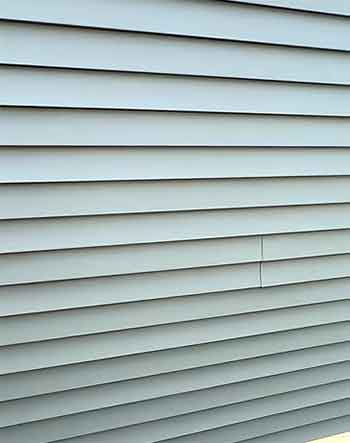
Upfront installed prices often land in the same range, but aluminum’s repaint cycle adds thousands of dollars over a couple of decades while vinyl stays essentially paint-free.
I tracked three local quotes and the material-plus-labor gap rarely exceeded 10 percent, yet the aluminum jobs all included a note about future coating work.
That extra expense shows up when the factory finish starts chalking, and many owners end up spending as much on one full repaint as they originally paid for a large portion of the vinyl material itself.
- Impact behavior in storms
Aluminum panels are thin metal and take permanent dents from hail, ladders, or even a baseball.
Vinyl is thicker and more flexible, so small impacts usually bounce off, though it can shatter or crack when temperatures drop well below freezing.
After a spring hailstorm in my area, the aluminum houses showed obvious dimples that stayed visible even after the sun dried everything, while most vinyl houses looked untouched except for a few minor scuffs that wiped clean.
- Heat and cold performance
Aluminum expands and contracts more dramatically and can feel hotter to the touch in summer sun because metal conducts temperature quickly. Vinyl expands too but stays cooler to the touch and doesn’t transfer heat into the wall cavity as readily when properly installed.
In extreme cold, vinyl can become brittle while aluminum stays rigid. I noticed aluminum walls radiating heat on south-facing sides during July afternoons, something the vinyl houses nearby simply didn’t do to the same degree.
- Aesthetic aging
Factory paint on aluminum chalks and fades, eventually looking powdery. Vinyl color runs through the material, so scratches stay the same color, though darker shades can still fade slightly over many years.
Standing next to both on a sunny afternoon, the vinyl houses simply looked newer longer. The aluminum ones that had been repainted still showed the slight texture difference of a field-applied coating compared with the original factory finish.
- Installation and repair logistics
Aluminum is lightweight and relatively quick to hang, yet matching a dented panel later is difficult because colors age differently. Vinyl installs fast as well, and individual panels are easier to swap if one fails.
Installers I spoke with said they stock far more vinyl profiles than aluminum these days. One contractor told me he keeps only a handful of aluminum colors on hand for repair work, while his vinyl racks hold dozens of current profiles.
Key Features of Aluminum Siding
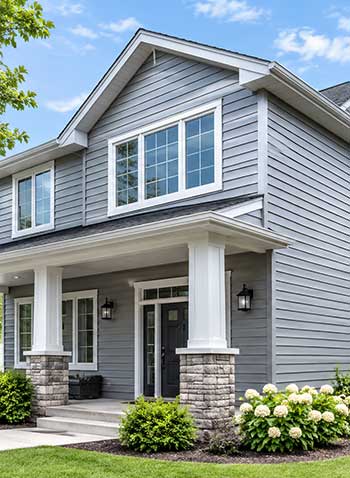
- Non-combustible construction: The metal itself will not burn or contribute to flame spread, which matters in wildfire-prone regions or areas with strict fire codes. Several coastal and mountain communities still specify metal cladding for that reason. In those zones the non-combustible rating can simplify insurance approvals or code inspections that vinyl alone cannot meet.
- Lightweight yet rigid panels: Aluminum is easy for crews to handle and doesn’t add much structural load, yet once fastened it holds its shape better than some flexible plastics under wind pressure. The rigidity helps it resist fluttering during sustained high winds, though the thin gauge still leaves it vulnerable to point impacts.
- Fully recyclable material: At the end of its life the panels can be melted and reused indefinitely, which some homeowners value when thinking about long-term environmental impact. Scrap yards readily accept aluminum siding, and the material retains value rather than becoming pure waste.
- Paintable surface for color changes: You can repaint the entire house to update the look without replacing the siding, something vinyl generally does not allow once the color is set. This gives owners a practical way to refresh curb appeal after 15 or 20 years without a full tear-off.
- Resistance to rot, insects, and corrosion: Properly coated aluminum does not support mold or termites and does not rust the way steel can, making it suitable near salt air when the finish remains intact. As long as the coating isn’t heavily scratched, the metal itself stays stable even in humid or coastal conditions.
Also Read: Comparison of Stucco And Hardie Board.
Pros of Aluminum Siding
- Excellent fire performance that can satisfy insurance or code requirements in high-risk zones without extra treatments. In wildfire interface areas this single trait can be the deciding factor when other materials are restricted.
- Potential for a longer overall service life when dents are avoided and the coating is refreshed on schedule. Well-maintained aluminum from the 1970s is still standing on many houses I walked past.
- Ability to change color later by painting, which gives owners more control over curb appeal decades down the road. A fresh coat can make an older aluminum house look intentional rather than dated.
- Strong resistance to moisture-related problems such as rot or insect damage once installed correctly over a proper weather barrier. The metal itself creates a continuous barrier that pests and moisture do not easily penetrate.
- Complete recyclability that aligns with households focused on reducing landfill waste at the end of the product’s life. The material keeps circulating rather than accumulating as construction debris.
- Good wind resistance when properly fastened; panels tend to stay in place rather than flutter or detach in sustained storms. The interlocking design holds firmly once the nails are set correctly.
- Minimal thickness variation issues compared with some older plastic products that can warp over time in direct sun. Aluminum keeps a flatter plane even after years of thermal cycling.
Cons of Aluminum Siding
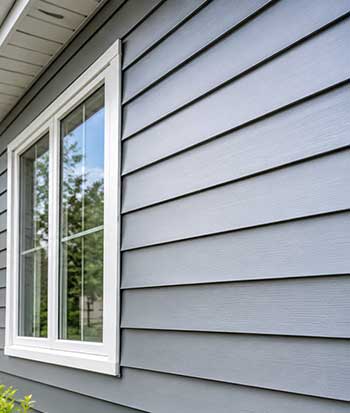
- Permanent denting from even moderate impacts makes the surface look tired after one or two hail events. Those dimples never fully disappear and become more noticeable as the finish ages.
- Factory finish chalks and fades, requiring a full repaint every 10 to 15 years that can cost several thousand dollars. The chalking leaves a powdery residue that transfer onto hands and clothing during cleaning.
- Limited modern style and color choices mean the house can appear dated next to newer fiber-cement or premium vinyl neighborhoods. Most current aluminum still uses simple lap profiles rather than textured or multi-tone options.
- Metal conducts temperature, so summer heat and winter cold transfer more readily unless continuous insulation is added behind the panels. South-facing walls can feel noticeably warmer on hot days.
- Rain and hail create noticeable noise that some occupants find distracting, especially on single-story homes. The metallic ping during a thunderstorm is louder than most people expect.
- Matching replacement panels years later is difficult because aging and fading make new stock look different. Even same-brand panels ordered later rarely match the weathered color exactly.
- Thinner gauge material used in many residential products is more vulnerable to handling damage during installation than thicker vinyl. Crews have to be careful not to crease panels while carrying them.
Key Features of Vinyl Siding
- Color-through manufacturing: The pigment is mixed throughout the panel, so surface scratches do not reveal a different color underneath. This is one of the reasons many homeowners never paint again after installation. Even a deep scuff usually stays the same shade, which keeps the wall looking uniform without touch-up work.
- Wide range of profiles and textures: You can choose traditional lap, board-and-batten, shake, or even stone-look styles in dozens of colors, giving far more design flexibility than current aluminum offerings. Premium lines now include deeper wood-grain embossing that holds up better under direct sun than earlier generations.
- Low ongoing maintenance requirement: A yearly hose-down or soft wash is usually enough. No sanding, priming, or recoating cycles are required for most products. Most owners I talked with simply rinse the south and west walls once a year and call it done.
- Insulated panel options: Many manufacturers offer foam-backed versions that add measurable R-value and improve both energy performance and impact feel. The foam backing also reduces the hollow sound that thinner vinyl can produce in rain.
- Lightweight and installer-friendly: Crews can cover large areas quickly, which often keeps labor costs competitive even when material prices fluctuate. The material cuts cleanly with standard tools, so detailed work around windows and corners moves faster than with metal.
Also Read: Comparison of Stucco And Cement Siding.
Pros of Vinyl Siding
- Virtually no painting or staining ever required for most products, which saves both money and weekend labor over decades. Once the job is done, the color stays without additional coatings.
- Huge selection of colors and textures lets you match almost any architectural style without custom work. From soft neutrals to bold accents, the options cover most design goals.
- Better resistance to small impacts; the material flexes rather than taking permanent dents in many cases. A baseball or small branch often leaves no lasting mark.
- Competitive installed pricing that keeps total project costs manageable for average-sized homes. Basic grades frequently come in under the cost of mid-range aluminum once labor is included.
- Color remains consistent even if the surface is lightly scratched or scuffed. The through-color means minor damage doesn’t create bright spots that draw the eye.
- Quieter in rain compared with metal, and insulated versions improve both sound and thermal performance. The softer material dampens the sound of heavy rain noticeably.
- Widely available from local suppliers, so repairs and additions are straightforward years after the original install. Matching a panel for a small repair is usually simple.
Cons of Vinyl Siding
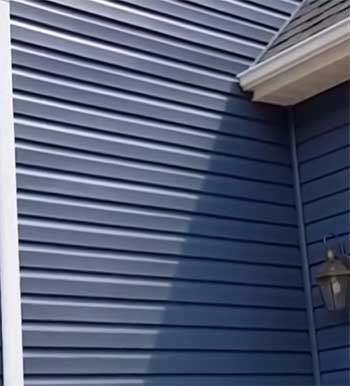
- Can soften, warp, or melt when exposed to extreme heat such as reflected sunlight from low-E windows or nearby fire. Dark colors on south walls are the most vulnerable in intense sun.
- Becomes brittle in very cold temperatures and may crack under impact during deep freezes. In regions that regularly drop below zero, thicker or premium formulations perform better.
- Lower fire resistance means it is not suitable for some wildfire-interface zones without additional protection. Code officials in high-risk areas often require non-combustible alternatives.
- Darker colors can still show some fading after 15–20 years of intense sun exposure. Lighter shades hold their original tone longer under the same UV load.
- Recycling options are limited; most removed panels end up in landfills rather than being reprocessed. The PVC material is difficult to separate cleanly from fasteners and foam backing.
- Lower-quality or thin products can look wavy or cheap if expansion gaps are not installed correctly. Proper spacing at the ends and proper fastening prevent most of these visual issues.
- Lifespan is generally shorter than well-maintained aluminum, so replacement may come sooner on high-exposure walls. South and west elevations often show wear first.
Who Should Choose Which Material?
Choose aluminum if you are in a high-fire zone, want maximum recyclability, plan to own the house for 40-plus years, and are willing to schedule periodic repainting. It still makes sense for certain coastal or code-driven projects.
Choose vinyl if you want the lowest ongoing effort, the widest design options, and competitive pricing with fewer surprises after installation. For most standard residential replacements in 2026, vinyl remains the practical default unless a specific performance requirement points elsewhere.
Fiber-cement products sit above both in durability and resale recovery for owners who can stretch the budget, but between these two the decision usually comes down to maintenance tolerance and local weather.
Also Read: Try Our Free Online Vinyl Siding Cost Calculator.
Frequently Asked Questions (FAQ)
It dents permanently from impacts, needs repainting every 10–15 years as the finish chalks, offers limited modern styles, conducts temperature, and can be noisy in rain.
Vinyl took over because it resists dents better, never needs painting, comes in far more colors and profiles, and usually costs the same or less to install while looking newer longer.
There is no single best. Vinyl remains the most practical for budget and low maintenance; fiber cement leads for durability, fire resistance, and resale recovery when the budget allows.
Standard vinyl siding is typically the lowest-cost option for full exterior coverage, with installed prices often starting around $3.50–$5.00 per square foot for basic grades.
Wrapping Up
I started this comparison because I needed a clear answer for my own exterior and found that neither material is automatically superior.
Aluminum gives you fire resistance and recyclability, yet the dents and repaint cycle add real cost and visual wear. Vinyl gives you color choices, quieter performance, and almost no maintenance, though it trades away some heat and fire resistance.
You should match the material to your climate, how long you plan to stay, and how much weekend work you want to avoid. If hail or extreme cold is common where you live, look hard at impact ratings and consider thicker options.
If fire codes or coastal exposure dominate, aluminum still has a place. For most homeowners in ordinary conditions, vinyl delivers better day-to-day results with fewer surprises.
Get local quotes that break out material grade and labor, then walk finished jobs of both types before you decide. The right choice is the one that still looks good and stays affordable ten years from now.