
HardiePlank Vs. Vinyl Siding: Which One Actually Lasts Longer And Costs Less Over Time?
When I faced the decision of replacing my home’s exterior siding, the choice between HardiePlank and vinyl stood out as one of the biggest factors affecting both budget and long-term satisfaction.
I wanted clear answers on durability, cost, looks, and upkeep so I could pick the option that actually makes sense for a real house in real conditions.
This article shares exactly what I discovered after comparing the two side by side, so you can weigh the same points and land on the right fit for your place.
| Feature | HardiePlank (Fiber Cement) | Vinyl Siding |
| Material | Cement, sand, cellulose fibers, water | Polyvinyl chloride (PVC) resin |
| Thickness | 5/16 inch typical | 0.040–0.048 inches |
| Weight | About 300 lbs per 100 sq ft | 60–70 lbs per 100 sq ft |
| Installed Cost per Sq Ft | $4.70–$8.50 | $2–$5 |
| Typical Lifespan | 30–50+ years | 20–40 years |
| Fire Rating | Class A (non-combustible) | Combustible (can melt/warp) |
| Maintenance | Occasional cleaning; paint every 10–15 years if primed | Cleaning only; no painting needed |
| Impact/Weather Resistance | High resistance to hail, wind, pests, rot | Moderate; can crack or warp |
| Appearance | Deep wood-grain texture, realistic | Good wood look but thinner profile |
| Installation Difficulty | Labor-intensive, needs pros | Faster and lighter, more DIY-friendly |
Key Differences Between HardiePlank and Vinyl Siding
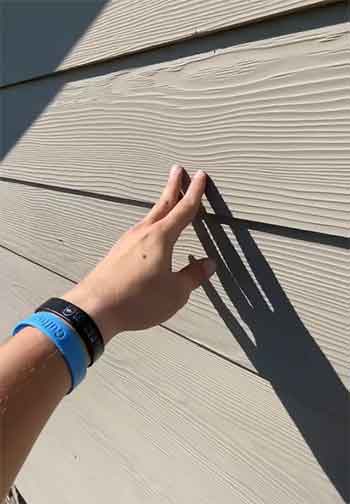
- Material density and thickness HardiePlank boards measure roughly five times thicker than standard vinyl. That extra mass lets manufacturers press deeper wood-grain patterns into the surface. Vinyl’s thinner profile still carries texture, yet the grooves stay shallower. When sunlight hits both walls at the same angle, the HardiePlank shadows look closer to real wood. I noticed this difference immediately when I stood next to sample boards.
- Weight and structural demands A hundred square feet of HardiePlank can weigh around three hundred pounds. Vinyl covers the same area at sixty to seventy pounds. That extra weight means the framing and sheathing underneath need to be solid, and installers often work slower. On a two-story house the difference becomes obvious during the lift-and-place stage of the job.
- Thermal movement Vinyl expands and contracts more with heat and cold. Panels must be nailed loosely so they can slide. HardiePlank stays far more dimensionally stable. In climates with wide temperature swings I saw fewer wavy walls and popped seams with the fiber-cement option.
- Fire behavior HardiePlank carries a Class A fire rating and does not contribute fuel to a fire. Vinyl softens and can melt when exposed to high heat. If you live near wildfire zones or simply want the safest exterior skin, the cement product pulls ahead.
- Moisture handling Properly installed HardiePlank resists water absorption on the face, yet cut edges need careful sealing. Vinyl is non-porous by nature and sheds water easily. Both systems still rely on a good weather-resistive barrier behind them; neither is a magic shield by itself.
- Sound transmission The denser HardiePlank dampens outdoor noise better. Insulated vinyl helps a little, but the solid cement board still feels quieter when traffic or neighbors are nearby.
Key Features of HardiePlank Siding
- Factory-applied ColorPlus finish Many HardiePlank boards leave the plant with a baked-on coating that resists fading and peeling for years. I liked knowing I could skip the first paint cycle. The finish comes in a wide color range and carries a fifteen-year limited warranty on the coating itself.
- Deep embossing that mimics wood The thickness allows real shadow lines and grain detail. Standing back from a finished wall, most people assume they are looking at high-end painted wood until they touch it.
- Pest and rot resistance Termites, carpenter ants, and woodpeckers leave it alone. The cement matrix simply offers nothing for them to eat or nest in. In areas where insects are aggressive, this feature alone can save future repair bills.
- High wind and impact ratings James Hardie products are tested to withstand winds well over one hundred miles per hour when installed to specification. Hail that dents vinyl often leaves HardiePlank unscathed.
- Long transferable warranties The base product warranty runs thirty years and can transfer to a new owner. That paperwork becomes useful if you sell the house before the siding reaches middle age.
- Paintability for future color changes Even ColorPlus boards can be repainted later if tastes change. Primed-only boards accept paint right away and hold it longer than most wood products.
Pros of HardiePlank Siding
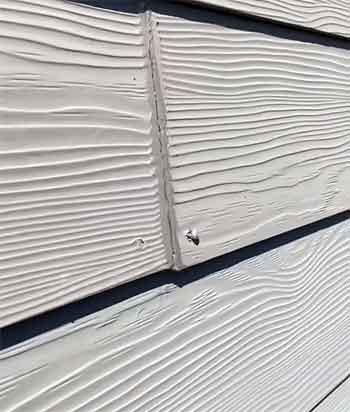
- Exceptional longevity I keep meeting homeowners whose HardiePlank still looks sharp after twenty-five or thirty years with only routine washing. The material does not soften in heat or become brittle in cold the way plastics can.
- Superior curb appeal that holds value Real-estate agents often note that fiber-cement siding photographs well and signals quality to buyers. The deeper texture and crisp shadow lines give a custom-home feel even on a production house.
- Fire safety that brings peace of mind In neighborhoods where brush fires or structure fires are a concern, the non-combustible rating stands out. Insurance companies sometimes offer modest discounts for Class A exteriors.
- Resistance to almost every common exterior enemy Hail, high winds, insects, birds, and rot all struggle to damage properly installed HardiePlank. That broad protection reduces the chance of unexpected repair calls.
- Ability to refresh the look with paint When the ColorPlus finish eventually ages or when you simply want a new color, a quality exterior paint restores the surface. Vinyl cannot be painted successfully in most cases.
- Better performance in extreme climates Whether the summers are blistering or the winters drop well below freezing, the cement boards stay put without the expansion gaps and contraction stresses that affect vinyl.
Cons of HardiePlank Siding
- Higher initial price tag Both the boards and the labor run substantially more than vinyl. On a typical house the difference often lands between several thousand and fifteen thousand dollars or more depending on complexity and region.
- Heavy material that demands skilled crews The weight slows the work and raises the chance of back strain or dropped boards. Not every siding crew has experience with fiber cement; improper nailing or sealing can void the warranty.
- Silica dust during cutting Installers must use specialized saws with dust collection because the cement contains crystalline silica. Homeowners doing any DIY cuts need serious respiratory protection.
- Potential moisture issues at cut edges If boards are cut on site and the raw edges are not sealed, water can wick into the core over time. Careful detailing at corners, windows, and bottom courses is essential.
- Periodic painting on primed versions ColorPlus reduces this need, yet many projects still use primed boards that require a full paint job every ten to fifteen years. That recurring cost adds up.
- Limited DIY friendliness The tools, weight, and precise fastening schedule make most installations professional-only jobs. Vinyl is far more approachable for a handy homeowner.
Also Read: Is Alside Ascend Siding Worth It?
Key Features of Vinyl Siding
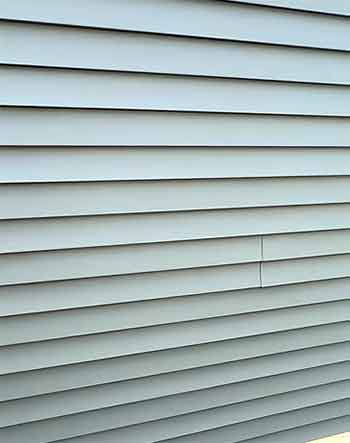
- Integrated color that never needs painting The pigment runs through the entire thickness of the panel. Scratches do not reveal a different underlayer the way painted materials do. A quick rinse keeps the color looking fresh for decades in most climates.
- Lightweight panels that speed installation Crews can carry and hang vinyl faster, which lowers labor hours. On a simple rectangular house the job can finish days sooner than a comparable HardiePlank project.
- Foam-backed insulated options Some vinyl lines include rigid foam laminated to the back. The foam adds a modest R-value and helps the panels feel more substantial. It also reduces oil-canning (those wavy reflections) on sunny walls.
- Wide range of profiles and textures You can choose traditional lap, Dutch lap, shake, board-and-batten, or vertical styles. Textures range from smooth to heavy cedar grain. Color choices number in the hundreds, including darker shades that once faded quickly but now hold up better thanks to improved stabilizers.
- Individual panel replacement If one section gets damaged by a falling branch, you can often unhook and swap just that panel without tearing off a whole wall. HardiePlank repairs usually require more cutting and matching.
- Lower shipping and handling costs Because the material is light, freight charges stay modest and storage on the job site is simpler.
Pros of Vinyl Siding
- Lowest installed cost among popular options You stretch your budget further and still get a finished exterior that looks decent from the street. For many first-time renovators this is the deciding factor.
- Virtually zero painting or staining Once the panels are up, maintenance consists of washing with a garden hose and mild detergent. No ladders, no brushes, no color-matching stress.
- Fast and relatively simple installation Lightweight panels go up quickly. In mild weather a small crew can finish a modest house in a week or less, keeping disruption short.
- Flexible color and style selection Darker colors, multi-tone schemes, and specialty textures are easy to find. If you change your mind about the look, replacement panels in new colors are usually available.
- Good impact resistance when thicker grades are chosen Premium vinyl with foam backing handles everyday bumps better than thin economy grades. Individual panels can be swapped if damage does occur.
- Suitable for almost any climate with proper detailing Expansion gaps and correct nailing allow the material to move without buckling. In moderate regions vinyl routinely lasts three decades or more.
Also Read: Comparison of Hardie Board And LP SmartSide.
Cons of Vinyl Siding
- Shorter realistic lifespan in harsh conditions Extreme heat, intense sun, or repeated freeze-thaw cycles can fade colors, make panels brittle, or cause warping. Replacement may arrive sooner than with fiber cement.
- Visual thinness up close Even the best vinyl lacks the deep shadow lines of HardiePlank. From the sidewalk the difference is small; from the porch it becomes noticeable.
- Combustibility Vinyl softens and can melt when exposed to high heat or direct flame. That characteristic matters if outdoor cooking areas or fire-prone landscapes sit close to the house.
- Potential for impact damage Hail, baseballs, or careless lawn equipment can crack or puncture thinner panels. Repairs are possible but leave seams that never disappear completely.
- Expansion and contraction noise and movement On quiet nights some homeowners hear the panels shift. Gaps at trim can open and close seasonally if the installation was not perfect.
- Limited ability to change color later Painting vinyl rarely lasts and often voids warranties. If you grow tired of the original shade, full replacement is usually the only clean solution.
Cost Considerations That Actually Matter
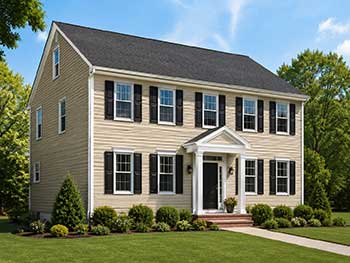
When I ran the numbers for a roughly two-thousand-square-foot house, vinyl typically landed between six thousand and sixteen thousand dollars installed, depending on grade and local labor rates.
HardiePlank projects for the same size home usually started around fourteen thousand and climbed past thirty thousand dollars once complexity, multi-story access, and premium finishes entered the picture.
The gap is real.
Yet the longer service life and lower chance of mid-life replacement can close that gap over twenty or thirty years.
I also factored in the possibility of higher resale value with the fiber-cement product. Neither number is fixed; your region, house shape, and whether old siding must be removed will move the totals.
- Installation Realities
Vinyl goes up with ordinary tools and a moderate skill level. HardiePlank requires carbide blades, dust control, careful measuring for expansion gaps at openings, and strict adherence to the manufacturer’s nailing schedule. I watched both processes.
The vinyl job felt almost casual by comparison. The HardiePlank crew worked methodically, checking every course for level and sealing every cut edge. That extra care is what protects the warranty and the long-term performance.
Making the Choice for Your Own House
If budget is the tightest constraint and you live in a mild climate with little hail or fire risk, vinyl delivers solid value and low ongoing effort.
If you plan to stay in the house for decades, want maximum durability, prefer a richer wood-like appearance, or live where weather is severe, HardiePlank starts to justify its higher price.
I ultimately leaned toward the fiber-cement option because the combination of fire resistance, impact toughness, and lasting curb appeal matched the conditions around my property.
Your priorities may point the other direction, and that is perfectly fine. The important step is matching the product’s strengths to the specific demands of your climate, budget, and how long you intend to keep the house.
Also Read: Is Certainteed Monogram Siding Worth It?
Frequently Asked Questions (FAQ)
Higher upfront cost, heavier boards that slow installation, silica dust when cutting, and the need for careful edge sealing to prevent moisture issues.
Installed costs commonly range from roughly fourteen thousand to thirty-six thousand dollars or more, depending on style, finish, number of stories, and local labor rates.
Standard vinyl siding remains the most budget-friendly widely available option for most homes.
HardiePlank often costs one and a half to two times as much installed, translating to several thousand dollars extra on a typical two-thousand-square-foot house.
Wrapping Up
I hope the side-by-side details I gathered help you feel more confident about the path you choose.
Whether you go with the lighter, lower-cost vinyl route or invest in the tougher HardiePlank system, understanding the real differences lets you avoid surprises and end up with an exterior that works for the life you live in the house.